

Written by: Ács Érmes Károly
Translated by AIC Editorial Team
20th March 2026
When Curiosity Meets the Future
At Avicenna International College, learning goes beyond textbooks. It becomes an experience that connects students with the real world, new ideas, and the future ahead of them.
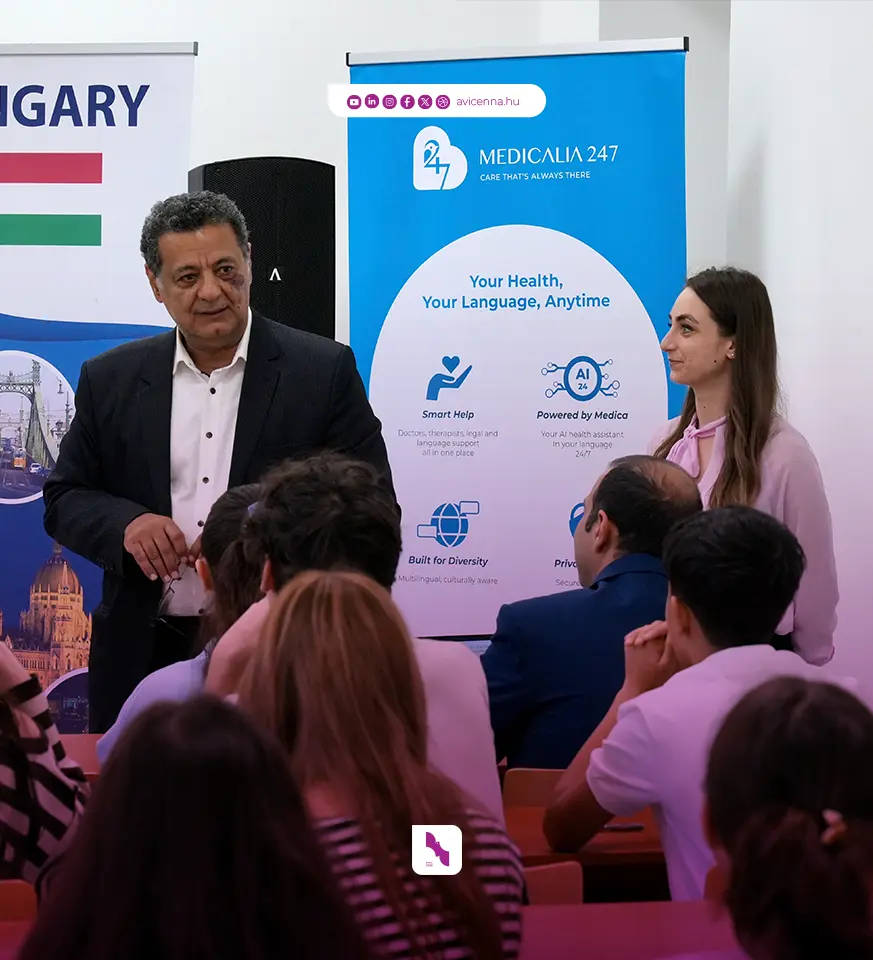
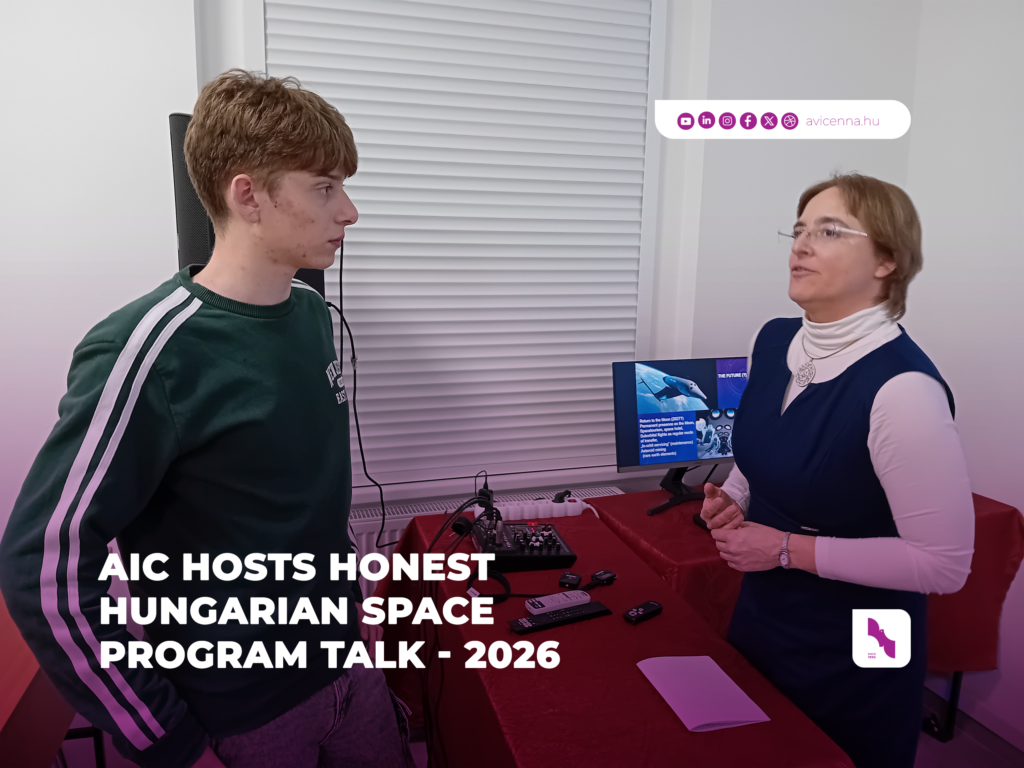
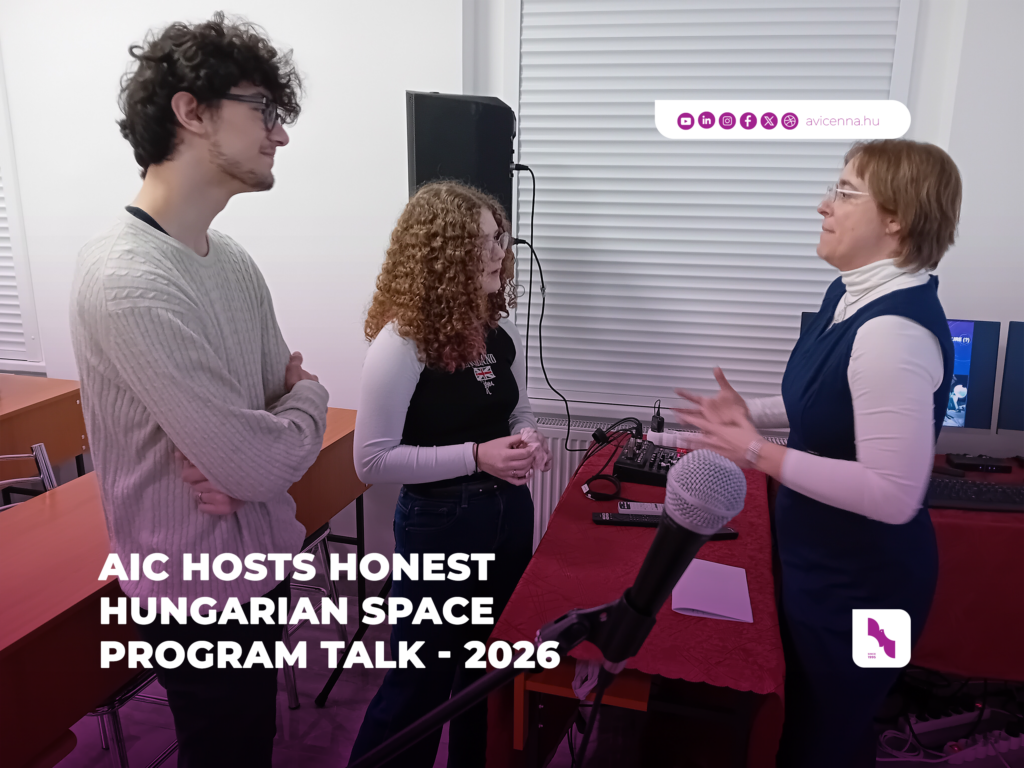
On March 11, 2026, our students had the opportunity to attend a special guest lecture on the Hungarian Space Program (HUNOR), presented by Dr. Alexandra Petra Partl, Head of Department at the Ministry of Foreign Affairs and Trade.
The session brought together AIC students, teachers, and Erasmus guests from Bulgaria and Italy, creating a truly international learning environment.
From Imagination to Reality: The Story of Space Exploration
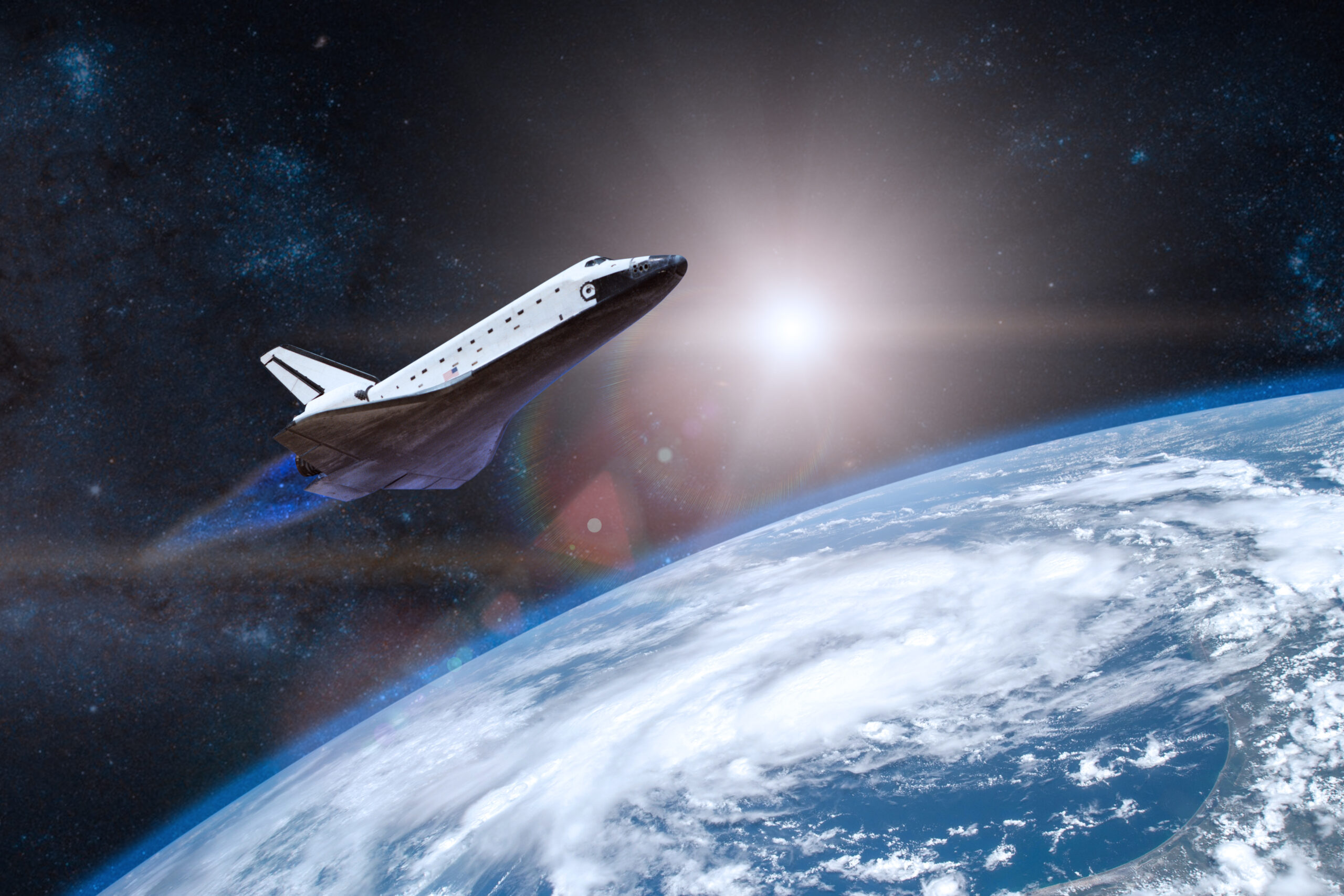
The lecture began with a journey through the history of space exploration. From early scientific imagination to the launch of Sputnik in 1959, and from Yuri Gagarin’s historic flight in 1961 to the Apollo Moon landing, students explored how humanity gradually turned imagination into reality.
These milestones were not presented as distant historical facts, but as a living story of curiosity, risk, and human ambition.
Hungary’s Role in Space Science
One of the most inspiring parts of the session was learning about Hungary’s contribution to space exploration.
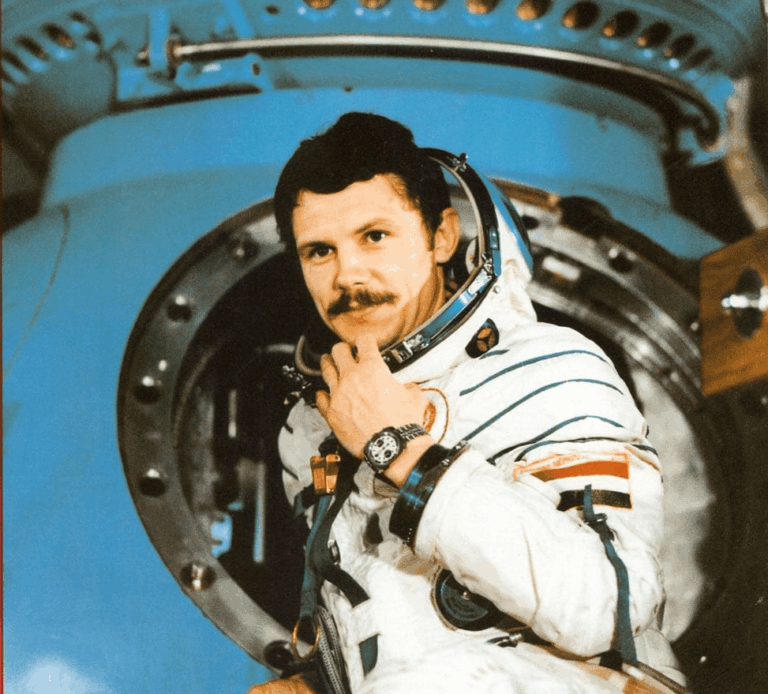
Students discovered the story of Bertalan Farkas, the first Hungarian astronaut, and the scientific experiments conducted during his mission. They also learned about Hungarian-developed technologies, such as radiation measurement tools used in space missions.
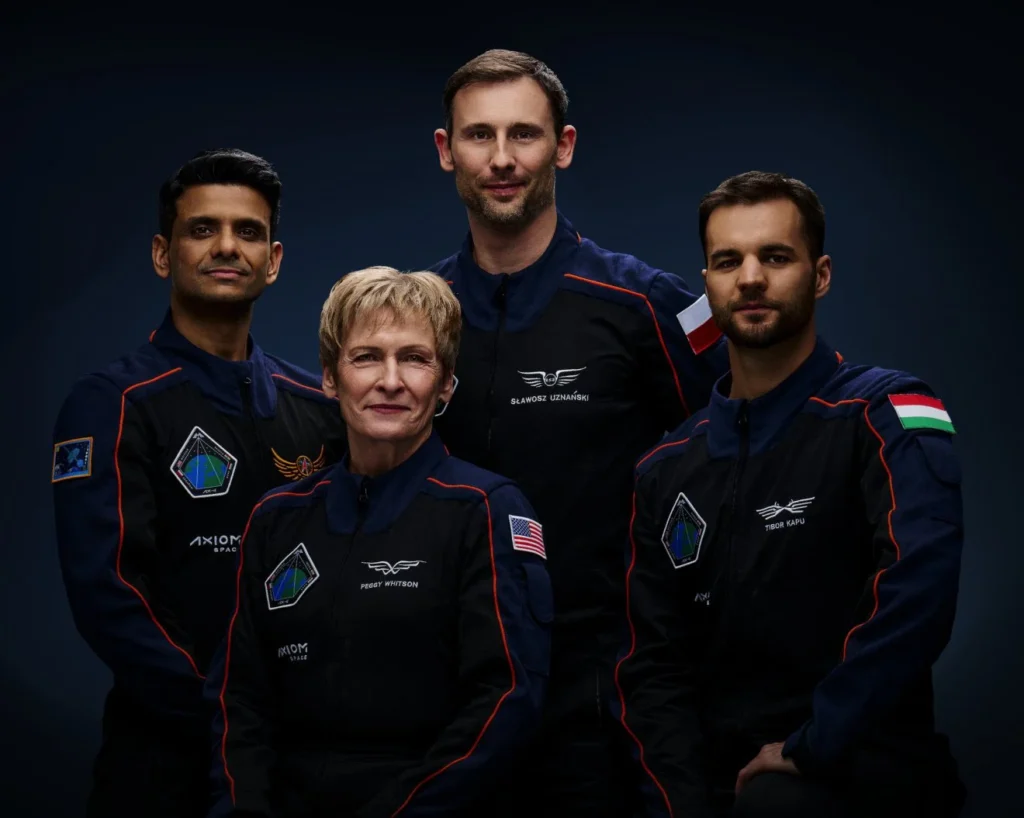
The lecture then moved to the present, introducing Tibor Kapu, the second Hungarian astronaut, and his recent mission as part of an international space collaboration.
This helped students understand that space exploration is not only about major global powers. It is also shaped by smaller countries, scientists, and innovators working together.
Behind the Mission: Preparation, Science, and Human Limits
Through short documentary videos, students gained insight into the intense preparation required for space missions.
Training included physical endurance, adaptation to zero gravity, and simulations of extreme conditions. Students could see how science, discipline, and human resilience come together before a mission even begins.
The session also introduced real scientific experiments conducted in space, including research on DNA damage caused by radiation, plant growth in microgravity, and medical innovations.
Why This Matters for Our Students
What made this session truly valuable was not only the information shared, but the mindset it inspired.
Students were encouraged to think beyond subjects and exams, and to see science as a field of exploration, creativity, and real-world impact.
At AIC, this aligns directly with our mission to create an active, human-centered learning experience, where students learn how to think, question, and connect knowledge to the future.
A Moment of Inspiration
Bringing real-world experts into our learning environment is a key part of how we shape future-ready students.
This lecture was more than an academic session. It was a moment that connected our students to global innovation, scientific ambition, and the idea that their own future can be part of something much bigger.
Looking Ahead
As technology and science continue to evolve, experiences like this help our students build not only knowledge, but vision.
Because at Avicenna International College, we believe that education is not only about understanding the world as it is, but about imagining what it can become.
Written by: Ács Érmes Károly
Translated by AIC Editorial Team
20th March 2026