

Written by: Bence Horváth
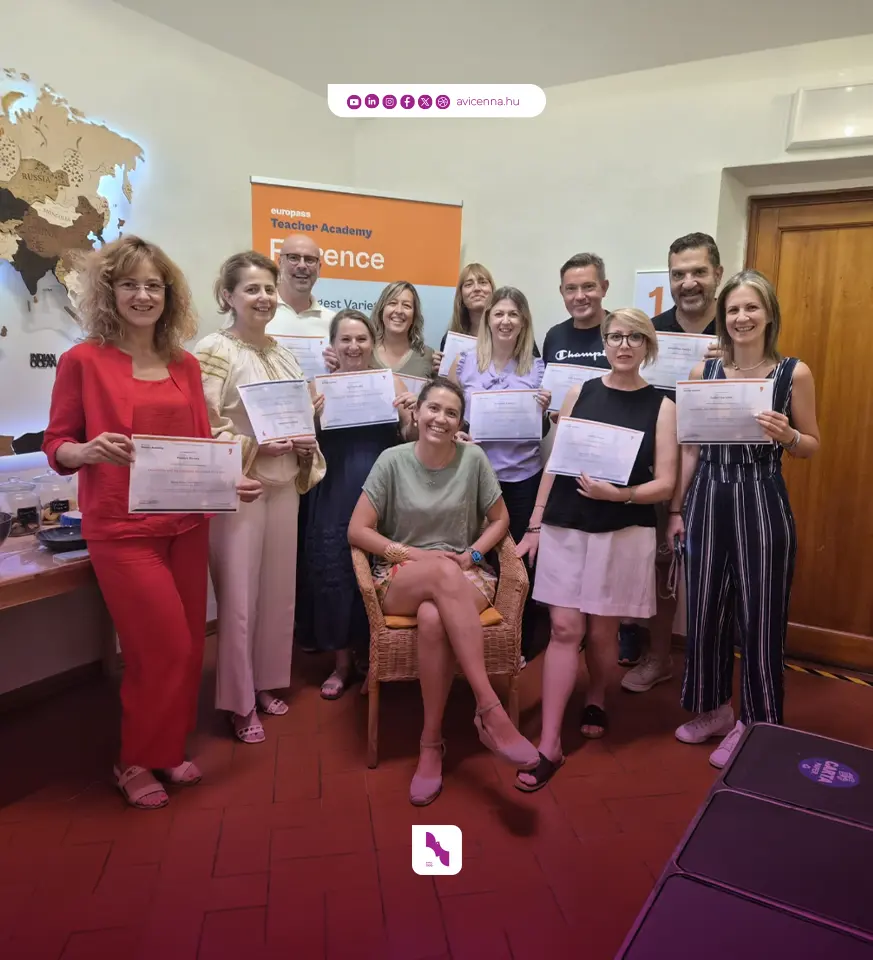
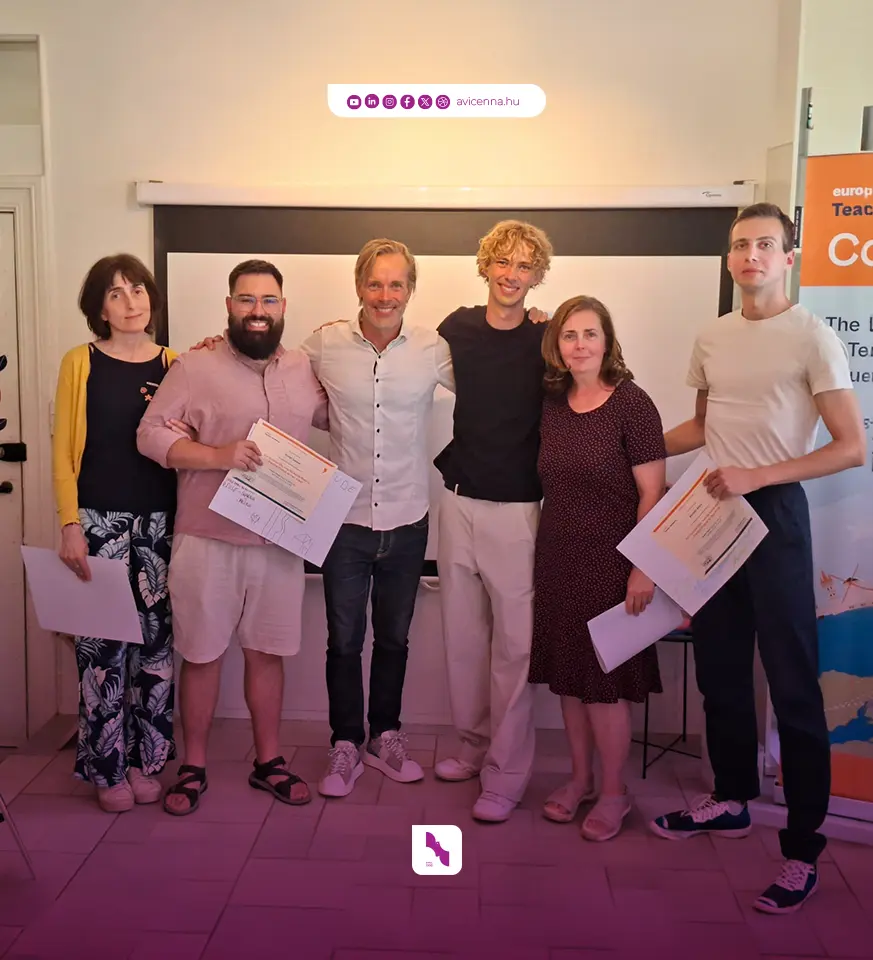
As part of an Erasmus training course (13–18 July 2026), I participated in a week-long program in Copenhagen focusing on eco-sustainability and the Danish model, with an emphasis on practical ideas that can be adapted to our own school environment.
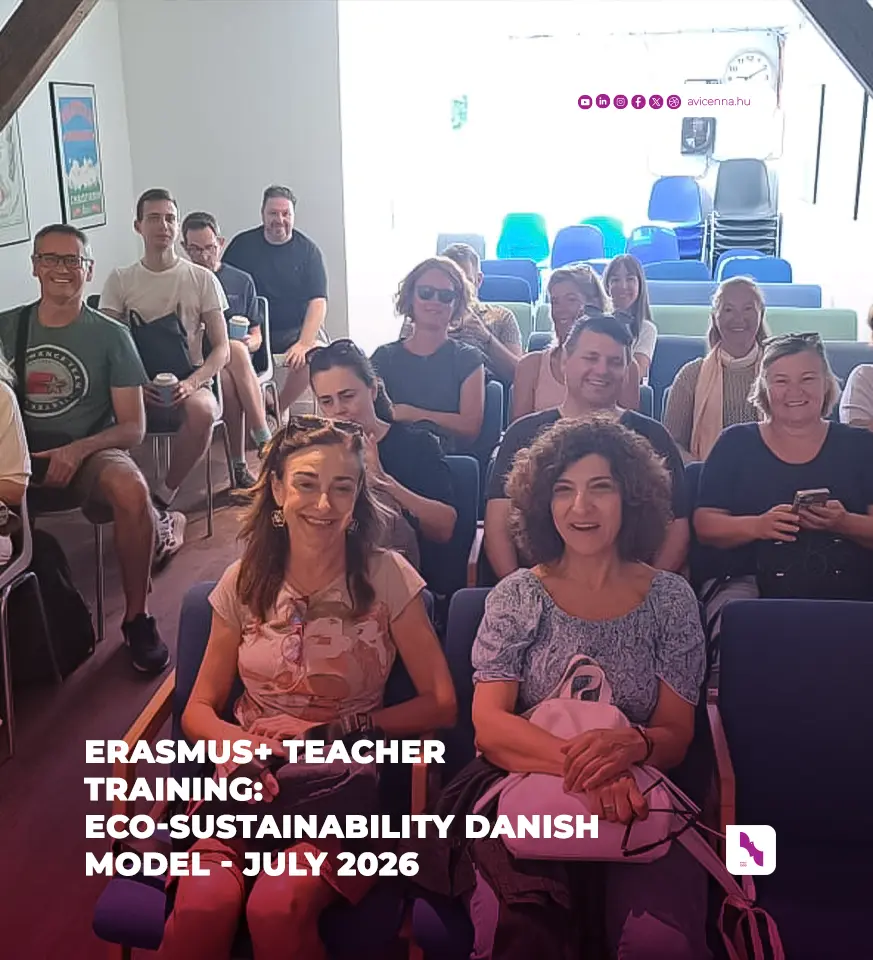
Monday: Introduction to the Erasmus Course and Copenhagen
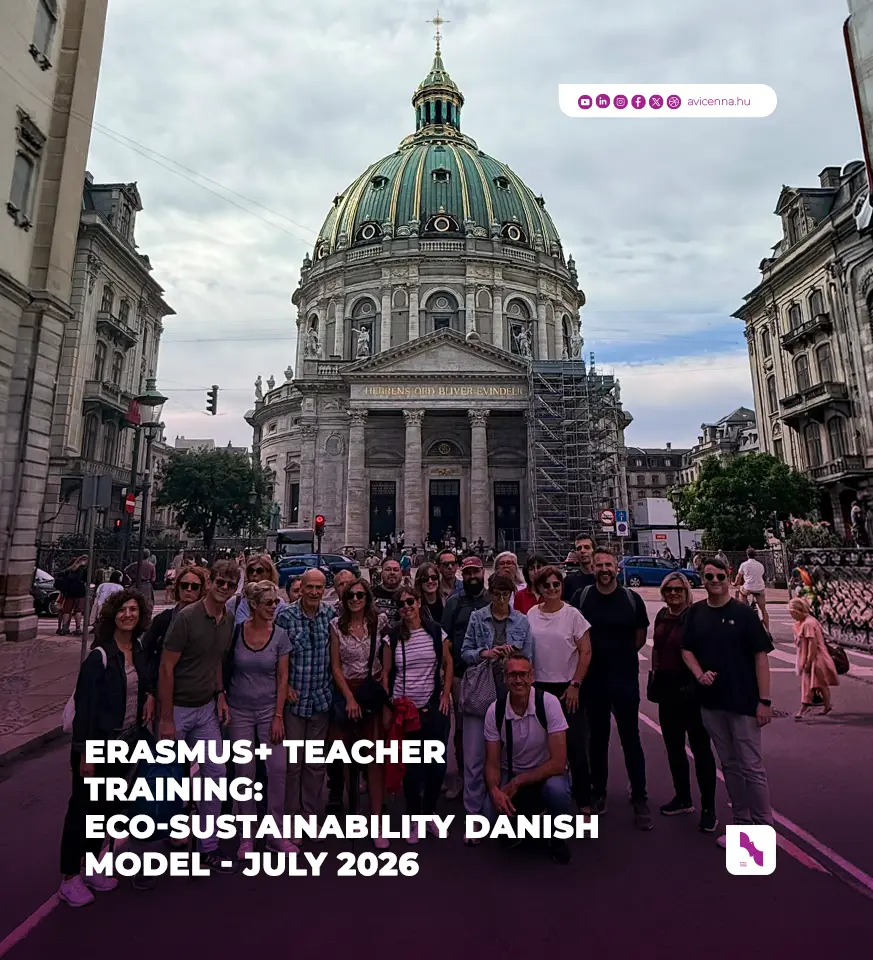
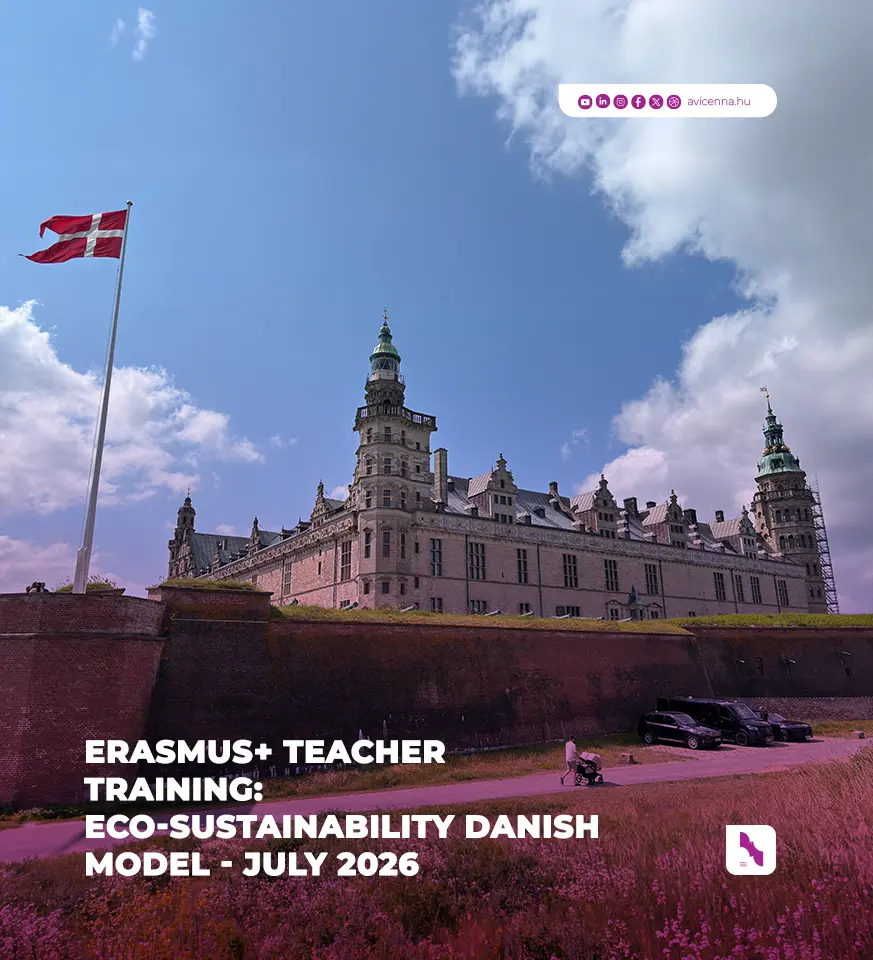
Monday began with an introduction to the course and the locations we would visit during the week. This was followed by a walking tour in the city centre, with a focus on Copenhagen’s historical and cultural background, providing useful context for the days ahead.
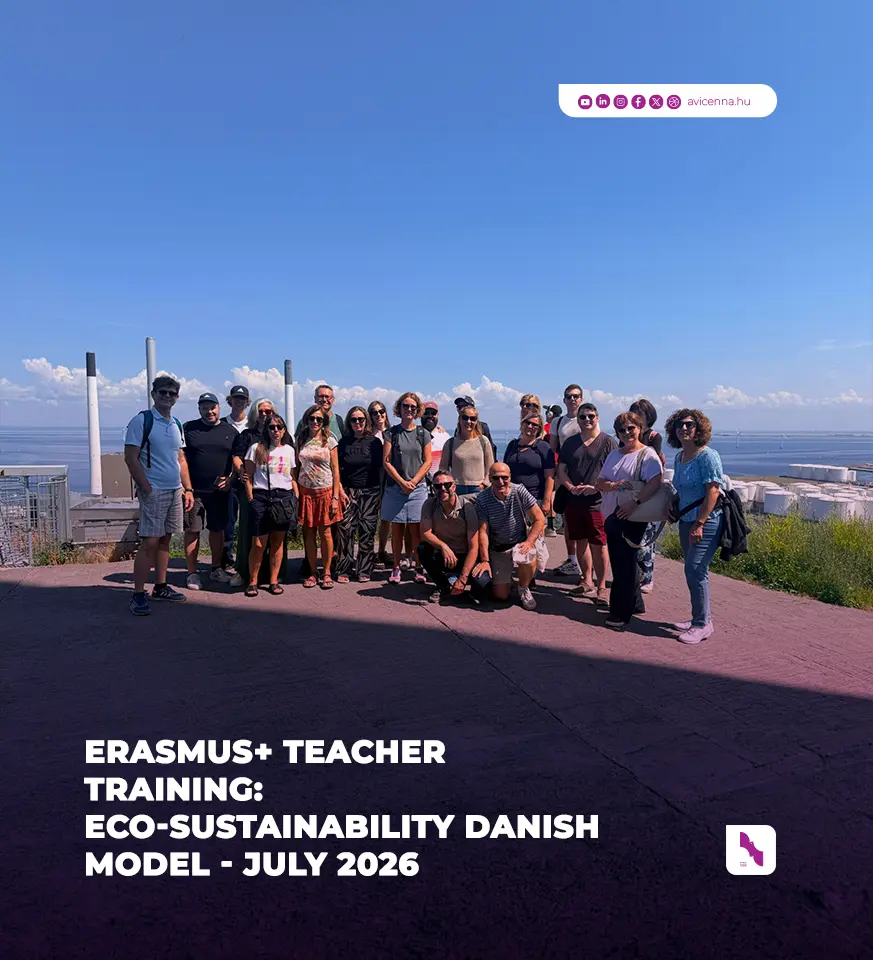
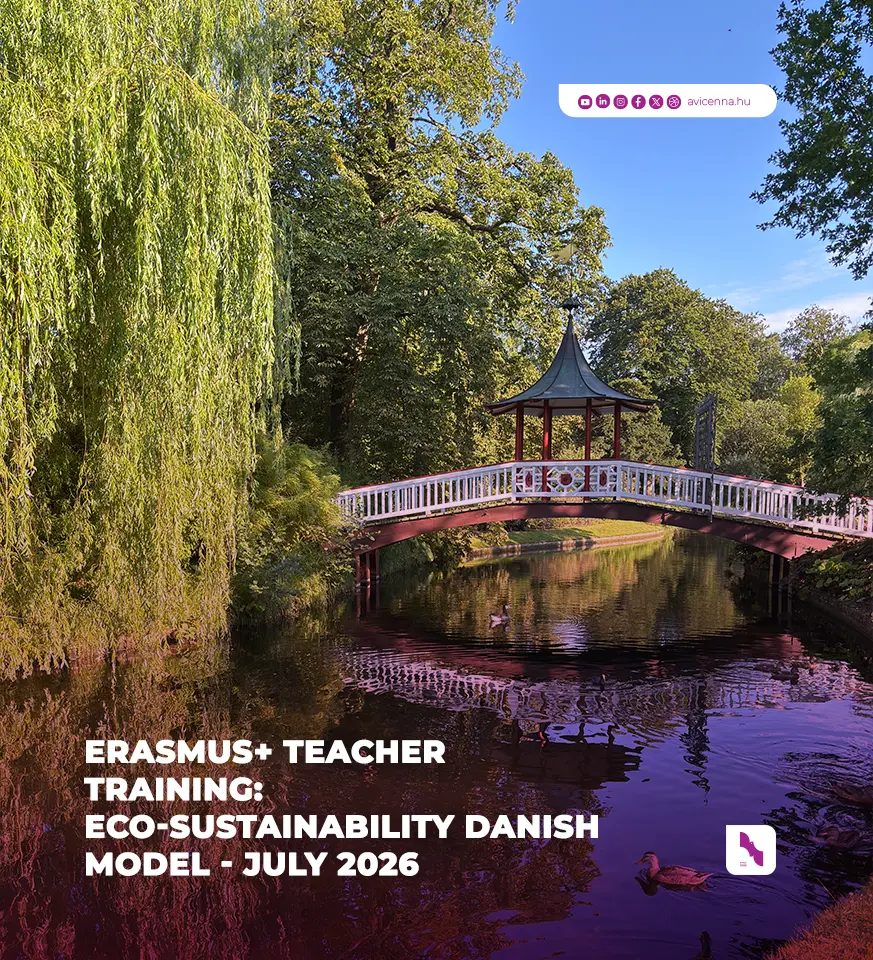
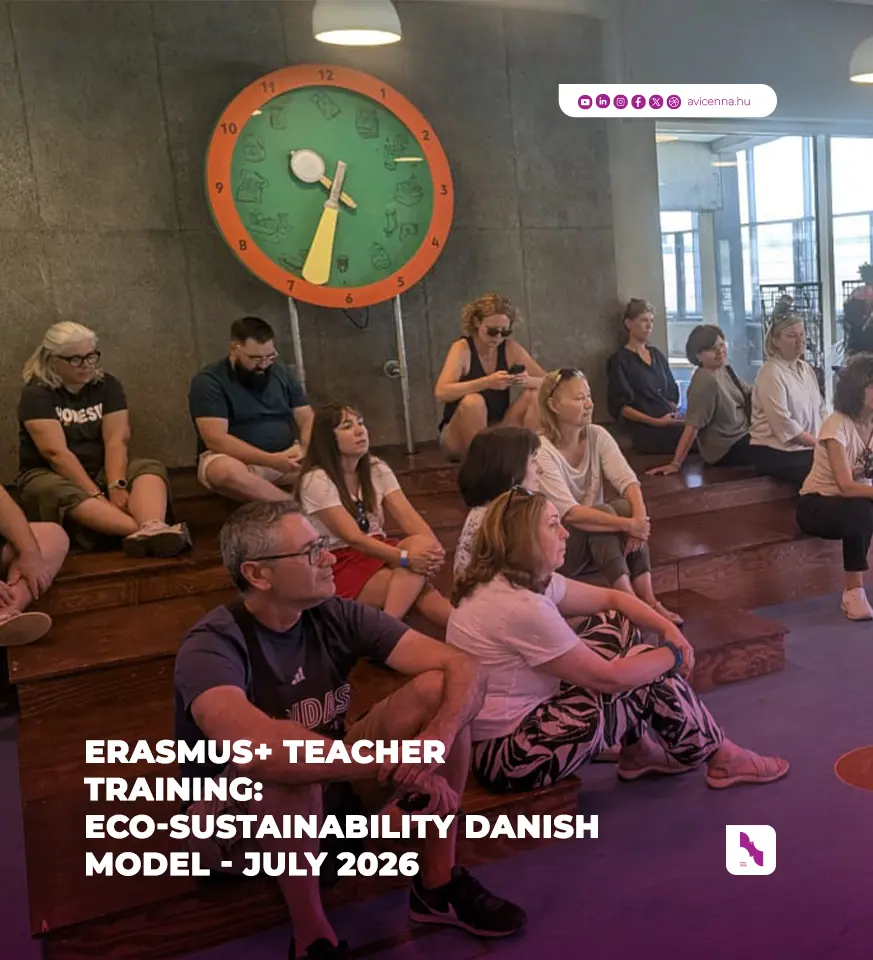
Tuesday: Sustainable Living and Innovative Waste Management
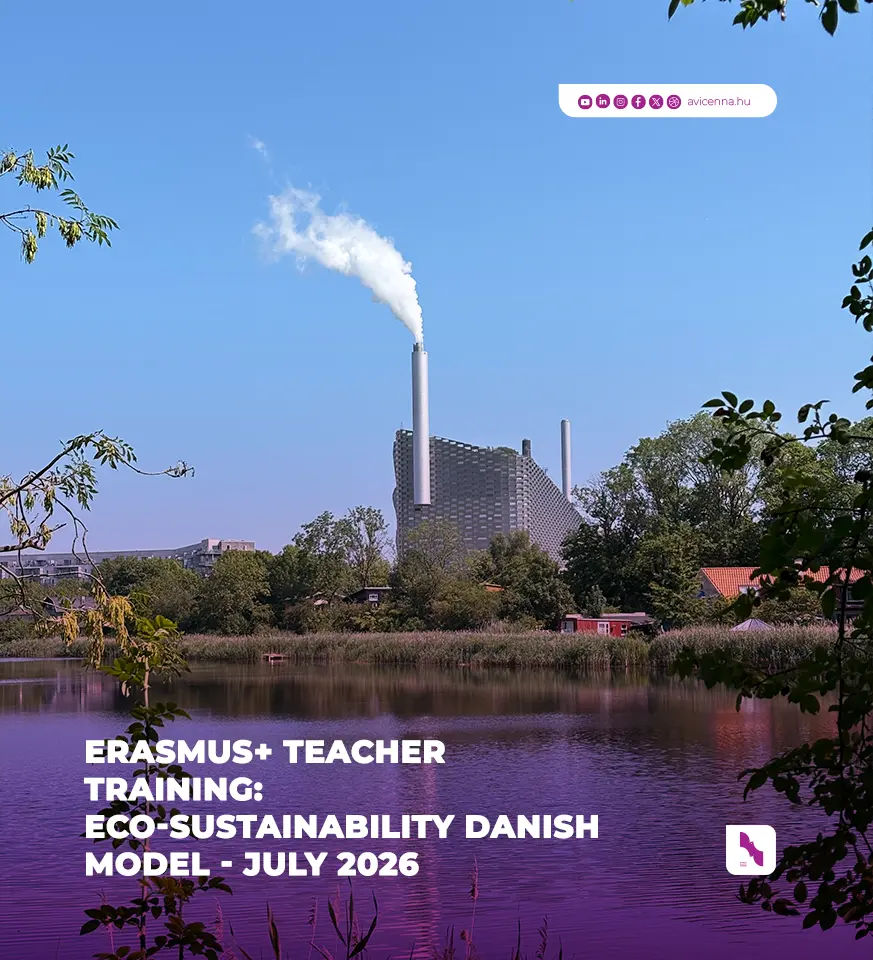
On Tuesday, we started the morning with a local tour guide in Christiania. After a short briefing, we were taken around the former army barracks that have been transformed into community-based projects. The visit focused on how the inhabitants of this unique area aim to “reduce, reuse, recycle” and actively work to minimize their carbon footprint in everyday life. In the afternoon, we visited CopenHill, a waste disposal facility that perfectly represents the Scandinavian architectural mindset. It is a waste-to-energy plant that also functions as a dry ski slope and features the world’s tallest climbing wall, turning what would otherwise be an industrial site into a popular recreational destination for locals.
Wednesday: The Danish Education Model and Inclusion
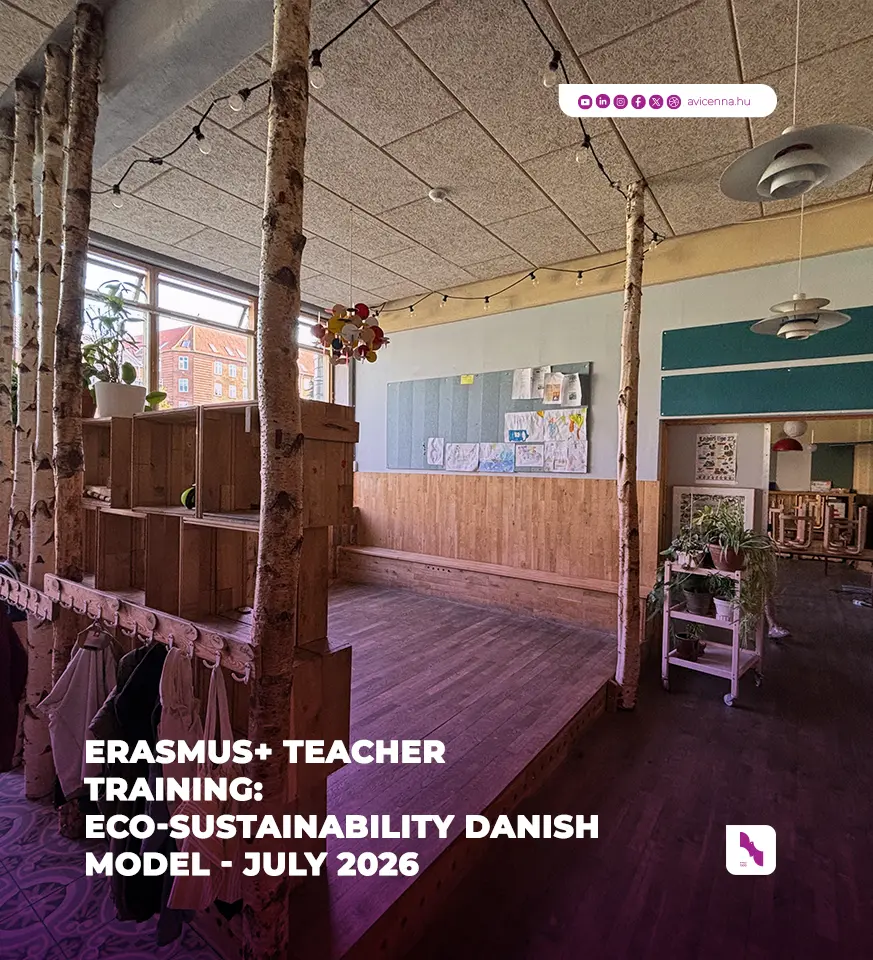
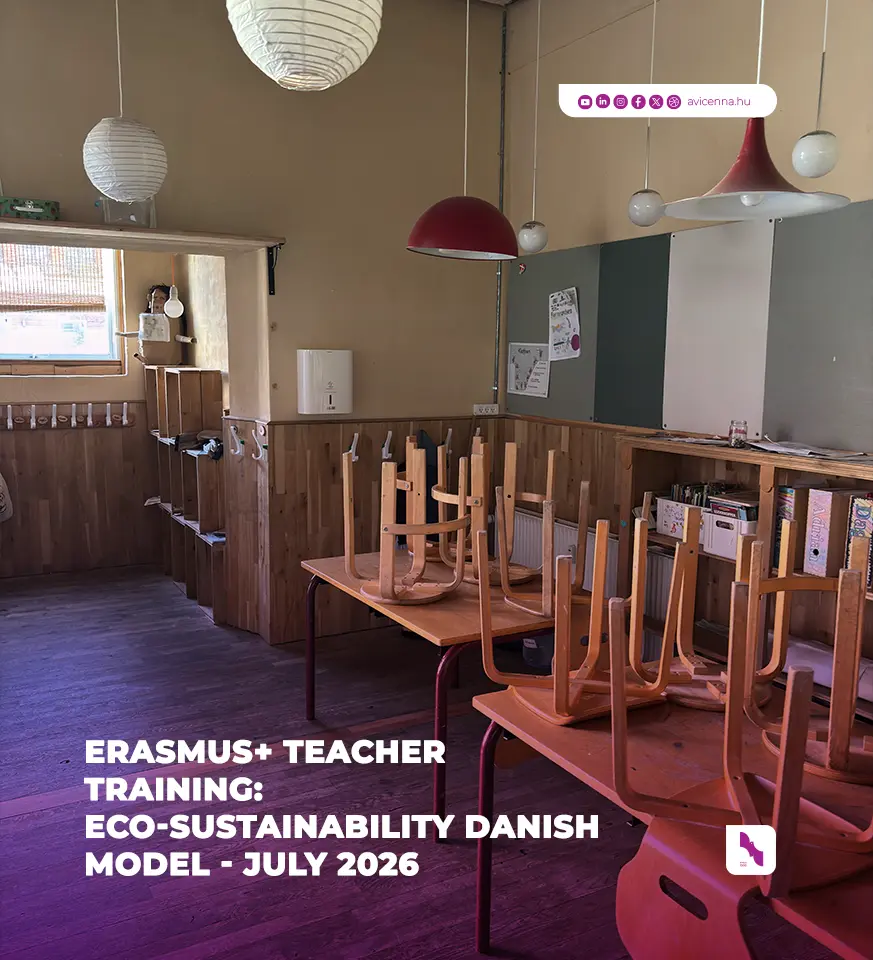
On Wednesday, we explored the Nørrebro district and visited The Green Free School, a former institution of our mentor and guide, Niklaz. He introduced us to the Danish approach to school choice, explaining how parents can select the most suitable institution for their children, and how the system strives to support students with diverse needs and abilities through an inclusive and flexible framework.
Thursday: Team Building and Recycling
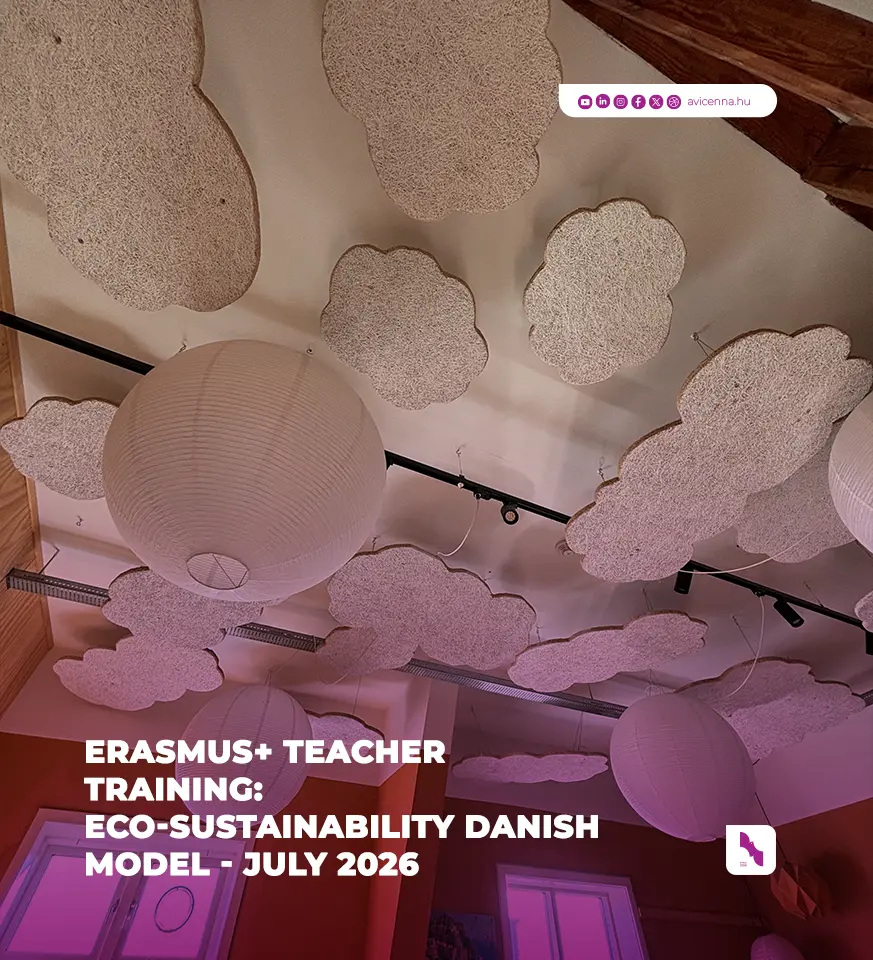
Thursday took us to Sydhavnstippen, on the outskirts of Copenhagen. The day began with a team-building activity: a 24 character strengths card game completed in small groups, which helped us get to know each other better and provided a practical tool that can be applied in the classroom. Afterwards, we visited a nearby recycling center, where the managing director explained the concept behind this Danish initiative, designed to encourage sustainable thinking and consistent recycling habits among citizens.
Friday: Creativity, Cooperation and Reflection
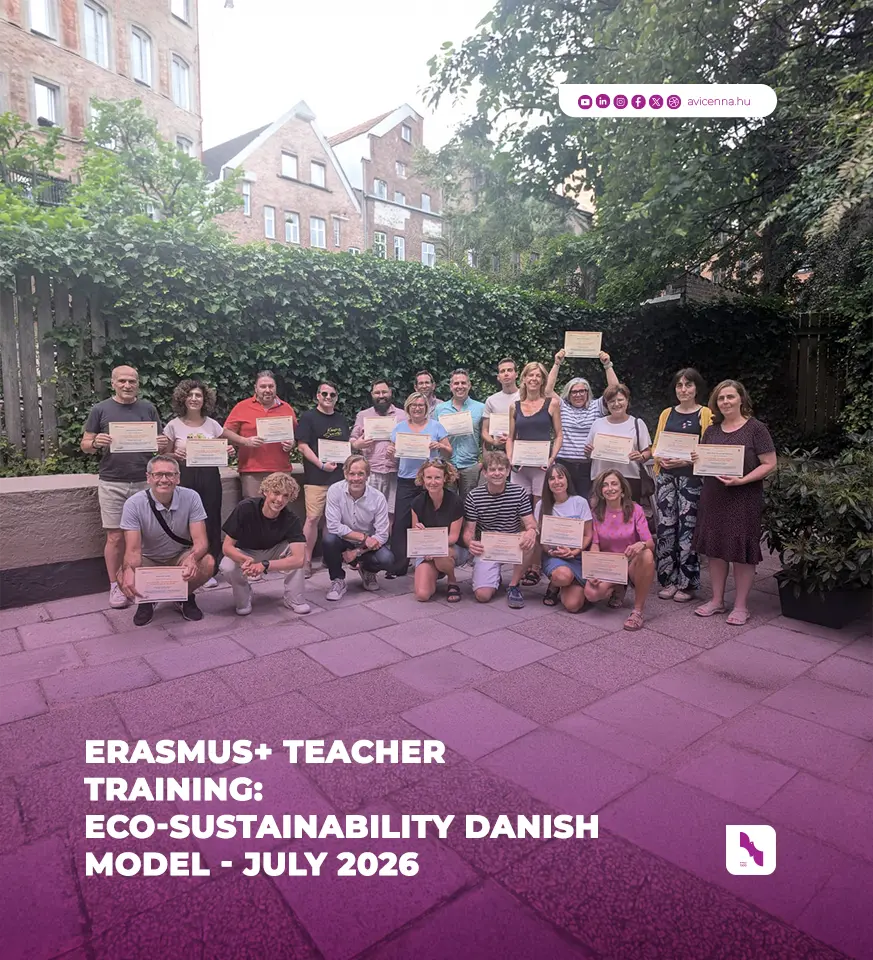
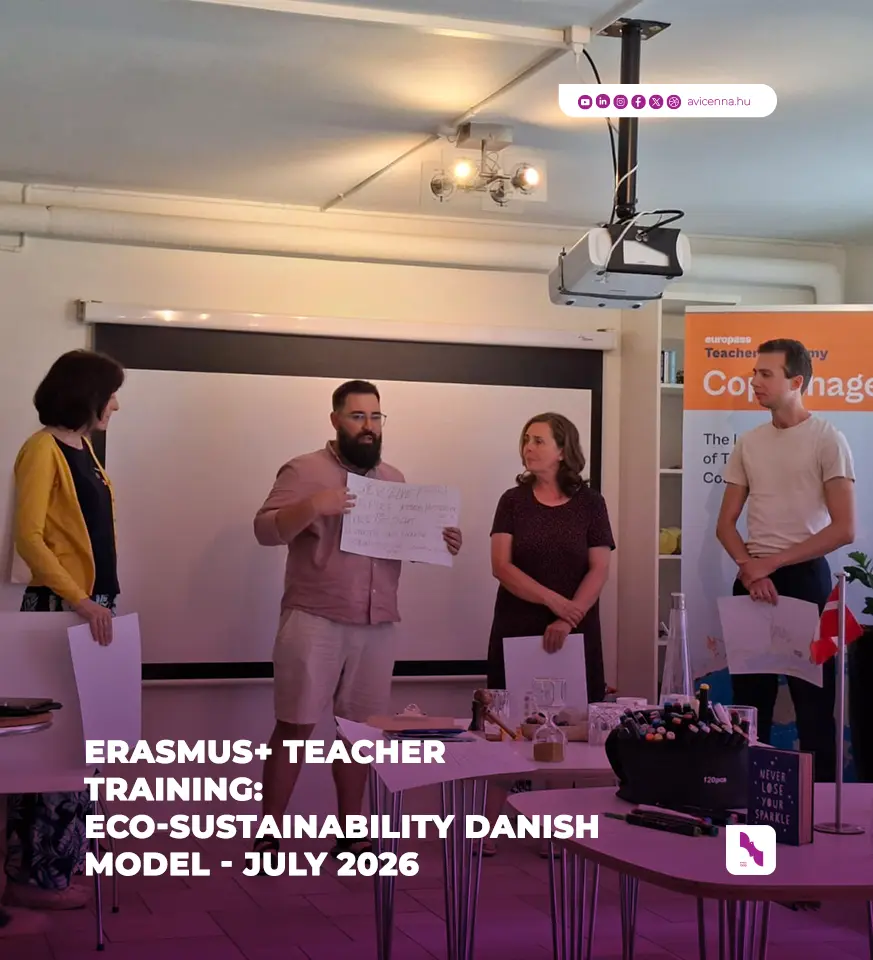
On Friday, the course concluded with another team-building exercise using LEGO elements, adding a distinctly Danish touch to the program. This activity required close cooperation, creativity, and a playful mindset. As a final task, we reflected on the knowledge and experiences gained throughout the week, drawing inspiration from the many practical and multifaceted approaches to sustainability we had encountered.
Erasmus Experience: Sustainability in Education and Everyday Life
Overall, the course provided valuable insights into how sustainability can be integrated into both everyday life and educational practice, offering concrete ideas that can be adapted and implemented in our own school context.