


Written by: Harout Parseghian
3rd April 2026
Connecting Cultures through Science, History, and Shared Learning
In an exciting week of international exchange, seven students from Avicenna International College accompanied by their teacher headed to the historic city of Plovdiv, Bulgaria. Hosted by the prestigious Language High School Plovdiv, this Erasmus+ group mobility program proved to be an immersive dive into Bulgarian heritage and culture, academic collaboration, and European citizenship.
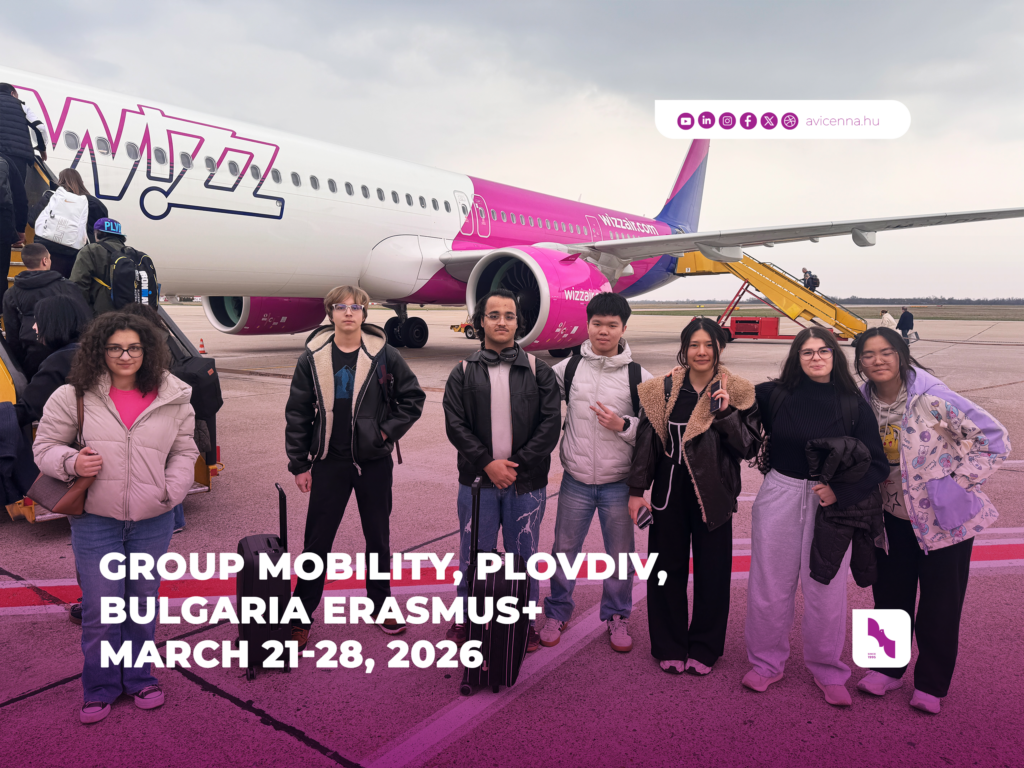
The journey kicked off early Saturday morning at Budapest’s Népliget station. The group’s itinerary highlights the logistical spirit of European travel, spanning a bus ride to Bratislava and a flight to Plovdiv. Students had been advised to pack for Plovdiv’s varying spring climate which is seen especially in the month of March and to keep their IDs and residence permits close at hand for a smooth transit through the borders.
Cultural Immersion in the “City of Seven Hills”
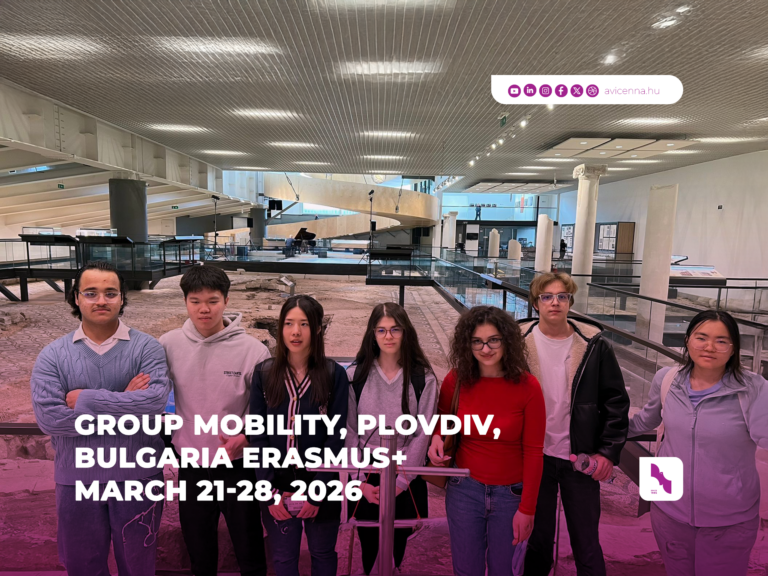
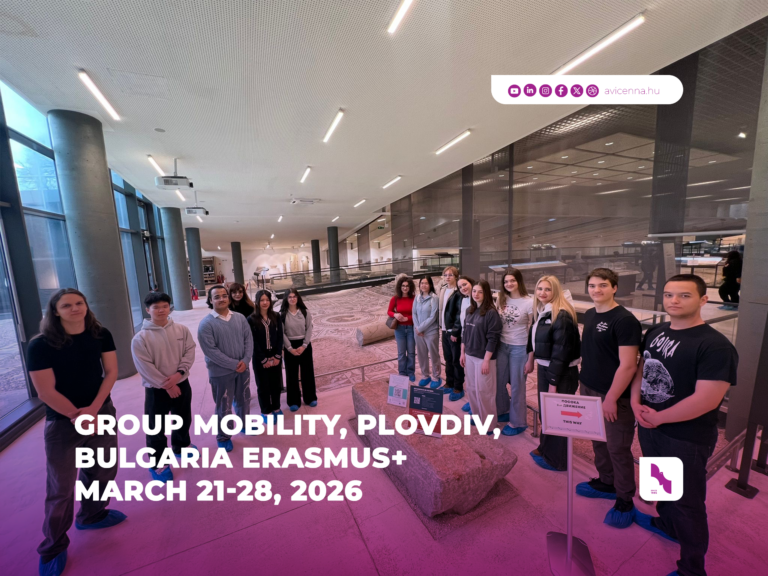
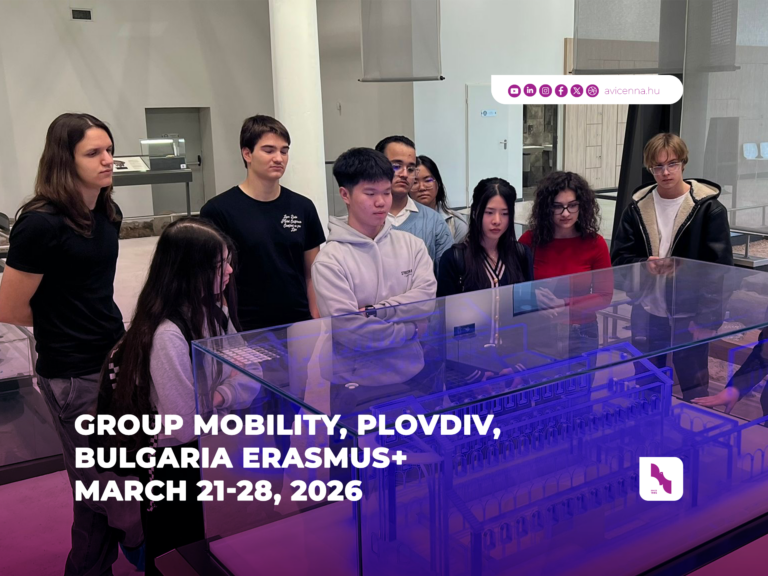
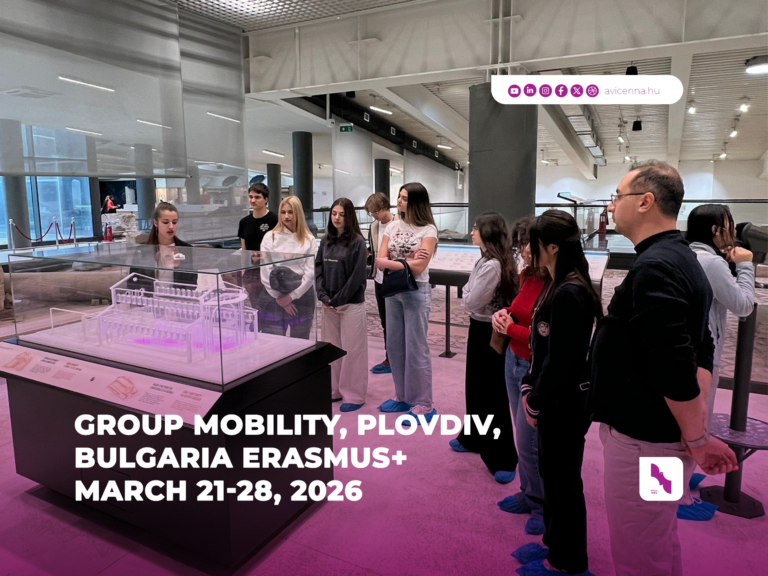
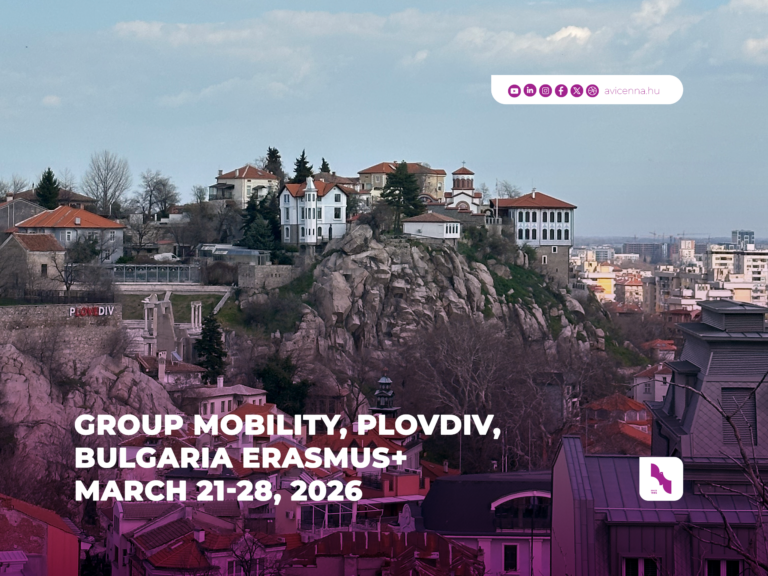
Plovdiv is one of the oldest continuously inhabited cities in the world, and our students experienced it first hand and saw it all. On the first day, Sunday, the group was warmly welcomed by nine local students along with host’s school Erasmus manager and English Teacher, Albena, who gave a walking tour of the Old Town and a visit to the Bishop’s Basilica of Philippopolis, home to the breathtaking 4th-century mosaics. The students enjoyed the guided tour in English that explained the history of the place passing through different timelines. The place is the largest Early Christian temple discovered in Bulgaria and a crown jewel of Plovdiv’s Roman heritage. The most unique feature of the Basilica is that it contains two distinct layers of floor mosaics stacked on top of each other, totaling over 2,000 square meters. The First Layer (4th Century): Features complex geometric patterns, including “Solomon’s knots” and swastika meanders (ancient symbols of the sun and eternity). These mosaics are famous for their 3D optical illusions. The Second Layer (5th Century): This layer is where the Basilica gets its “Bird Basilica” nickname. It is a vibrant “Garden of Eden” depicted in stone. The museum reveals how the site evolved from a pagan temple to a Christian basilica, then a medieval necropolis, and finally sits next to the modern St. Ludwig Catholic Cathedral.
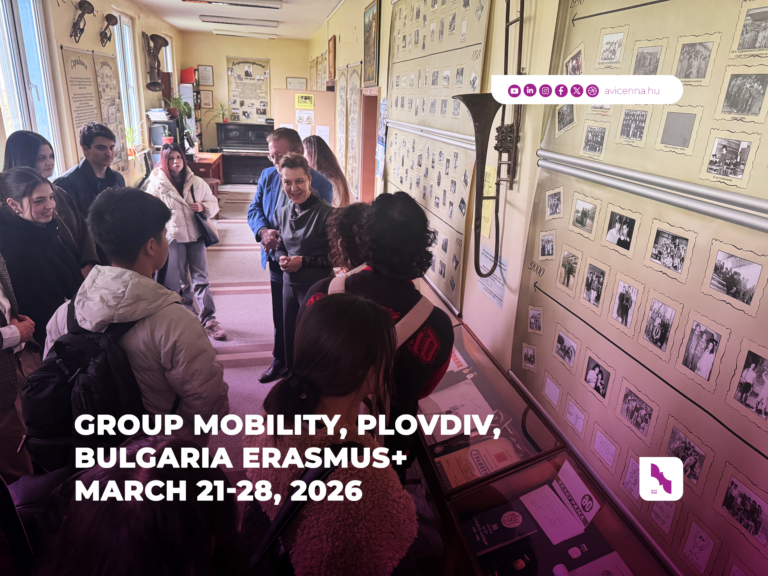
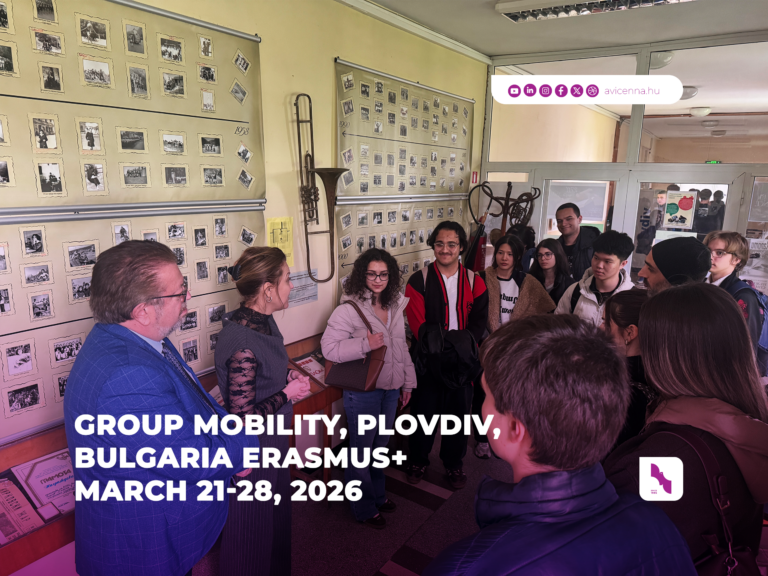
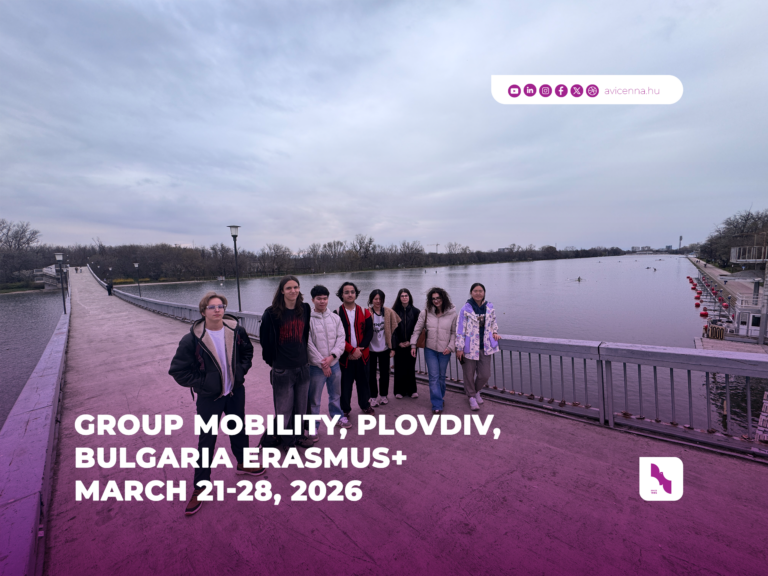
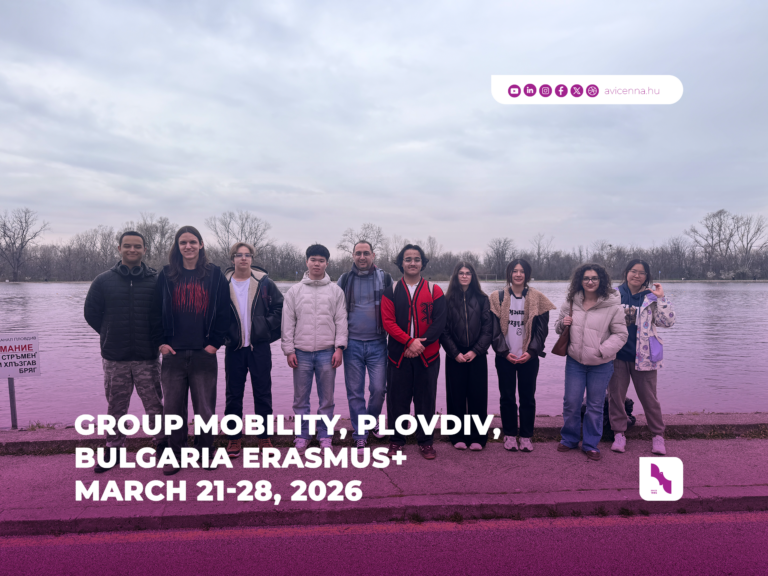
As the core of the Erasmus+ value lies in academic exchange, students on Monday had an official reception at the host school by the school’s principal and vice principal who warmly welcomed them to their school to facilitate their integration with the local students. Then, students joined the classes which were mostly in practice and hands-on experimentations in Biology and Chemistry. Students also explored the English lesson on this day, in addition to the Music lesson where the teacher integrated both cultures by showing a part of a movie from the life of the Hungarian composer Bartok Bela and his introduction to Bulgarian music and rhythms. In the afternoon, our students delivered presentations about themselves, their school and Hungarian culture to the local students, and met with the Plovdiv Student Parliament and Library Council to discuss civic engagement who had themselves prepared presentations about Bulgarian culture and highlights. In the late afternoon, the students enjoyed a hike with local students at Plovdiv’s Rowing Canal, one of the city’s most vital green lungs. Integrating sustainability into its design and maintenance is key to preserving its role as an ecological haven that locals enjoy. Surrounded by the vast Regatta Venue Park and the nearby Maritsa River, the canal acts as a massive “green lung” that mitigates the urban heat island effect and improves air quality for the entire city. The surrounding woodland provides a protected habitat for indigenous bird species and small mammals, creating a vital ecological bridge between the urban center and the wilder river ecosystems. By prioritizing non-motorized activities—such as rowing, canoeing, cycling, and jogging—the facility promotes a zero-emission lifestyle and reduces the local carbon footprint.
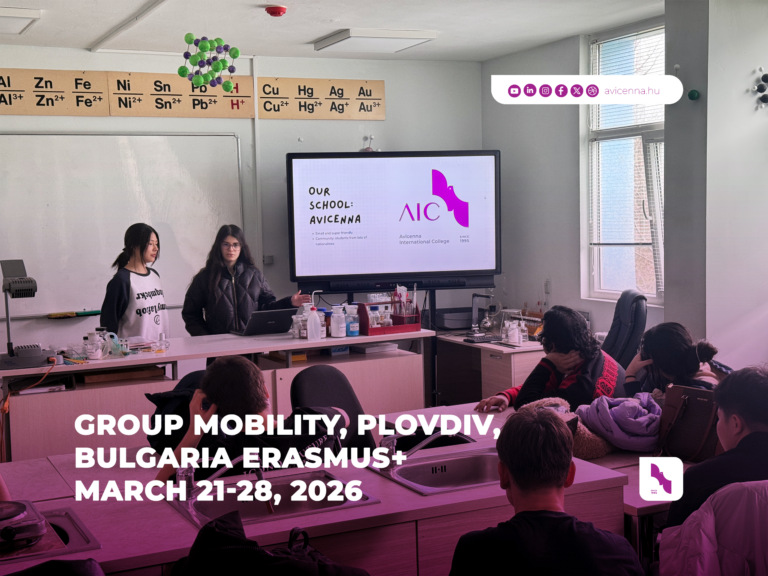
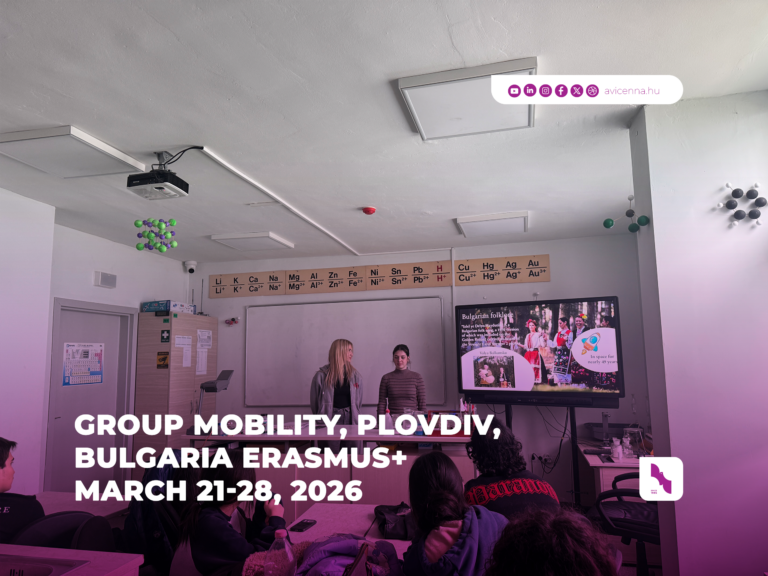
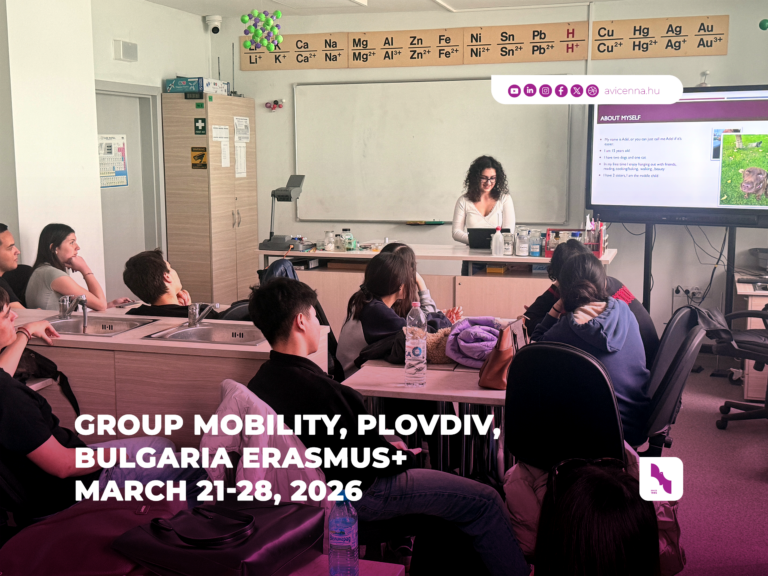
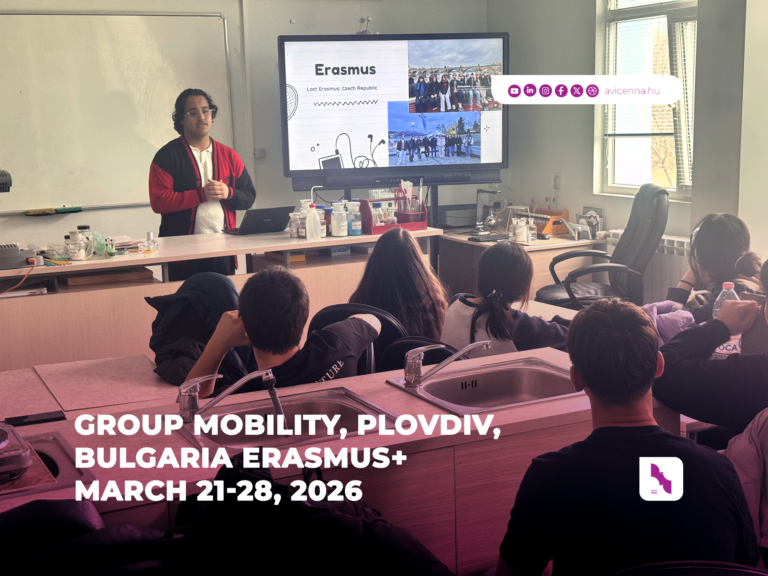
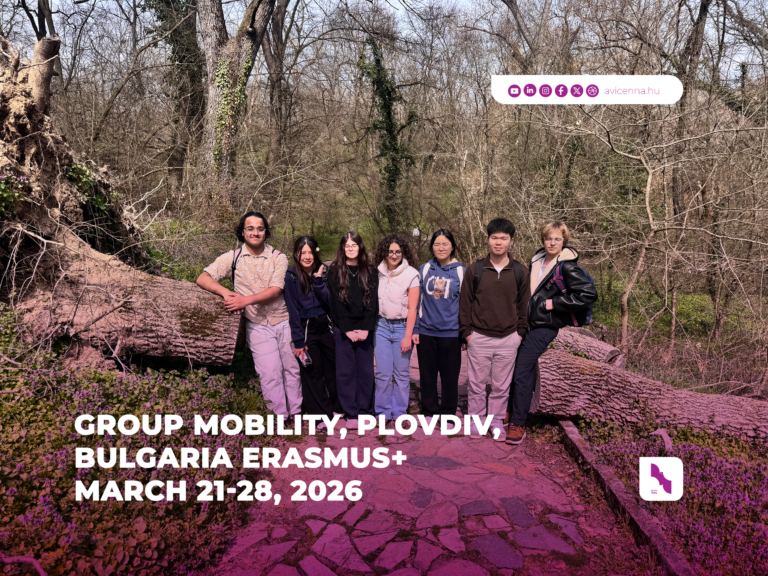
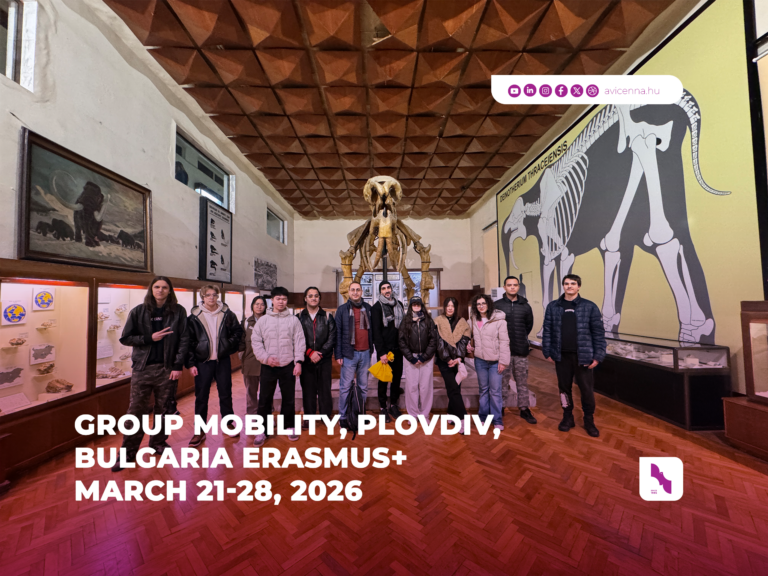
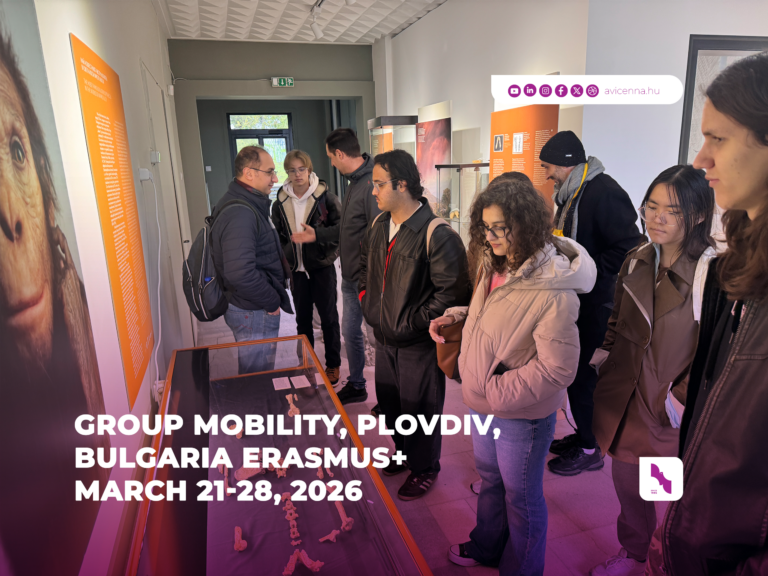
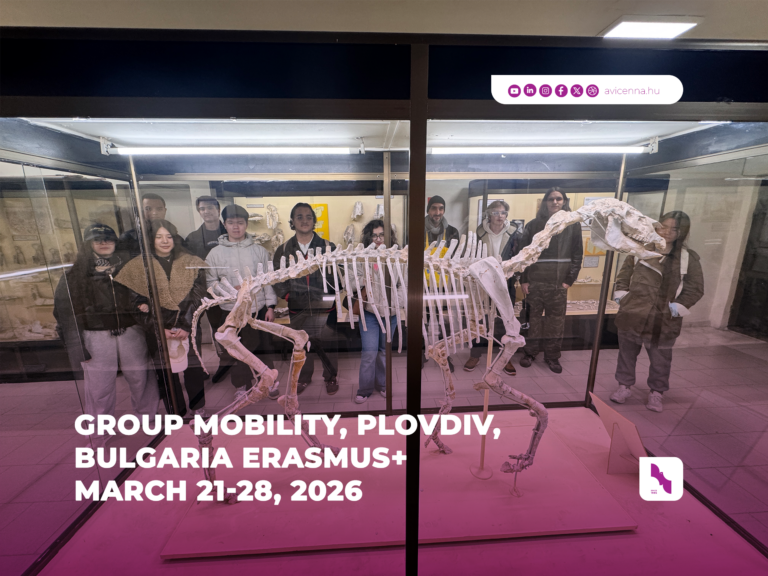
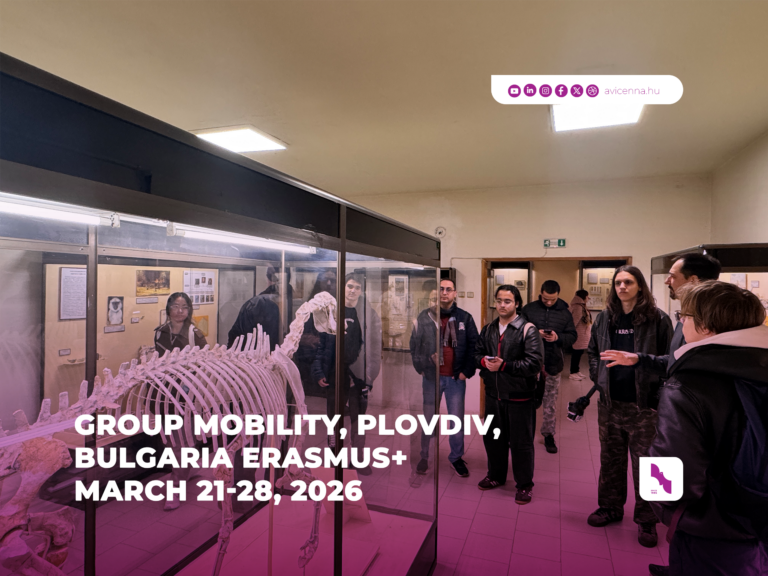
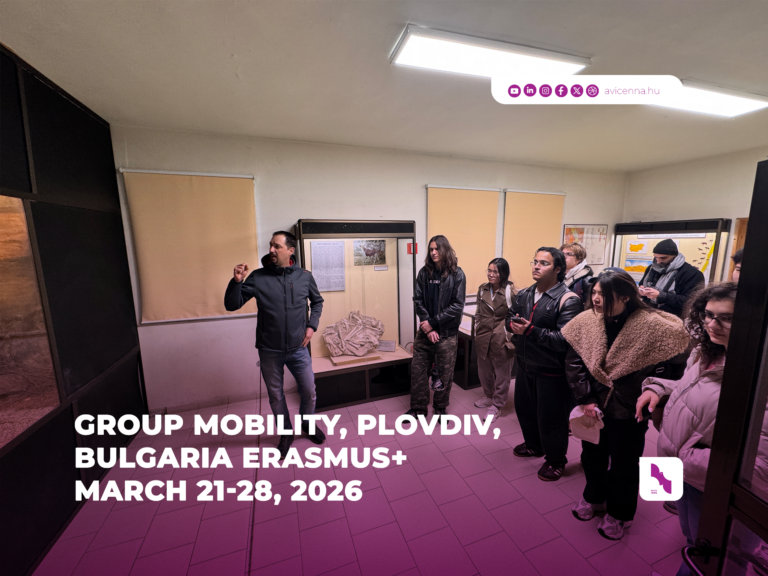
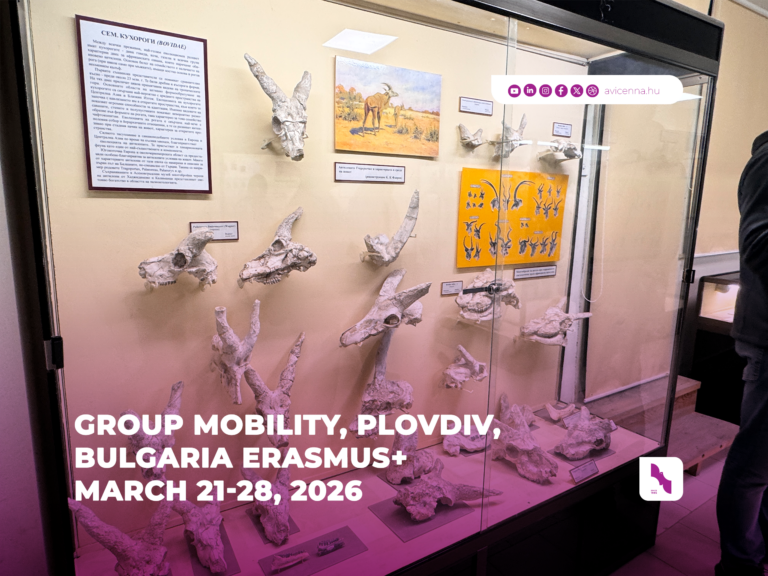
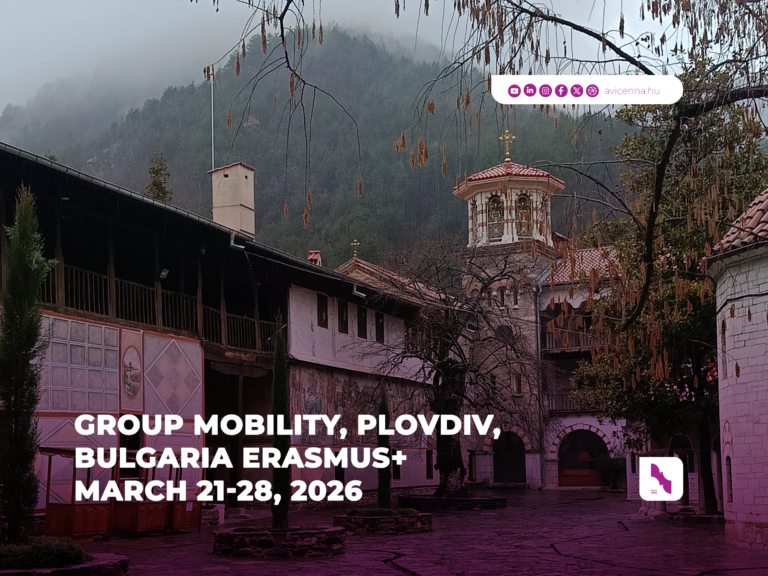
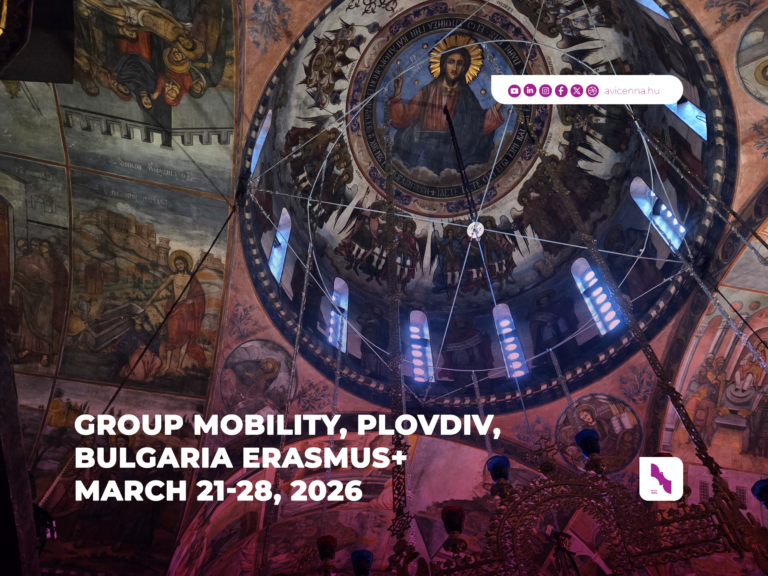
On the following day, a full-day field trip led by Mr. Lulcho Popov, the chemistry teacher, along with nine local students immersed themselves into the heart of Bulgarian nature and faith. The major highlight was exploring the UNESCO-protected biosphere reserve “Red Wall” (Chervenata Stena) to study rare flora to build awareness on sustainability and the importance to preserve our nature with both its biotic and abiotic elements. The reserve is named after a massive, reddish limestone cliff that glows in the sunset. The Red Wall is a paradise for botanists, containing over 640 species of higher plants. It is often called the “Orchid Capital of Bulgaria,” home to about 30 species of orchids, including the rare Lady’s Slipper. You can find the Rhodope Haberlea (Resurrection flower), which is famous for its ability to survive years of total dehydration and “come back to life” when watered. The reserve protects centuries-old forests of black pine, beech, and various oak species. Students then enjoyed a visit to the Museum of Palaeontology which is a branch of the National Museum of Natural History and houses one of the most significant Neogene mammal collections in Europe. The museum’s absolute highlight is the Deinotherium skeleton. This is one of the most complete skeletons of its kind in the world (about 90% original bone). While the original is kept in Sofia for preservation, the full-scale scientific replica in Asenovgrad is breathtaking and occupies a hall the size of a volleyball court. The museum proved that 8 million years ago (the Late Miocene), the region around Plovdiv looked more like the African Serengeti than the Balkans. The collection included over 30,000 fossils from ancient giraffes, rhinos, saber-toothed cats, gazelles, antelopes, hipparions, rare primates and carnivores, etc. A visit to Bachkovo Monastery was next, one of the oldest Eastern Orthodox monasteries in Europe was also enjoyed by the group where students experienced firsthand how locals including some host students performed prayers inside the church along with lighting some candles which was a very appreciated custom in this region. This imprinted the European identity and its meanings and practices on our students seeing their peers in the host country performing naturally and practicing their faith offering spiritual and historical reflections.
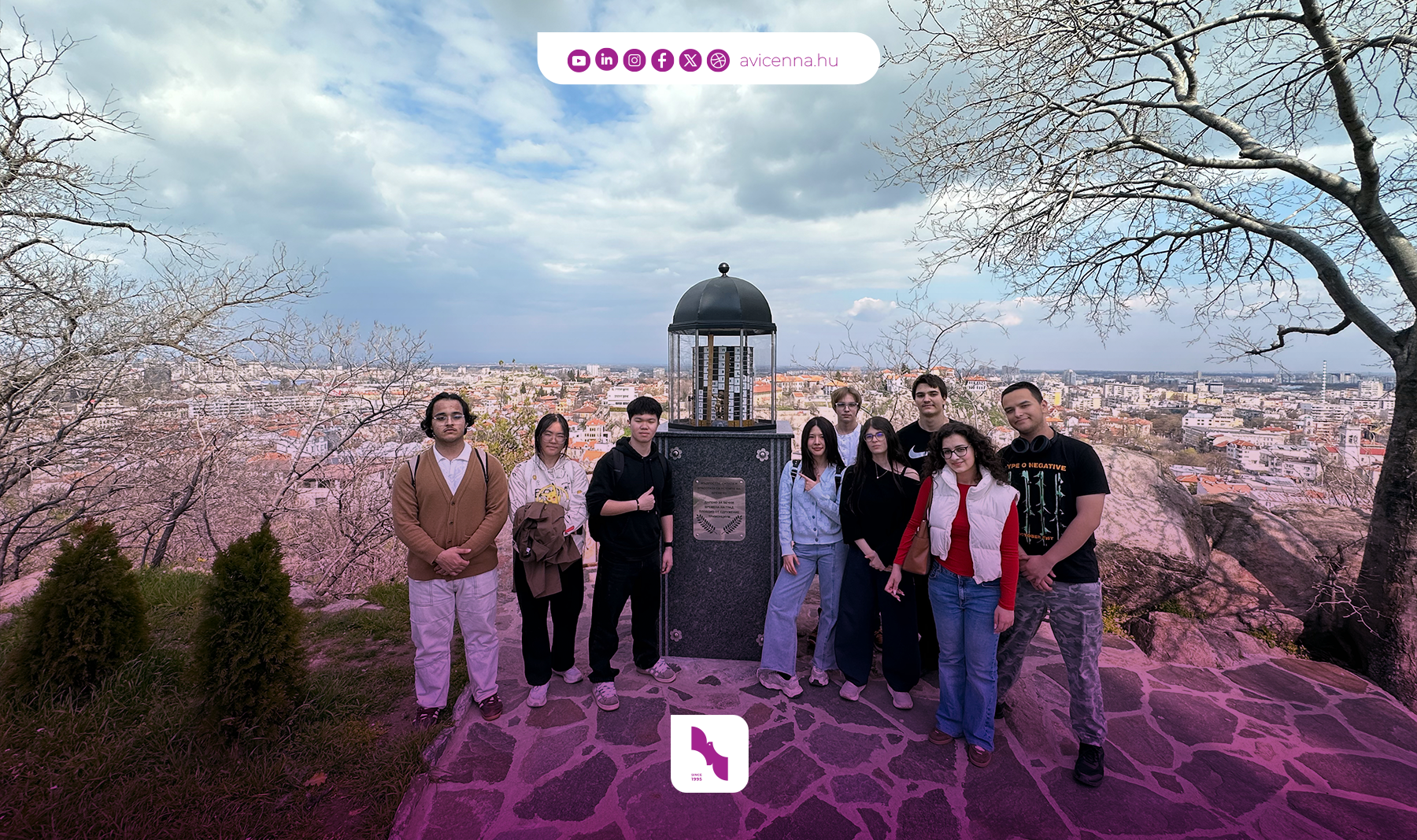
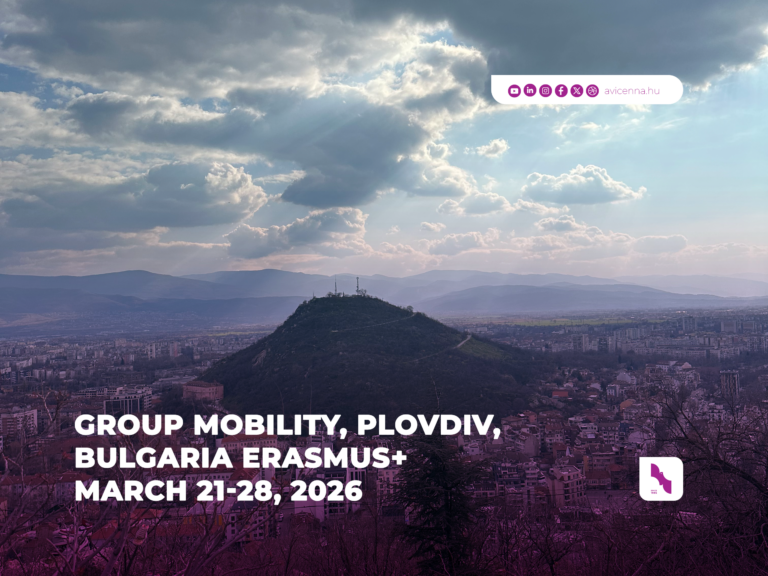
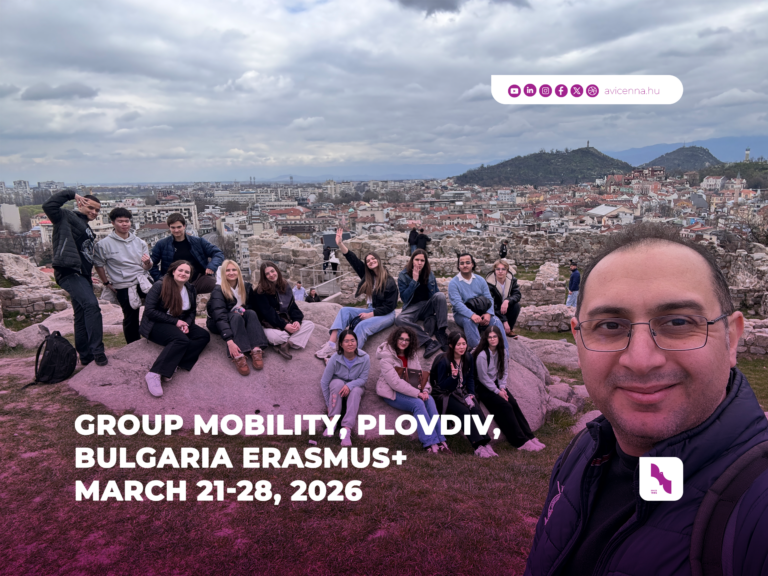
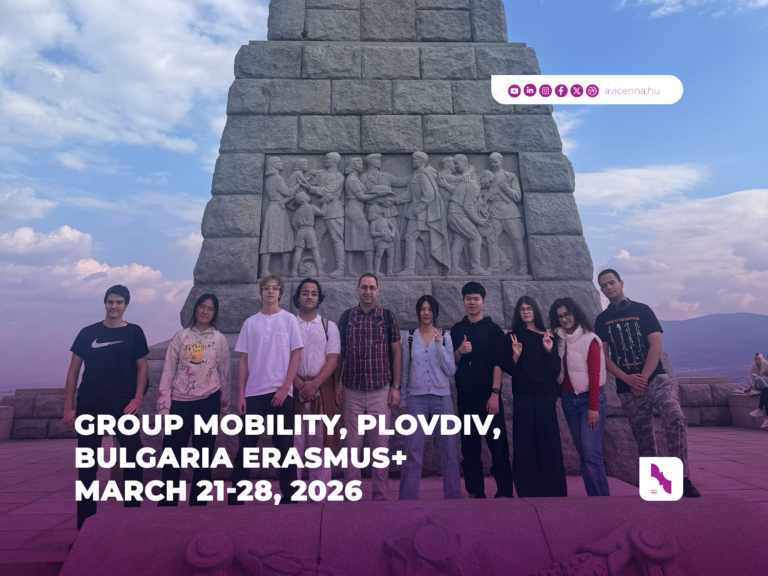
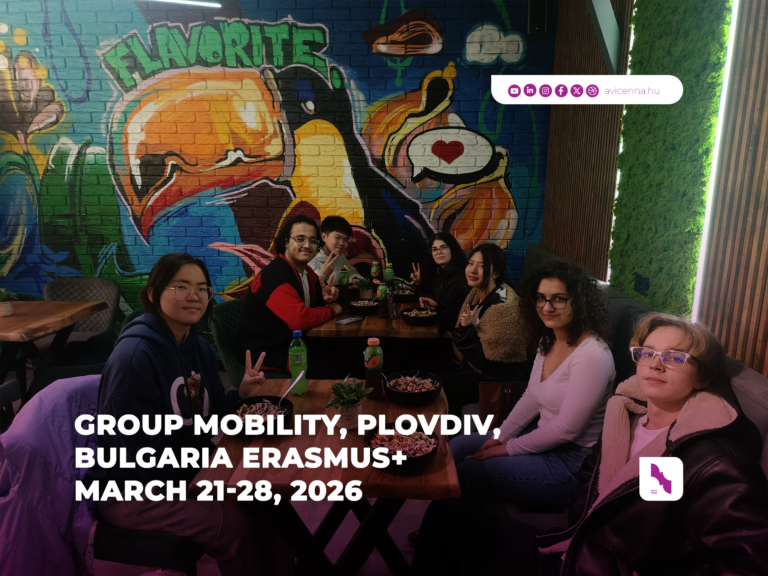
The following morning was dedicated to high-level science STEM Focused lessons Joining 10th and 12th-grades in Chemistry, Physics, and History where students investigated different sampling techniques in chemistry and found out how electricity can work in Physics Lab. The afternoon offered a bird’s-eye view of the city where students accompanied by the local ones took up on a hike up Bunardzhika Hill to the Alyosha Monument for a panoramic sunset which offered a 360-degree panoramic view of the city skyline. An evening dinner was also enjoyed at Mall Markovo Tepe with the local students to have a complete social time.
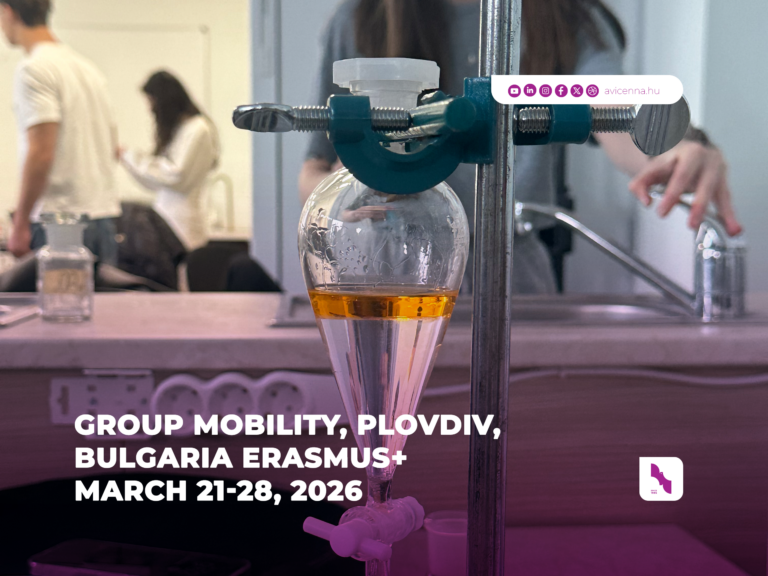
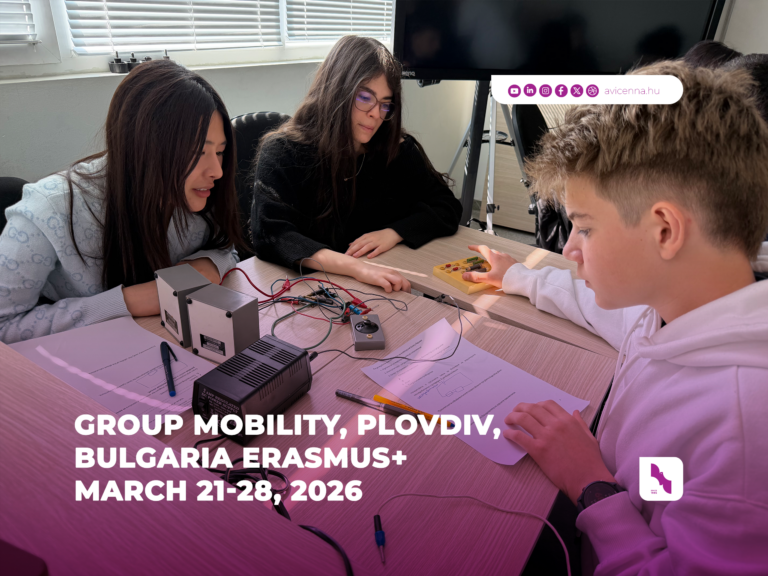
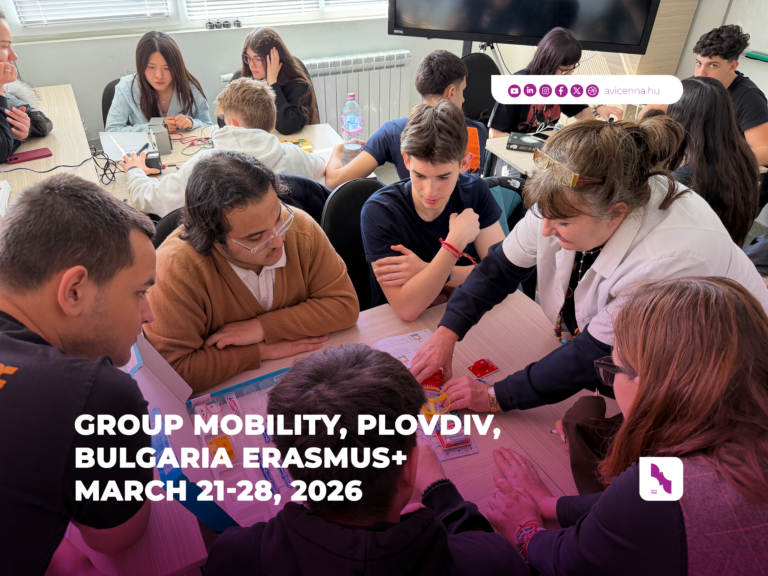
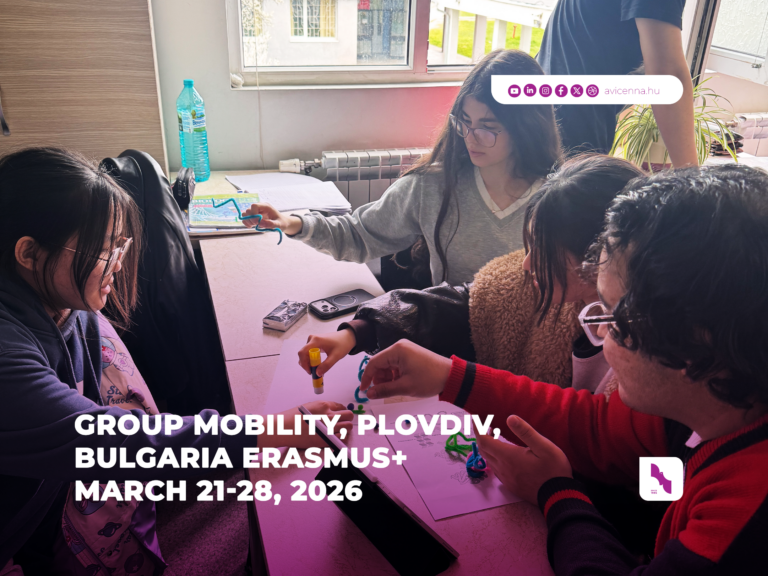
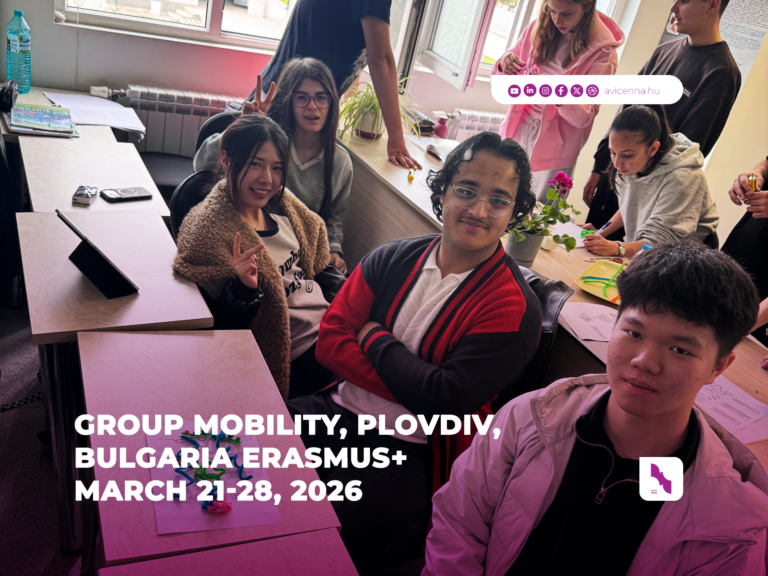
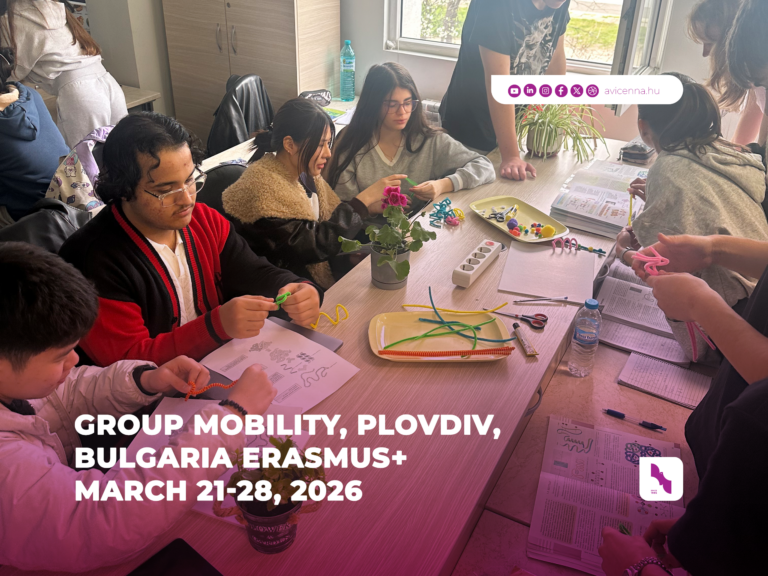
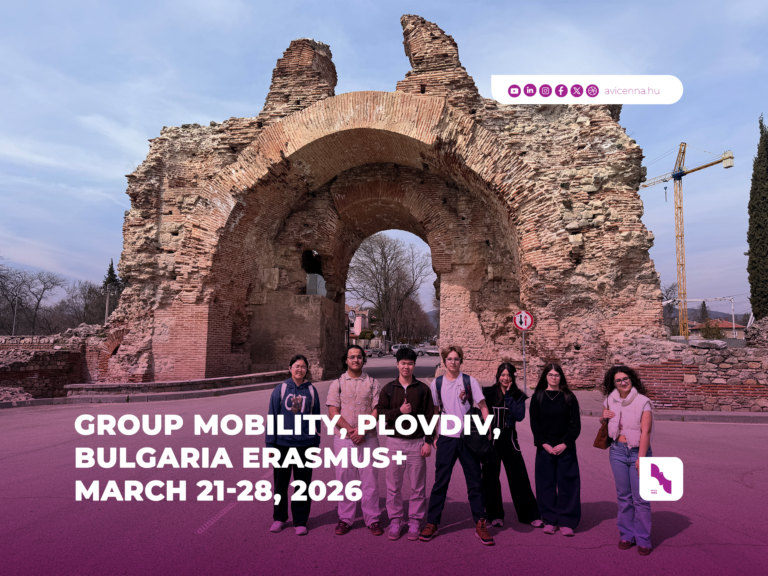
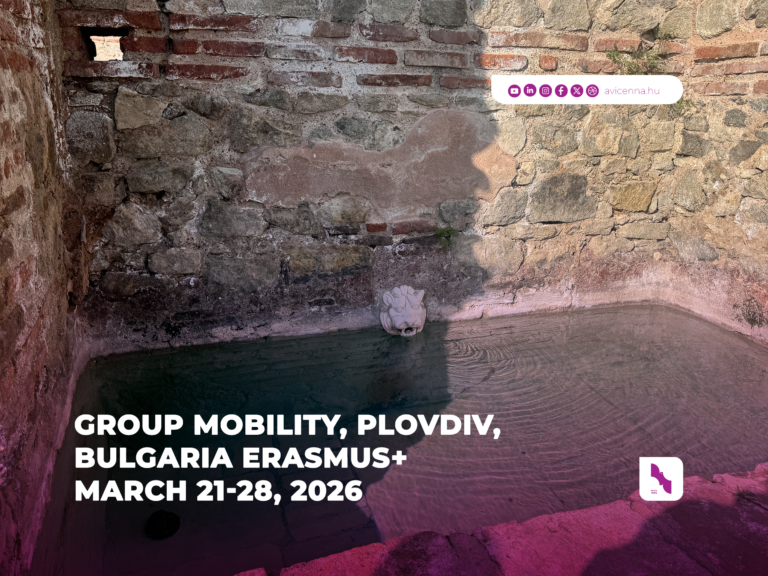
The focus shifts to the Roman roots of Southeastern Europe on the next day, but before that students had collaborative morning Chemistry and Physics lessons focused on peer-to-peer work in the school’s highly equipped STEM lab. The day’s highlight was the visit to the Roman Ruins where an educational trip to Hisarya, known in Roman times as Diocletianopolis which was one of the most important spa resorts in the entire Roman Empire, was organized along with local students to see some of the best-preserved Roman fortress walls and baths in the world, these are among the best-preserved Roman walls in Europe. They form a massive quadrilateral, over 2.3 km long, and in some places, they still stand up to 11 meters high. This archaeological trip to explore massive Roman fortress walls brought the history of Southeastern Europe to life. Founded by Emperor Diocletian in 293 AD, the town was built specifically to harness the healing powers of its thermal springs.
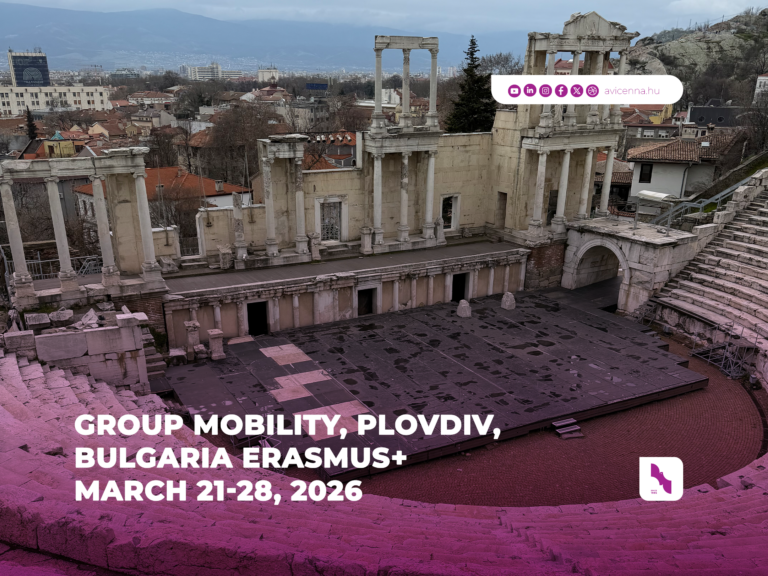
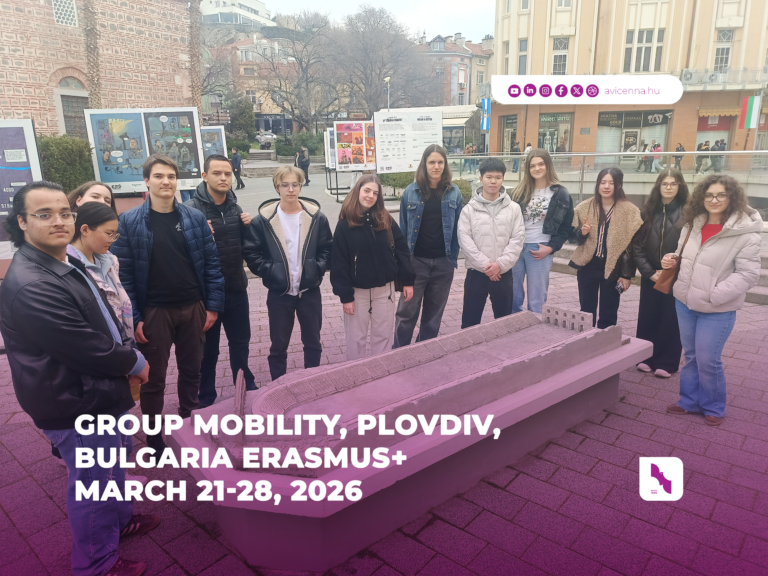
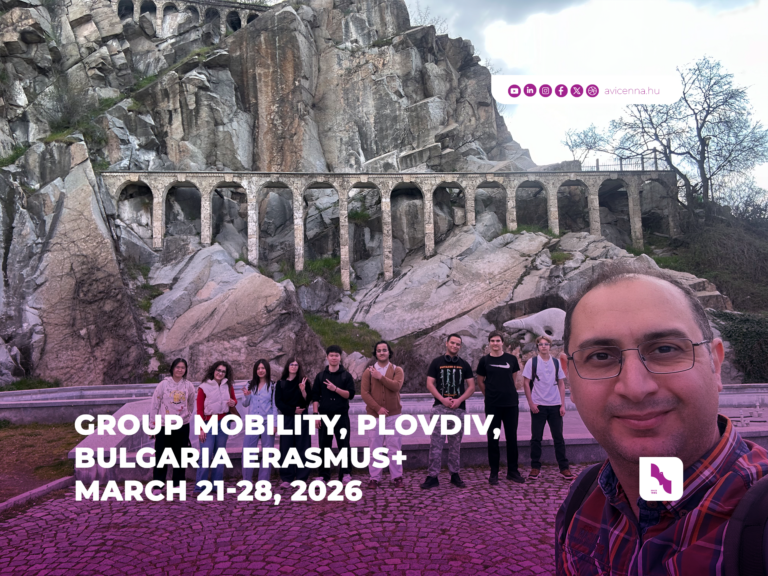
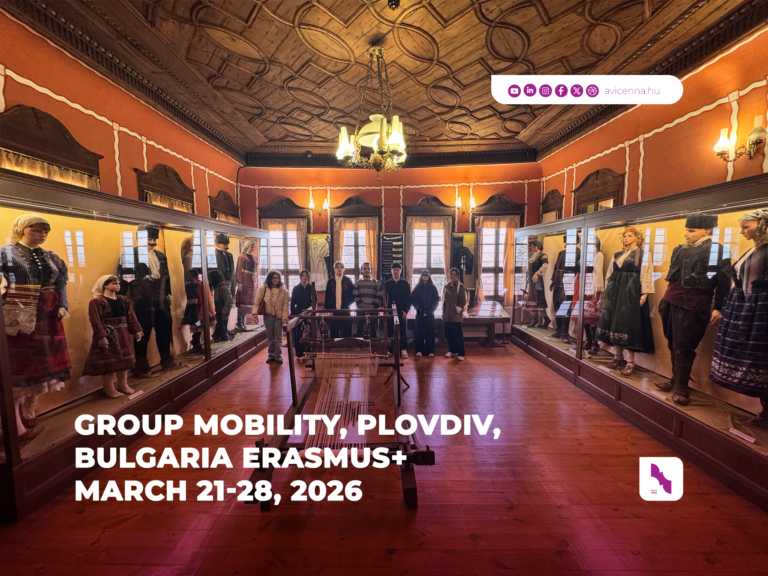
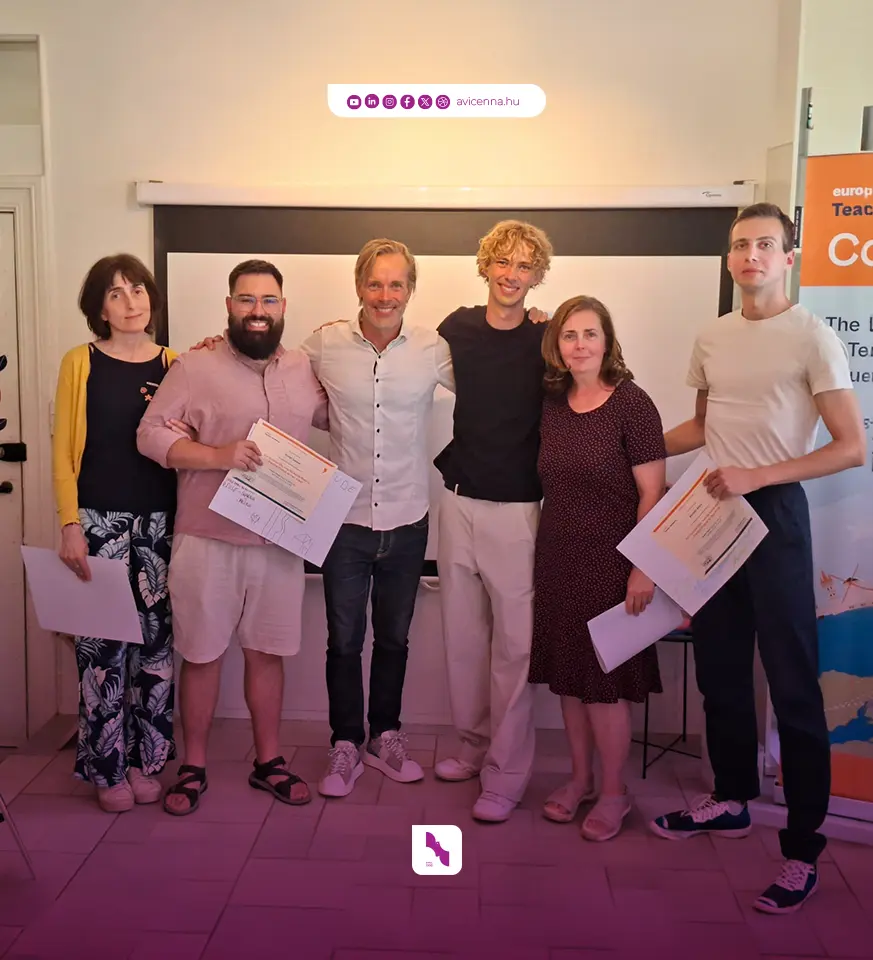
The final day is a celebration of the week’s achievements. After their Biology and Chemistry, there was a surprise Bulgarian Folklore dance performed by professional dancer students and then joined by everyone present at the venue during the PE lesson. This was the best highlight in the whole week for students to share their culture through dancing together the Bulgarian Horo. It is much more than just a dance; it is a vital social ritual that has connected Bulgarians for centuries. The week concluded on Friday with an Official Certification Ceremony, recognizing the students’ participation and the bonds formed between the two institutions. An official ceremony was organized by the Principal and the local students to validate the students’ learning where the principal gave a speech describing the importance of Erasmus in bringing youths together from different parts of Europe to exchange their academic and cultural heritages. In the afternoon, a final cultural visit to the Regional Ethnographic Museum, housed in a stunning 19th-century Baroque building, was enjoyed by the students to have a chance to explore and see how life looked like in that region in the18th and 19th centuries, highlighting the transition from rural to urban life. The building itself is a highlight, featuring a unique wavy facade and a lavishly decorated interior with wood-carved ceilings and ornate wall paintings. The museum boasts over 40,000 exhibits, including traditional costumes, folk musical instruments, artisanal jewelry, and agricultural tools.
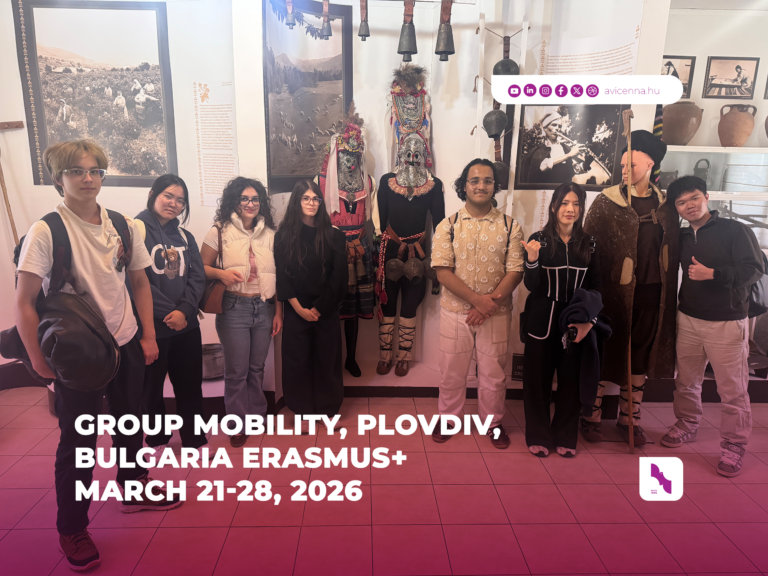
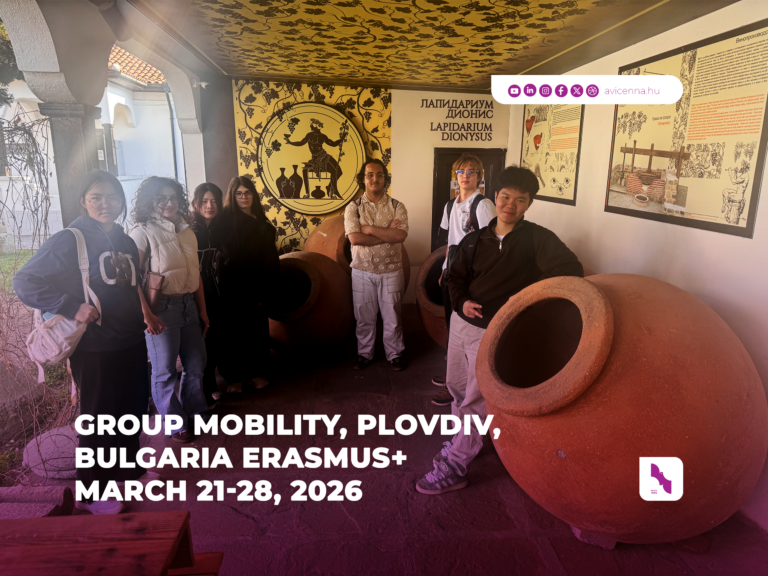
Finally, the group spent their final morning in Plovdiv grabbing souvenirs, reminders of a week where borders faded and friendships grew.
Written by: Harout Parseghian
3rd April 2026
This mobility is funded by the Erasmus+ Programme, fostering education, training, and youth development across Europe.


It was a pleasure to meet you all!