

Written by: Ágota Apágyi
Between 20–24 May 2026, I had the opportunity to participate in an Erasmus+ Job Shadowing programme at Staffelsee Gymnasium in Murnau, Germany. The main aim of the programme was to gain insight into the German secondary education system, particularly its teaching methods, digital education, and student-centred learning approaches.
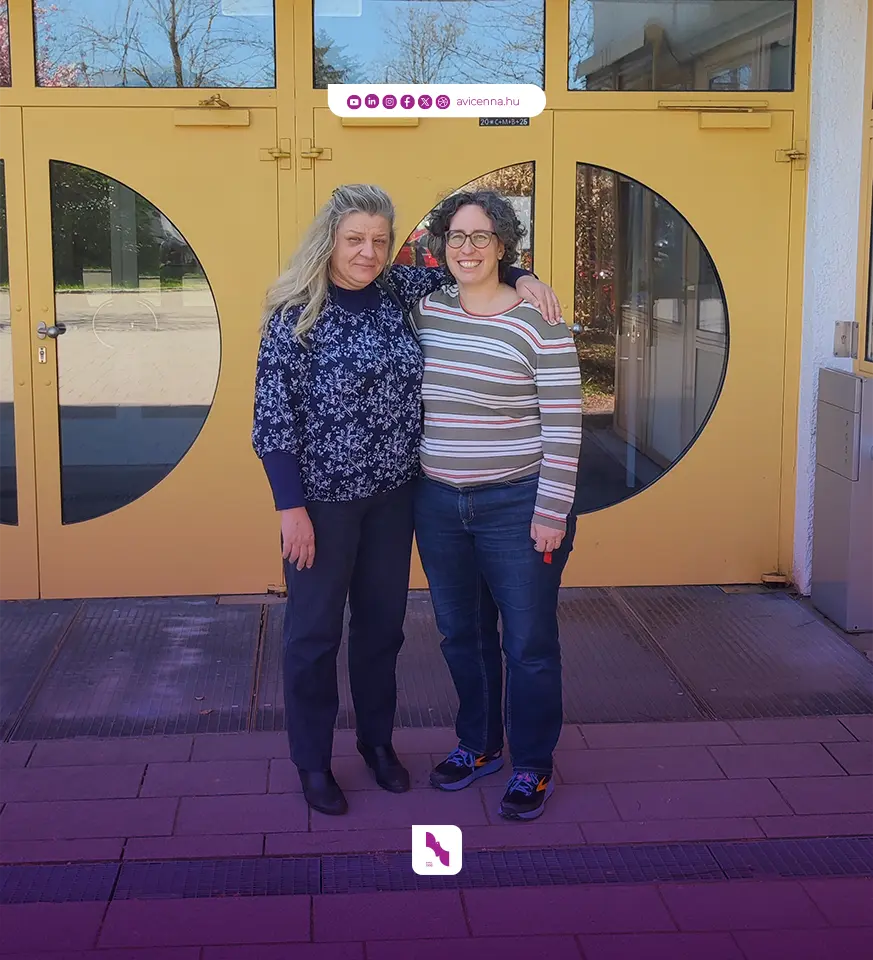
From the very beginning, I experienced a welcoming and supportive atmosphere at the host institution. The teachers and staff members were friendly and helpful, making it easy for me to become part of the school community during my stay.
The choice of Staffelsee Gymnasium was intentional because the institution has an excellent reputation for its innovative educational approach and strong focus on developing students’ independence, creativity, and digital competences. I believed that the experience gained there would support my professional development and provide practical ideas that I could later integrate into my own teaching practice.
Classroom Observations and Teaching Methods
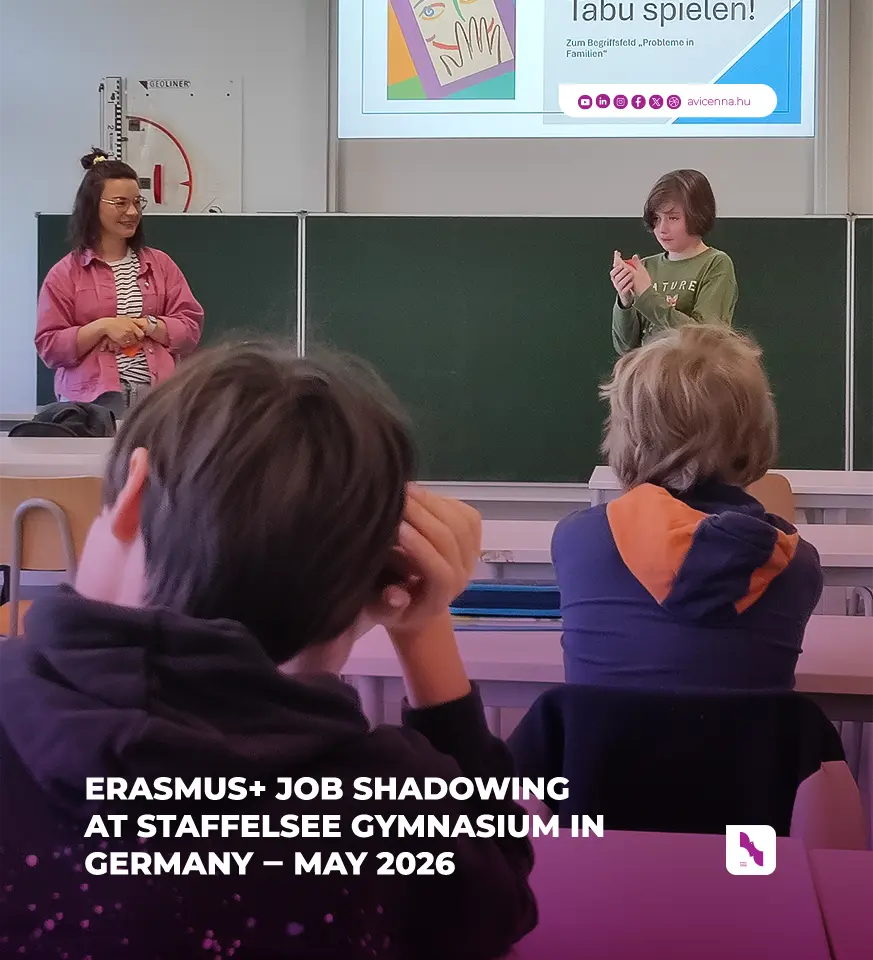
During the job shadowing programme, I observed lessons in several subjects, including English, German, and Ethics.
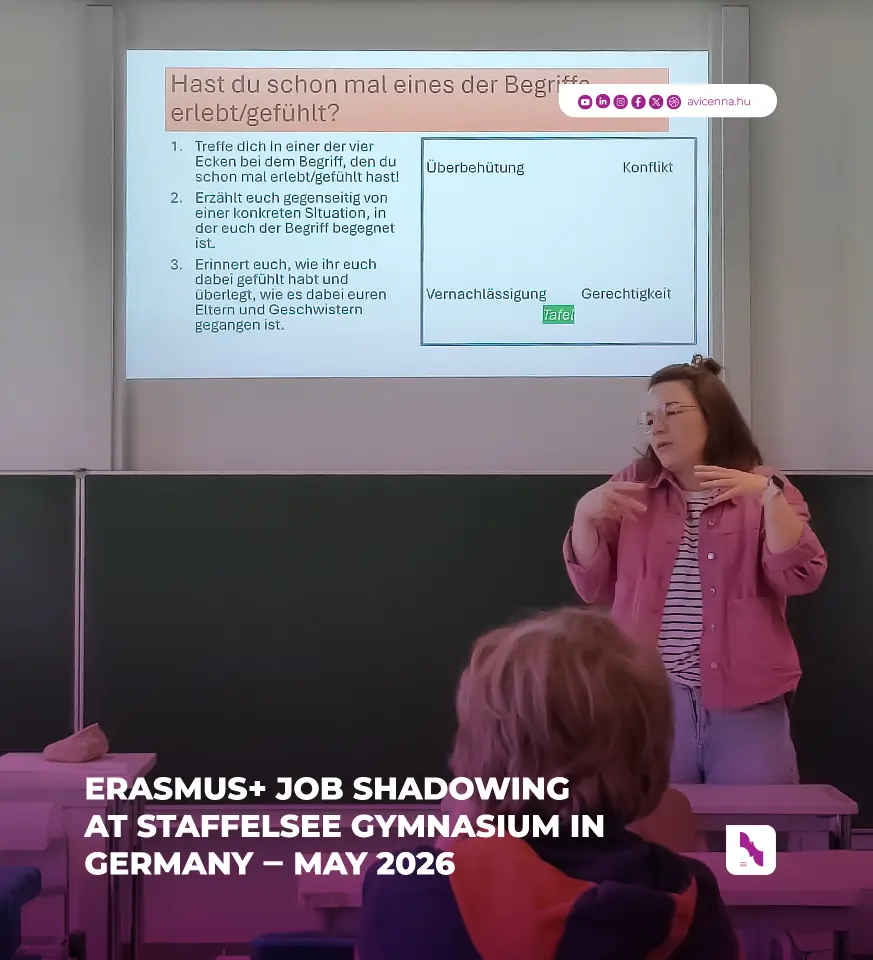
One of the most interesting aspects was seeing how naturally digital tools were integrated into everyday teaching. Teachers regularly used interactive whiteboards, online learning platforms, digital presentations, and collaborative learning applications. Students worked confidently with these technologies and appeared highly engaged throughout the lessons.
The classroom atmosphere was particularly inspiring. Teachers encouraged students to ask questions, express their opinions, and actively participate in discussions. Independent thinking and critical reflection were consistently promoted alongside subject knowledge.
I also observed project-based learning and cooperative group activities, where students collaborated to solve problems and present their ideas.
Professional Discussions with Teachers
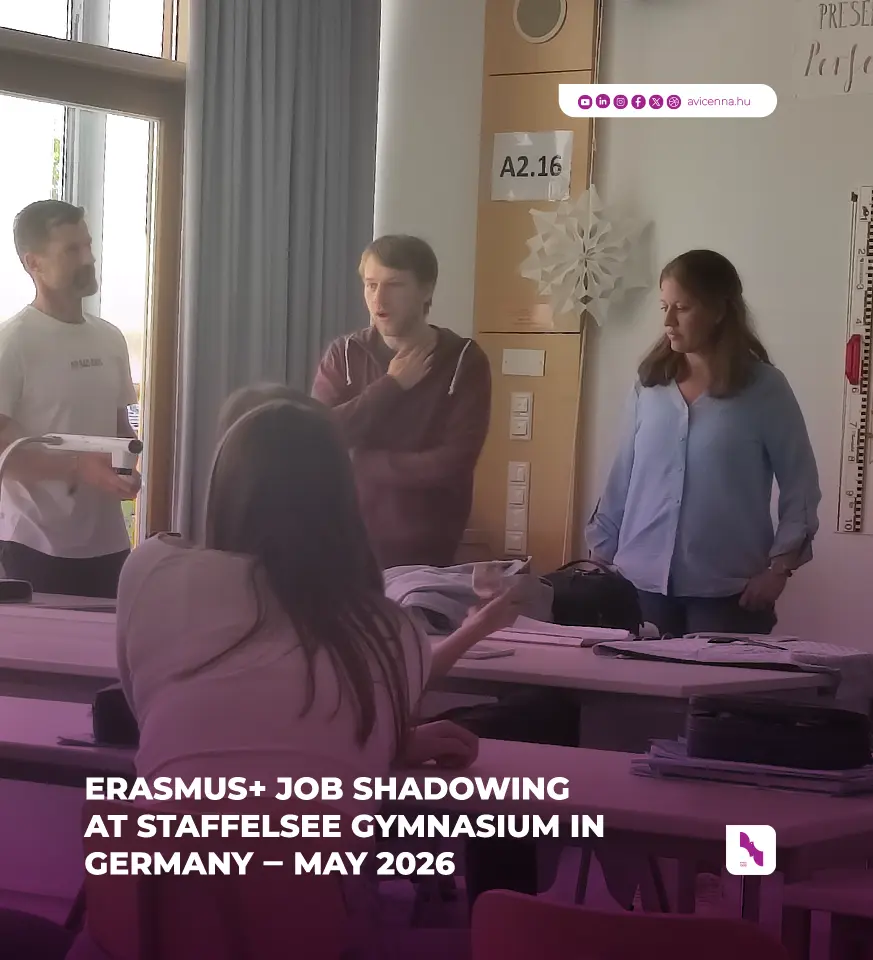
In addition to classroom observations, I participated in professional discussions with teachers from the school.
We exchanged ideas about the German and Hungarian education systems, teacher workload, student motivation, and future educational challenges. These conversations provided valuable practical insights into everyday life in a German secondary school and offered many useful ideas for creating more engaging and interactive lessons.
Differentiated Instruction and Inclusive Education
One of the most valuable professional experiences was observing differentiated instruction in practice.
Teachers regularly adapted learning tasks to students’ individual abilities and learning pace. This approach strongly resonated with my own educational philosophy that every student should have opportunities to experience success while maintaining motivation.
During the programme, I also paid close attention to how the school supported students with different learning needs and abilities. Teachers created an inclusive and supportive learning environment where students felt comfortable participating. I observed several interactive and experience-based activities that developed communication and cooperation skills, inspiring me to incorporate similar methods into my own classroom practice.
Digital Learning Environment
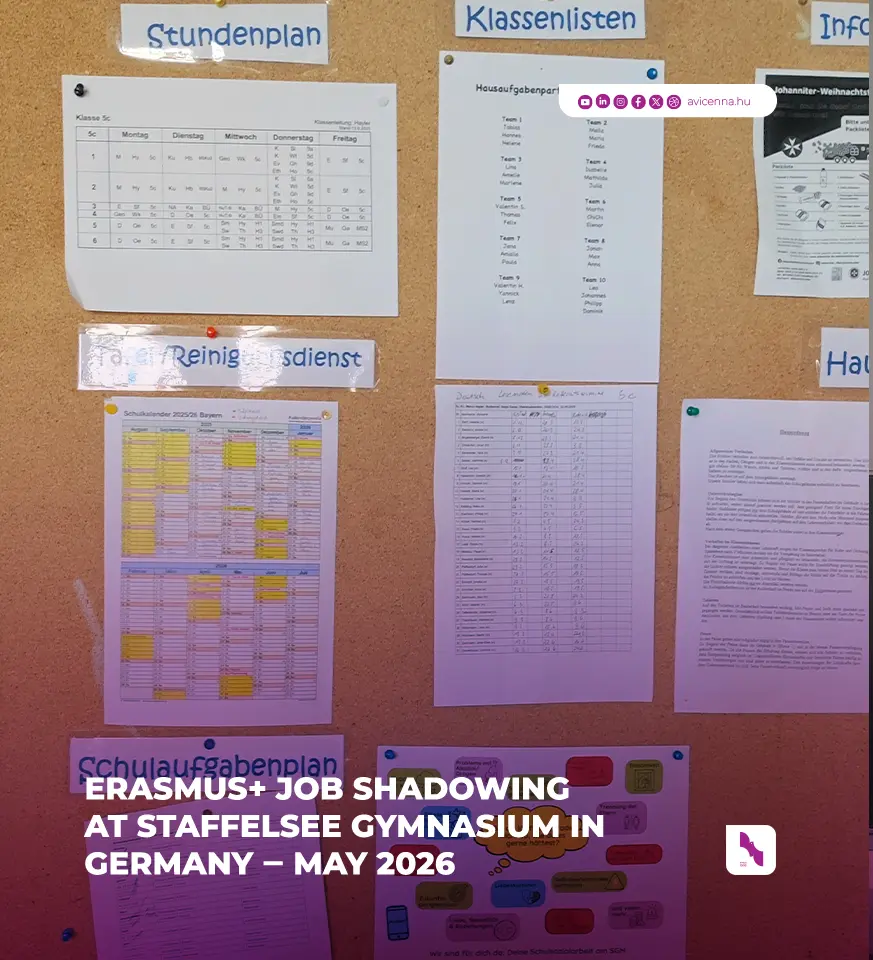
The school building was modern, clean, and well-equipped. There were several community spaces where students could study, collaborate, or relax during breaks.
The overall organisation of the school created a calm and productive learning environment that supported both students and teachers.
Sustainability in Everyday School Life
Another aspect that impressed me was the school’s strong commitment to sustainability and environmental awareness.
Selective waste collection points were available throughout the building, and students were encouraged to take responsibility for their environment. Sustainability was also integrated into classroom teaching, particularly in science lessons, making environmental awareness a natural part of everyday school life rather than a separate topic.
Cultural and Language Experience
Beyond the professional activities, the programme also offered valuable cultural experiences.
Murnau is a beautiful Bavarian town located near Lake Staffelsee and the Alps. Its peaceful atmosphere, stunning natural surroundings, and local culture left a lasting impression on me.
During my stay, I learned more about local traditions, everyday life in Germany, and community programmes organised by the school. My colleagues shared interesting stories about regional customs and educational traditions.
The job shadowing programme also benefited my language development. Throughout both professional and informal conversations, I regularly communicated in German, which strengthened my confidence and improved my practical communication skills.
The Value of International Cooperation
By the end of the programme, I became even more convinced that international cooperation plays an important role in teachers’ professional development.
Job shadowing programmes provide opportunities not only to discover innovative teaching methods but also to experience different educational cultures and perspectives. They also help establish valuable professional relationships that can lead to future international collaboration.
Personal and Professional Development
The job shadowing programme contributed significantly to both my professional and personal growth.
I learned to communicate more openly, adapt more confidently to new situations, and build professional relationships with colleagues from another country. Through our discussions and shared experiences, I realised that teachers working in different educational systems often face similar challenges while pursuing common educational goals.
At the end of the programme, I reflected on my experiences together with the teachers at the host institution. We discussed the teaching methods I found particularly effective and explored how these ideas could be adapted and implemented in my own teaching practice after returning home. The teachers also showed genuine interest in the Hungarian education system, making the exchange of experiences mutually beneficial and professionally enriching.
Conclusion
Overall, the five days spent at Staffelsee Gymnasium were extremely valuable and inspiring, both professionally and personally.
I gained numerous practical ideas and experiences that I intend to incorporate into my future teaching practice. The job shadowing programme strengthened my motivation, broadened my professional perspective, and reinforced the importance of openness to innovative teaching methods, cultural exchange, and international cooperation.
I am sincerely grateful for the opportunity to participate in this job shadowing programme, and I hope to take part in similar professional exchanges again in the future.