

Erasmus+ Job Shadowing in Cluj-Napoca: One Week of Inspiring Teaching Practice
Translate By: AIC Editorial Team
Written By Réka Katona
Teacher of Hungarian Language and Literature, Art History, and Hungarian as a Foreign Language
(Avicenna International College, Budapest)
27th February 2026
Introduction
Spending one week in Cluj-Napoca within the framework of an Erasmus+ job shadowing programme offered a highly enriching professional experience. The opportunity to observe teaching in a minority Hungarian educational context provided valuable insights into pedagogy, school culture, and the role of values in education.

The Host Institution
The job shadowing took place at the János Zsigmond Unitarian College, a church-maintained secondary school located in the city centre of Cluj-Napoca.
From the very first day, I was welcomed by the school chaplain, who guided me through the institution and supported my integration into school life. Beyond organisational roles, the chaplain also contributes to students’ and teachers’ emotional and mental well-being, playing an important community-building role within the school.
A Values-Based Educational Environment
Spirituality is a defining element of the school’s identity. Elements of theology and a pedagogy of care are present across subjects and daily routines. This value-oriented approach is particularly visible in literature lessons, where texts are interpreted not only analytically but also through ethical and human perspectives.
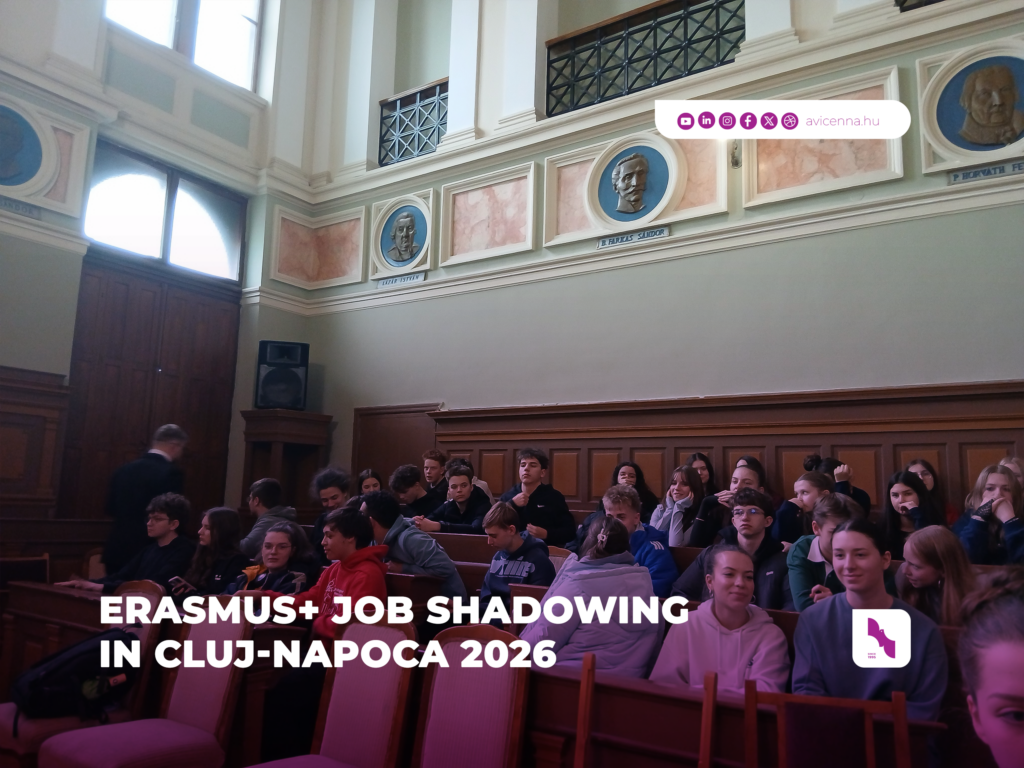
The school offers a wide range of facilities, including a courtyard, a combined canteen and cafeteria, a natural sciences museum, a large theatre hall, and a chapel used for weekly devotions.
Educational Structure and Programmes
Alongside science-oriented classes, the school offers both a theological track and a pedagogical programme. In the latter, students begin teacher training from the age of 14 and receive a qualification upon graduation that enables them to work in primary education even before university studies.
The curriculum also includes practical subjects such as communication skills and handwriting, supporting early professional development.
Observing Literature Lessons
During my job shadowing week, I followed the work of an experienced Hungarian language and literature teacher.
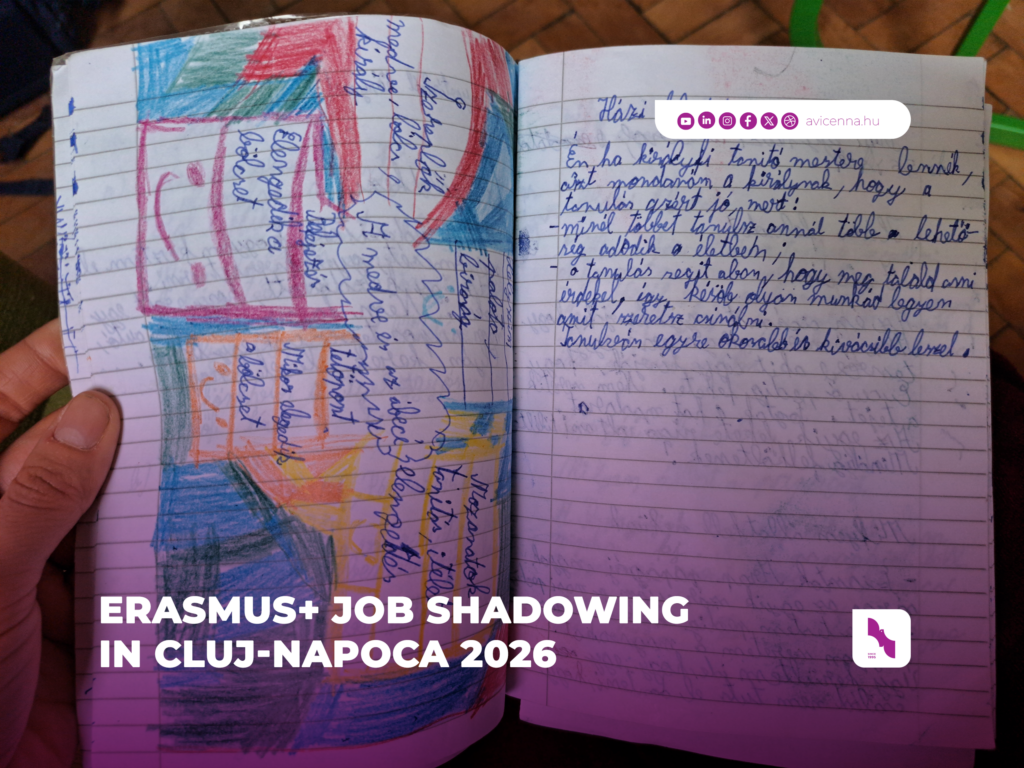
Literature education in Romania differs significantly from the Hungarian system. Students work with 50 thematic topics from Grade 5 onwards, covering areas such as identity, relationships, moral dilemmas, and social issues.
A key feature of this system is student autonomy: learners choose how they interpret and present each topic. This approach encourages independent thinking and deep engagement with literary texts.
Teaching Methods in Practice
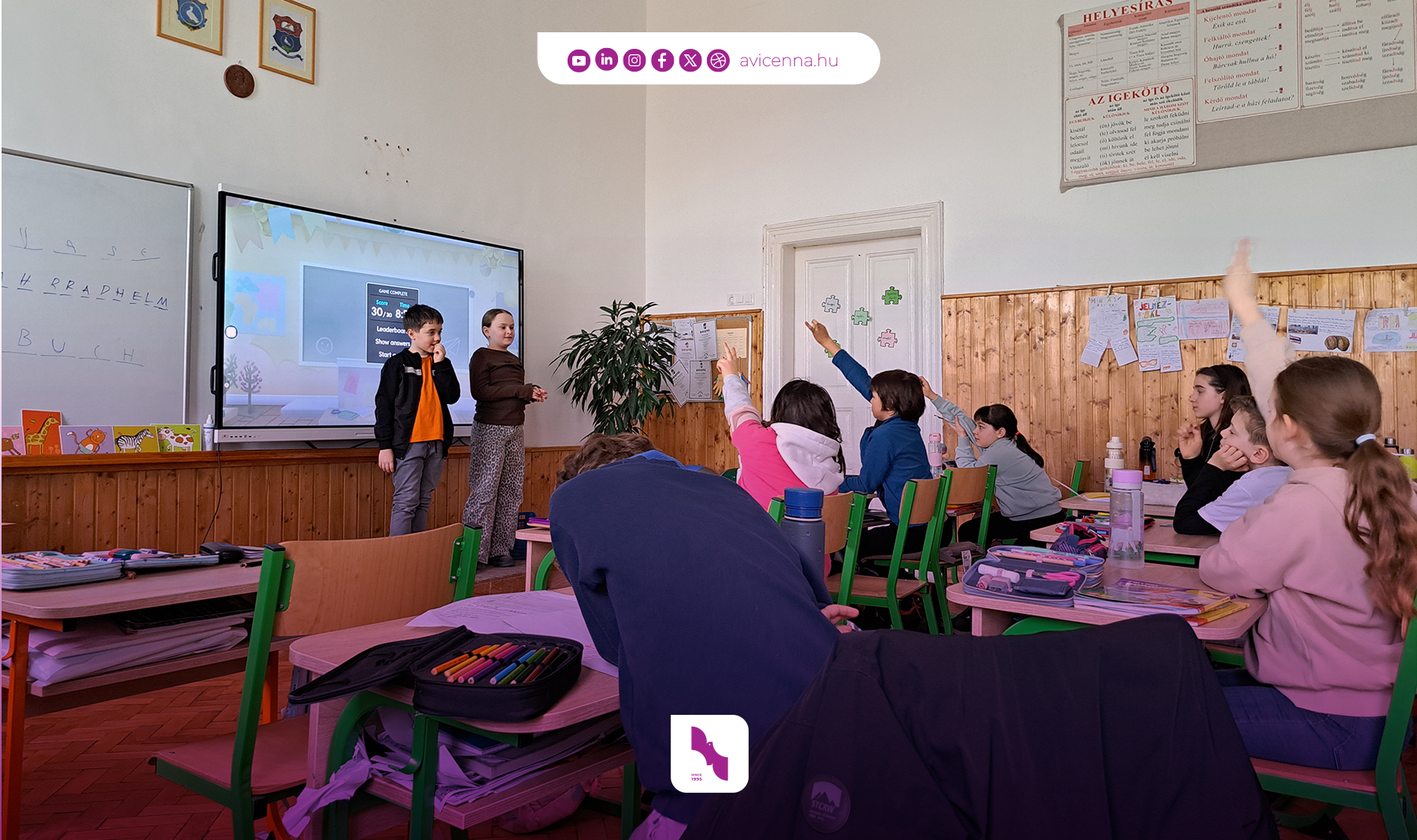
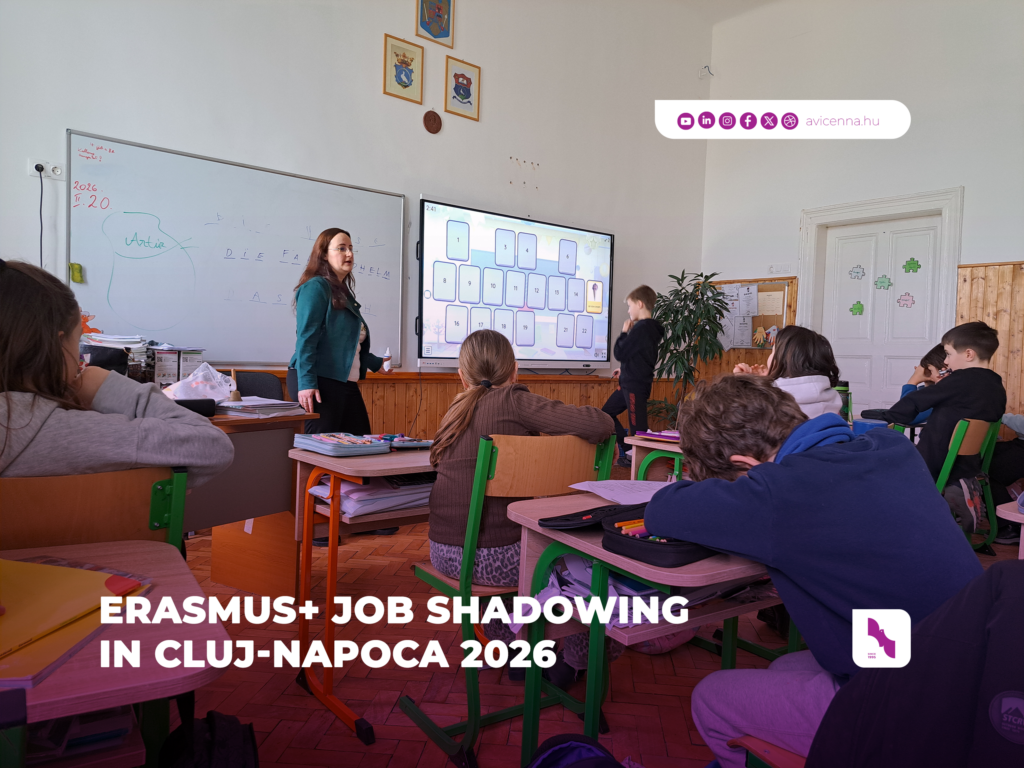
The lessons were mainly based on guided teacher-led discussion, supported by structured questioning. Students regularly worked with printed texts, which were read aloud and analysed together according to exam-oriented criteria.
In some cases, students also worked in small groups on creative tasks, such as short film production based on literary works.
The teacher consistently applied the RJR model (Engagement – Meaning-making – Reflection), which contributed to a calm, focused, and structured learning environment.
A Highly Successful Teaching Practice
The observed teacher has 25 years of professional experience and achieves outstanding results, with over 90% success rates in final examinations.
Many of her students publish in literary journals, while others pursue careers in literature, writing, or the arts. The teaching approach clearly supports both academic success and creative development.
Best Practice: Slam Poetry Competition
One of the most memorable experiences during the job shadowing week was a slam poetry competition organised by English teachers, involving three secondary schools.
Around 30 students performed their own creative texts on the school stage. Their level of English proficiency and creativity was highly impressive.
A mixed jury consisting of students and external teachers evaluated the performances based on both linguistic and poetic criteria. The event concluded with awards for the best performances, and a publication of selected student works was also prepared afterwards.
Additional Classroom Practice: Creative Literature Teaching
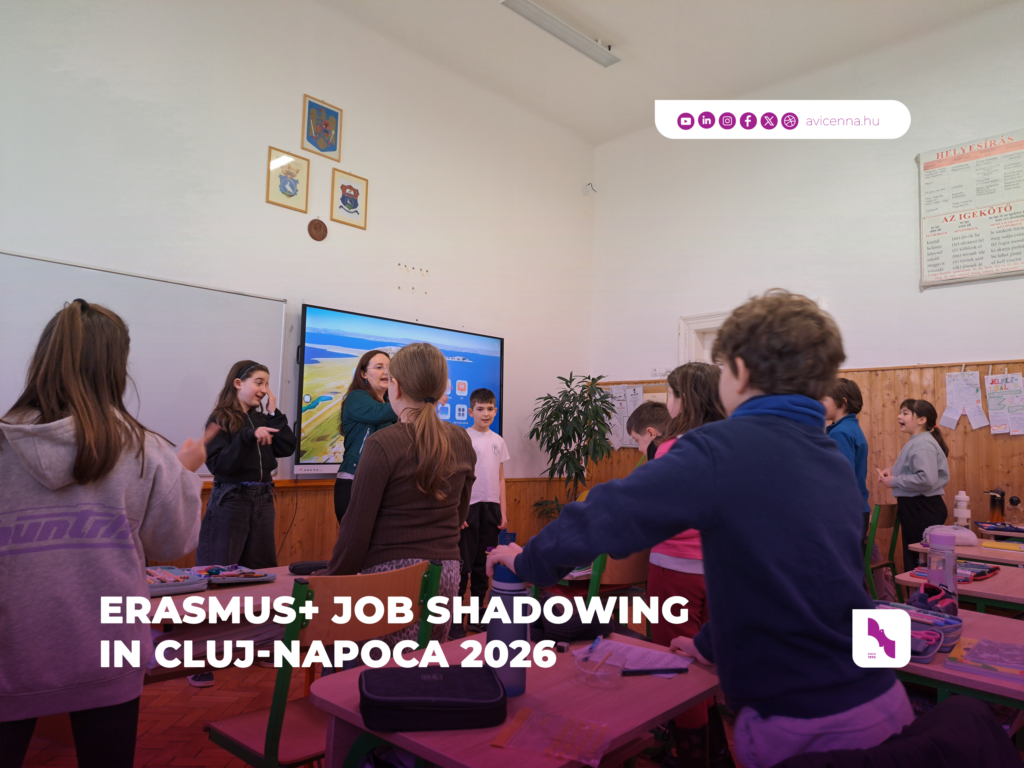
Another notable practice was observed in Grade 5 literature lessons. Teachers began each lesson with contextual, real-life examples to engage students.
Reading was followed by guided discussion and open-ended questioning. At times, students were encouraged to imagine alternative endings to stories, fostering creativity and critical thinking.
These lessons play a crucial role in developing students’ long-term interpretative and expressive skills.
Weekly Devotion and School Community Life
Each week concludes with a 15-minute school-wide devotion led by the chaplain. Students gather to reflect on the week through a biblical text, followed by singing and prayer.
This shared ritual strengthens the sense of community within the school and highlights the role of spiritual values in education.
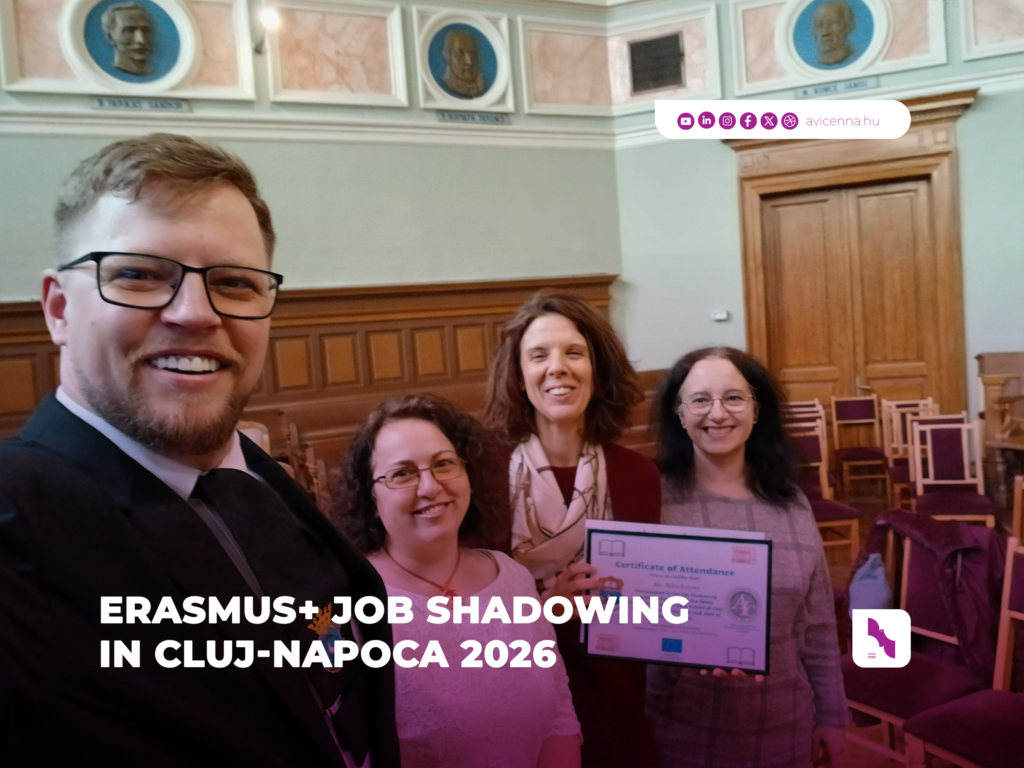
My certificate of participation was also presented in front of the entire school community, which was a meaningful and memorable moment.
School Overview
The institution has more than 800 students across kindergarten, primary, and secondary levels, and over 70 teachers. It offers professional development opportunities and participates in European School Network programmes.
Approximately 90% of graduating students gain international experience through Erasmus+ or ESN mobility programmes. The school operates with a structured and secure system, including controlled access and supervision.
Cultural Experience in Cluj-Napoca
During the week, I also took part in cultural activities, including a visit to the Házsongárd Cemetery, an important site in Hungarian literary history.
I also visited St. Michael’s Church, the birthplace of King Matthias, and experienced the vibrant cultural life of the city centre. A documentary film on Mór Jókai in Transylvania further enriched the experience.
Conclusion
The Erasmus+ job shadowing experience in Cluj-Napoca provided not only professional inspiration but also a deeper understanding of how education, values, and community can work together in a unique and effective way.
Translate By: AIC Editorial Team
Written By Réka Katona
Teacher of Hungarian Language and Literature, Art History, and Hungarian as a Foreign Language
(Avicenna International College, Budapest)
27th February 2026
Look for more erasmus stories here.