

Written by Igor Jose Ubeda Montenergo
From 30 March to 4 April 2026, I participated in a professional training course titled “SEL in the Digital Age: Leveraging AI for Student Well-being and Success” in Valencia, Spain, within the framework of Erasmus+ mobility for teachers.
Being an instructor at such a diverse institution as Avicenna International College comes with its own set of challenges, including how to meet not only students’ academic expectations but also their emotional and cultural needs. Through this mobility experience, I was able to explore how Social-Emotional Learning (SEL) can provide tools to make students’ learning experiences more effective while supporting their emotional well-being as they navigate adolescence and, in many cases, the challenges of adapting to life as an international student.
Exploring Valencia Before the Training
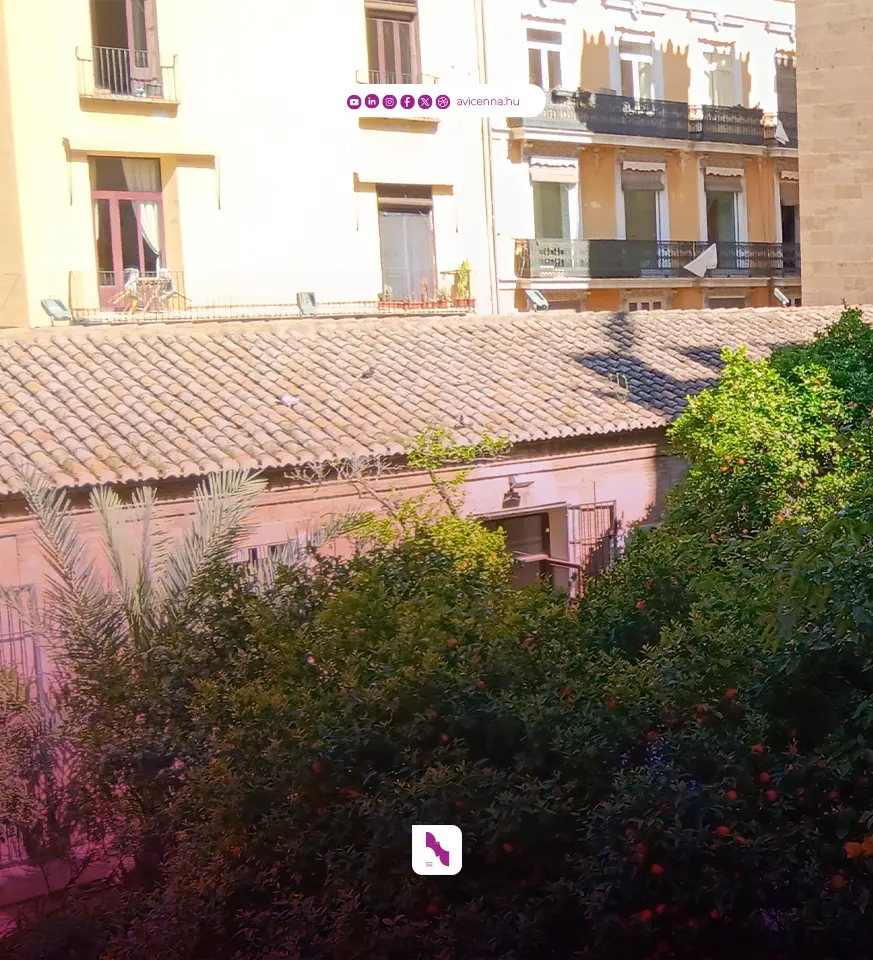
Since the first two sessions of the course were scheduled in the afternoon and I arrived in Valencia one day before the course started, I had the opportunity to explore the area around my accommodation before entering the classroom environment.
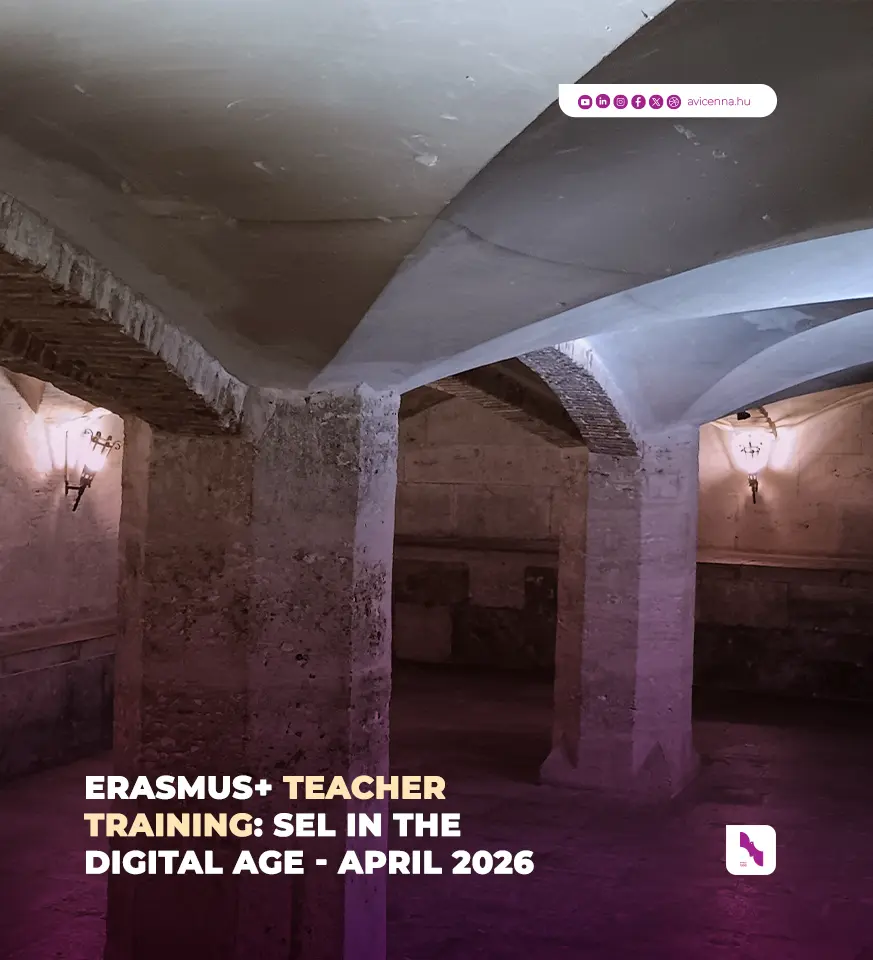
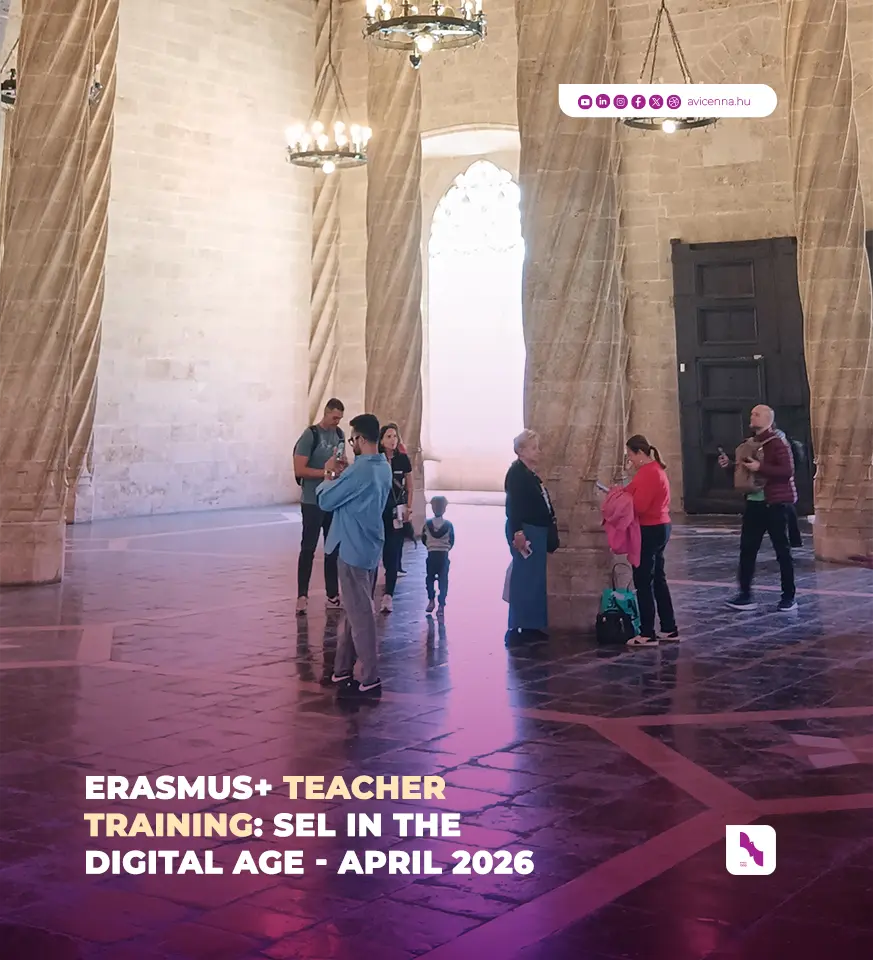
Discovering Valencia’s Language and Cultural Identity
When preparing for my trip to the Valencian Community, my expectations were naturally influenced by previous experiences in other regions of Spain, where I had encountered different perspectives regarding language, identity, and cultural expression.
My first linguistic impressions while exploring Ciutat Vella (the Old Town) were that Valencian was highly visible in public spaces, especially on street signs, and I noticed that I heard Valencian frequently in everyday conversations. However, when asking for information or entering local businesses, I experienced open and friendly communication, which allowed me to appreciate the region’s complex linguistic landscape.
One particularly interesting moment occurred when I sat down to eat for the first time in Valencia. I overheard a conversation at the neighbouring table that I was able to follow despite being in Valencian. The group was discussing the relationship between Valencian and Catalan, expressing their views on the distinctiveness of their language. This topic also emerged during the first day of the course, when the trainer introduced participants to the linguistic debate surrounding Valencian and presented the different perspectives on the relationship between the two varieties without taking a position.
Cultural Introduction to Valencia
The first day of the course focused not only on linguistic aspects but also on cultural and tourist information about the city.
Las Fallas: Valencia’s Most Famous Tradition
The trainer introduced Las Fallas, one of Valencia’s most iconic cultural expressions. This festival features large decorative structures that often represent political, social, and current events in the region and in Spain more broadly. These impressive works of art, traditionally made from wood and paper materials, are eventually burned in the middle of the city, creating a unique atmosphere intensified by the sound of fireworks.

Valencian Cuisine and Local Traditions
The cultural introduction continued with an exploration of Valencian gastronomy, including paella and other traditional rice dishes from the region, snacks and drinks such as horchata and fartons, local tapas traditions, and finally the Valencian esmorsaret/almuerzo.
This topic also led to an interesting linguistic reflection, as I discovered that the same word is used with a similar meaning in the rural area of Nicaragua where my family comes from, although this differs from its standard meaning of lunch in Spanish.
Social-Emotional Learning and Student Well-being
On the second day of the training, the focus shifted towards Social-Emotional Learning and the use of the CASEL framework (Collaborative for Academic, Social, and Emotional Learning).
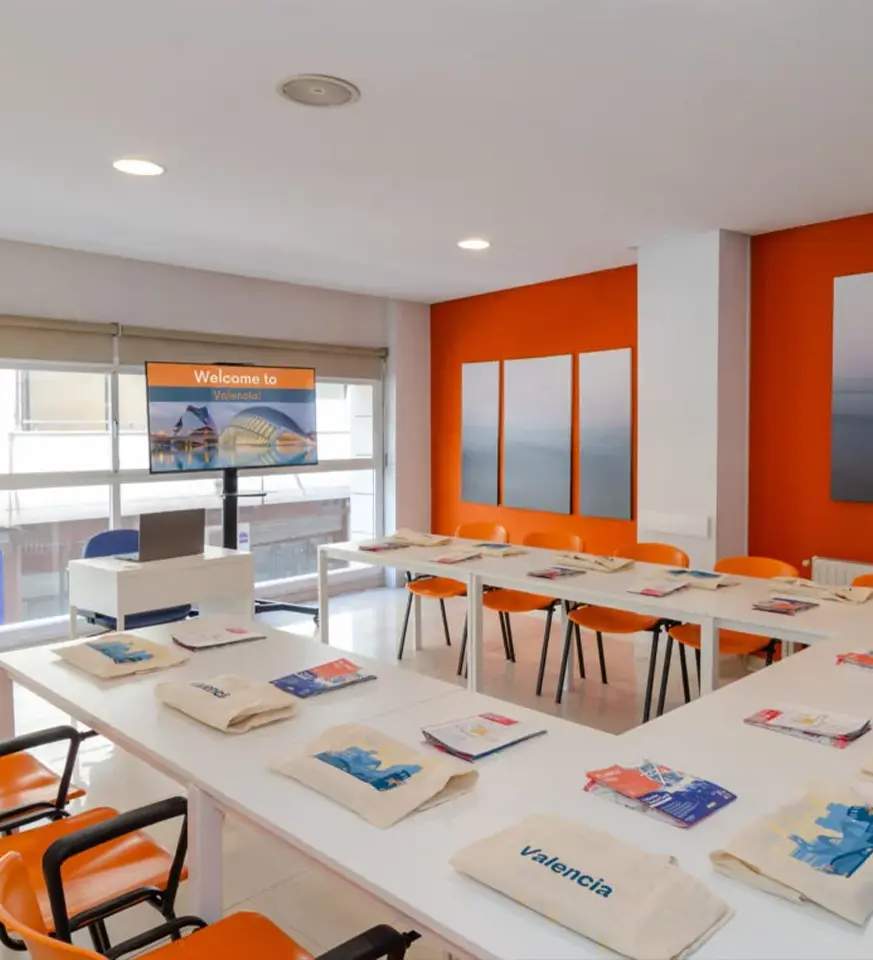
Understanding the CASEL Framework
The framework incorporates five key SEL competencies:
- self-awareness,
- self-management,
- responsible decision-making,
- relationship skills,
- social awareness.
These competencies are applied across three interconnected environments: classrooms, schools, and homes and communities.
The training was based on the understanding that students cannot fully engage in meaningful learning without emotional safety and psychological well-being. In the 21st-century classroom, well-being is not simply an additional feature; it is a fundamental foundation for attention, resilience, and academic success.
Artificial Intelligence Tools for Education
After the theoretical sessions, the training moved towards practical applications of artificial intelligence in education.
Using Technology Through the SAMR Model
We explored the SAMR model (Substitution, Augmentation, Modification, Redefinition) to evaluate how technology can genuinely transform educational experiences rather than simply digitising traditional teaching methods.
One of the most valuable takeaways was the Role–Context–Task–Constraint framework for creating effective AI prompts. This approach helps ensure that AI-generated outputs remain relevant and useful in classroom contexts.

Digital Tools Explored During the Training
Throughout the week, I experimented with several digital tools designed to support literacy, organisation, and social analysis:
Generative AI for Expression
I explored the use of Claude and Qwen to support writing and summarisation, helping students improve their expression mainly in English and, at a more basic level, in Spanish.
Data-Driven Pedagogies
We examined RStudio as a possible tool for educators to analyse classroom dynamics and identify students who may experience social isolation or require additional support.
Knowledge Management
Learning to use NotebookLM and Google Drive Building Blocks opened new possibilities for organising complex pedagogical resources and improving workflow efficiency.
Experiential Learning Activities
During one of the experiential learning days, we used Goosechase, a digital scavenger hunt platform, to encourage collaboration and problem-solving.
These activities reinforced the value of authentic communication situations. We also practised classroom-ready activities such as “Three Good Things” for gratitude and “ANTs” (Automatic Negative Thoughts) for cognitive reframing.
Professional Reflections on Digital Transformation in Education
This training experience was not about abandoning traditional teaching methods. Instead, it provided a professional opportunity to reflect on my own practice and position it within the constantly evolving digital landscape of education.
The course confirmed that while technology is rapidly changing the educational environment, the central goal remains the same: supporting the development of students as complete individuals.
Bringing Erasmus+ Learning Back to the Classroom
Participating in this Erasmus+ mobility has strengthened my commitment to bringing innovative and student-centred practices back to the classroom.
At a time when teachers’ skills and knowledge are being reconsidered due to the rapid emergence of new technologies, this experience has provided valuable perspectives on how educators can combine digital innovation with emotional support and human connection.