

Developing Teacher Soft Skills Through Erasmus+ Training
Written by: Réka Katona
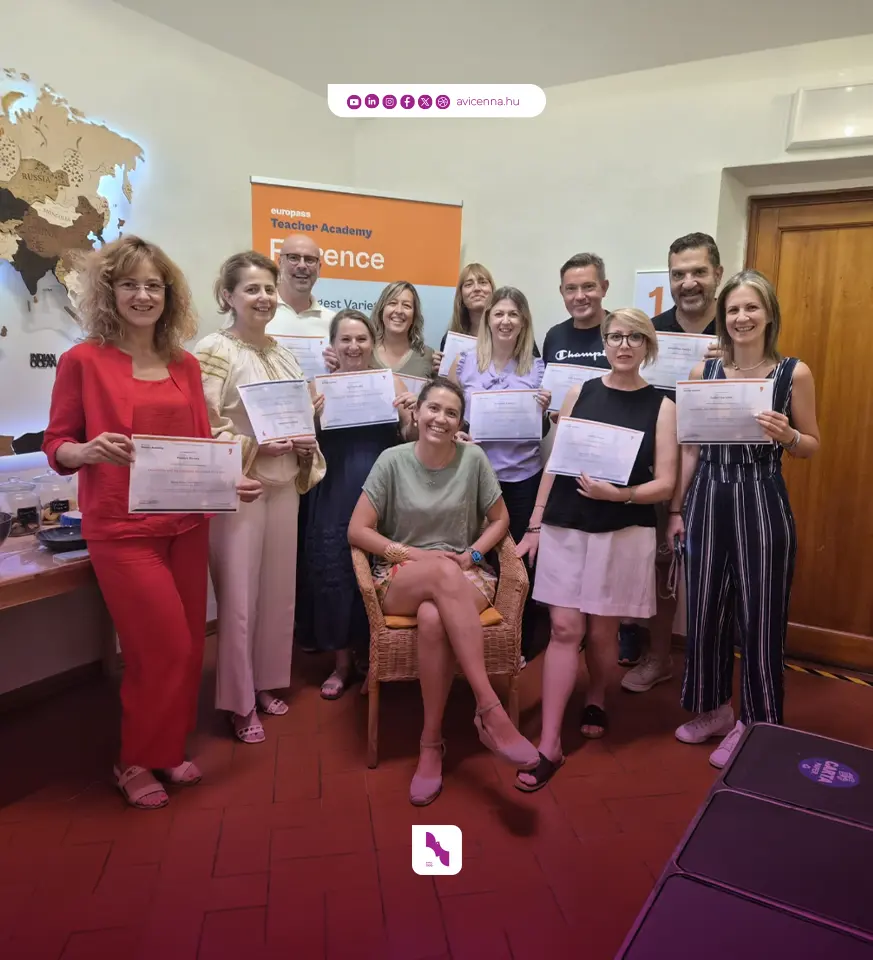
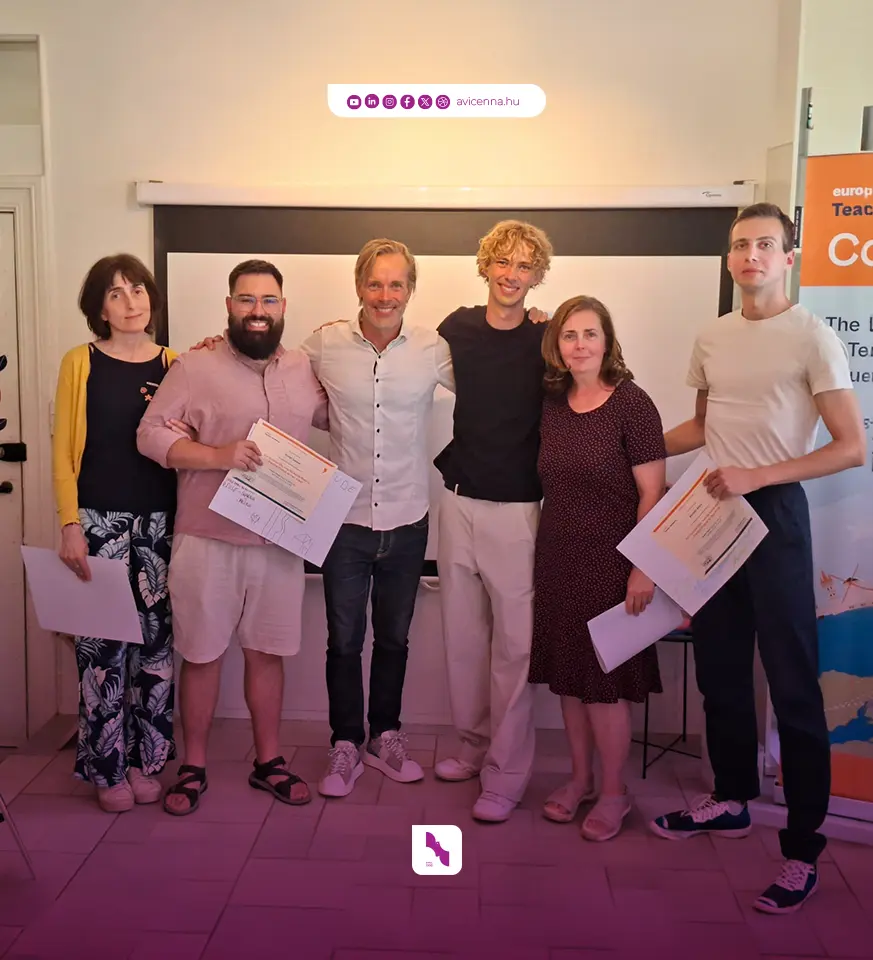
From 6–10 April 2026, I participated in an Erasmus+ teacher mobility at Europass Teachers Academy in Florence, Italy. During the Erasmus+ teacher training course in Florence, I learned about nonviolent communication and developed important professional skills related to effective communication and conscious classroom management strategies.
Teachers in the 2020s face many new challenges, including AI-generated student assignments and presentations, as well as the demands of an increasingly fast-changing world. During the course, we discussed how maintaining students’ attention and engagement requires new approaches and innovative teaching methods.
Every teacher who wishes to provide effective education today must be prepared for challenges that influence educators worldwide. These topics were explored together with colleagues from different countries, including European nations and participants from the American continent, who shared valuable insights from their own educational backgrounds.
Effective Communication Strategies for Modern Teachers
A central topic of the course was understanding what makes communication effective in today’s classrooms.
We began with name-learning exercises, exploring techniques that help teachers remember names more easily and discussing why remembering names can become more difficult over time. Building personal connections with students is an important part of everyday teaching practice.
We were also introduced to practical digital tools, including the classroom use of Padlet. While some participants were already familiar with this platform, others discovered new possibilities for integrating it into their teaching.
International Collaboration and Educational Perspectives
During the Erasmus+ mobility, our school had the opportunity to establish new international professional connections. The countries represented in the course included Italy, Portugal, Germany, Ireland, Hungary, Poland, and the Caribbean region.
Participants came from a wide range of educational institutions, including kindergartens, primary schools, secondary schools, private schools, and language schools. The subjects represented included English, foreign languages, mathematics, and geography.
Through these international exchanges, we gained insight into different educational systems, teaching approaches, and cultural perspectives.
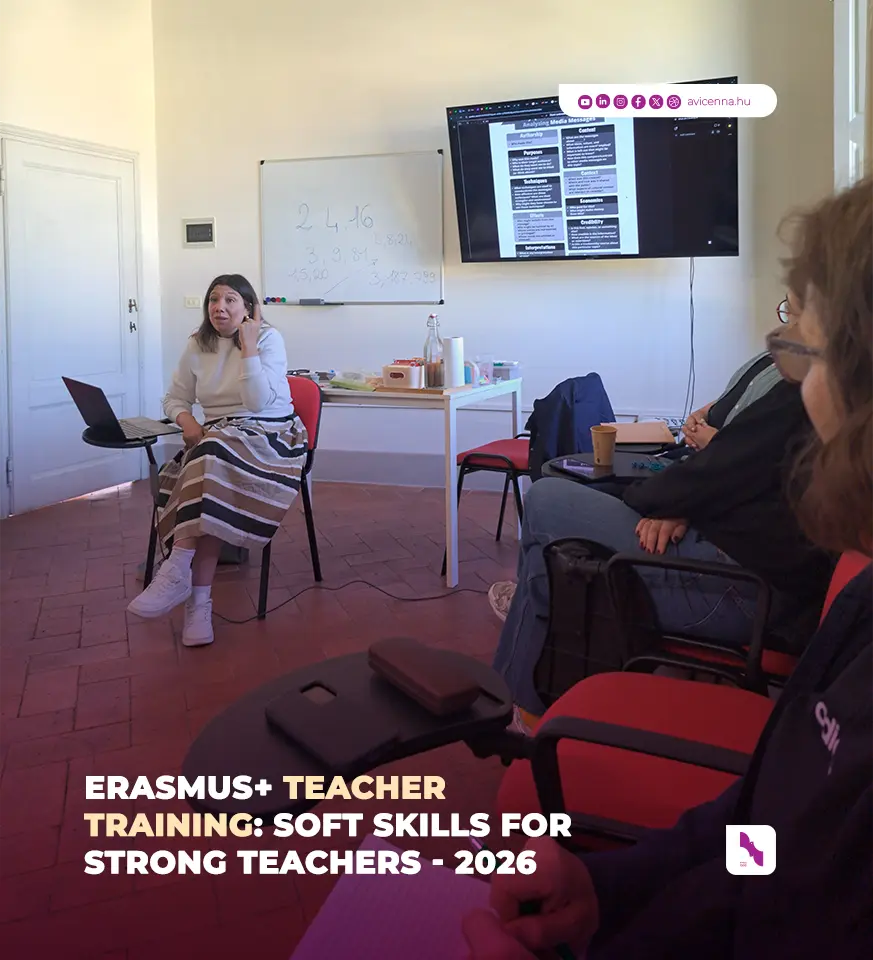
Classroom Management and Teacher Well-Being
We explored practical classroom tools such as noise monitors and discussed cultural differences that influence education in various countries.
The course also highlighted the importance of human rights in education and the significance of supporting teachers’ professional well-being.
One of the most important lessons was that teacher well-being is essential for students’ academic success and for creating a positive classroom environment. We examined different strategies for self-care and stress management, which were especially valuable during this intensive learning experience.
Communicating Effectively with 21st-Century Students
A key question throughout the training was how teachers can communicate effectively with 21st-century learners.
We explored how discipline strategies can become more effective and how clear communication contributes to classroom stability, student focus, and a supportive learning atmosphere.
We also discussed global challenges such as inflation, unemployment, and changing career opportunities. Traditional career paths are evolving, and education must respond by preparing students with adaptable skills for the future.
Supporting Students in the Age of Artificial Intelligence
The course addressed how teachers can support students’ writing skills in the age of artificial intelligence and how educational approaches can adapt to changing technological environments.
We deepened our understanding of the importance of soft skills, including communication techniques, empathy, cooperation, and emotional intelligence.
Nonviolent Communication in Education
An important part of the training focused on Marshall Rosenberg’s Nonviolent Communication (NVC) method.
We explored why avoiding judgment and evaluation is essential in teacher communication. Instead, teachers can focus on acceptance, personal attention, and careful observation.
Understanding what we truly see — without immediately adding interpretations — helps prevent misunderstandings. The essence of nonviolent communication is to seek understanding rather than judge others.
We also learned the importance of expressing our own feelings as teachers, especially in situations where we feel upset, hurt, or disrespected. This approach supports deeper mutual understanding and helps resolve conflicts in a more constructive way.
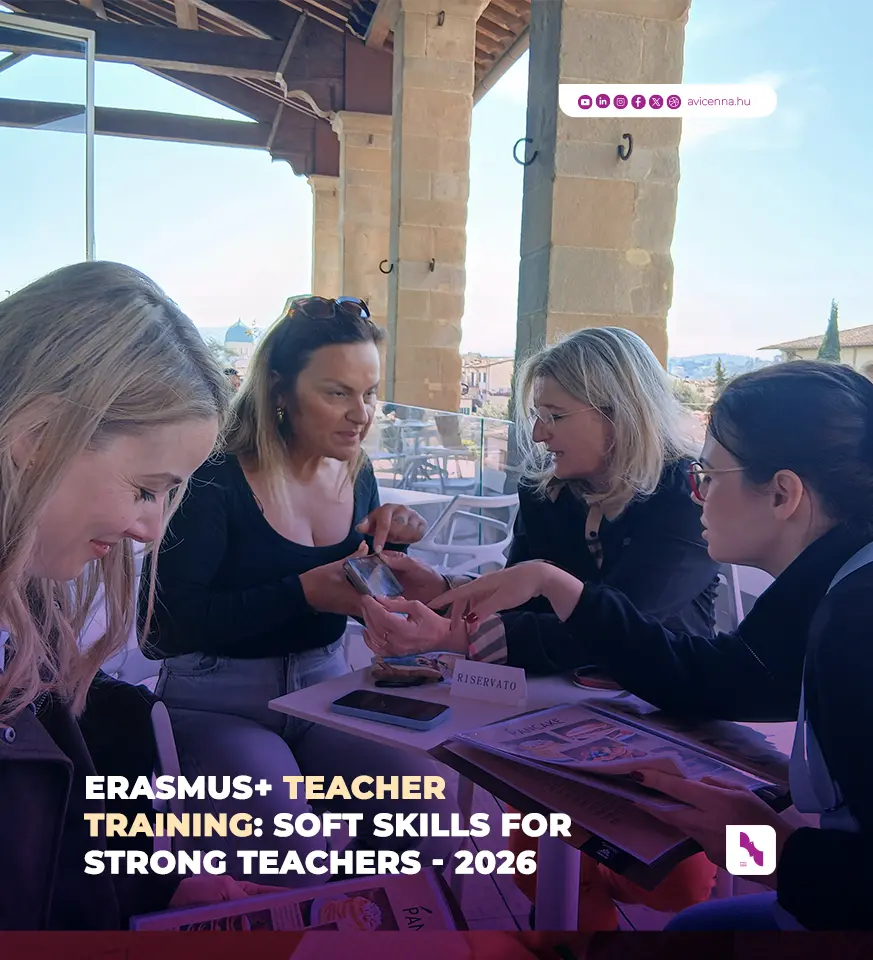
Radical Candor and Constructive Feedback
In addition to NVC, we were introduced to Kim Scott’s Radical Candor method.
This approach emphasizes understanding context, making careful observations, expressing our own perspectives, allowing time for responses, and communicating honestly, even when discussing difficulties.
We practiced giving feedback by focusing on observed behaviors and describing situations clearly and respectfully.
Creative Classroom Techniques and Digital Tools
The training also provided valuable insights into classroom organization, including the importance of incorporating movement into lessons.
Our trainer demonstrated practical examples of encouraging students to move during classes, including activities such as body percussion exercises.
We continued developing soft skills such as communication, teamwork, emotional intelligence (EQ), improvisation, adaptability, maintaining attention, and critical thinking — all of which contribute to successful learning.
We were introduced to various ICT tools, including Canva, WordSearch, and the TABOO game, as well as creative methods for using online resources. These activities primarily aimed to encourage creativity and active participation.
Innovative Language Teaching Methods
We also learned effective language teaching strategies, including image-based description activities inspired by The New York Times and Project Zero Thinking Routines from Harvard University.
These methods help students develop deeper thinking processes and encourage them to approach learning from new perspectives.
Cultural Experiences in Florence During Erasmus+ Mobility
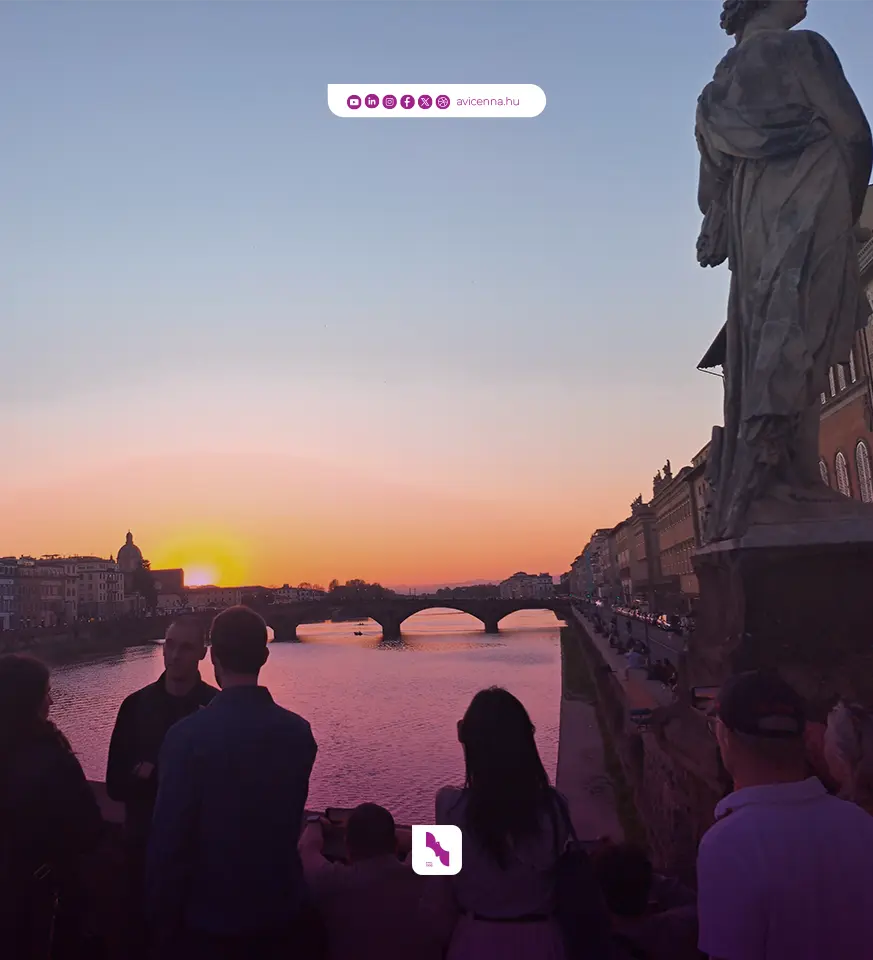
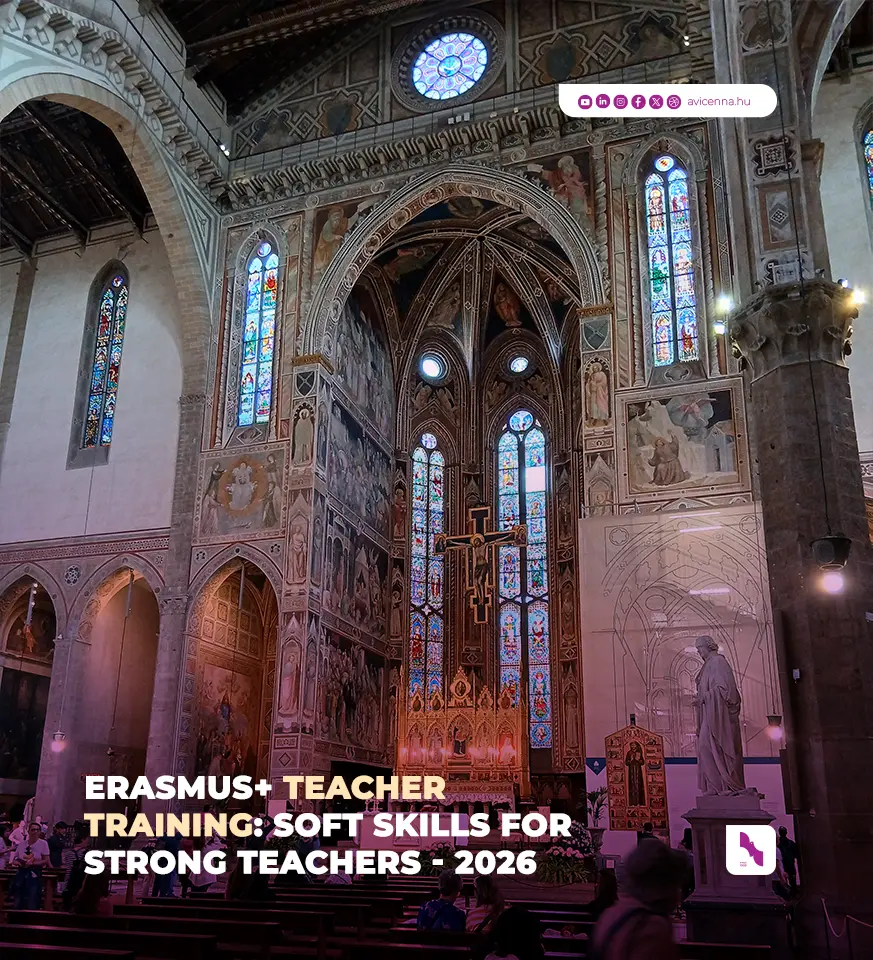
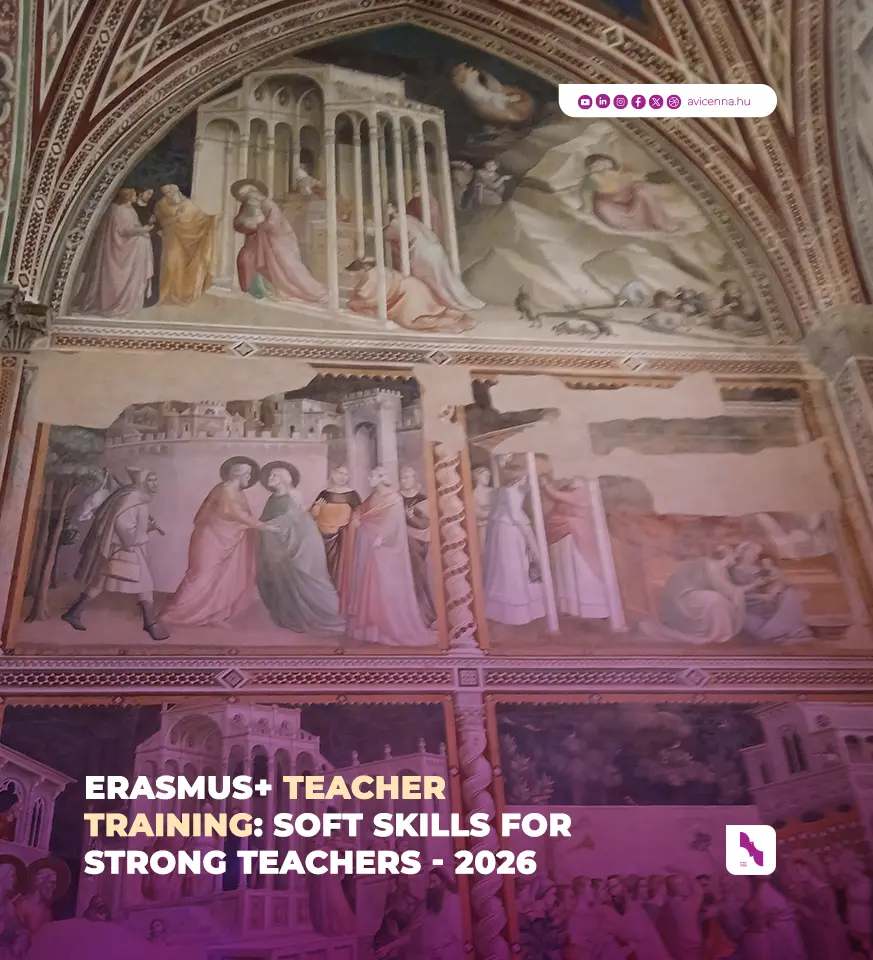
Beyond the professional experience, I had the opportunity to explore Florence and its rich cultural heritage.
During the Easter holidays, I spent time near the Cathedral of Santa Maria del Fiore and admired the famous Gate of Paradise designed by Lorenzo Ghiberti.
I visited the Uffizi Gallery, where I had the chance to see masterpieces by renowned artists such as Botticelli, Leonardo da Vinci, and Tiziano. I also visited the Accademia Gallery, home to Michelangelo’s statue of David, as well as Dante’s House.
Walking across the Ponte Vecchio and visiting other museums further enriched my Erasmus+ experience in Tuscany.
Conclusion: A Valuable Erasmus+ Teacher Training Experience
The Erasmus+ teacher training course in Florence was an inspiring professional experience. It provided valuable opportunities to exchange ideas, develop new teaching strategies, strengthen soft skills, and connect with colleagues from different educational backgrounds.
I am grateful for the opportunity to participate in this international learning experience and bring new knowledge and perspectives back to my teaching practice.
References
- NVC: Take a Moment with Marshall Rosenberg, PhD | Nonviolent Communication
- Radical Candor: How to Lead with Radical Candor | Kim Scott | TEDxPortland