

Written by: Harout Parseghian
This report outlines the key learning outcomes and experiences acquired during a 30-hour professional development course at the Europass Teacher Academy, held May 25th – May 30th, 2026, in Valencia, and focused on the integration of Artificial Intelligence (AI) and Information and Communication Technologies (ICT) within a student-centered pedagogical framework. The course aimed to equip educators with practical strategies and digital competencies to enhance teaching effectiveness while fostering active student engagement. The Erasmus+ learning experience provided an opportunity to explore innovative teaching methods, digital education tools, and the practical application of AI in education.
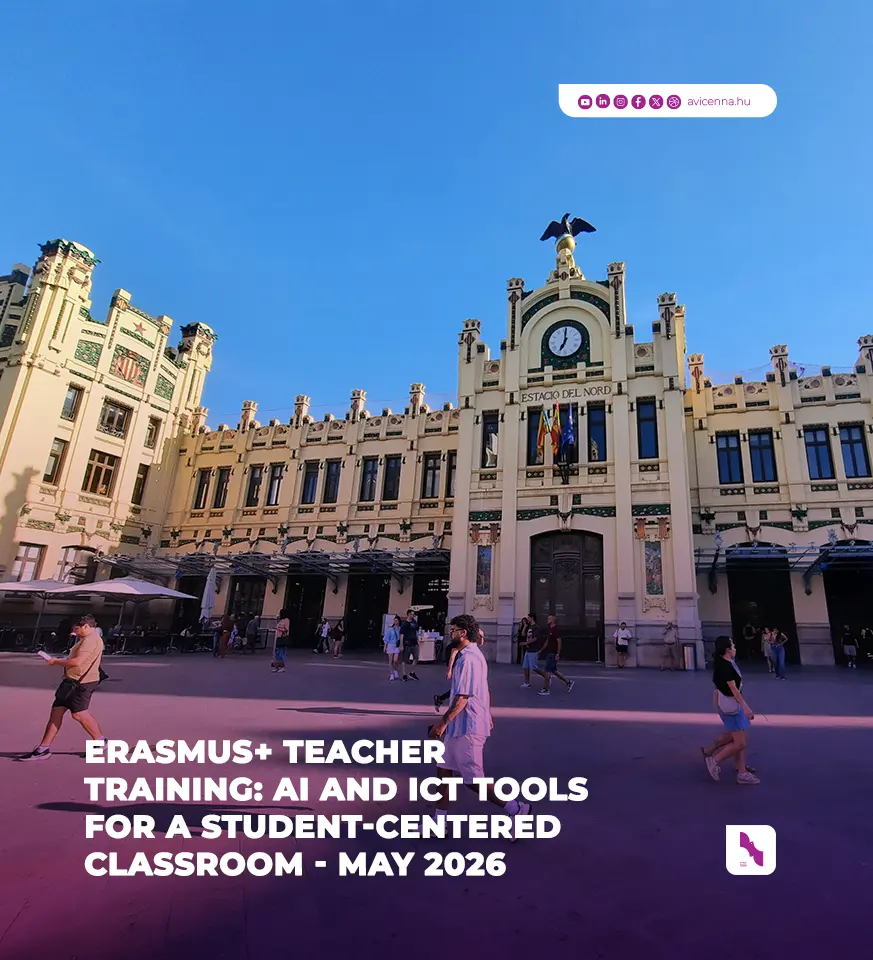
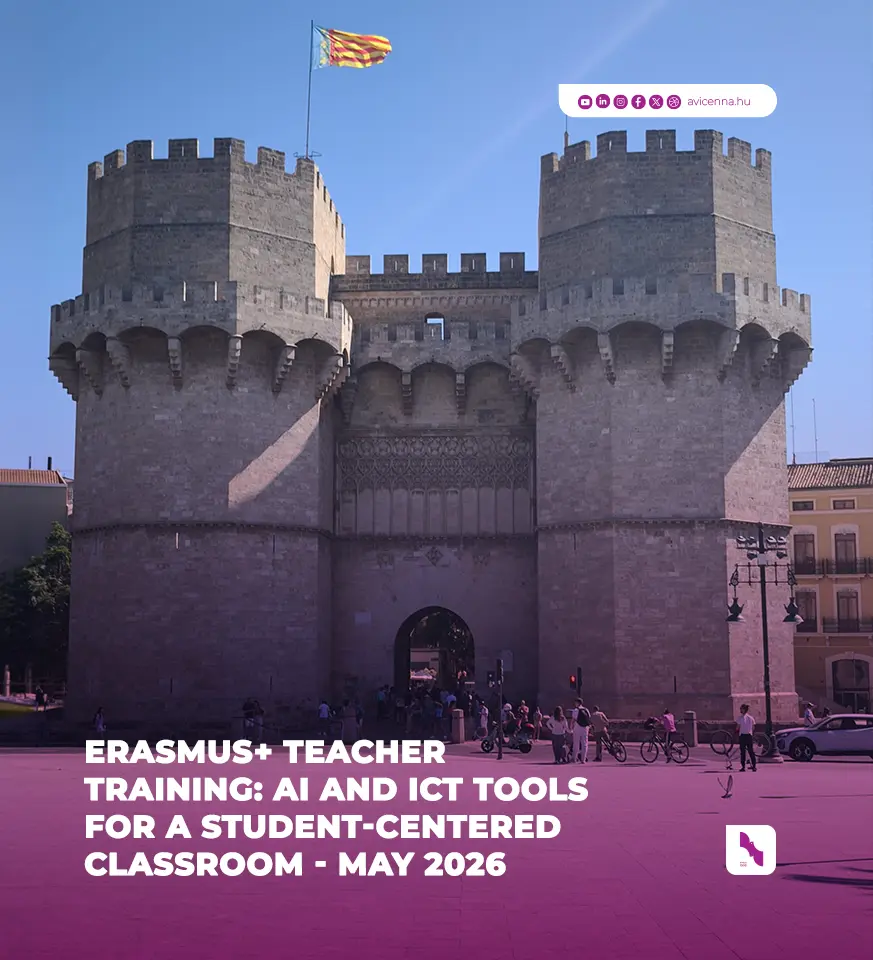
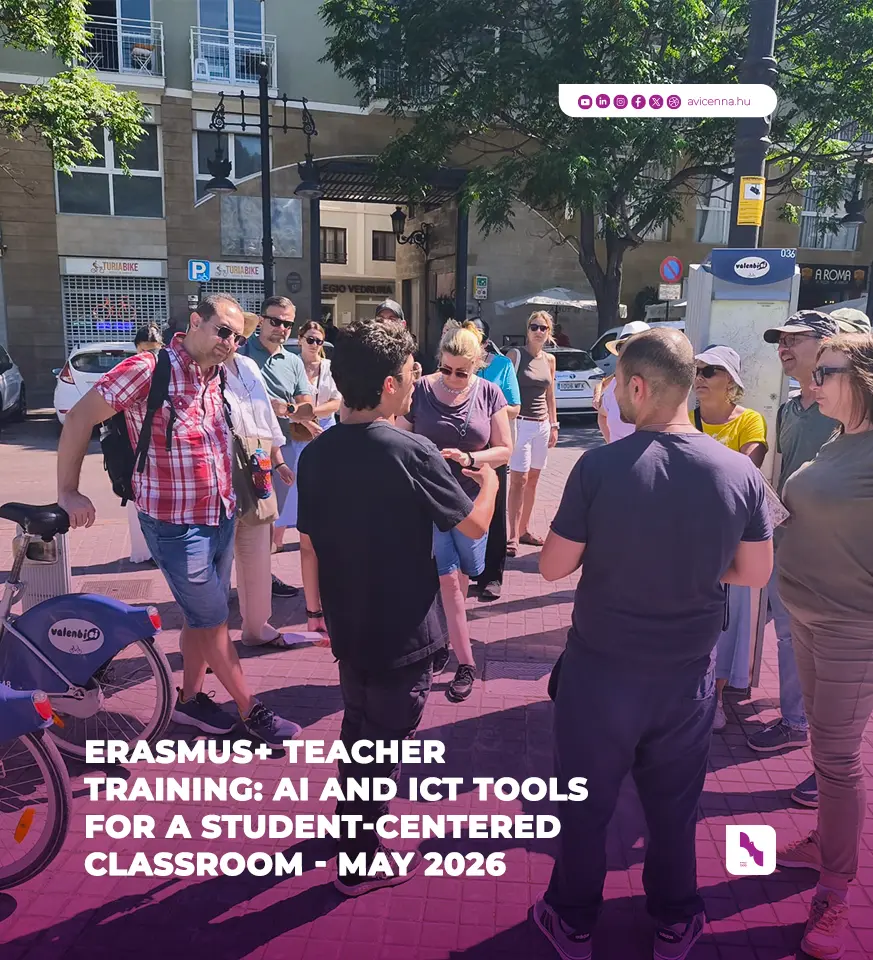
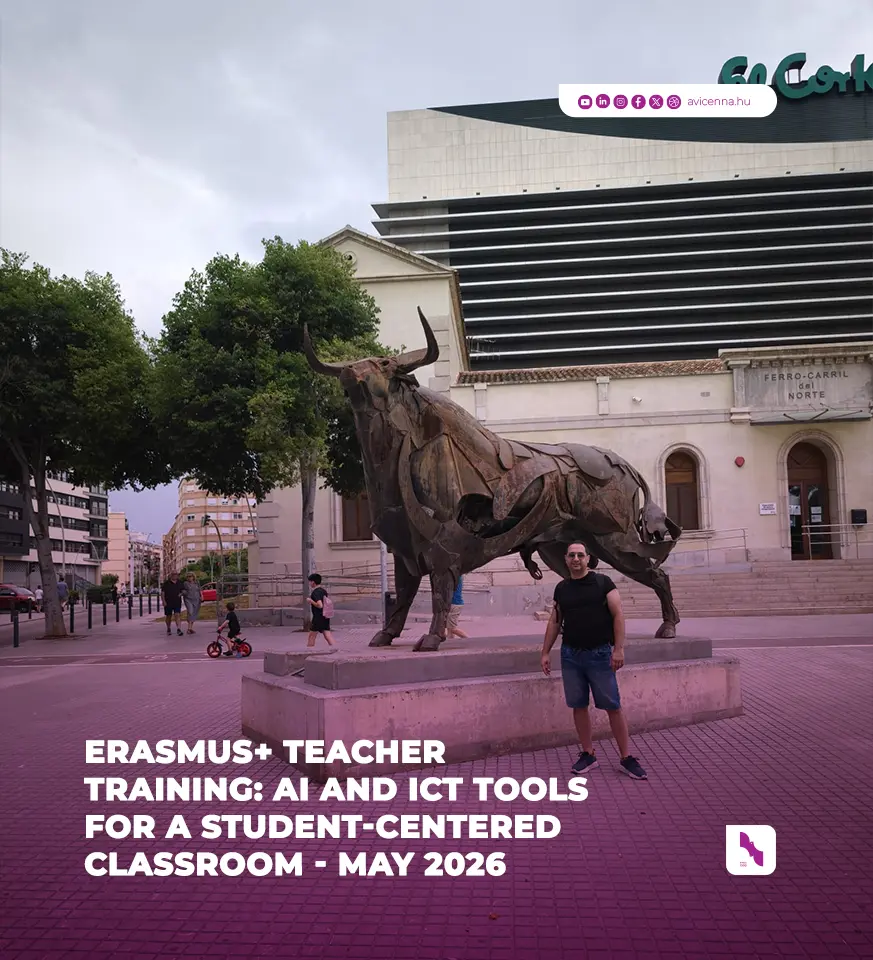
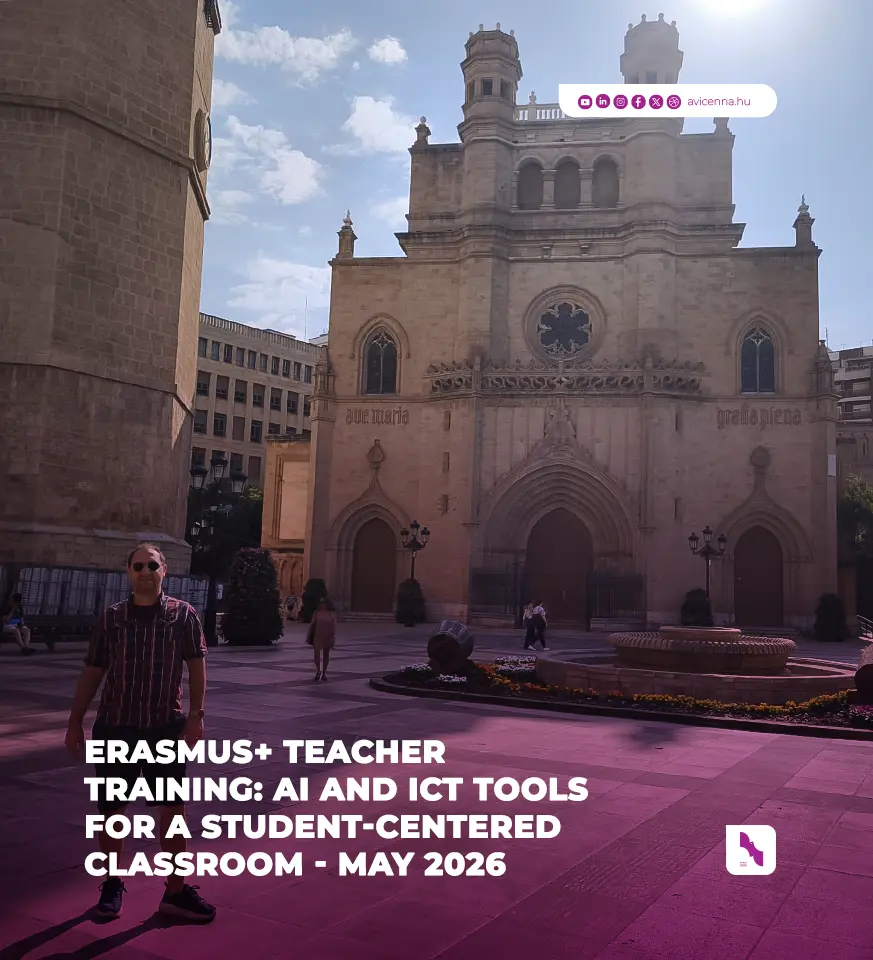
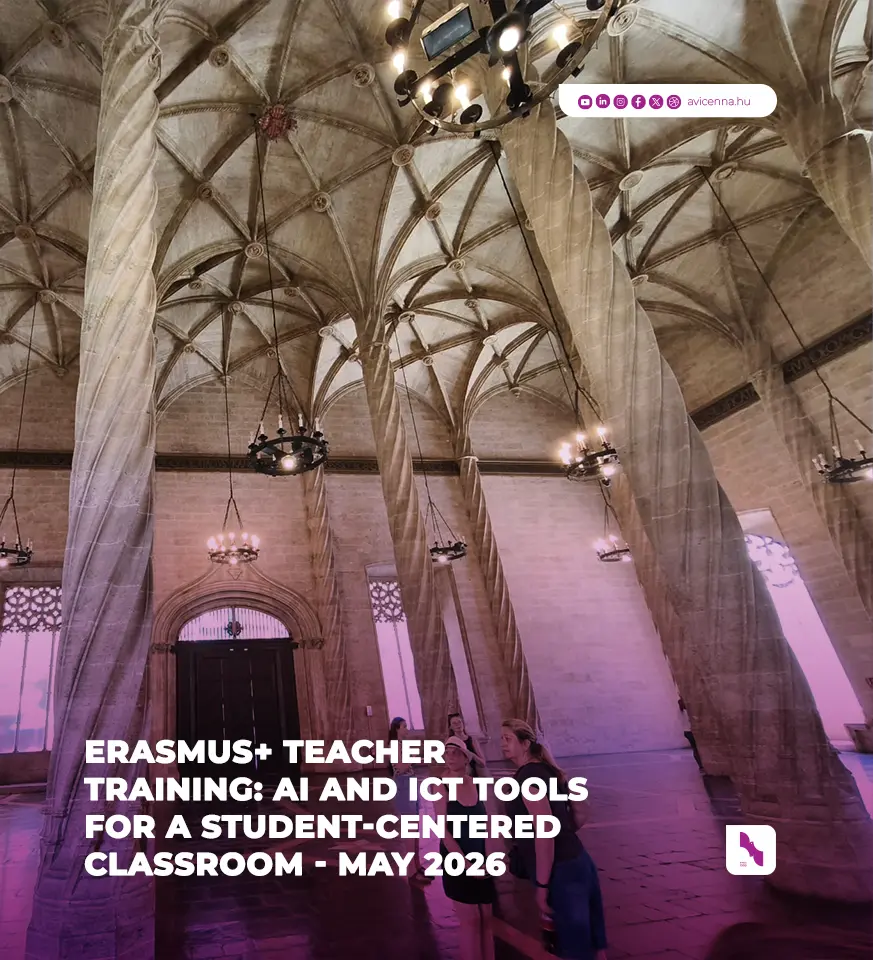
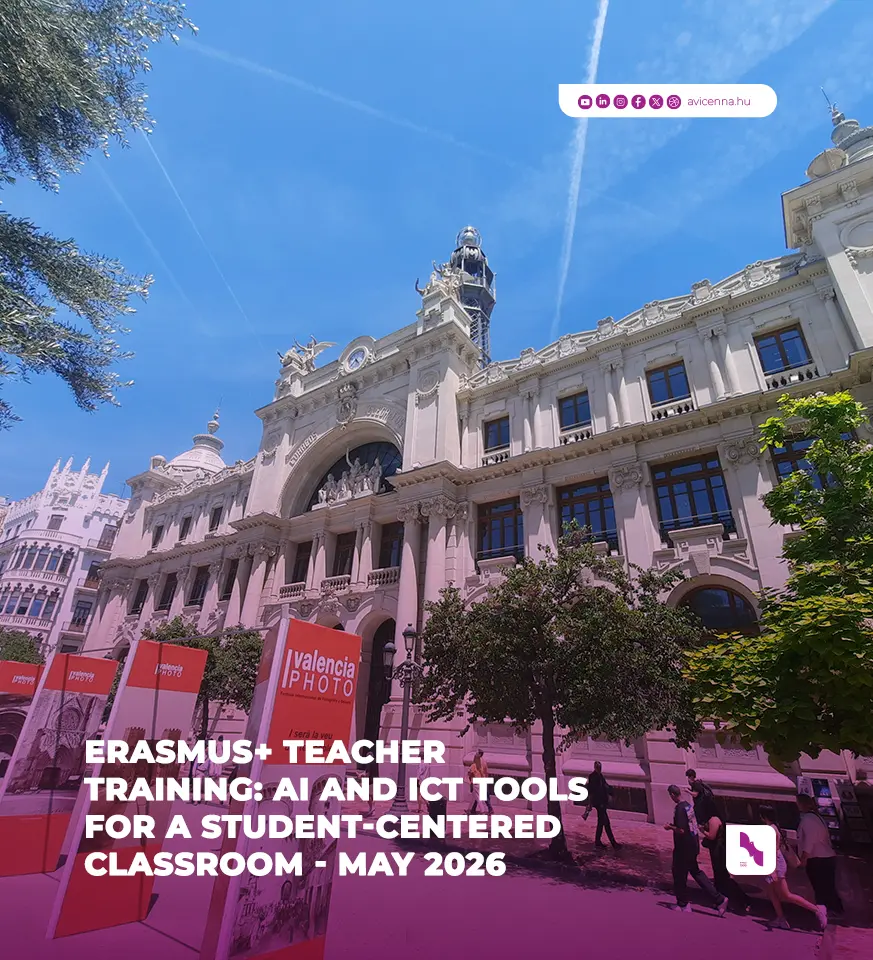
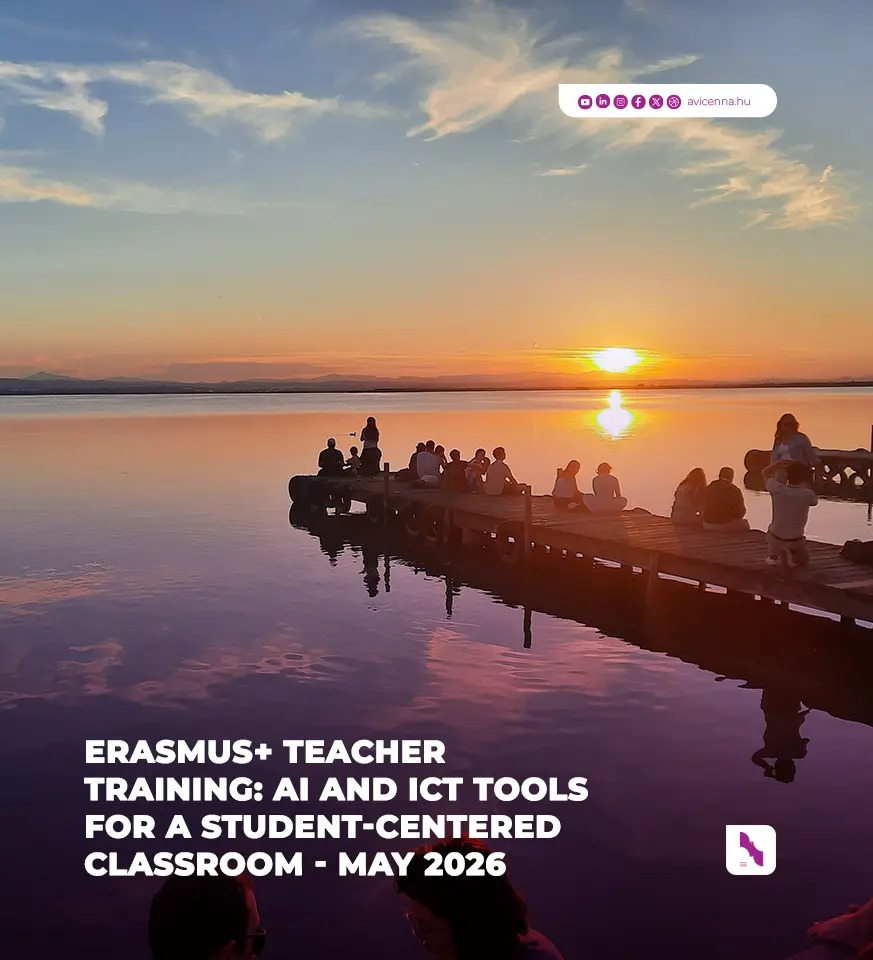
Introduction and intercultural learning in Valencia
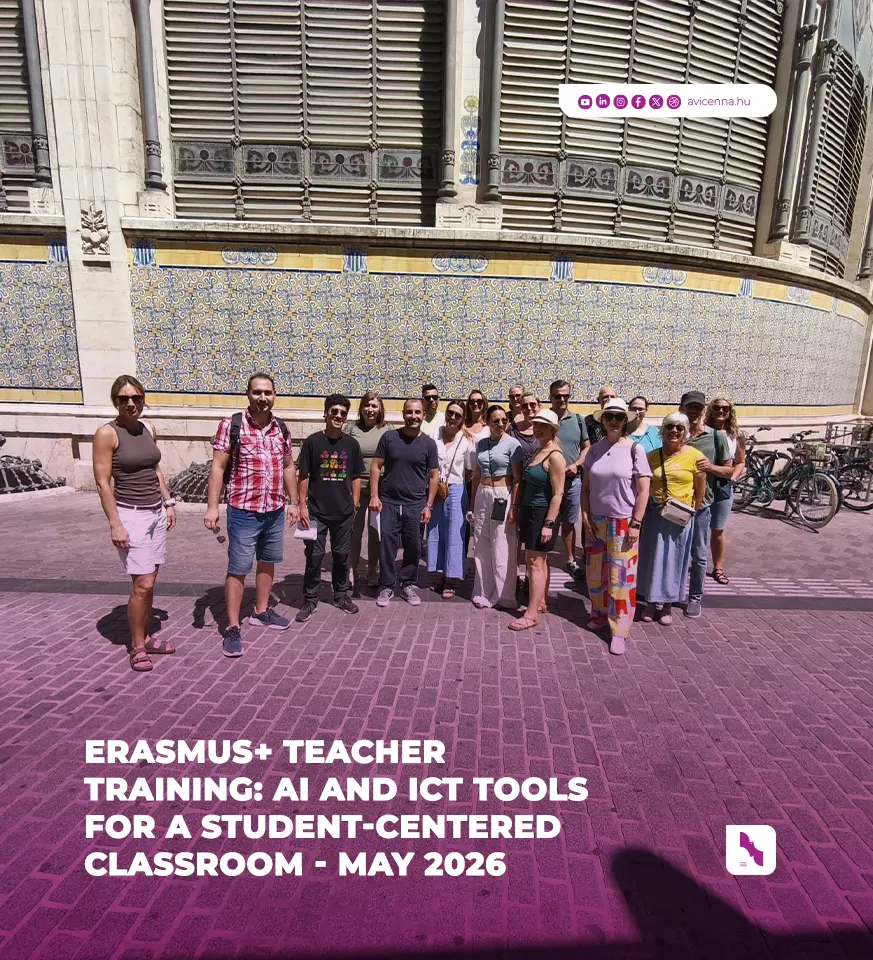
The course commenced with introductory and community-building activities designed to establish a collaborative learning environment. Participants engaged in interactive exercises using digital tools such as Padlet, which facilitated initial engagement and demonstrated the pedagogical potential of ICT in fostering participation. An introductory presentation on Valencia provided cultural and contextual orientation, enriching the overall learning experience. Participants also delivered presentations on their respective educational institutions, promoting cross-cultural exchange and professional networking. Notably, discussions regarding the role of the “tutor” highlighted the evolving responsibilities of educators as both instructors and mentors.
Student-centered learning and ICT tools
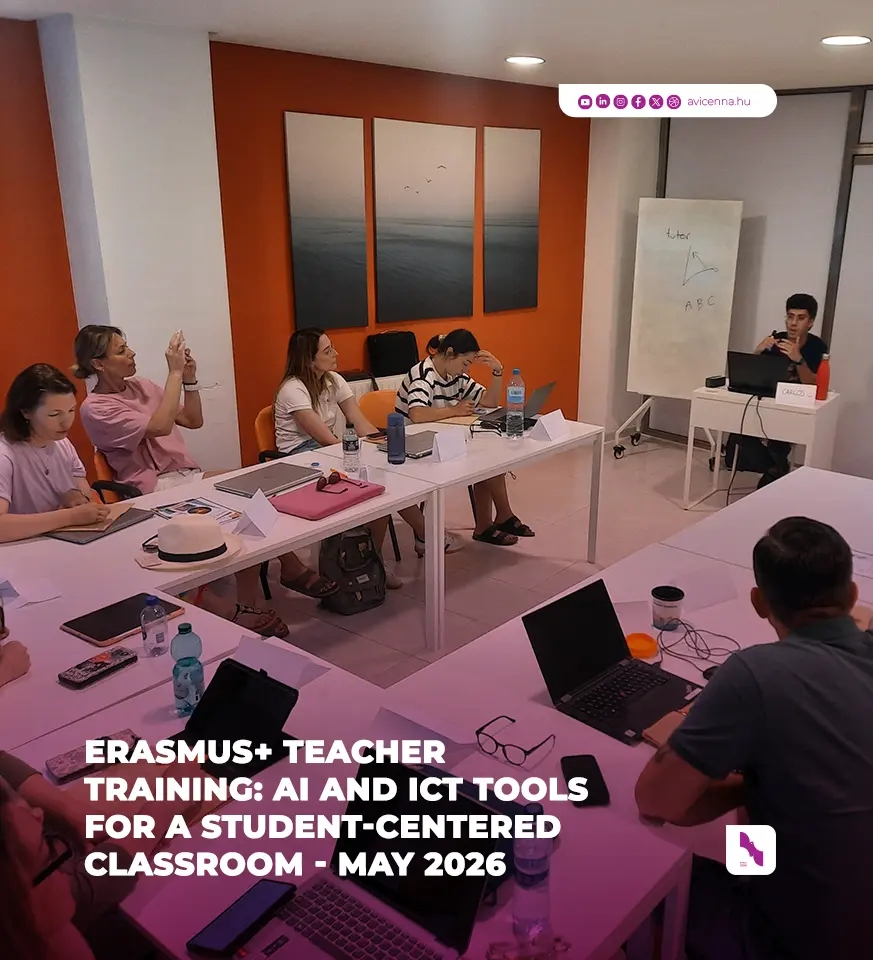
Subsequently, the course explored the theoretical and practical foundations of student-centered learning. This approach was contrasted with traditional teacher-centered methodologies, emphasizing the importance of learner autonomy and engagement. The four core pillars—voice, choice, collaboration, and reflection—served as a conceptual framework for evaluating teaching practices. Through the use of digital platforms such as Google Forms, Padlet, and QR code-based activities, participants examined how ICT tools can effectively support these principles. Reflective discussions encouraged critical analysis of personal teaching practices in relation to these pedagogical concepts.
Game-based learning and gamification in education
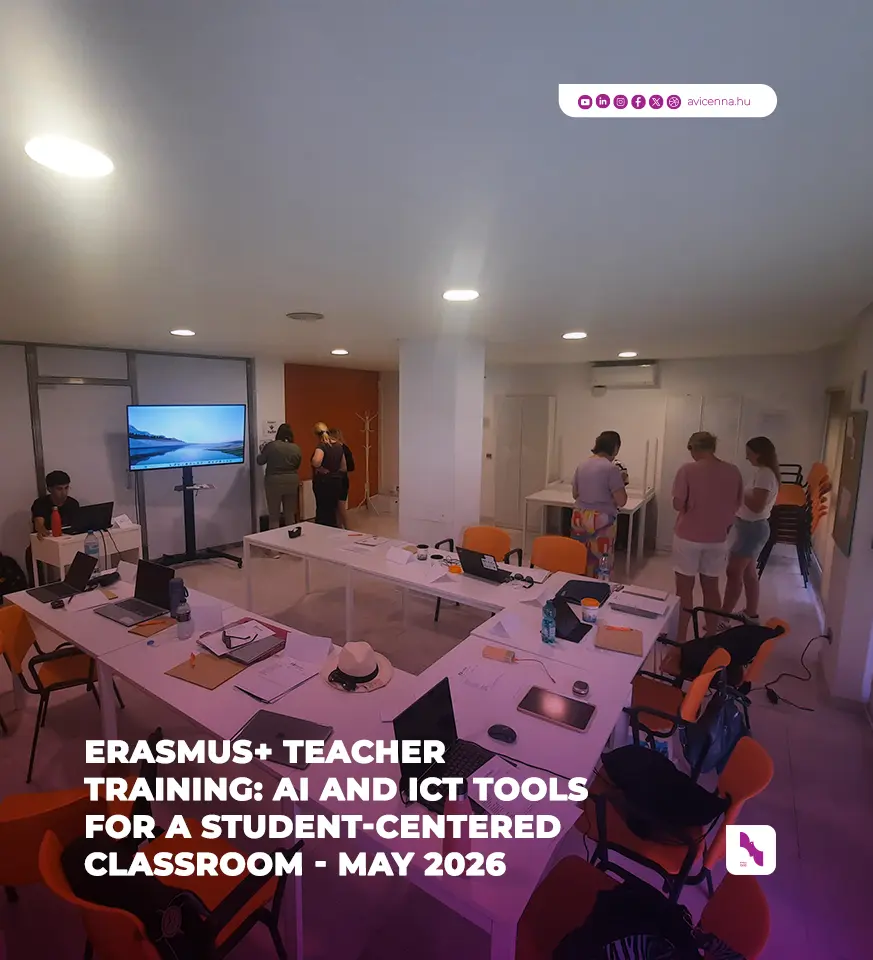
A significant component of the course focused on game-based learning and gamification as strategies to enhance student motivation and participation. Participants were introduced to a variety of AI-supported platforms, including Canva, Kahoot, Wordwall, Genially, and others, which enable the creation of interactive educational content. Collaborative tasks required participants to design and implement their own digital quizzes or games, thereby applying theoretical knowledge in practical contexts. This hands-on approach reinforced the value of experiential learning and peer collaboration while demonstrating how digital tools can make classroom activities more interactive and engaging.
Artificial Intelligence tools for teachers
The integration of AI in education constituted a central theme throughout the course. Participants explored various AI tools, including ChatGPT, Gemini, Claude, Copilot, Diffit, and DeepSeek, with a particular focus on effective prompt design. Emphasis was placed on structuring prompts through the identification of persona, context, task, and format to optimize output quality. These sessions highlighted the transformative potential of AI in content creation, assessment design, and personalized learning. Teachers gained practical experience in considering how artificial intelligence can support everyday educational tasks while maintaining a student-centered approach.
Creating multimedia educational resources with AI and ICT
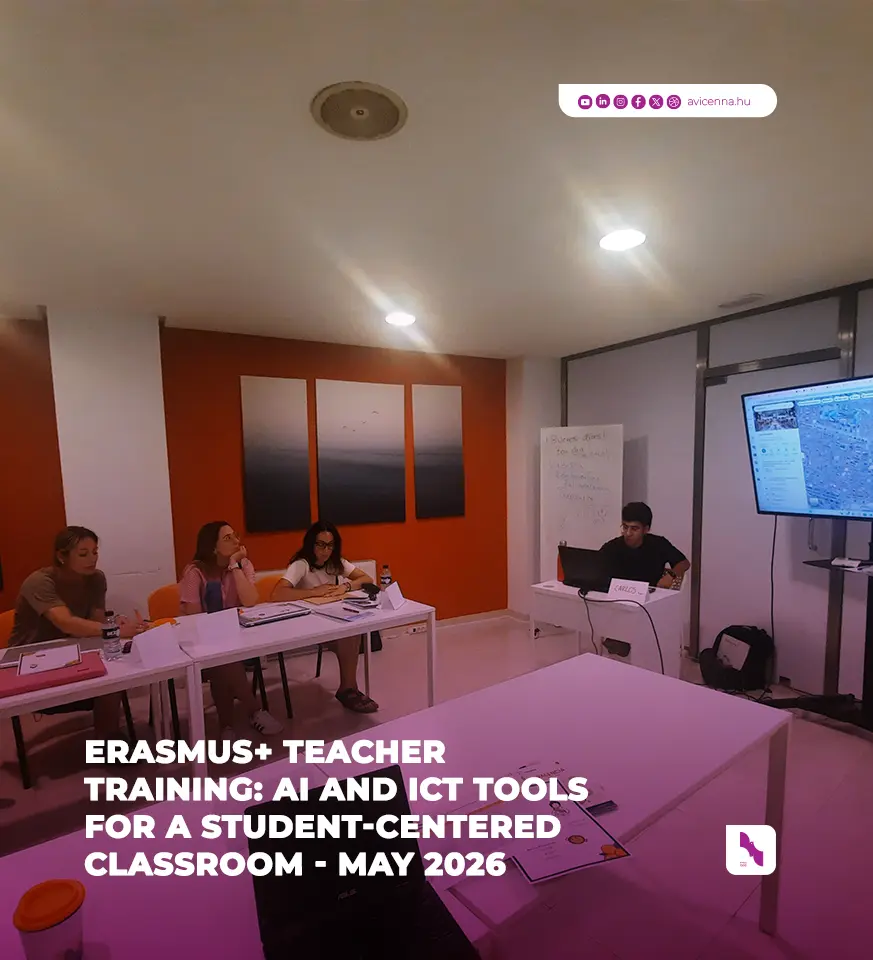
Further sessions expanded on the use of ICT and AI for developing multimedia educational resources, including images and videos, in a time-efficient manner. The applicability of these tools in supporting both classroom-based and outdoor learning activities was examined, demonstrating their versatility in diverse educational settings. Such approaches contribute to increased student engagement and facilitate active, experiential learning. The practical use of digital technologies also showed how teachers can create varied learning materials that respond to different student needs and learning contexts.
Assessment and evaluation in student-centered education
The final stage of the course addressed assessment and evaluation within a student-centered framework. Distinctions between summative and formative assessment were critically examined, with particular emphasis on the role of formative assessment in promoting continuous learning and feedback. The concept of affective filtering was introduced, highlighting the impact of emotional factors on student learning. Additionally, participants explored digital tools for rubric creation, such as Quick Rubric and Rubric Maker, which support transparent and structured evaluation processes. The importance of peer assessment was underscored as a means of fostering critical thinking, self-reflection, and collaborative learning.
Erasmus+ learning experience and professional development
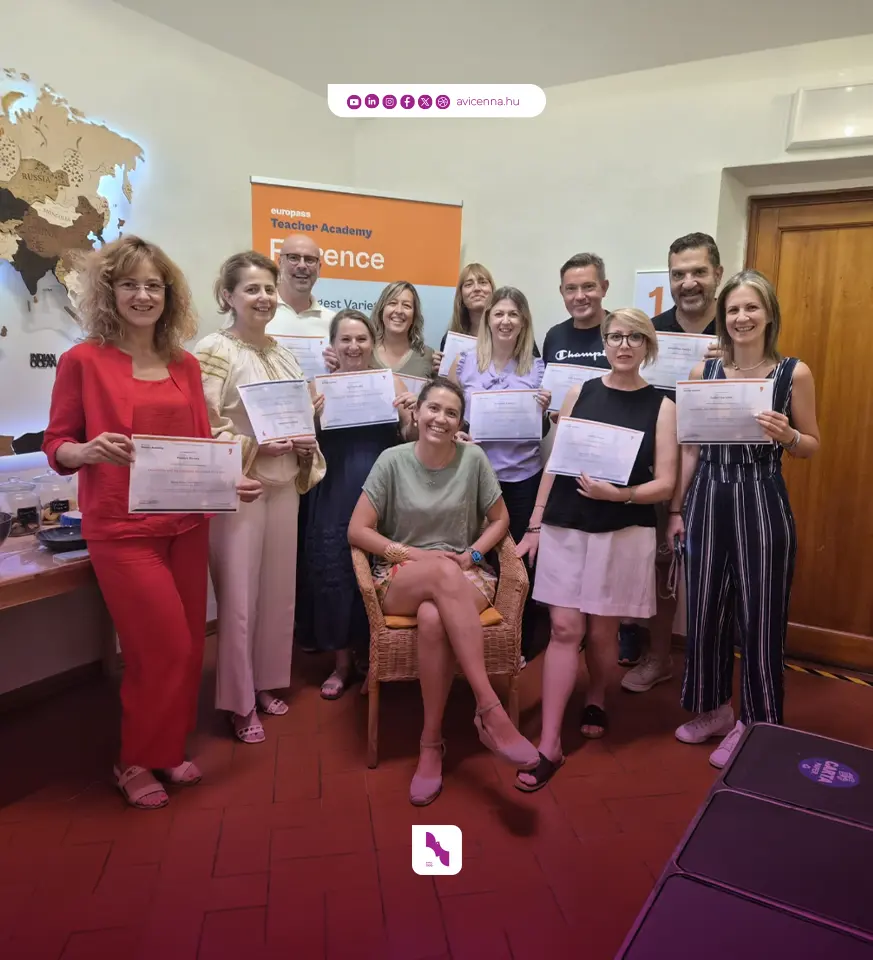
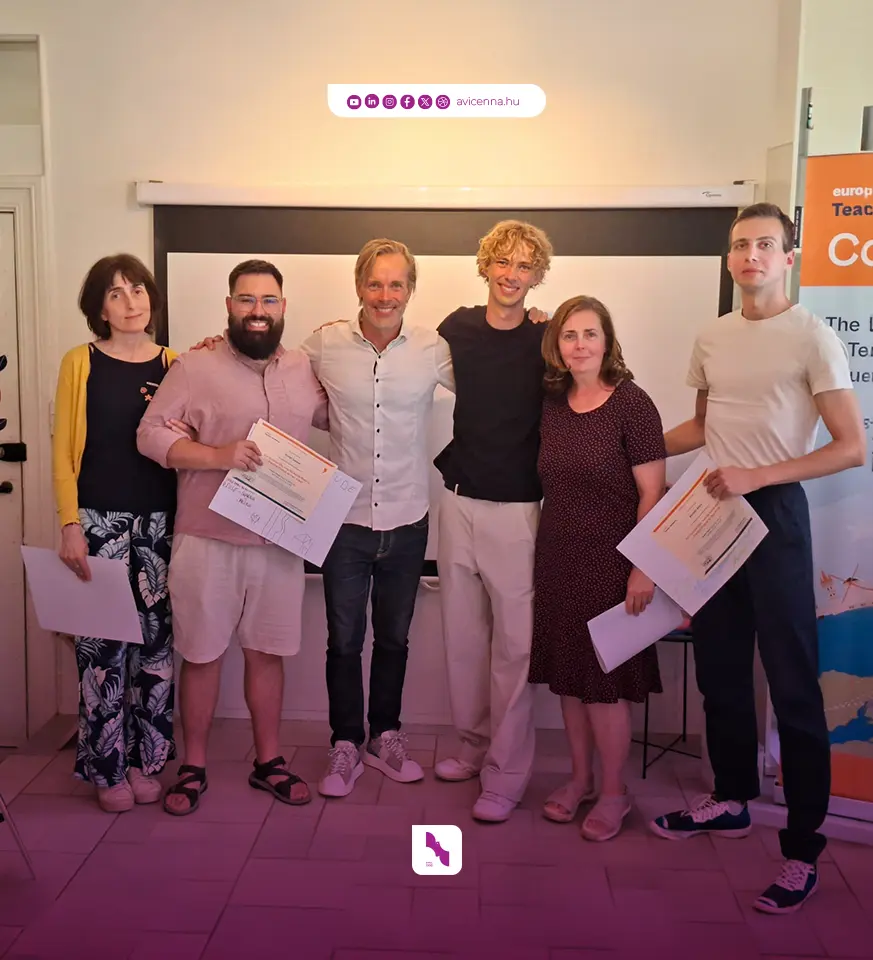
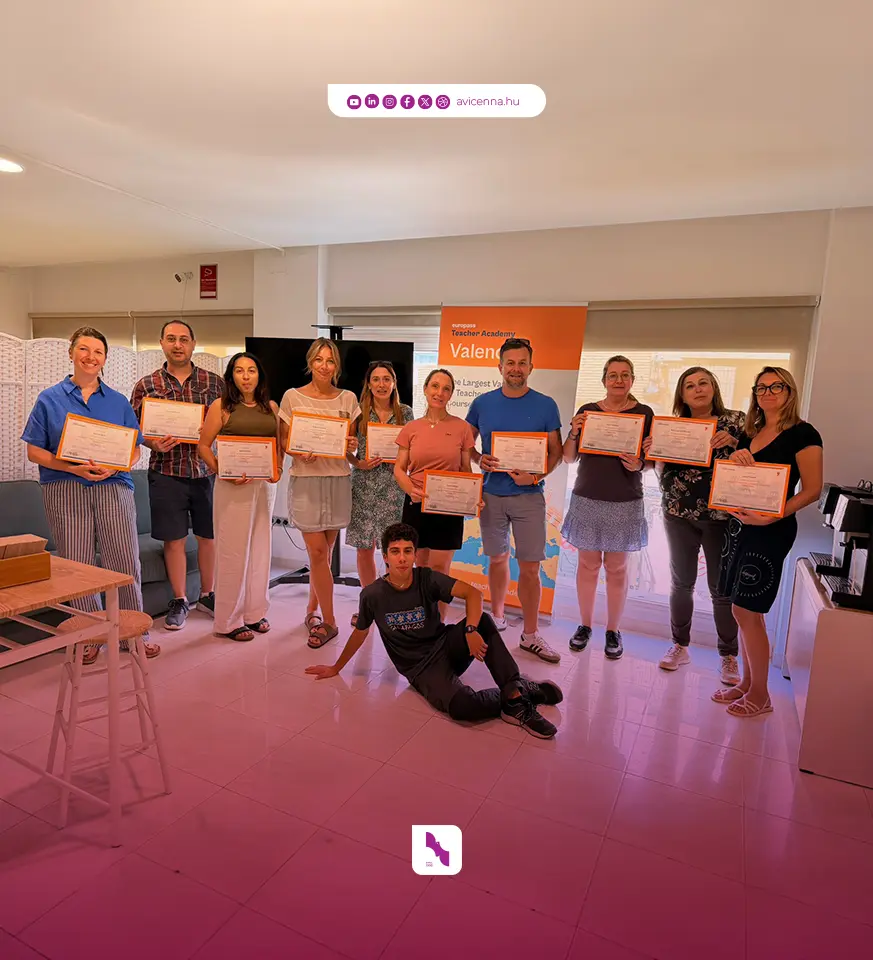
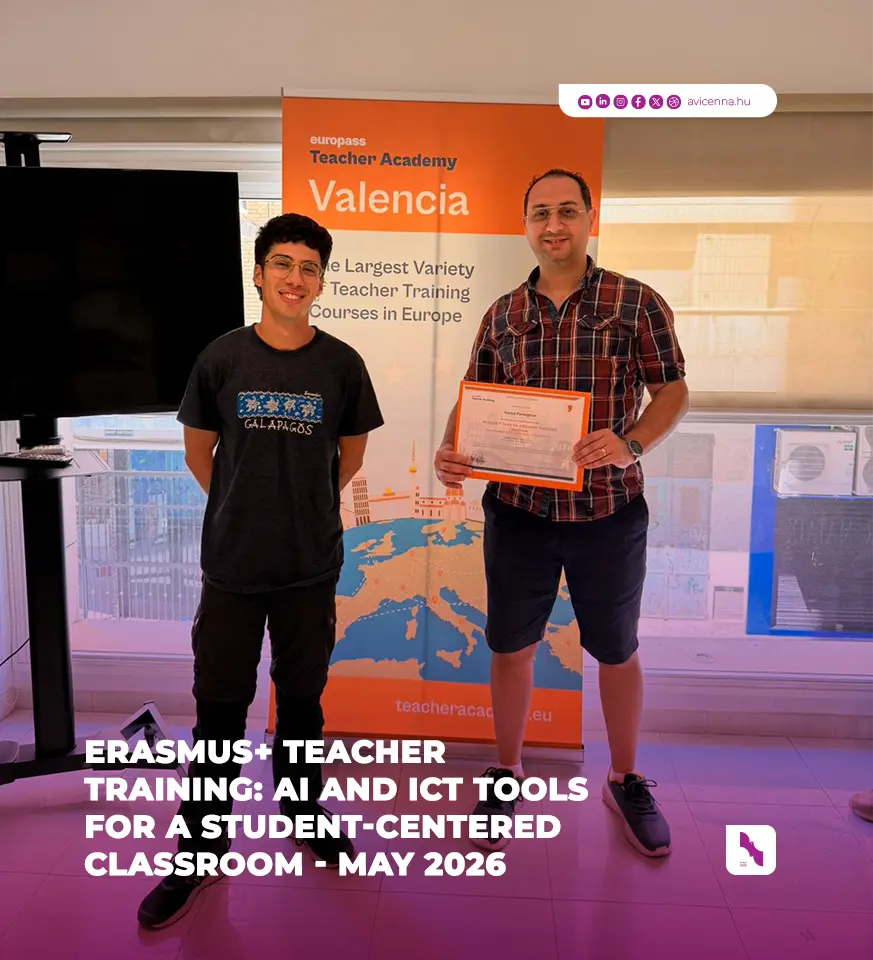
The course concluded with a certification ceremony, marking the successful completion of the program. The overall experience, supported by the Erasmus+ Programme, provided a valuable opportunity for professional development, intercultural exchange, and pedagogical innovation. The knowledge and skills acquired during this course will contribute significantly to the ongoing enhancement of teaching practices, particularly in the integration of AI and ICT within a student-centered educational paradigm.