

Written by Steve Szabó
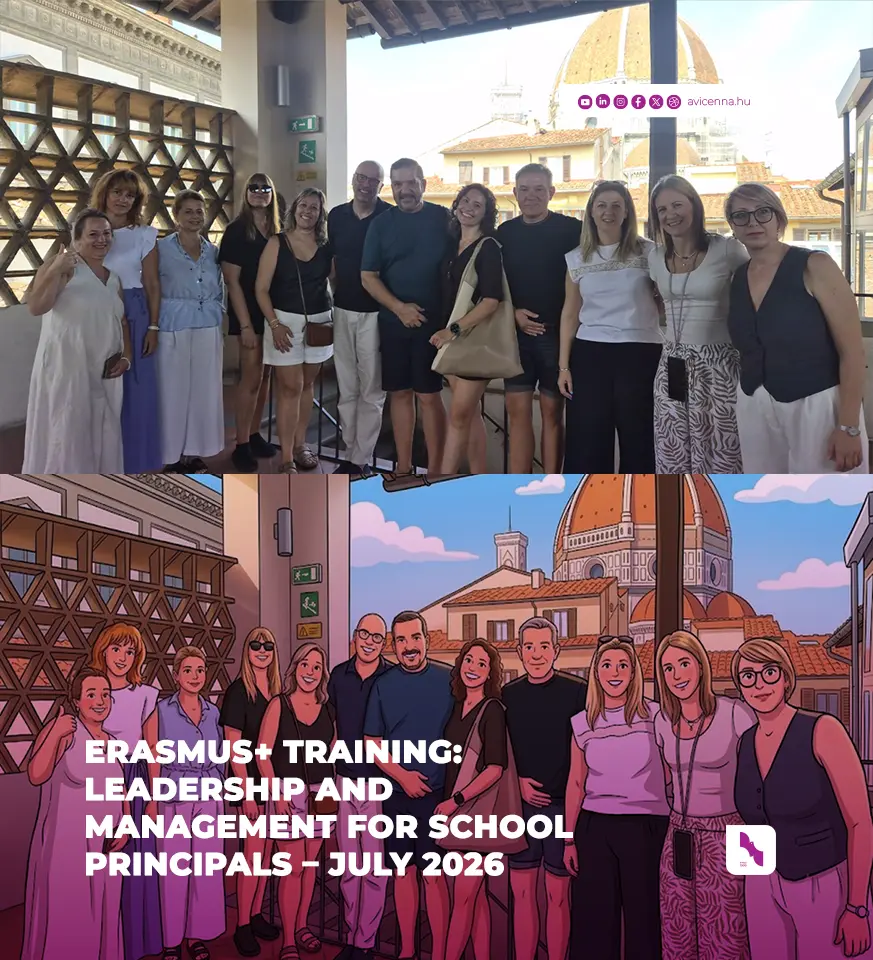
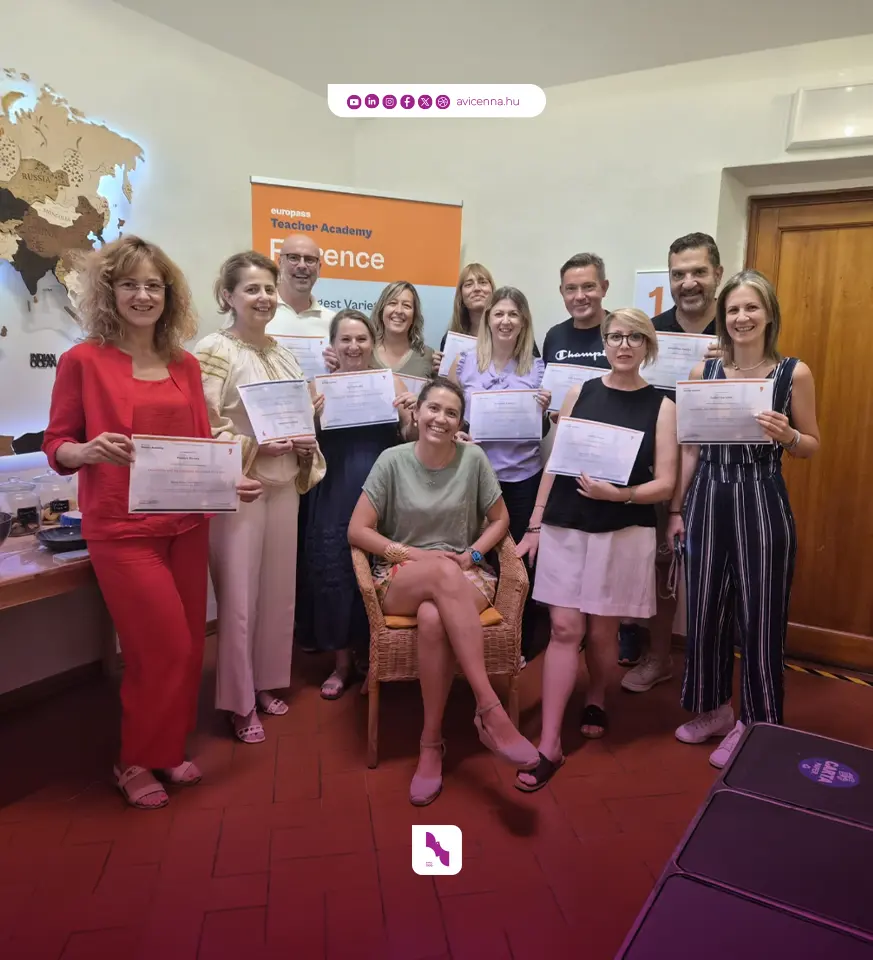
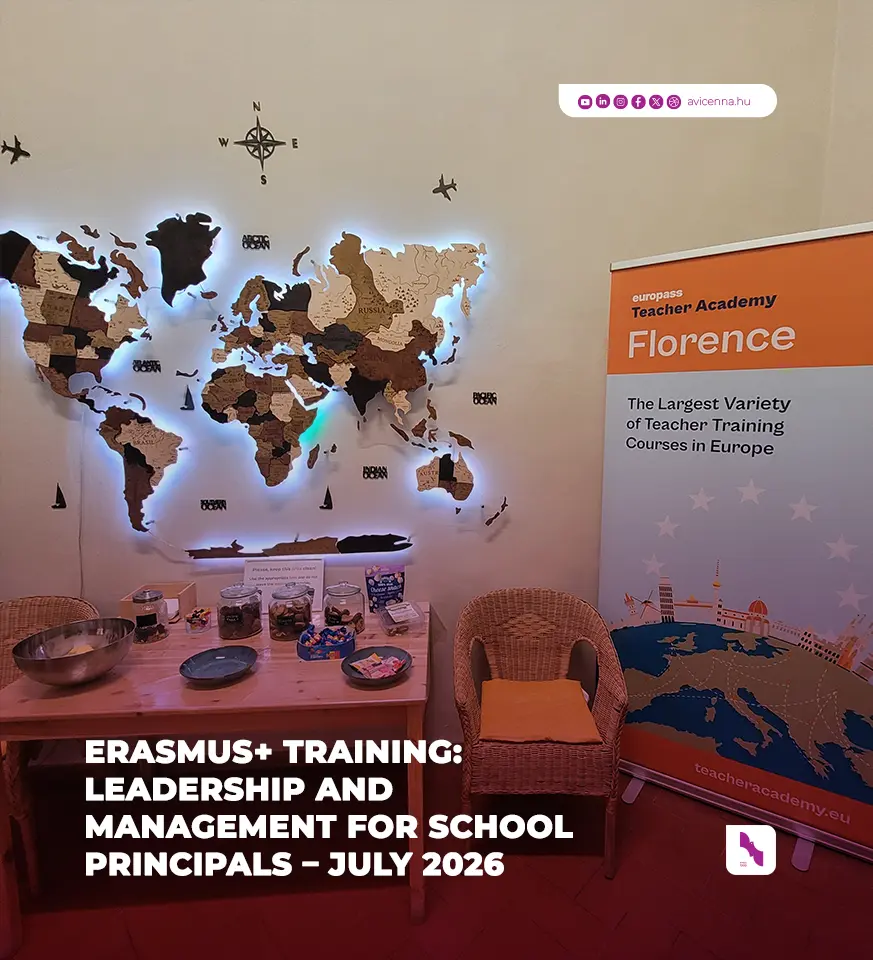
From 20 to 25 July 2026, I had the privilege of taking part in the Erasmus+ training course Leadership and Management for School Principals in Florence, Italy, as the final mobility of the 3rd year of our 5-year accreditation tenure. As the principal of Avicenna HS in Budapest for the past five years, I found this course to be a particularly relevant opportunity to reflect on my own leadership practice, learn from experienced colleagues from other European educational contexts, and explore new approaches to leading a school community effectively. The six-day programme brought together thirteen school leaders from five different countries, creating a diverse and stimulating international learning environment. The course was led by Roberta, an Italian-Brazilian former corporate leader whose professional experience brought a fascinating combination of business leadership perspectives, intercultural awareness, and practical insight into the realities of managing people and organisations.
Understanding the Difference Between Leadership and Management
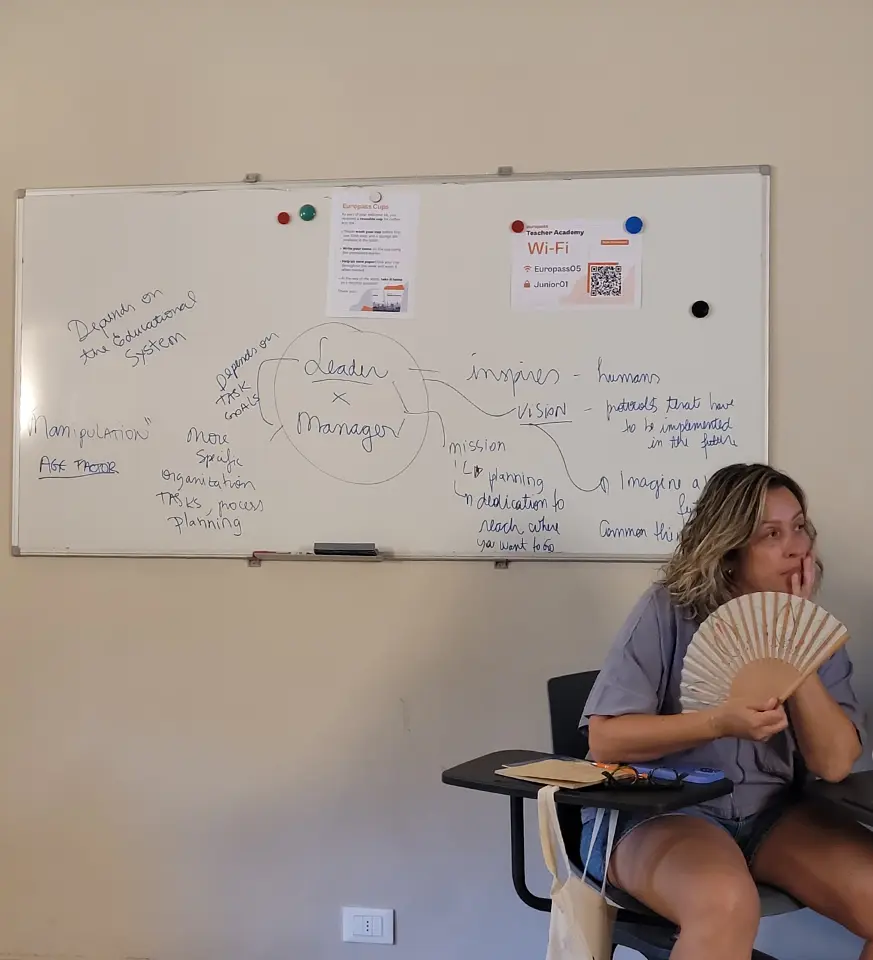
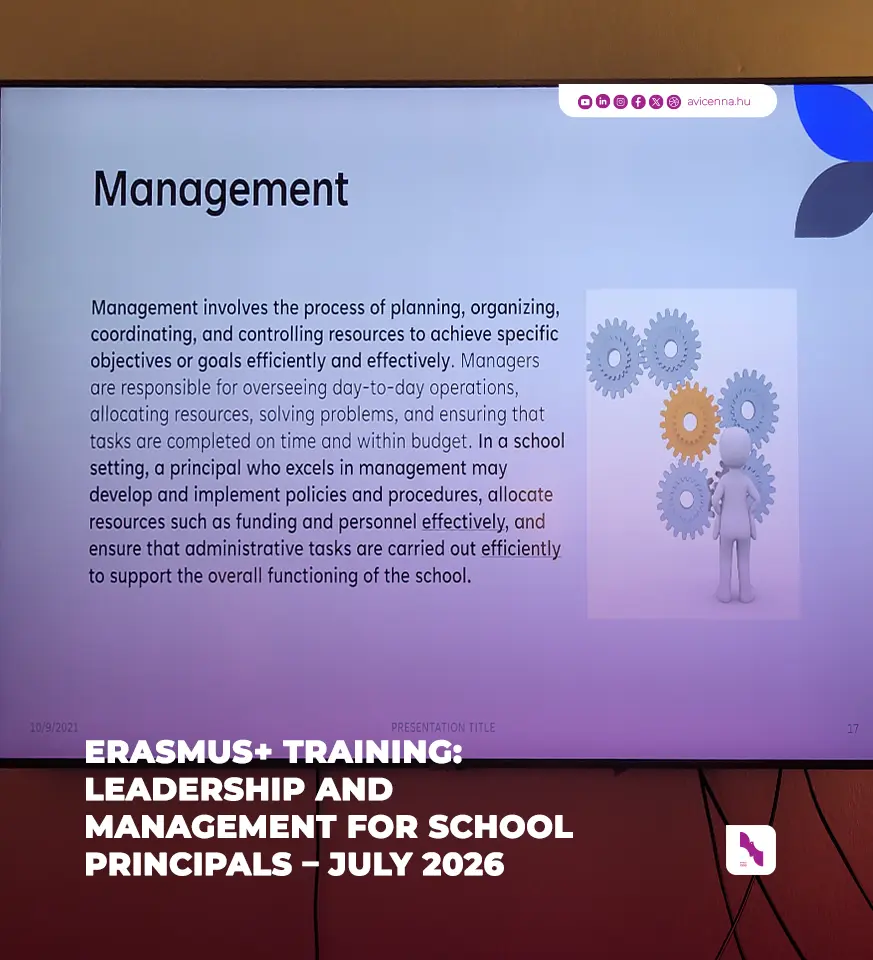
One of the central questions running through the entire course was the difference between a leader and a manager. Although the two roles are closely connected, they are not identical. A manager is often responsible for ensuring that systems function effectively: organising resources, setting schedules, monitoring performance, implementing procedures, and making sure that goals are achieved. A leader, on the other hand, focuses more strongly on people, purpose, direction, and change. A manager may ask, “How can we do this efficiently?”, while a leader is more likely to ask, “Why are we doing this, where do we want to go, and how can I inspire others to come with me?” In a school, these two dimensions are inseparable. A principal needs to manage the daily operation of the institution while also providing a clear vision and creating the conditions in which teachers, students, and the wider school community can grow.
Leadership Styles and Situational Leadership
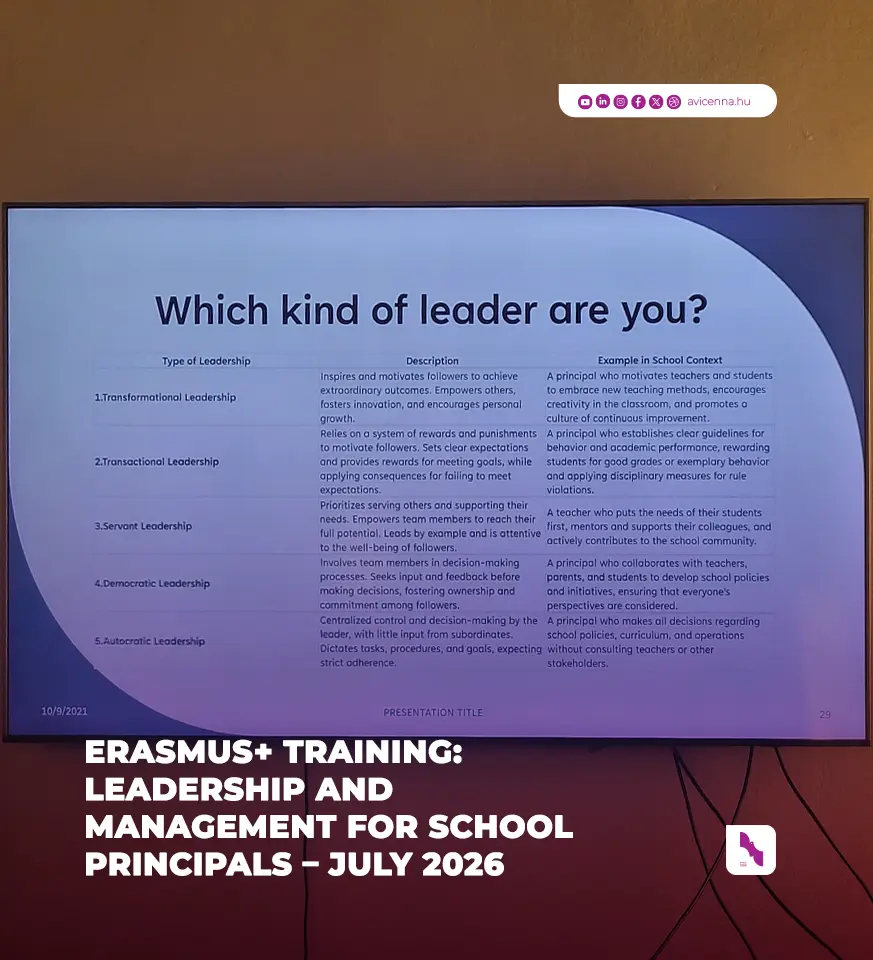
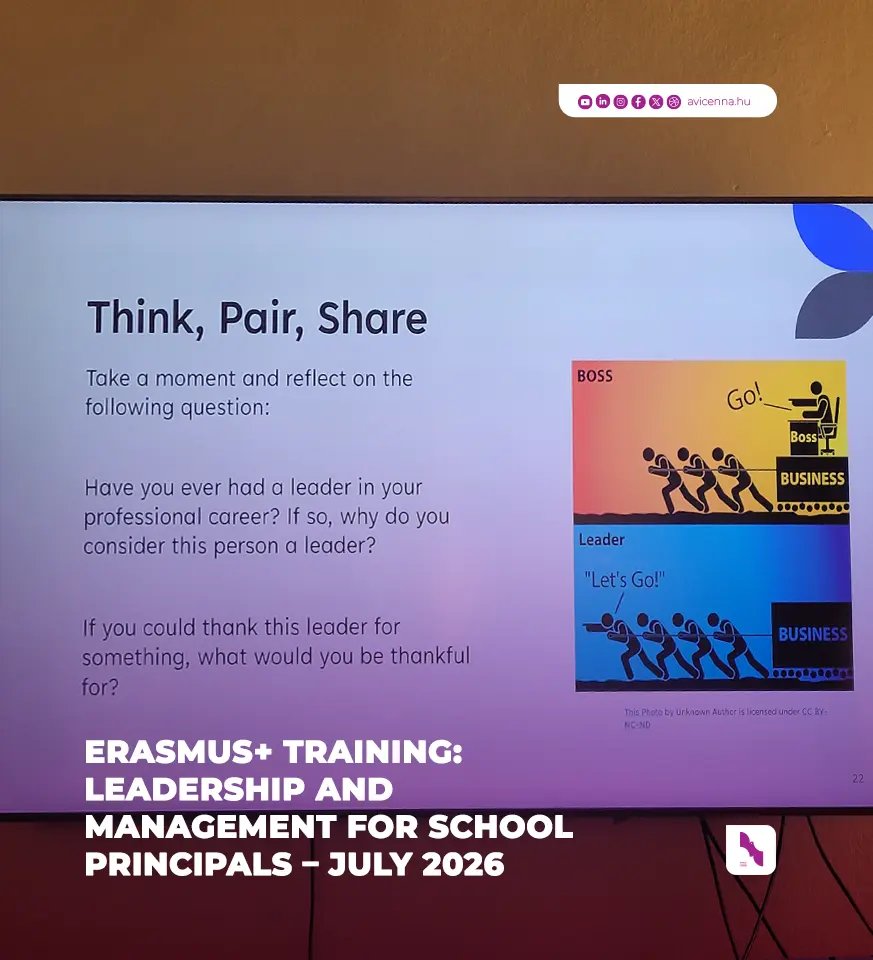
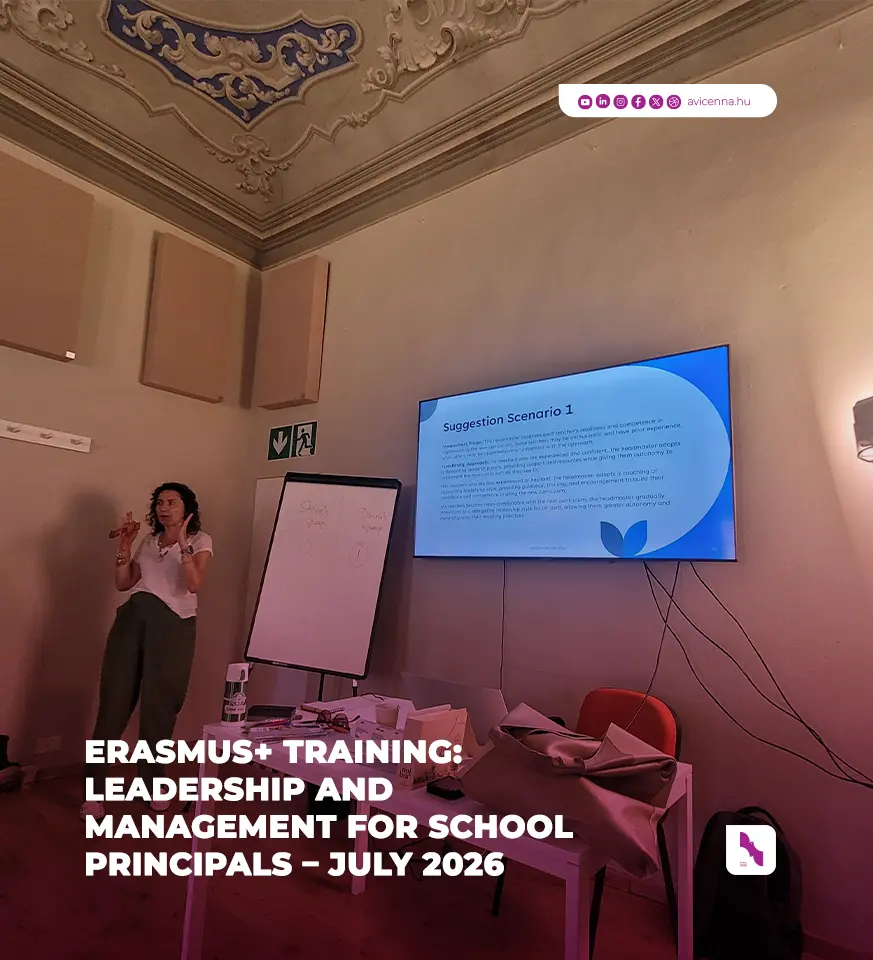
The course began by exploring different leadership styles and the concept of situational leadership. We were encouraged to consider what kind of leaders we are and, perhaps more importantly, whether our preferred leadership style is always the most appropriate one. Effective leadership does not necessarily mean using one fixed approach. Different situations and different people require different responses. Sometimes a leader needs to be decisive and provide clear direction; at other times, the most effective approach is to listen, support, delegate, and allow others to take ownership. This was particularly valuable for me as a school principal, because educational leadership involves working with people who have very different personalities, levels of experience, expectations, and motivations.
Time Management, Priorities, and Delegation
Another important theme was time management and defining a clear direction. School leaders face a constant tension between urgent daily demands and the longer-term strategic work needed to improve a school. We explored how personal values can help us establish priorities and make better decisions. One particularly practical area was learning how to say “no”. For many leaders, saying no can feel uncomfortable, especially when we genuinely want to support our colleagues. However, effective leadership also requires understanding our own limits, protecting time for important priorities, and avoiding the temptation to take responsibility for everything ourselves. Closely connected to this was the art of delegation. Delegating is not simply about transferring tasks; it is about trusting others, giving them responsibility, and promoting their professional growth.
Learning from International School Leaders
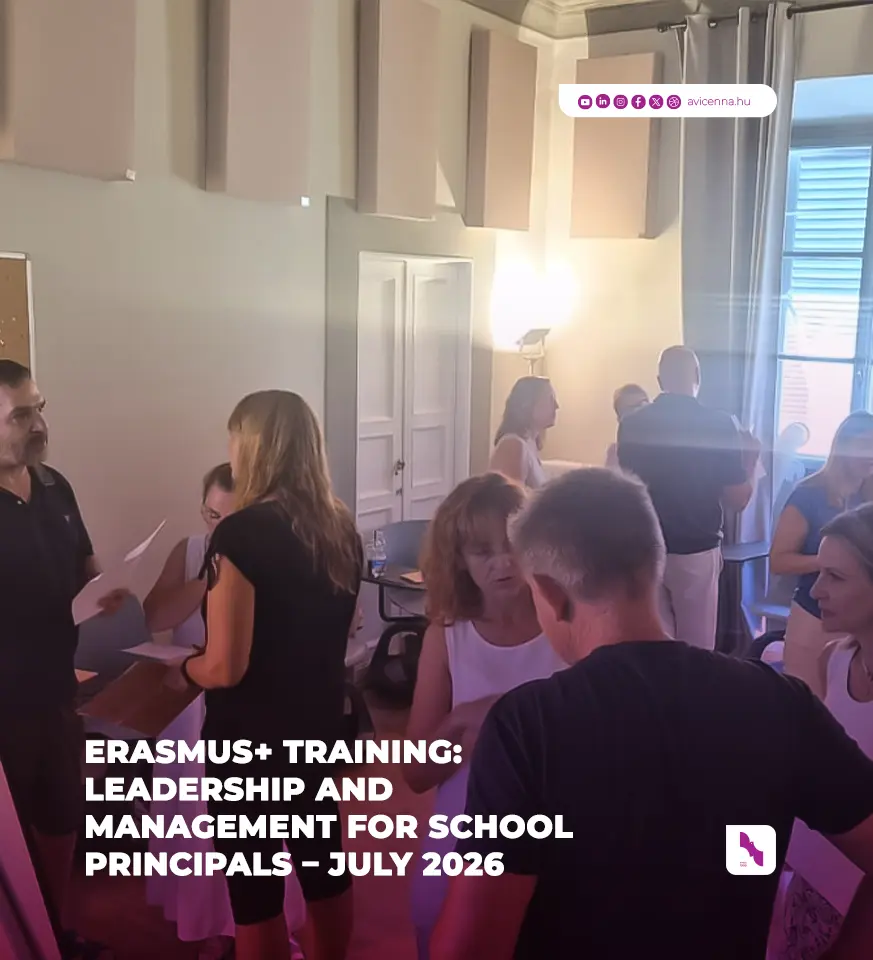
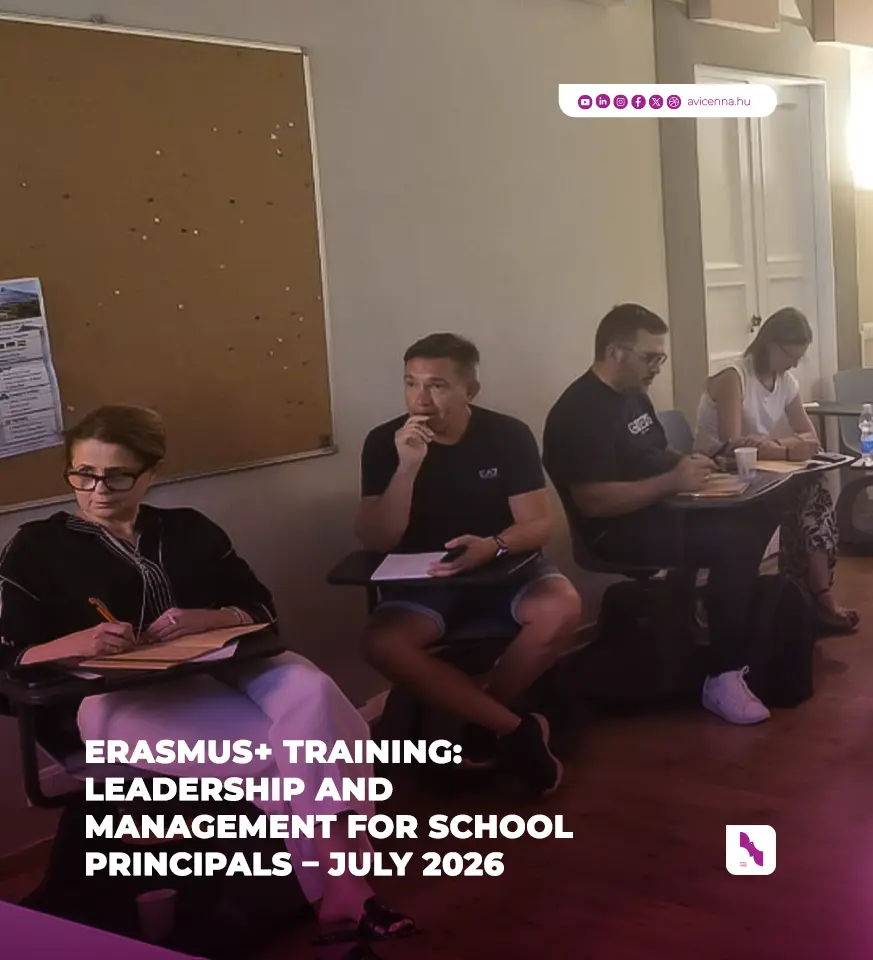
The international dimension of the course was equally enriching. We had the opportunity to present our schools and share our experiences as educational leaders. Hearing how schools operate in different countries highlighted both the diversity of European education systems and the common challenges faced by school principals. Despite differences in national contexts, we all spoke about similar issues: motivating staff, managing limited time, responding to change, supporting teachers, resolving conflicts, and creating a positive culture of learning. These conversations reminded me that Erasmus+ is not only about travelling to another country to attend a course. It is also about building connections, exchanging perspectives, and discovering that our challenges can often be better understood when viewed through the experiences of others.
Motivation and Creating a Positive School Culture
Motivation was another major focus. We examined the difference between intrinsic and extrinsic motivation and considered how leaders can better understand the needs of the people they work with. A school is ultimately a community of learners, and this includes adults as well as students. A strong leader therefore needs to create an environment in which people feel valued, trusted, and encouraged to develop. We discussed the importance of promoting a culture in which mistakes are viewed as opportunities for learning rather than simply as failures. Constructive feedback plays a crucial role in this process. Feedback should not be used merely to point out what went wrong; it should help people understand how they can improve and give them confidence to continue developing.
Emotional Intelligence and Active Listening
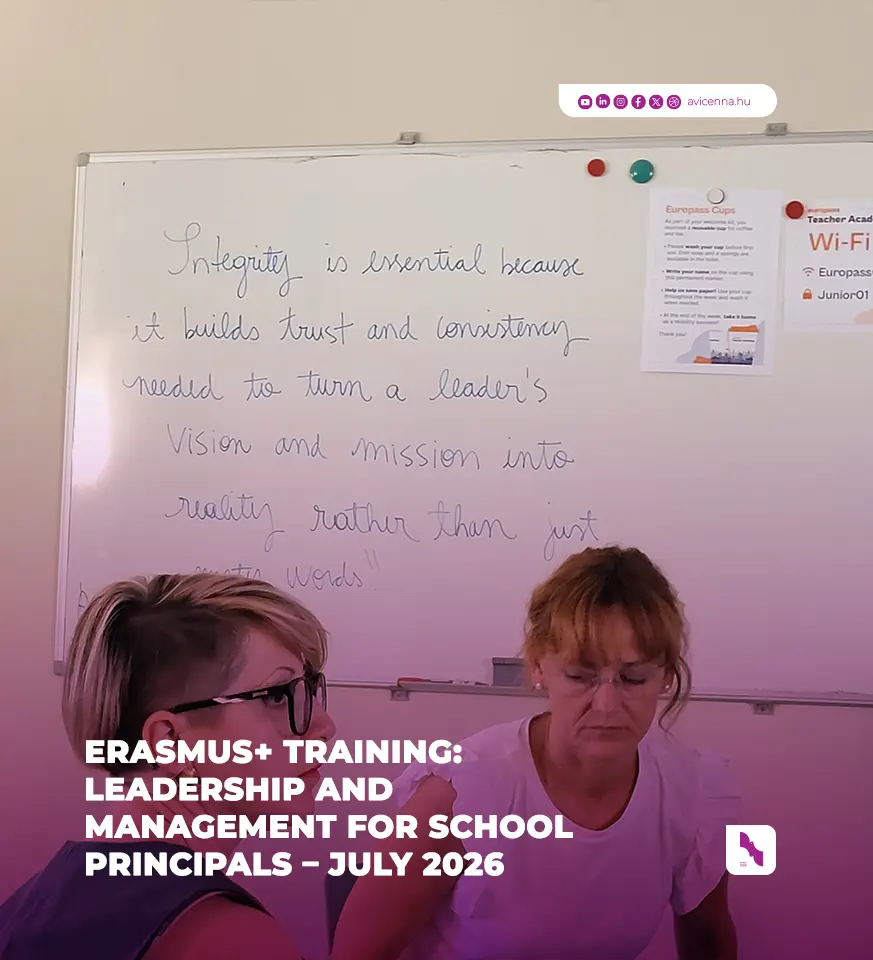
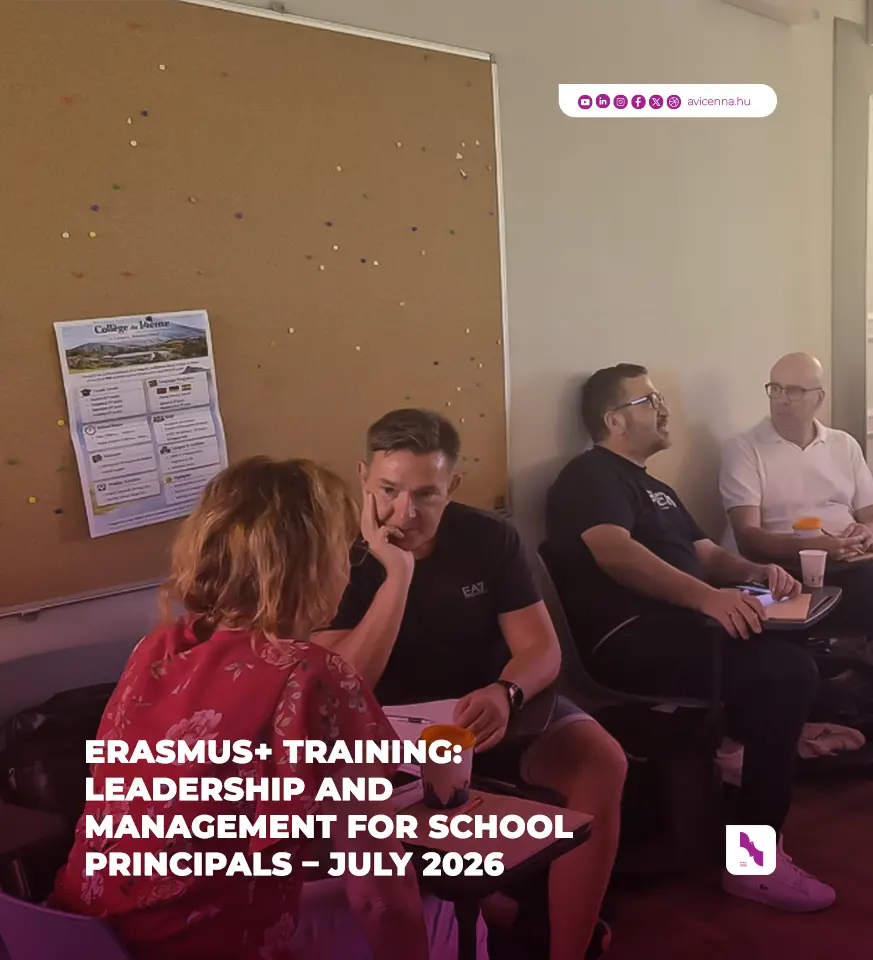
The course also encouraged us to look more deeply at how we understand other people. Through activities focused on personality styles, emotional intelligence, and active listening, we explored how individual differences influence communication. Emotional intelligence is particularly important in educational leadership, where decisions and interactions often have a strong emotional dimension. Active listening, in particular, requires more than simply hearing someone’s words. It means paying attention, asking questions, recognising emotions, and trying to understand another person’s perspective before responding. Developing these skills can help school leaders communicate more effectively and build stronger professional relationships.
Conflict Management and Coaching in School Leadership
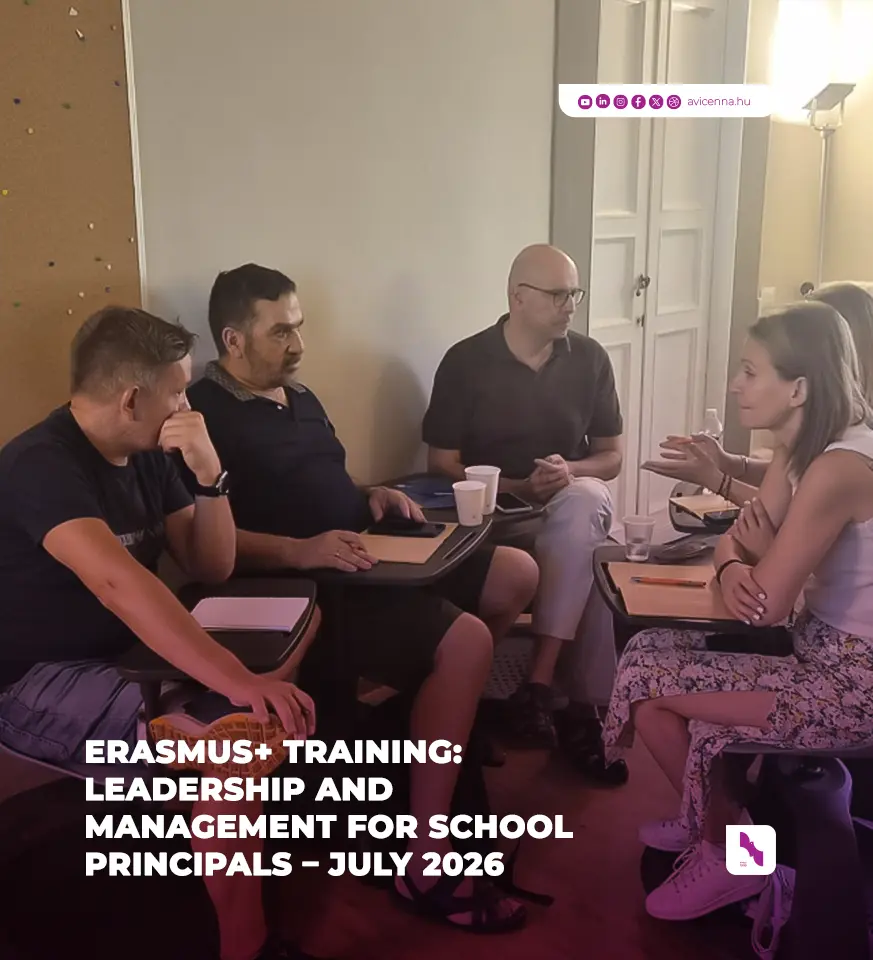
This naturally led to the topic of conflict management. Conflict is an inevitable part of working with people, and the aim of effective leadership should not be to eliminate all conflict but to manage it constructively. We explored approaches to mediation and discussed how leaders can remain calm, impartial, and solution-focused when disagreements arise. The role of coaches and mentors was also considered, reminding us that leadership is not always about having all the answers. Sometimes the most effective leader is the person who asks the right questions and helps others find their own solutions.
Discovering Florence and the Chianti Region
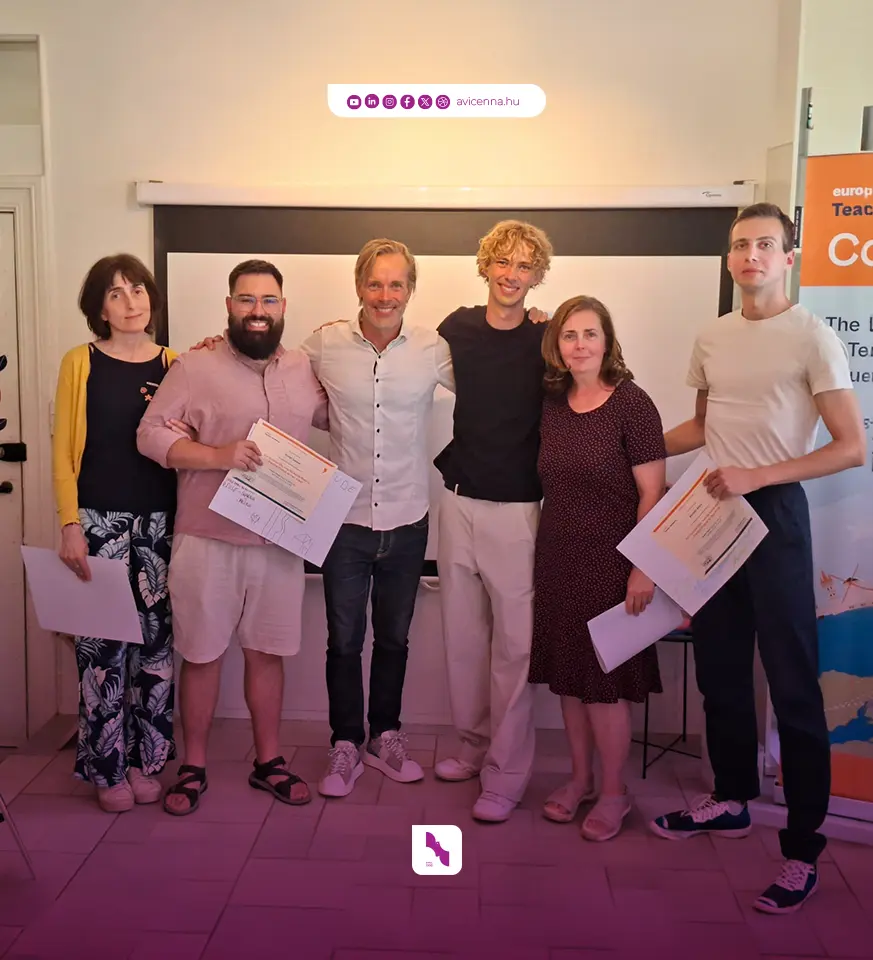
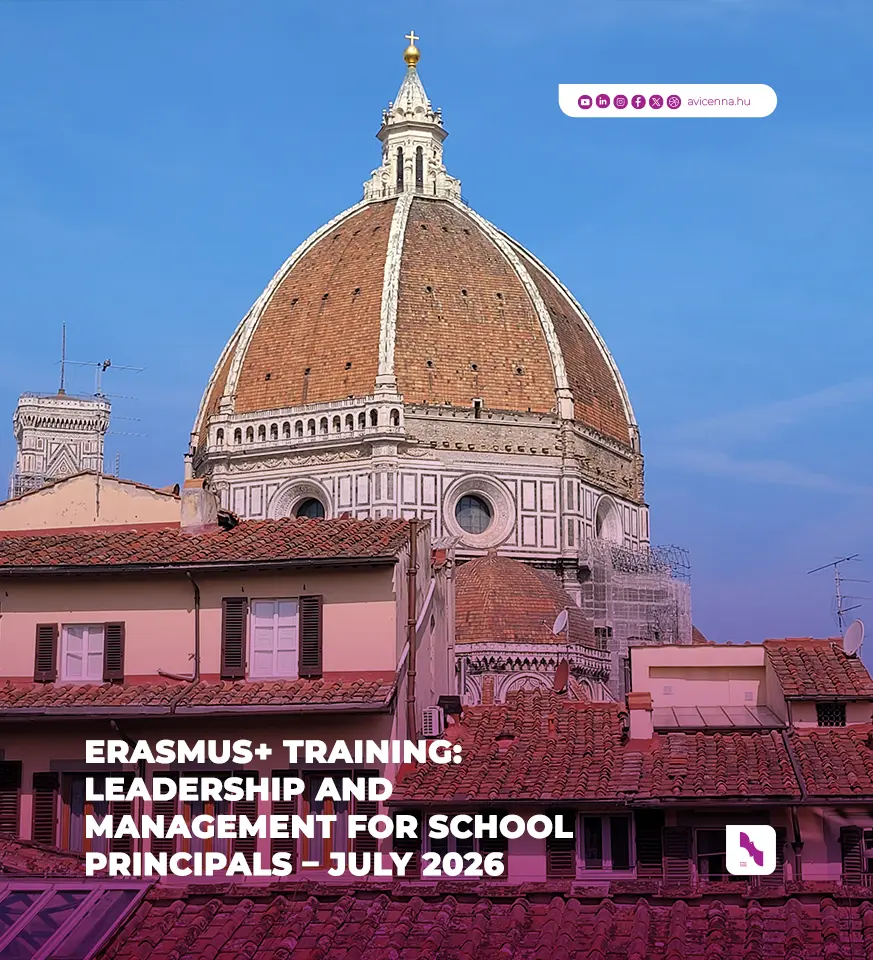
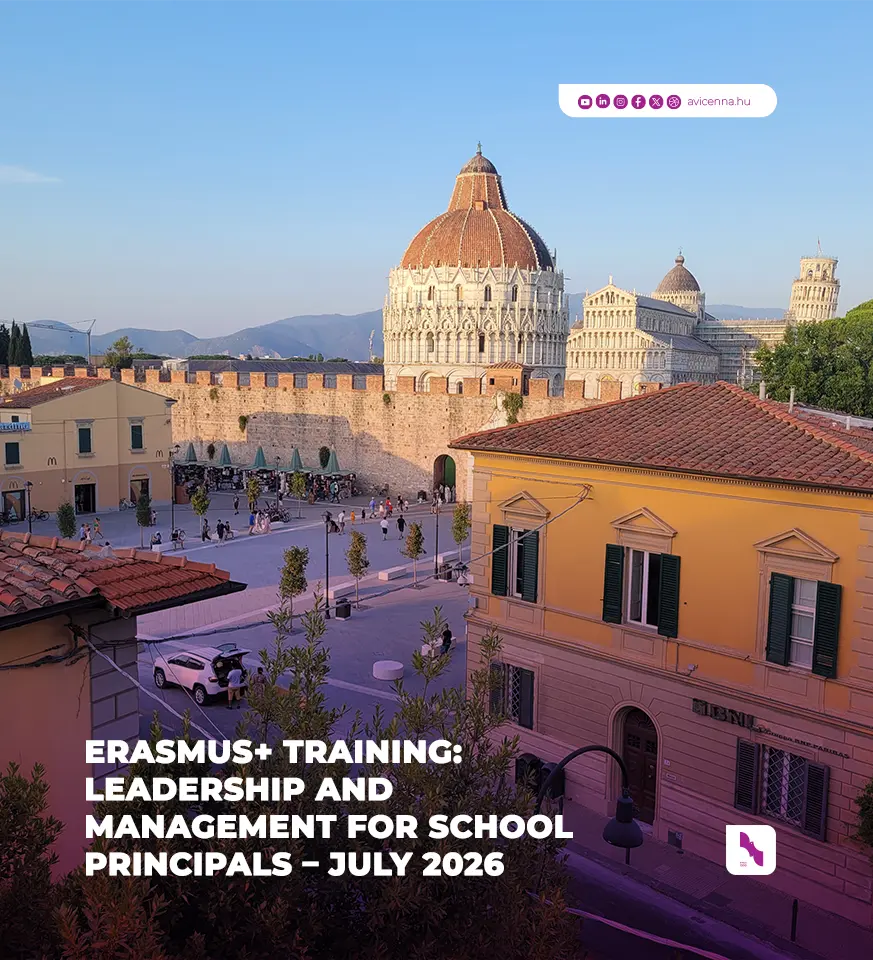
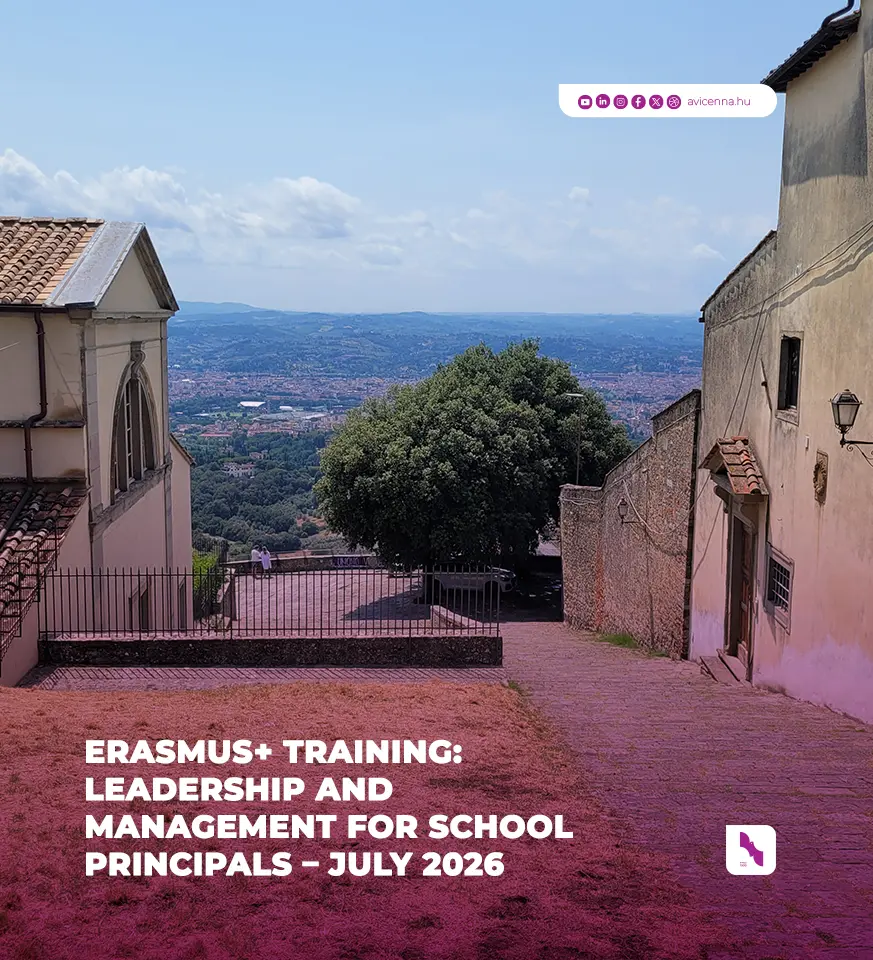
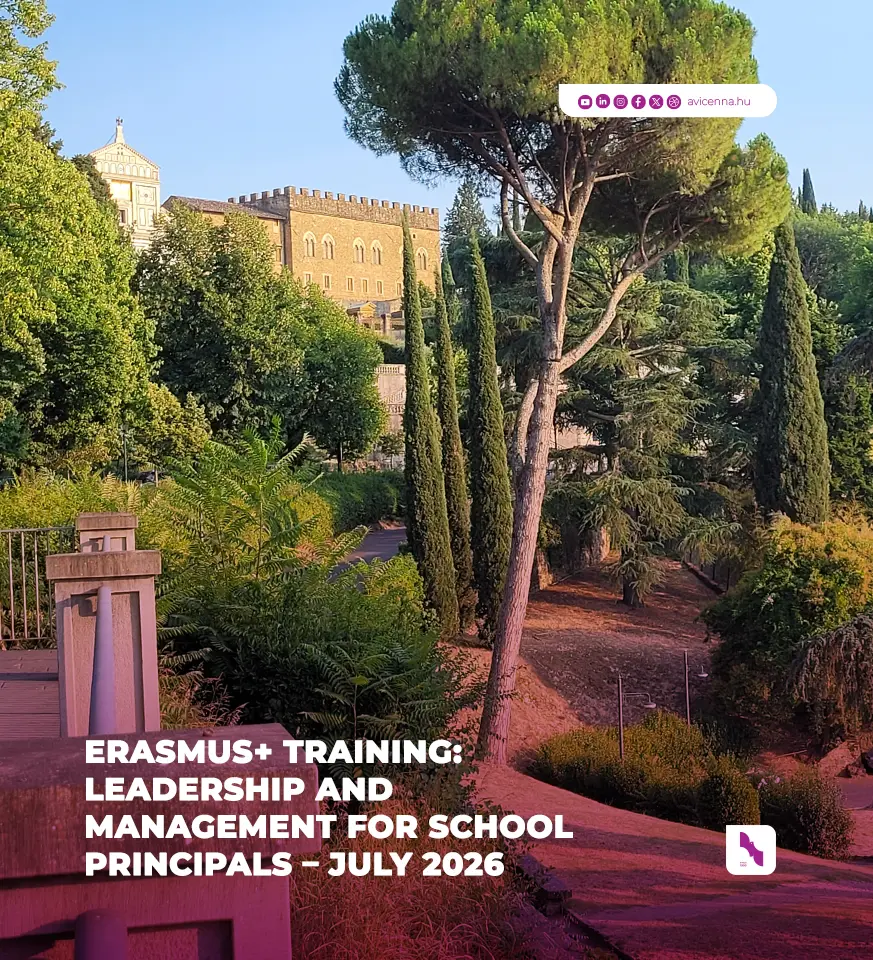
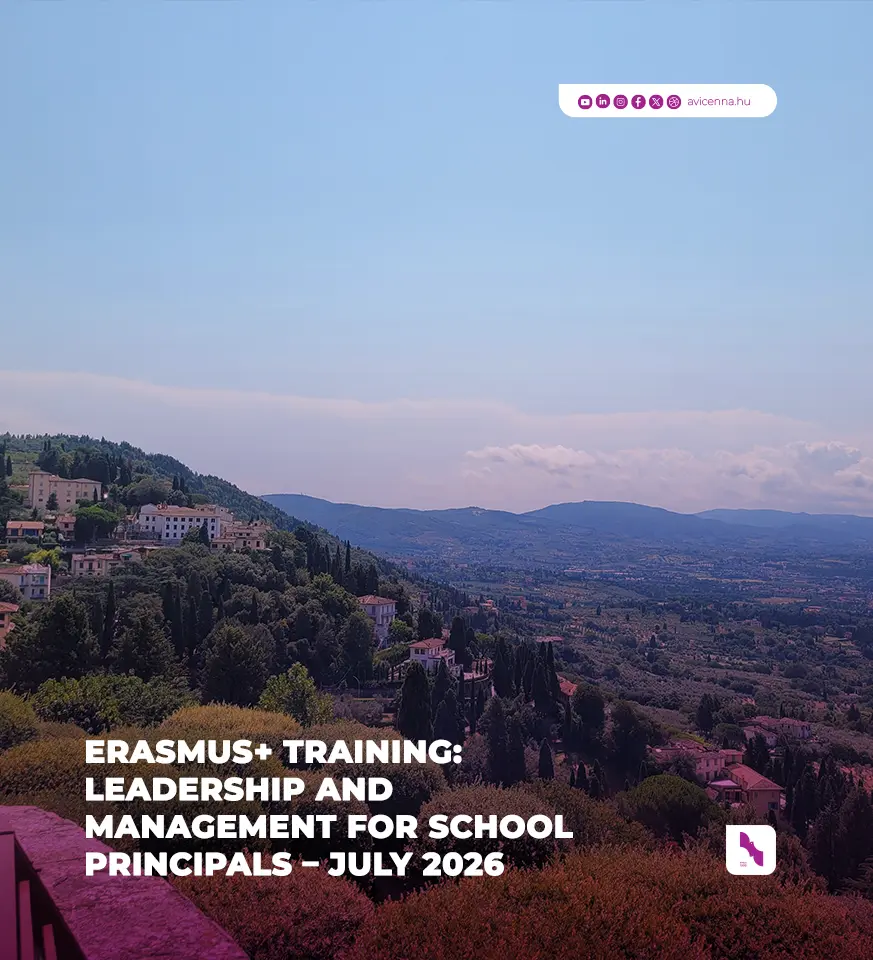
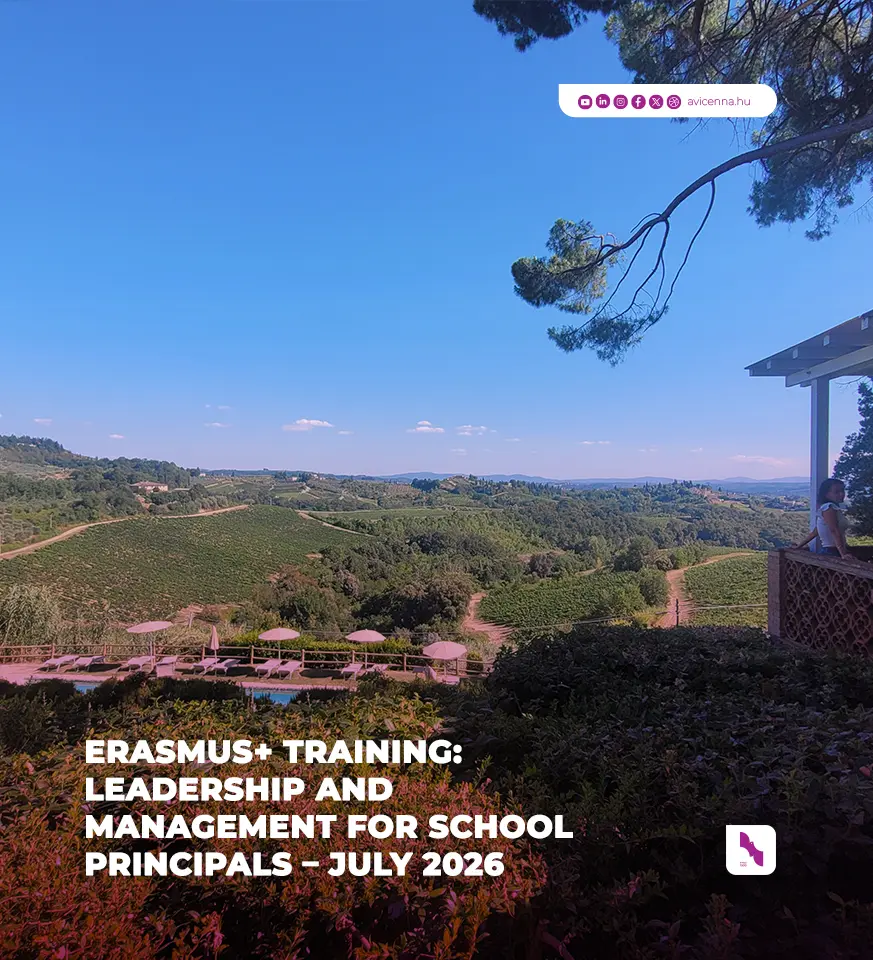
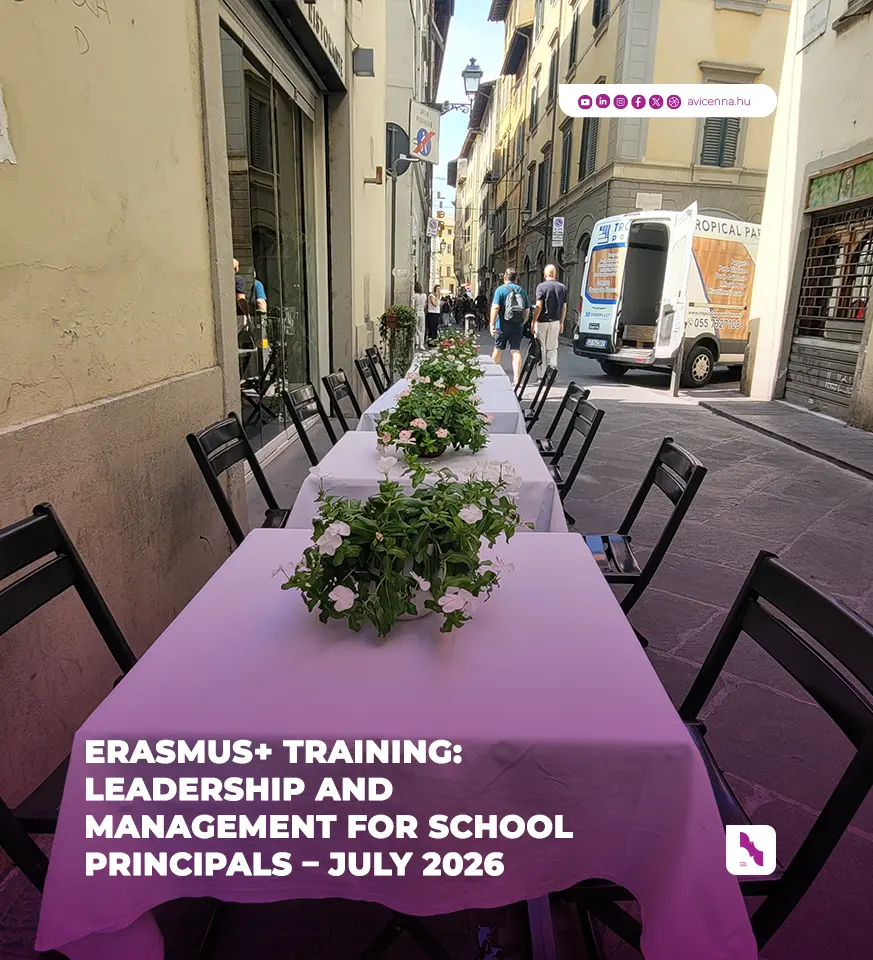
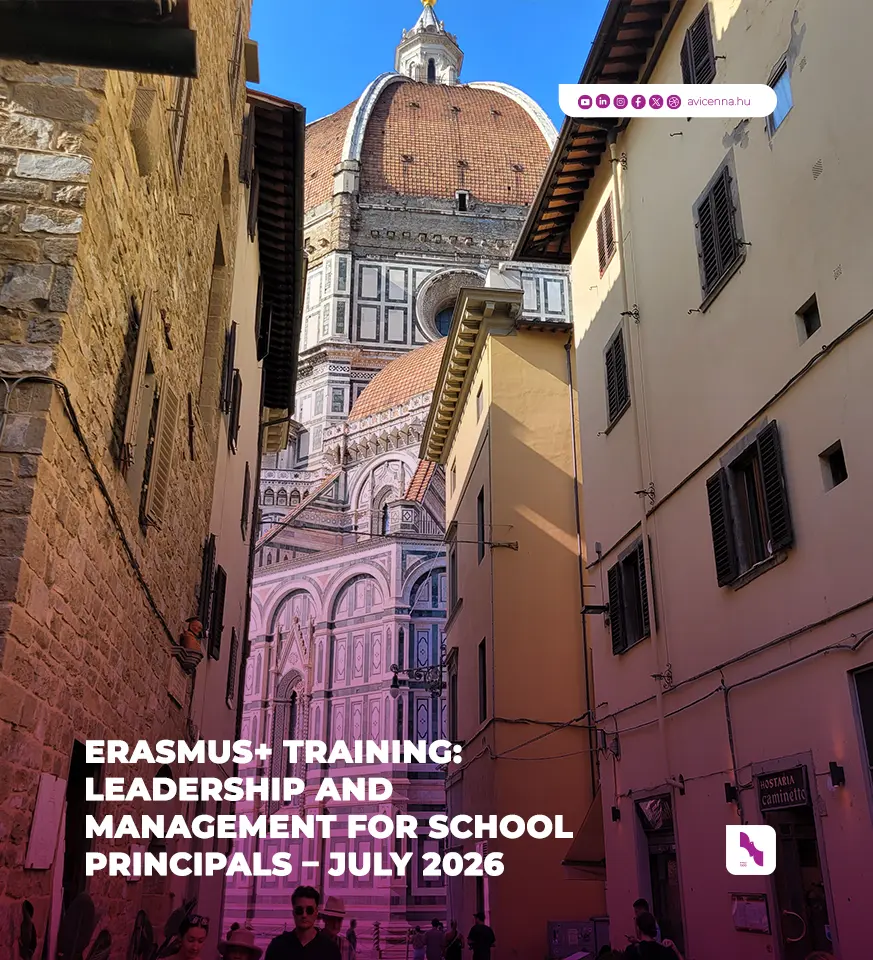
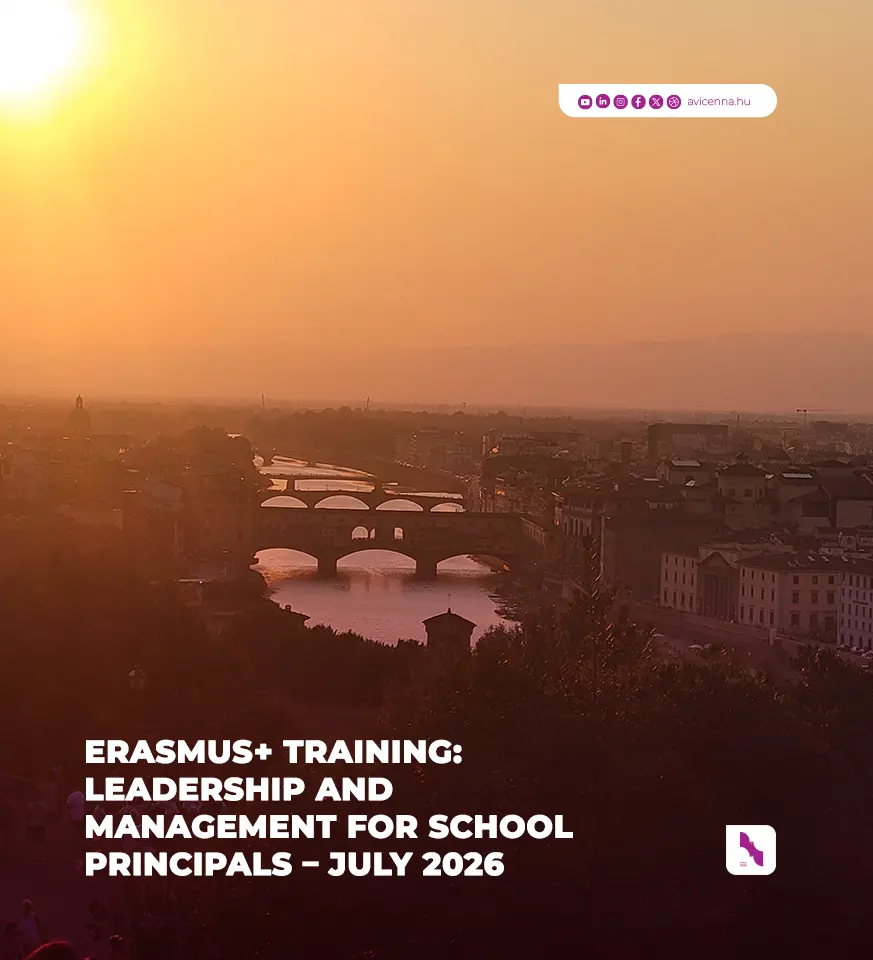
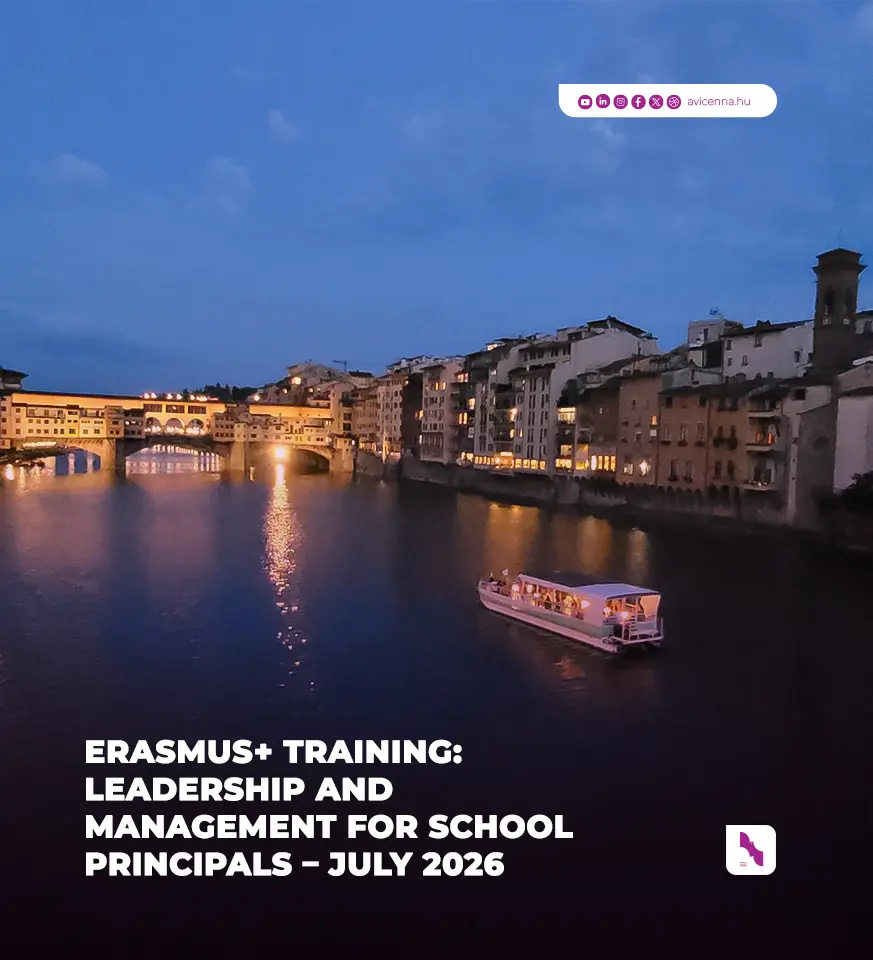
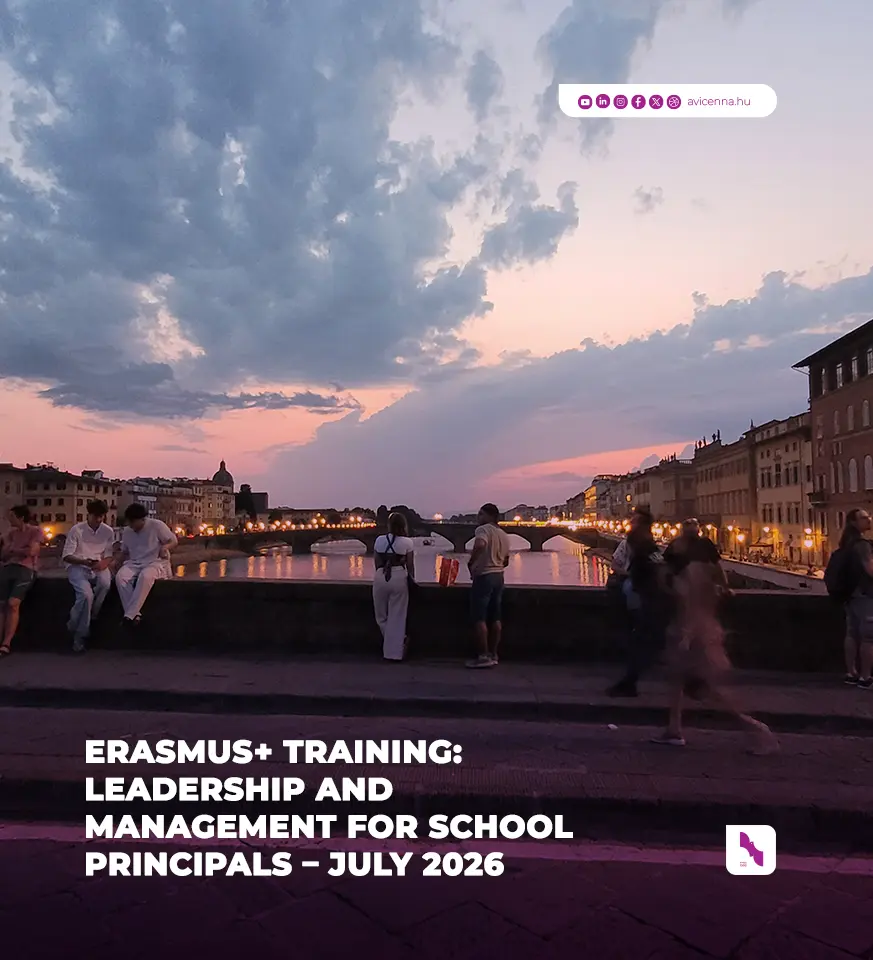
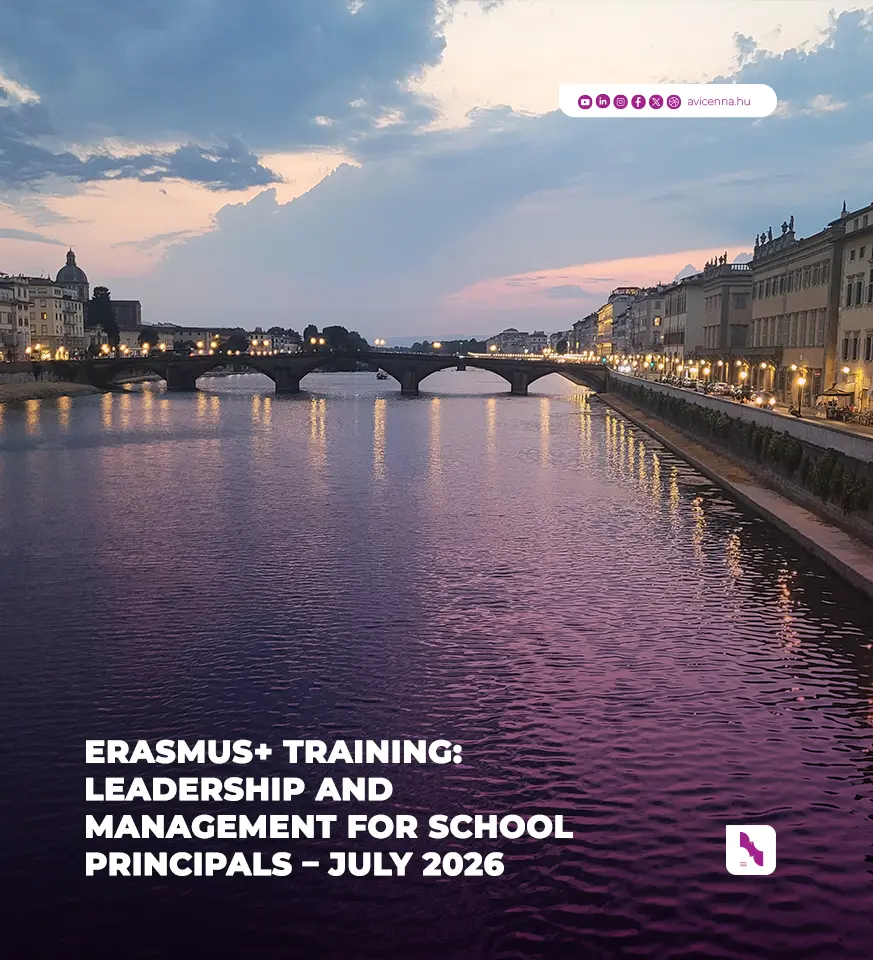
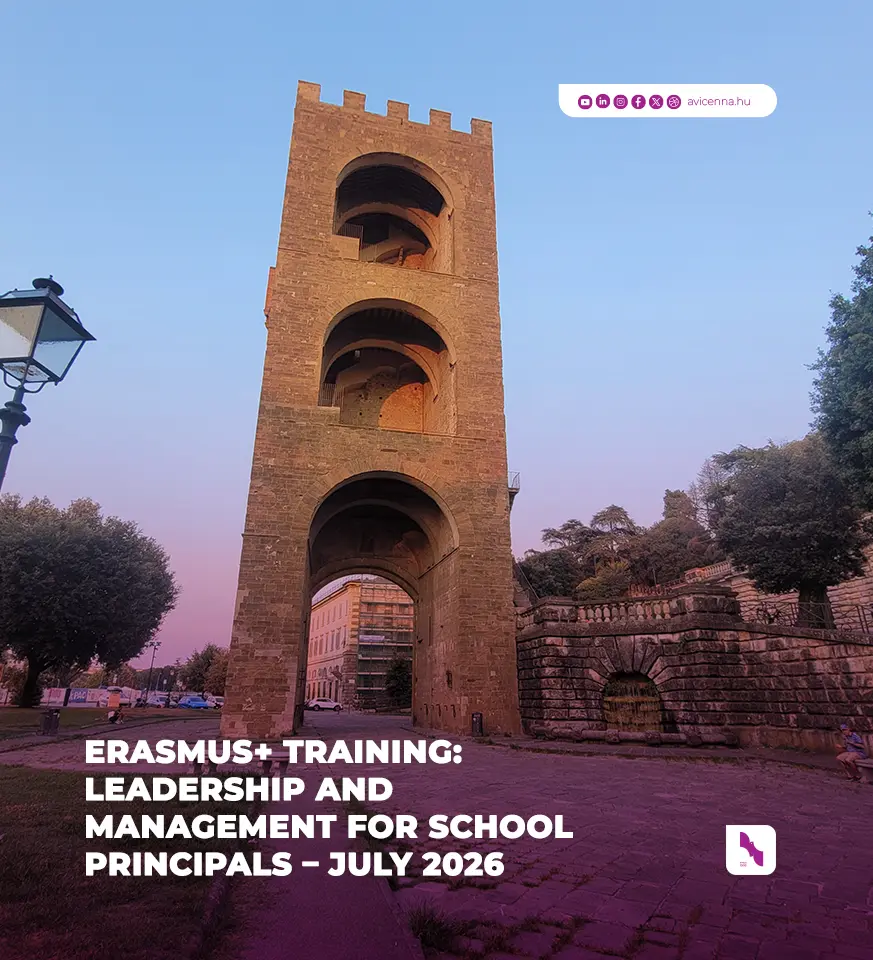
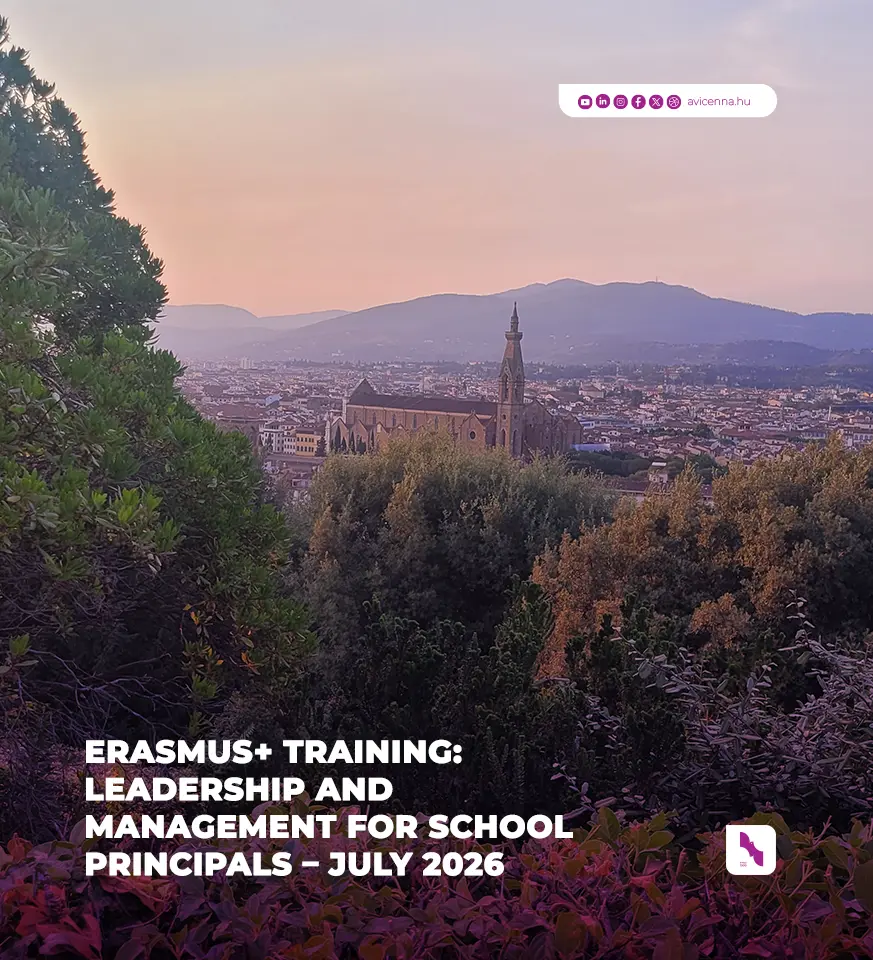
The six-day course concluded with reflection, evaluation, feedback, and the awarding of certificates. Yet the learning experience extended beyond the classroom. Our time in Florence also provided an opportunity to discover the cultural richness of Tuscany and to strengthen the relationships developed during the week. The highlight was a cultural excursion to the mesmerising Chianti wine region on Saturday. Surrounded by the rolling Tuscan hills, picturesque villages, vineyards, and breathtaking landscapes, we experienced another side of Italy and had the chance to connect with the culture and history of the region.
Reflections on the Erasmus+ Experience
Looking back, Leadership and Management for School Principals was much more than a professional training course. It was an opportunity to step away from the everyday demands of school leadership and reflect on what it truly means to lead people. I returned to Avicenna in Budapest with a deeper understanding of the balance between managing systems and leading people, as well as practical ideas for improving communication, delegation, motivation, feedback, and conflict management. Most importantly, the experience reinforced my belief that effective school leadership is not about having power over others, but about creating the conditions in which others can succeed.
The Ongoing Journey of Educational Leadership
The Erasmus+ experience in Florence reminded me that leadership is a continuous journey of learning. A good manager ensures that the school functions; a good leader helps the school move forward. The best principals, however, must strive to be both: capable managers of complex organisations and inspiring leaders who give people a sense of direction, purpose, and belonging. This week in Florence gave me valuable tools and new perspectives to continue that journey.