

Before Researchers’ Night, we asked our students to arrive with questions.
On 25 September, those questions travelled with them across Budapest. Instead of spending the afternoon reading about science and technology, students entered laboratories, universities and research environments where ideas were being tested, demonstrated and discussed in front of them.
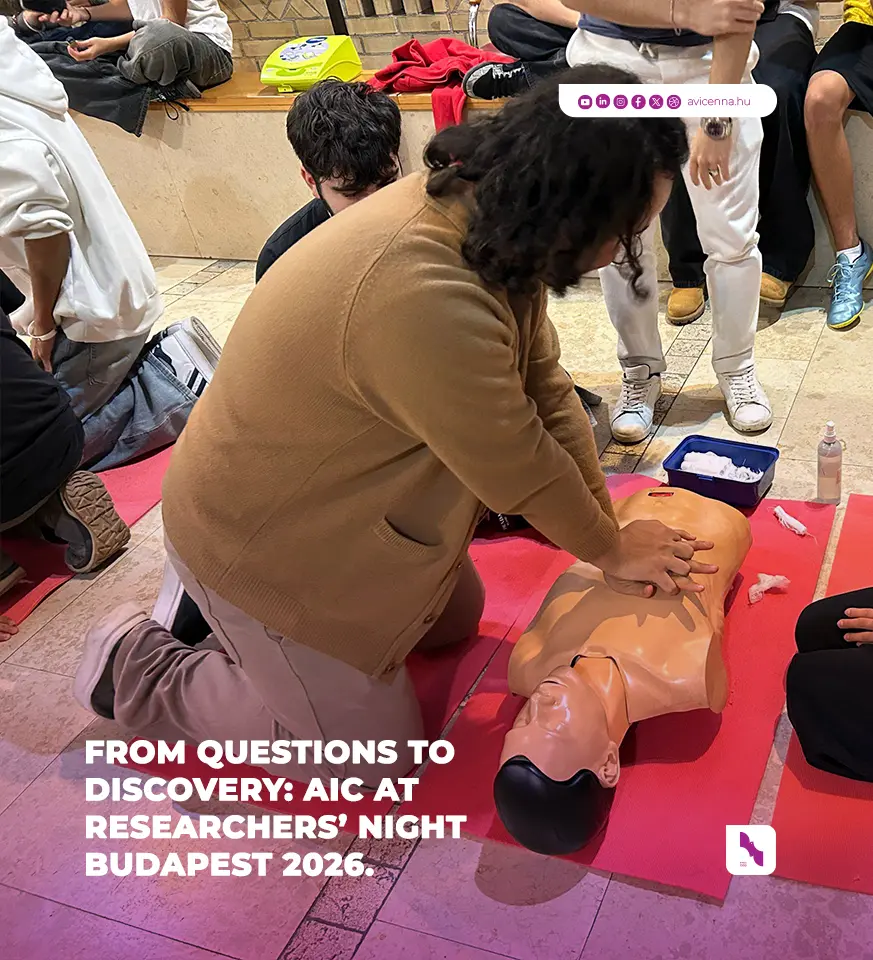
Some practised CPR. Others stood beside chemistry experiments, explored artificial intelligence and robotics, encountered future communication technologies or examined the physical world through microscopes.
The subjects were very different, but the educational value came from the same place: students were no longer receiving knowledge from a distance. They were engaging with it.
When Science Becomes Something You Can Experience
For students in the Life and Medicine group, one of the strongest parts of the evening was the opportunity to experience practical science.
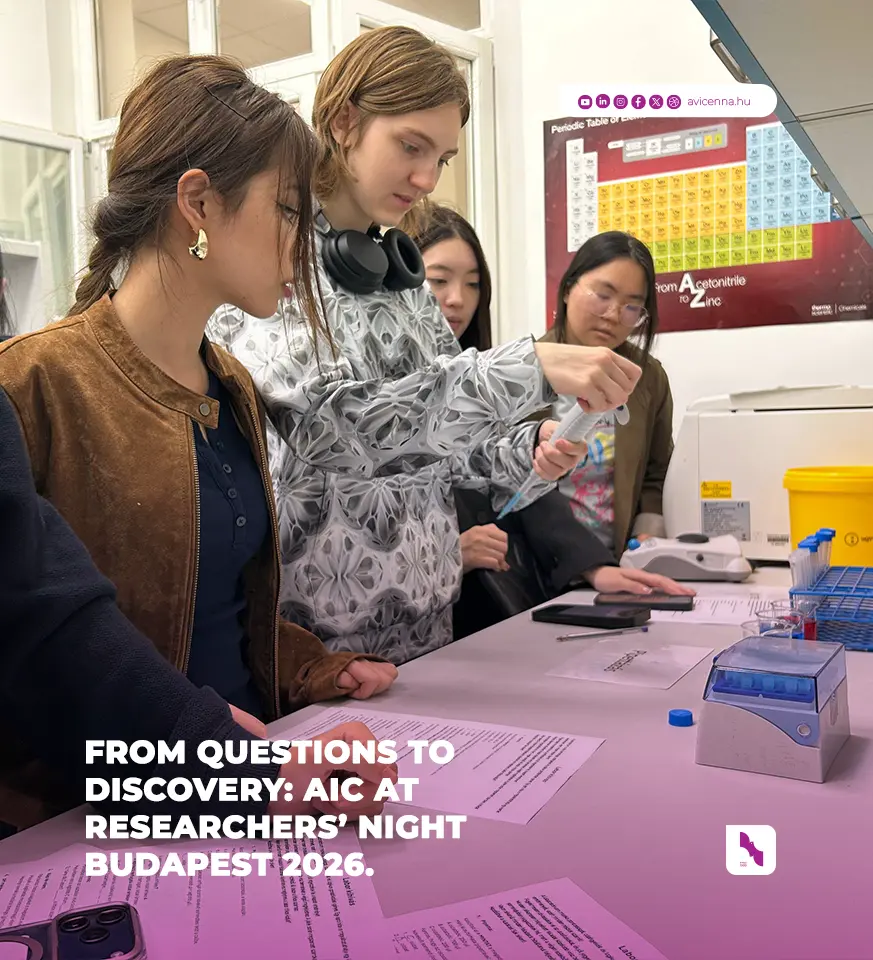
The CPR activity gave students a chance to work with life saving techniques rather than simply hear about them. Chemistry activities brought them into a laboratory environment where they could observe experiments closely and discuss what was happening with the adults around them.
At the Hungarian University of Sports Science, students were also exposed to research at a more advanced academic level. This was particularly meaningful for older students who could begin to recognise how subjects they study at school develop into university research.
The evening also revealed something that teachers see repeatedly in good learning environments. Engagement became strongest when the subject connected with a student’s genuine interest.
Students who were already curious about medicine or science naturally moved closer, asked more questions and wanted to understand more. That observation will matter when we design future experiences.
Meeting the People Behind the Technology
The AI and Future group encountered another side of research.
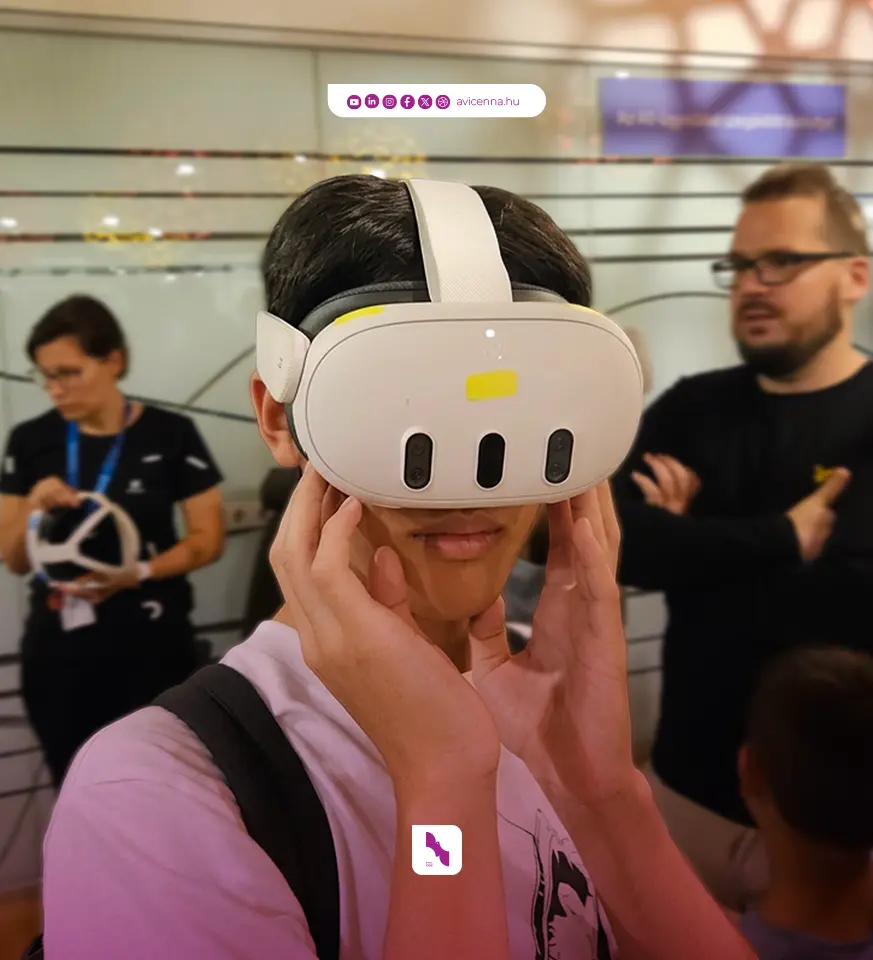
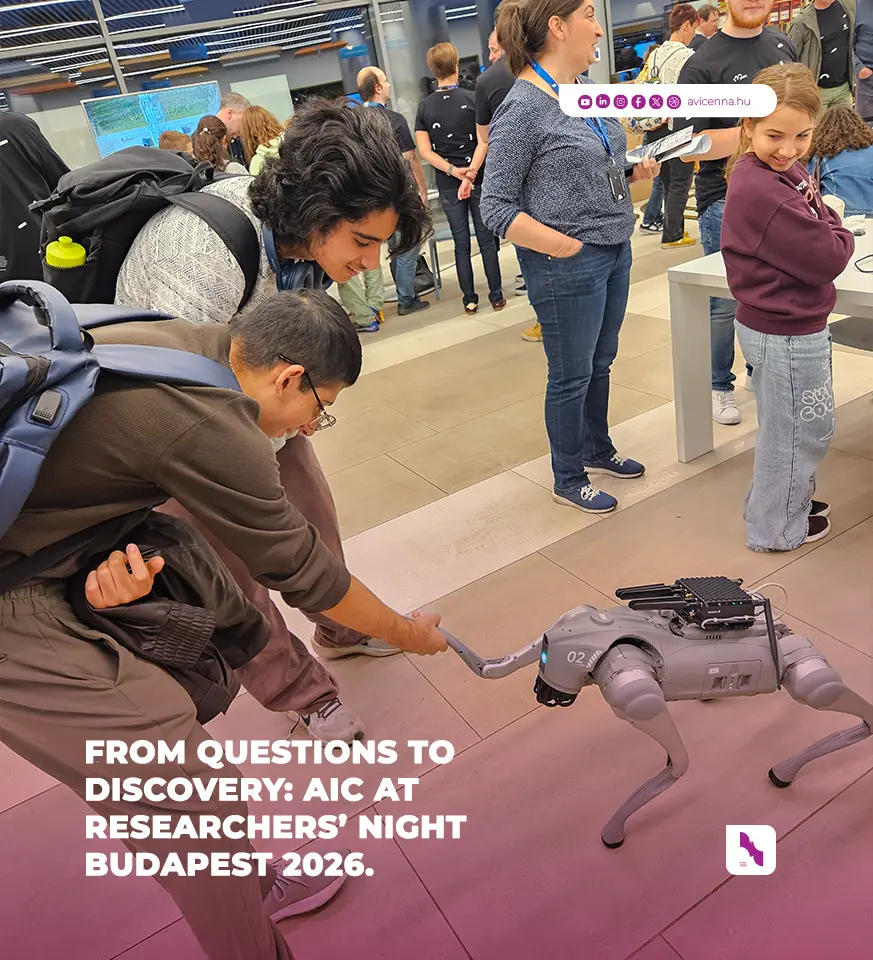
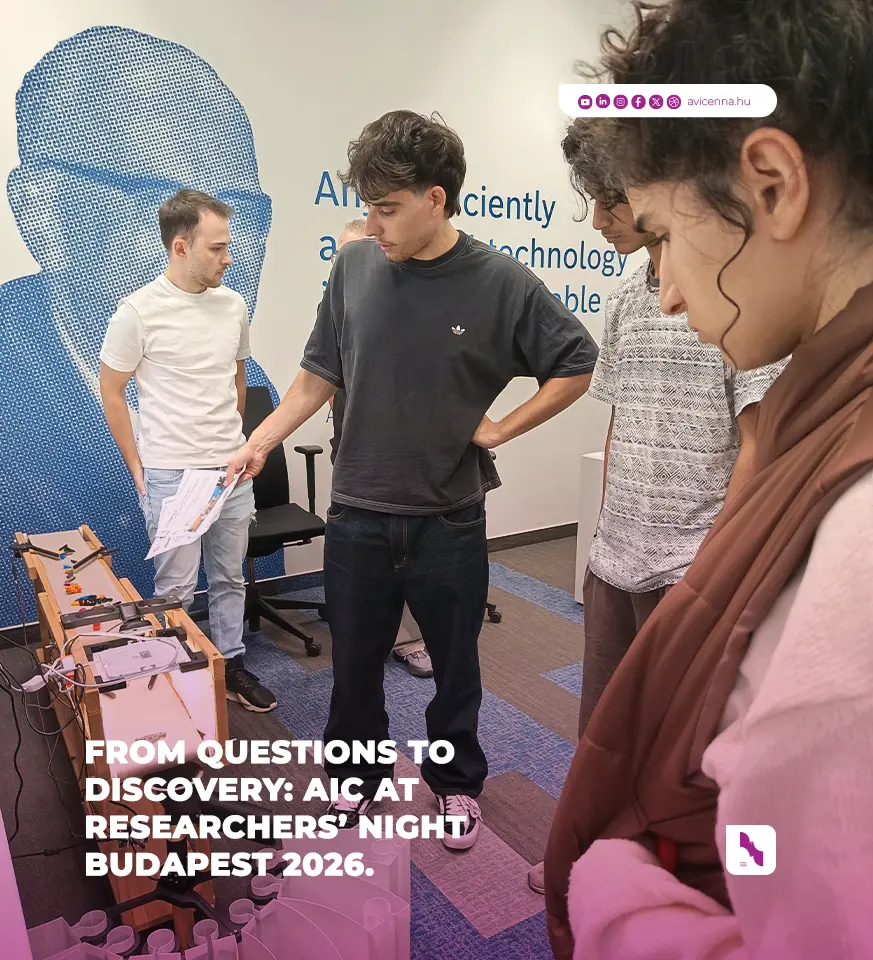
Students saw technologies involving artificial intelligence, robotics, autonomous systems, virtual reality and experimental human computer interaction. Activities included intelligent recognition systems, interactive games, self driving technology and demonstrations connected with future communication networks.
At several venues, students were able to speak directly with the people who had designed or developed the projects. That human contact was just as important as the technology itself.
A finished device can look impressive. A conversation with the person behind it reveals the choices, problems and failures that came before the final result.
Students could ask why something had been built in a particular way, how it worked and what its creators hoped to achieve next.
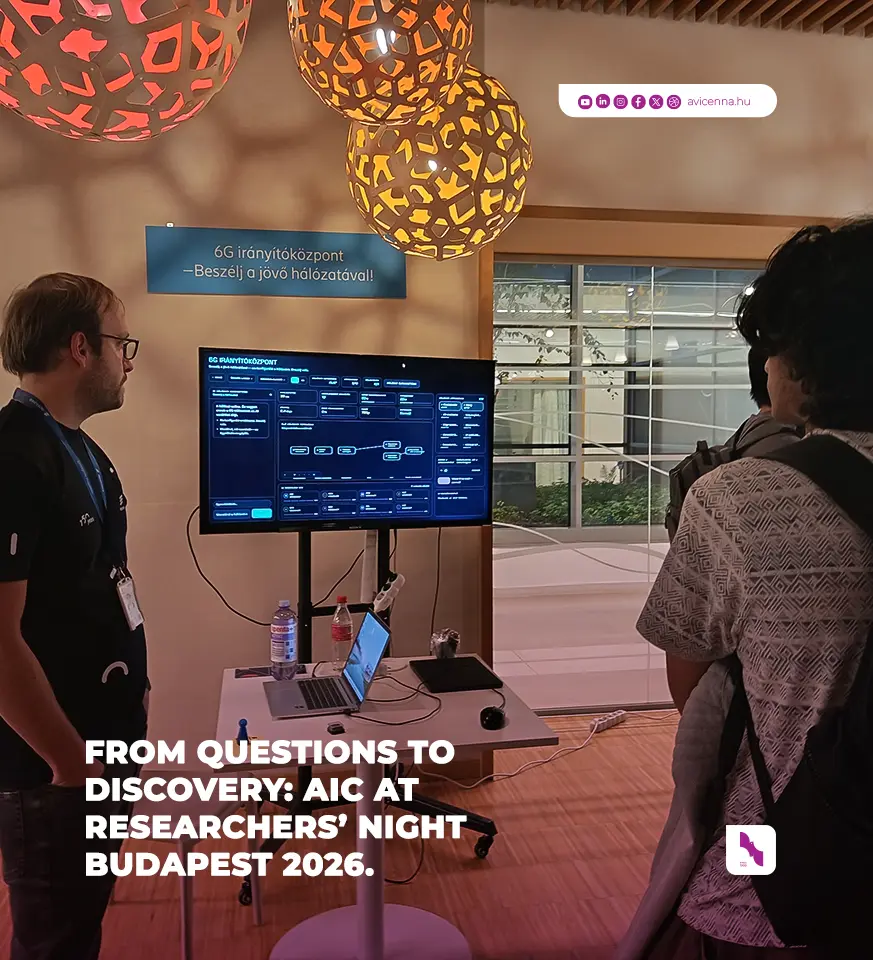
At one point, the group encountered a demonstration around 6G technology. Something that might otherwise sound distant and abstract became a subject students could stand in front of, discuss and question.
This is one of the reasons experiences like Researchers’ Night matter. The future becomes less mysterious when students can meet the people already working on it.
Looking at the World Differently
The Planet and Society route created a different kind of curiosity.
At Ludovika, students encountered robotic technology operating on water and saw how monitoring and autonomous systems can be used beyond the laboratory.
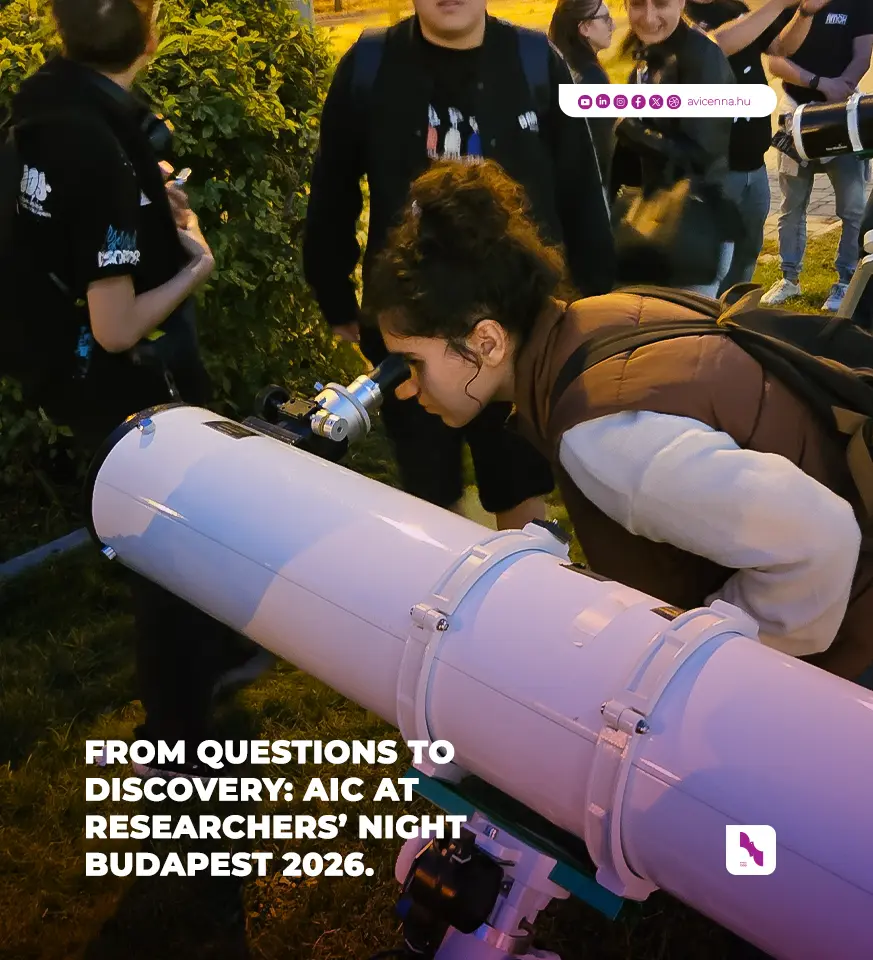
At the Bay Zoltán Research Centre, practical activities brought energy conversion and scientific observation into reach. Students could even examine samples under microscopes and compare the thickness of their own hair.
Later, the mineral collection at ELTE offered another reminder that research often begins with careful observation.
These activities may belong to different disciplines, but they encourage the same habit of mind: look carefully, notice what others may overlook, and ask what the evidence can tell you.
What Our Teachers Noticed
Our teachers returned with their own observations.
They saw students who were patient, polite and genuinely curious. Many asked questions, volunteered to try activities and engaged directly with presenters. Some students were more active than others, which is natural in a large and diverse group, but the overall response was positive.
They also noticed how strongly engagement grew when students felt a personal connection to the subject. AIC serves a diverse student community, so the same activity will not speak to every learner in the same way. This is one reason choice matters in learning beyond the classroom.
The goal of an educational visit is not simply to move a group of students through a programme. It is to create conditions in which students can connect new experiences with their own interests, questions and future possibilities.
That is a lesson we will carry into future programmes.
What the Experience Taught Us
An educational visit also teaches the institution that organises it. Moving through several learning environments across Budapest reminded us how much thoughtful planning matters outside the classroom.
Timing, accessibility, organisation and opportunities for direct participation all shape the quality of an experience. These are not separate from learning. They help determine whether students have the time and space to observe, ask questions and stay engaged.
For parents, this is an important part of how AIC approaches activities beyond the classroom. The goal is not to fit as many stops as possible into a day. The goal is to create experiences that are safe, purposeful and worth reflecting on afterward.
Researchers’ Night gave us useful insight into how we can make future learning experiences even more focused and meaningful.
One Student Said It Best
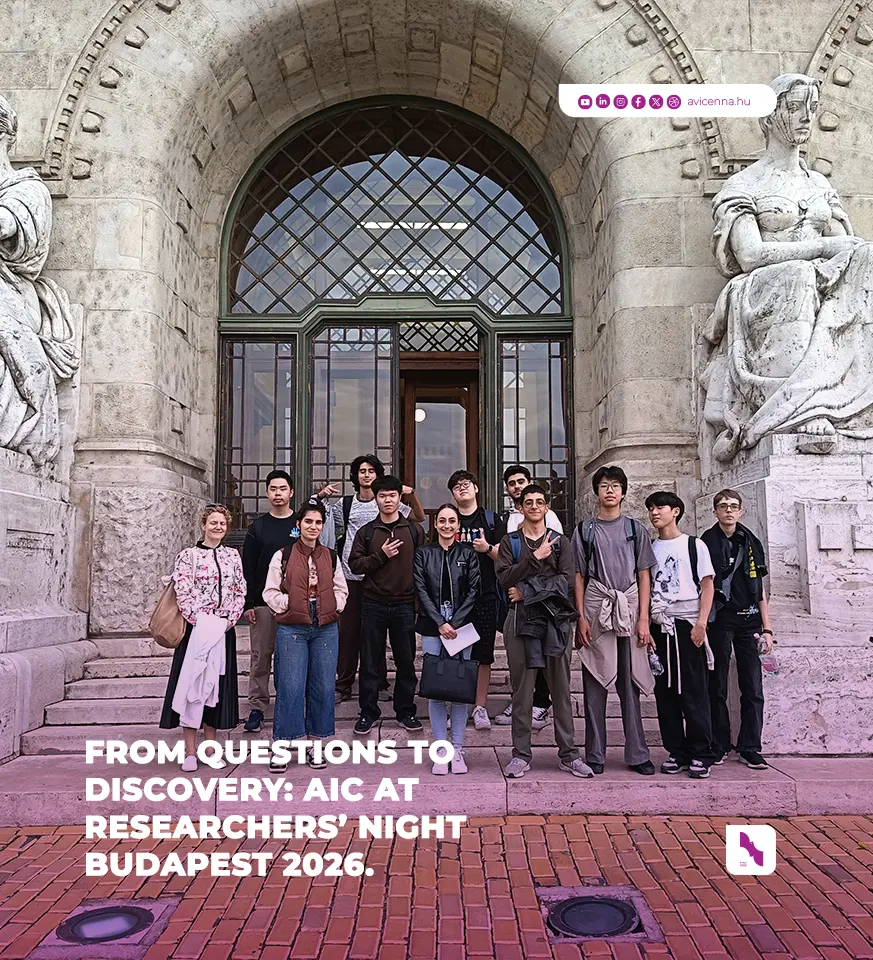
At the end of the evening, several students thanked their teachers for taking them.
One student had only recently arrived in Hungary.
After spending the evening exploring Budapest through science and technology, the student told the team:
“It was my best day in Hungary so far.”
That sentence stayed with us.
It was not only a comment about an event.
For an international student, learning can also become a way of entering a new city, meeting new people and beginning to feel that a place belongs to them.
This is where academic experience and belonging sometimes meet in unexpected ways.
The Experience Did Not End That Evening
Researchers’ Night was never intended to end when the students returned to AIC.
Students were asked to reflect on what they had observed and to write about the experience in their own words.
The purpose is not to test whether they can remember a list of activities. We want to see what they noticed, what surprised them, what questions remained and whether something they encountered changed the way they think.
That reflection is important because experience alone does not automatically become learning.
Students need time to interpret what happened and connect it with what they already know.
Once those reflections have been collected, they will give us another view of the evening, this time through the students’ own thinking.
What Learning Beyond the Classroom Really Looks Like
Before Researchers’ Night, we wrote about why learning beyond the classroom matters.
The evening gave us a chance to test that idea in practice.
It looked like a student trying CPR for the first time. It looked like a group gathering around a chemistry experiment. It looked like questions being asked beside a 6G demonstration. It looked like a microscope changing the way something ordinary could be seen.
And for one student, it looked like discovering a new country through one memorable evening.
At Avicenna International College, we want students to understand that knowledge does not belong only to classrooms and textbooks. It exists in laboratories, companies, universities, streets, conversations and questions.
Our role is to help students recognise those opportunities and make something meaningful from them.
That is why Researchers’ Night mattered. Not because we visited many places, but because our students came back having seen the world a little differently.
Continue the Story
Our earlier Insight, Researchers’ Night Budapest 2026: Why Learning Beyond the Classroom Matters, explained why AIC chose to make the event part of the learning experience.
This article is the next chapter. And the story is not finished yet.