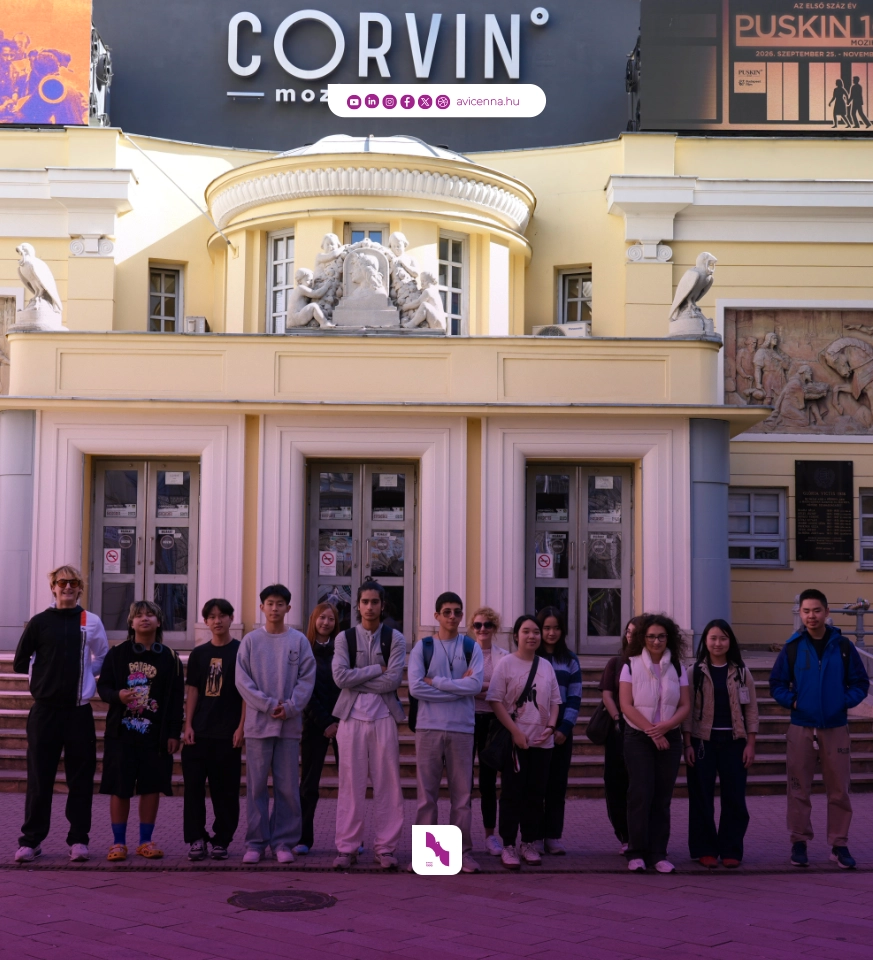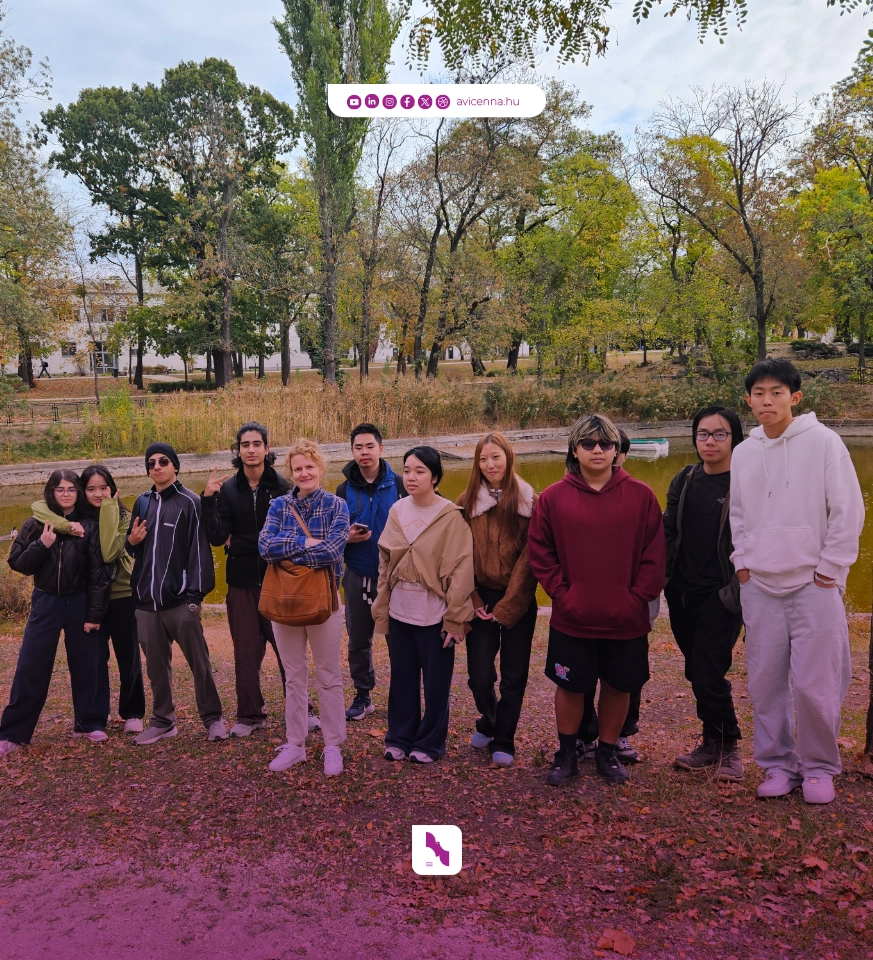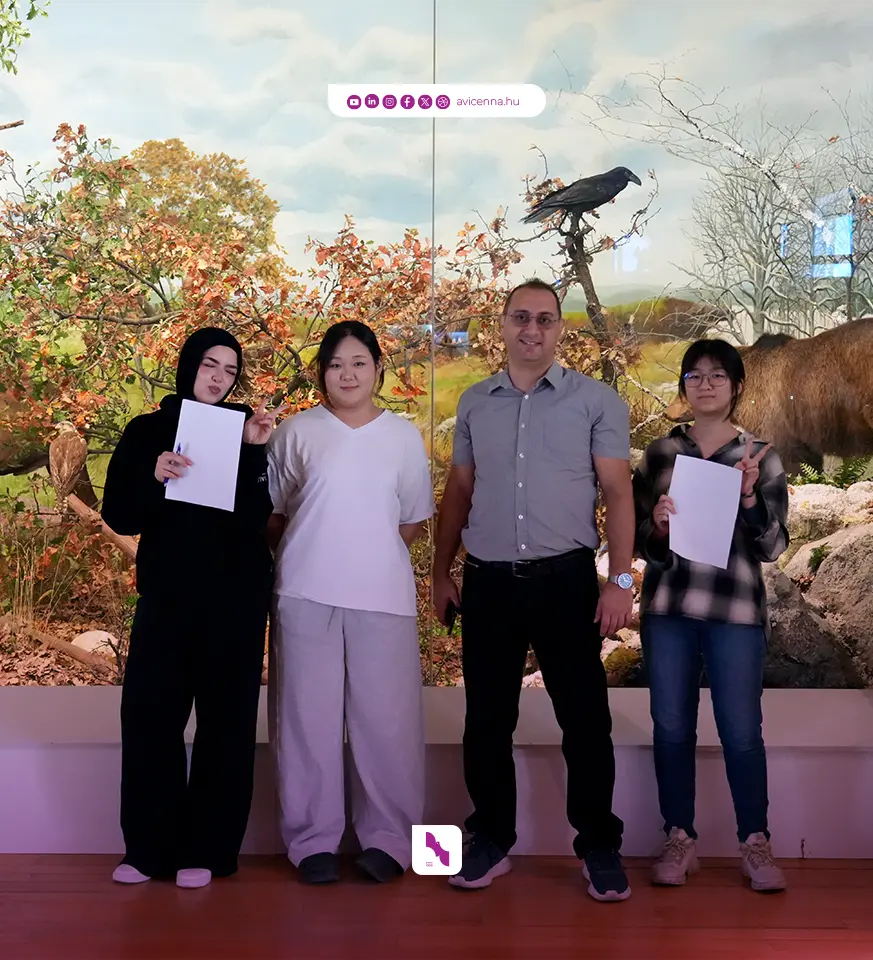


When AIC students left campus for Researchers’ Night 2026, our goal was simple. We wanted them to encounter science in places where it was being explored, built and discussed.
They returned with much more than a list of activities. They returned with questions, stories, new interests and observations that will influence how we design future learning experiences.
The evening also raised a larger question for us as an institution.
If our students can benefit from entering other research and learning environments, what could happen if we opened our own campus to others?
That question is already becoming action.
Avicenna International College has registered to participate in Researchers’ Night 2027 as a host institution.
For us, this is not simply an expansion of an event. It represents a change in role. In 2026, we participated. In 2027, we prepare to contribute.
What We Learned by Being Visitors
Researchers’ Night gave us the chance to see what attracts young people’s attention when there is no textbook or examination telling them what they must learn.
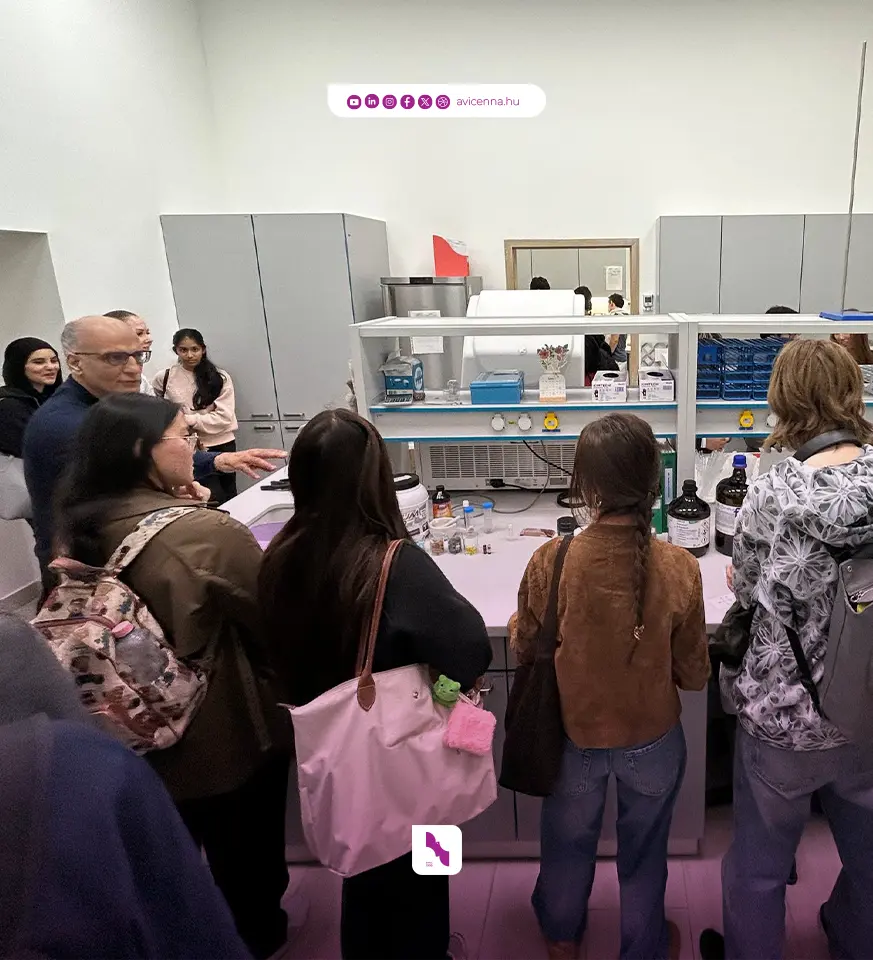
The most successful moments shared several characteristics. Students could participate. They could see something happen. They could speak with someone who understood the subject deeply. They could ask their own questions. And they could move close enough to an idea to feel that it was no longer abstract.
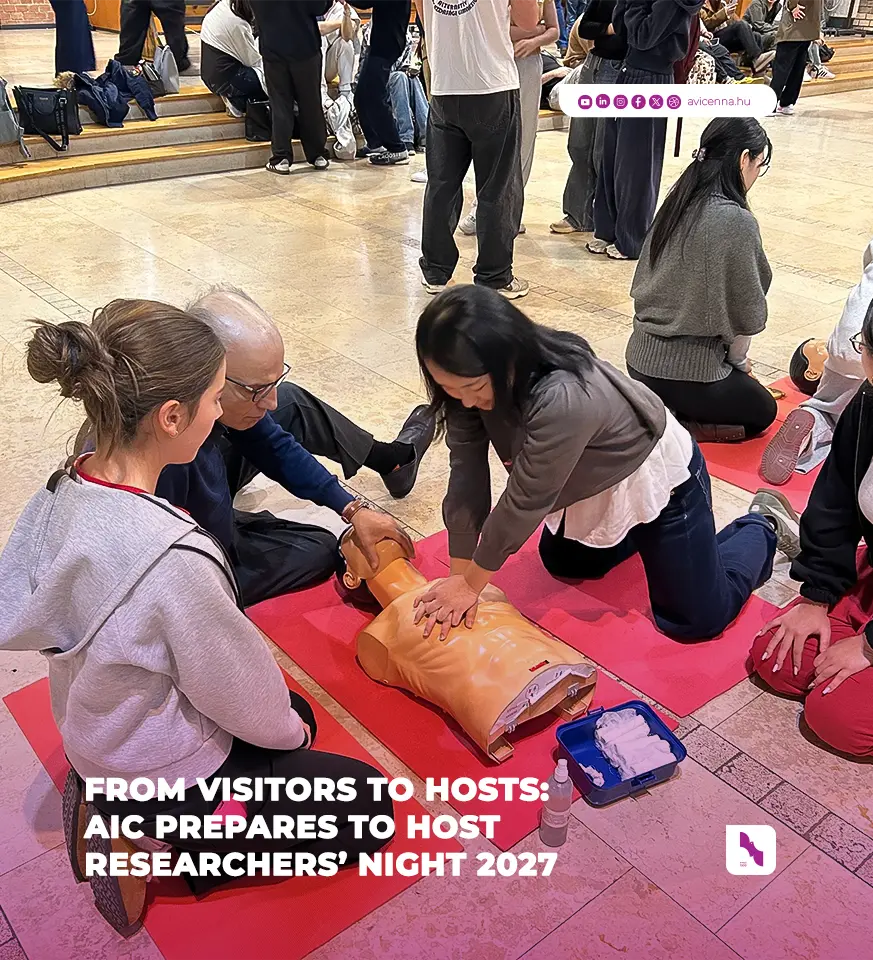
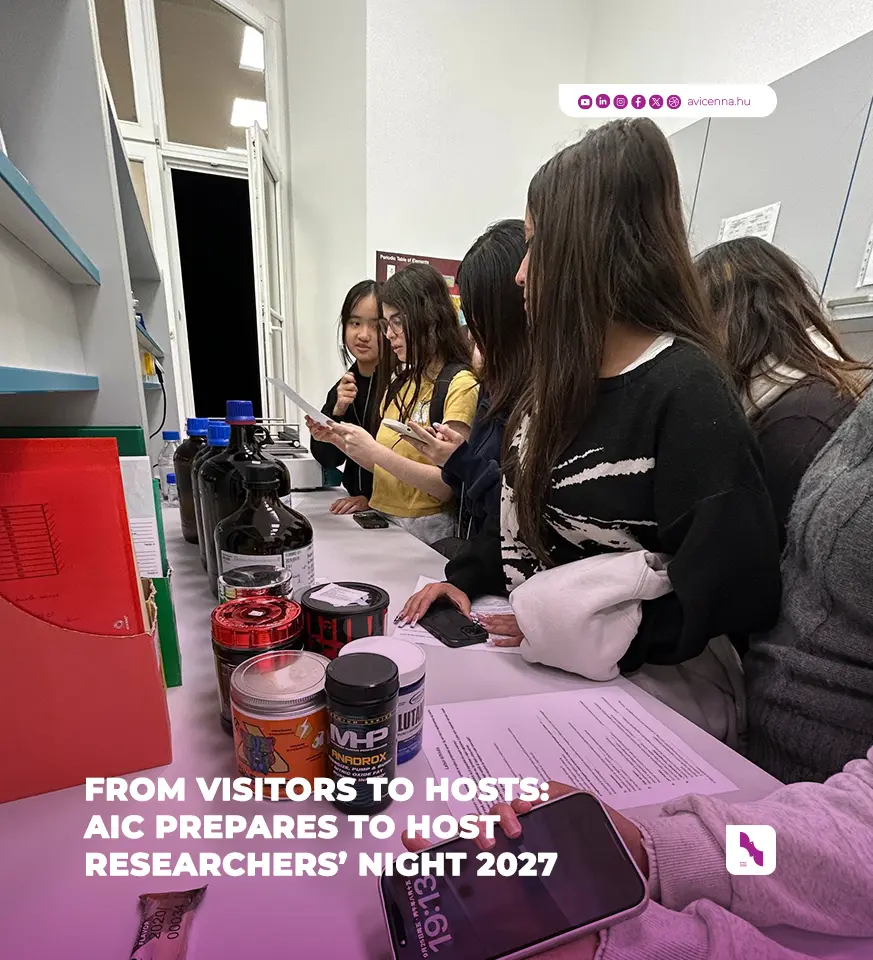
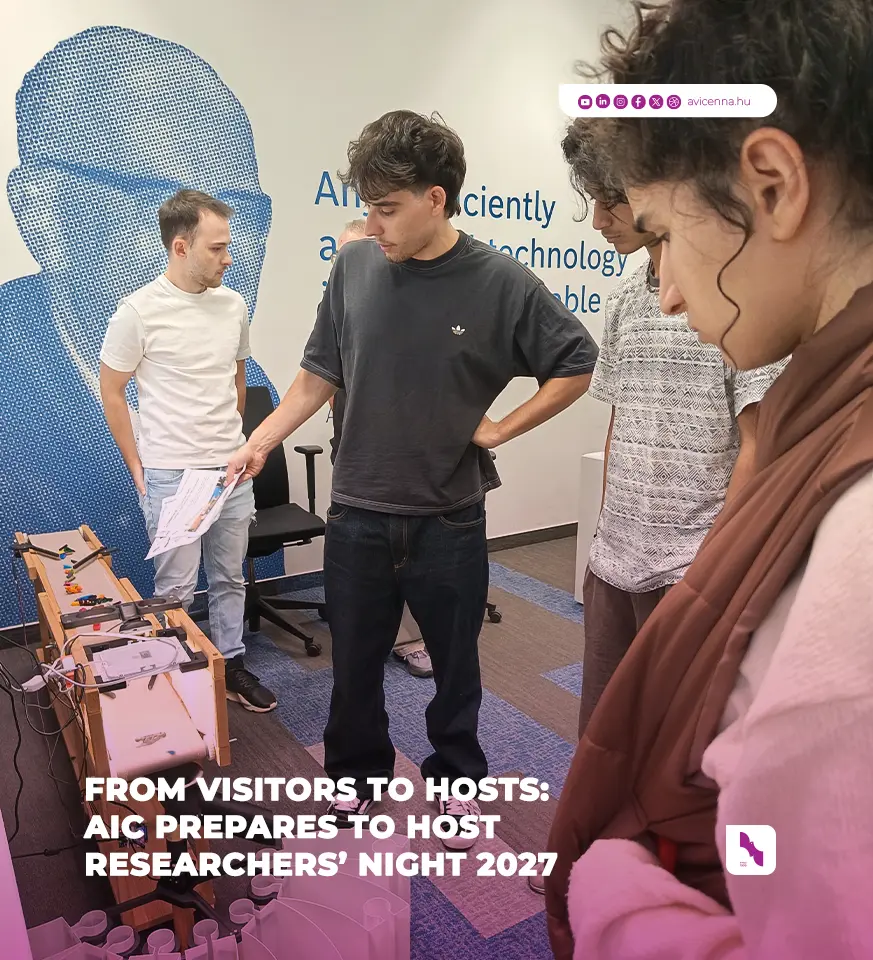
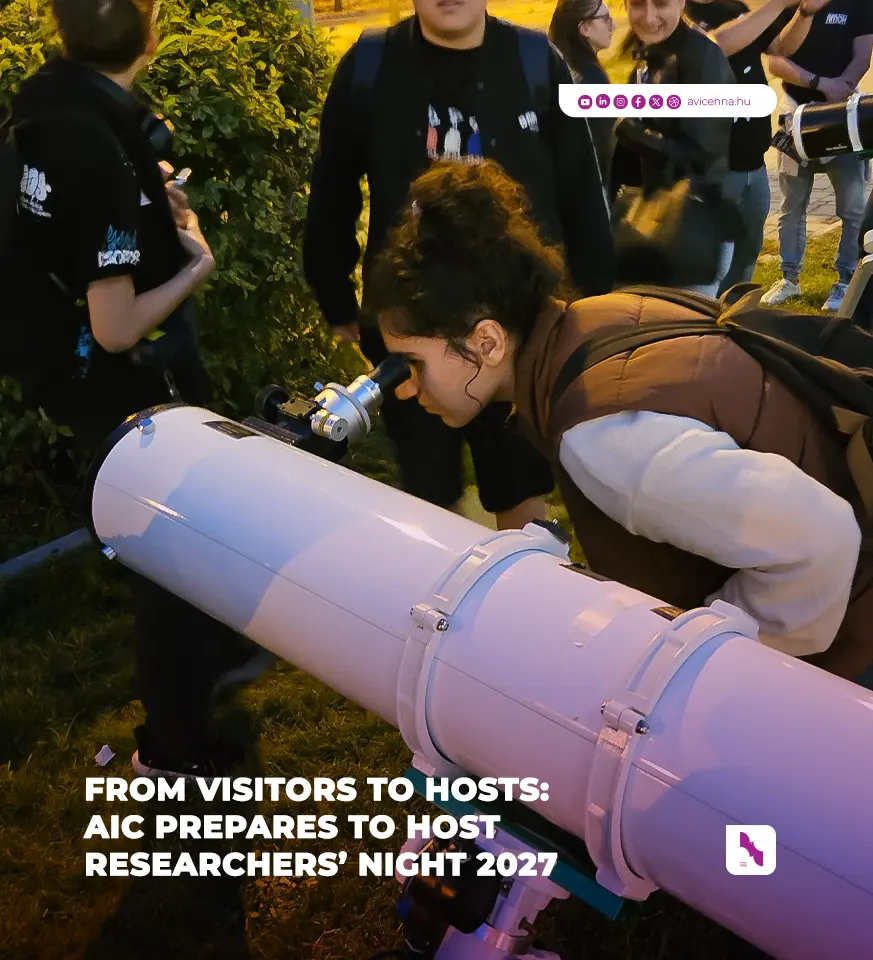
This happened during CPR activities and chemistry experiments. It happened around robotics and artificial intelligence. It happened when students used microscopes, explored autonomous systems and stood beside technologies connected with future communication.
The lesson for us was clear. Young people do not need science to be simplified into entertainment. They need it to become accessible enough to enter.
Hosting Creates a Different Responsibility
Visiting a programme and hosting one are very different experiences.
As visitors, we ask what we can discover. As hosts, we have to ask what someone else should be able to discover with us.
That changes the way we think about learning.
An activity cannot be successful simply because the person presenting it understands the subject. A visitor needs to be able to enter the idea, ask a question and leave with something they did not have before.
For our teachers and mentors, this creates an opportunity to think about how knowledge can be communicated.
For our students, it creates something equally valuable. They can begin to move from being only learners to becoming explainers, demonstrators and contributors.
Students Should Have a Role Too
One of the memorable aspects of Researchers’ Night was that our students did not meet only established researchers and professionals. They also encountered young people presenting projects.
That made an impression.
There is something powerful about seeing another young person stand confidently beside an idea they understand and explain it to a stranger. It makes research feel closer. It also shows that communication is part of knowledge.
A person may understand something well privately. Explaining it to someone else requires another level of clarity.
As AIC develops its programme for Researchers’ Night 2027, we also see the potential for students to contribute where it is educationally meaningful and appropriate.
The exact form of that participation will be developed as the programme takes shape, but the principle is important. Students can learn not only by attending an event, but also by helping others engage with an idea.
What Teachers Bring to the Experience
Hosting also gives our teachers and mentors a different kind of opportunity.
Researchers’ Night is not a normal lesson, and it should not feel like one.
A good public science activity needs to invite participation while remaining intellectually meaningful. It needs to communicate clearly to people with different levels of prior knowledge. In an international environment, it also needs to consider language and accessibility from the beginning.
Our experience this year reinforced those priorities. The strongest activities were those where communication was clear, participation felt natural and students could engage directly with the subject.
As hosts, we can use those observations constructively. Clear communication, thoughtful organisation and genuine interaction will guide the way we approach the next stage.
What Parents Can Expect From This Direction
For parents, opening a school to an event like Researchers’ Night may appear to be mainly about science.
The educational value is broader.
When students are given opportunities to demonstrate, explain or support an activity, they have to prepare and organise their thinking. Speaking with visitors can strengthen confidence and communication, while representing their College can add a new sense of responsibility.
These are not separate from academic development. They are part of it.
The purpose is not to turn every student into a scientist. It is to give young people opportunities to become curious, capable and comfortable engaging with ideas.
Connecting Schools, Research and the Wider Community
Researchers’ Night also matters because it brings groups together that do not always meet in everyday education.
Schools meet universities. Students meet researchers. Families encounter scientific work. Technology companies can show the questions behind the products people usually see only after they reach the market. Researchers practise communicating outside their specialist communities. Young people see possible futures they may not previously have imagined.
For an international College in Budapest, becoming part of that network as a host is especially meaningful.
AIC already sits between several worlds: secondary education, university preparation, international students and a city with a strong academic and scientific ecosystem.
Researchers’ Night gives us another way to connect them.
Designing the 2027 Experience
We are still at the beginning of the planning process, and the final programme will be announced only when it has been confirmed.
However, the 2026 experience has already given us clear principles.
Activities should invite participation. Their purpose should be clear. The experience should be accessible to an international audience. Visitors should have room to engage rather than simply watch from a distance. Where appropriate, students may also have meaningful roles. And the programme should leave room for questions.
These principles are more important to us than filling a timetable with as many activities as possible.
We would rather create fewer experiences that people remember.
From Participation to Contribution
AIC often speaks about active learning. Hosting Researchers’ Night gives that idea another form.
Active learning is not only about what happens inside a lesson. It is also about the role students learn to take in the world around them.
Can they ask good questions? Can they explain what they understand? Can they listen when someone challenges an idea? Can they take responsibility for something other people will experience? Can they contribute, rather than only consume?
Researchers’ Night 2026 allowed our students to enter other people’s learning environments.
Researchers’ Night 2027 will give AIC the opportunity to create one of its own.
That is a responsibility we welcome.
We went out as visitors with questions. Next year, we look forward to opening our doors and giving others a reason to bring theirs.
Follow the Next Chapter
AIC will share further information about its Researchers’ Night 2027 programme as the plans are confirmed.
Until then, the preparation itself becomes part of the learning.
Because the next question is no longer only what our students can discover. It is also what they can help others discover.