

There is something reassuring about sitting down with the people who teach your child. A familiar name becomes a face. A conversation has room to breathe. Families and teachers have an opportunity to listen to each other, away from the pace of an ordinary school day.
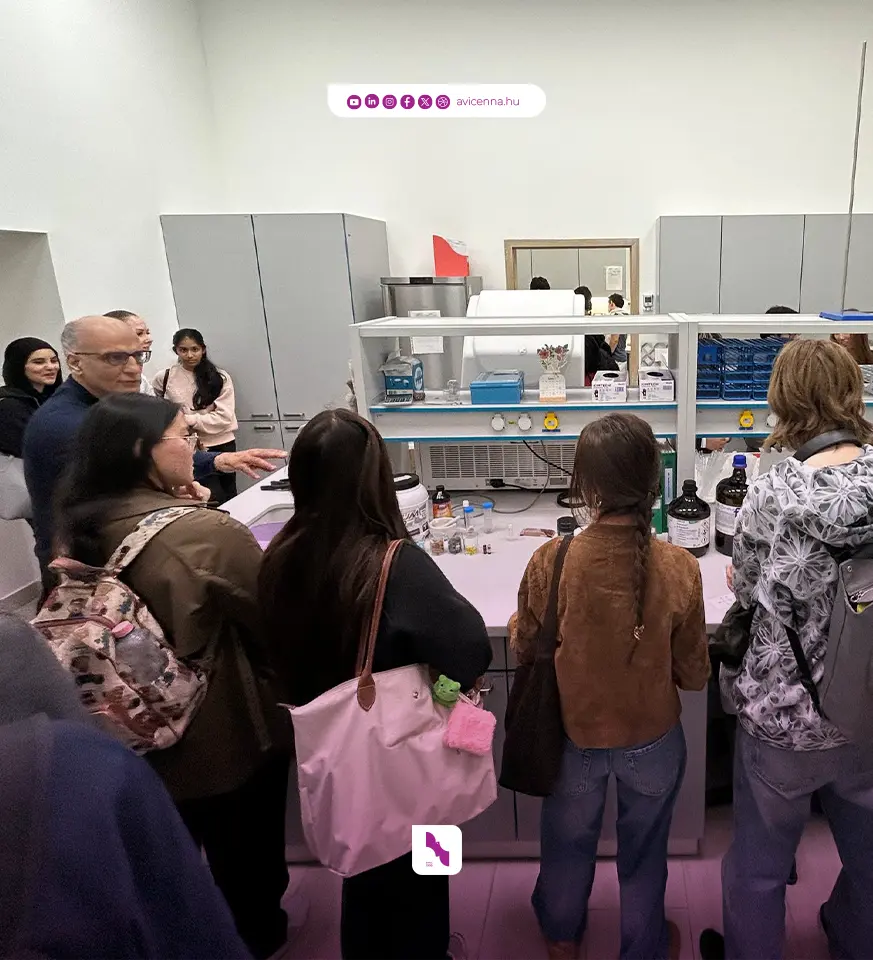
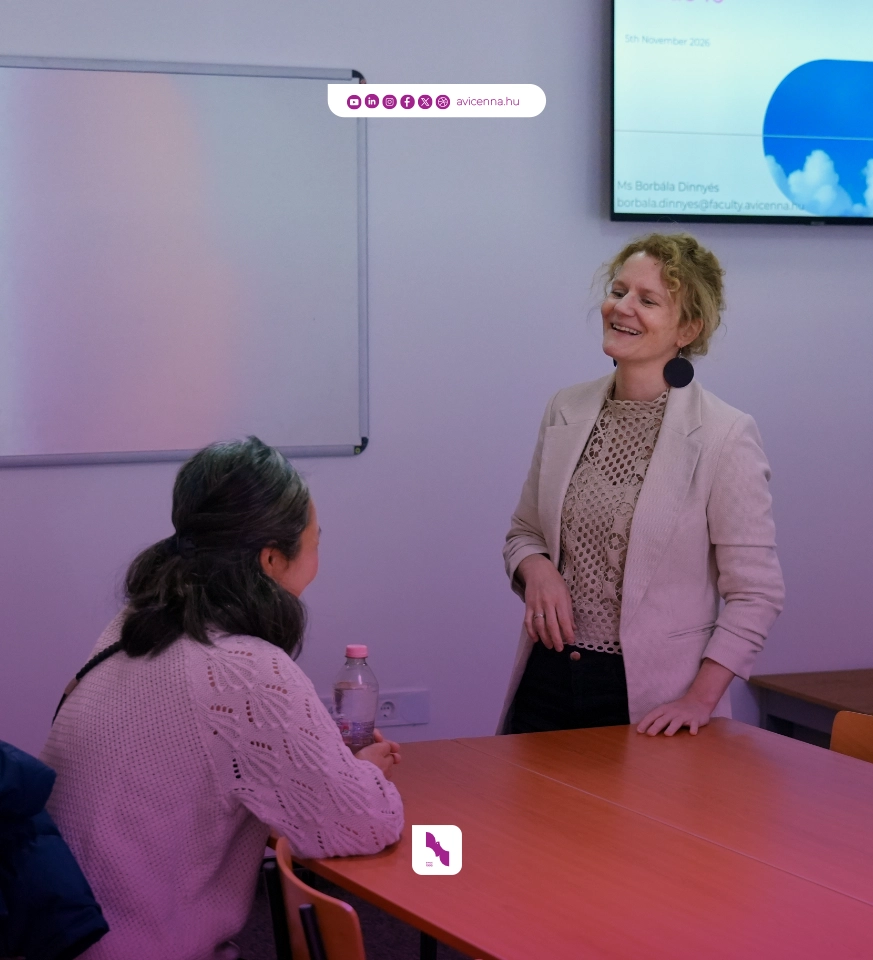
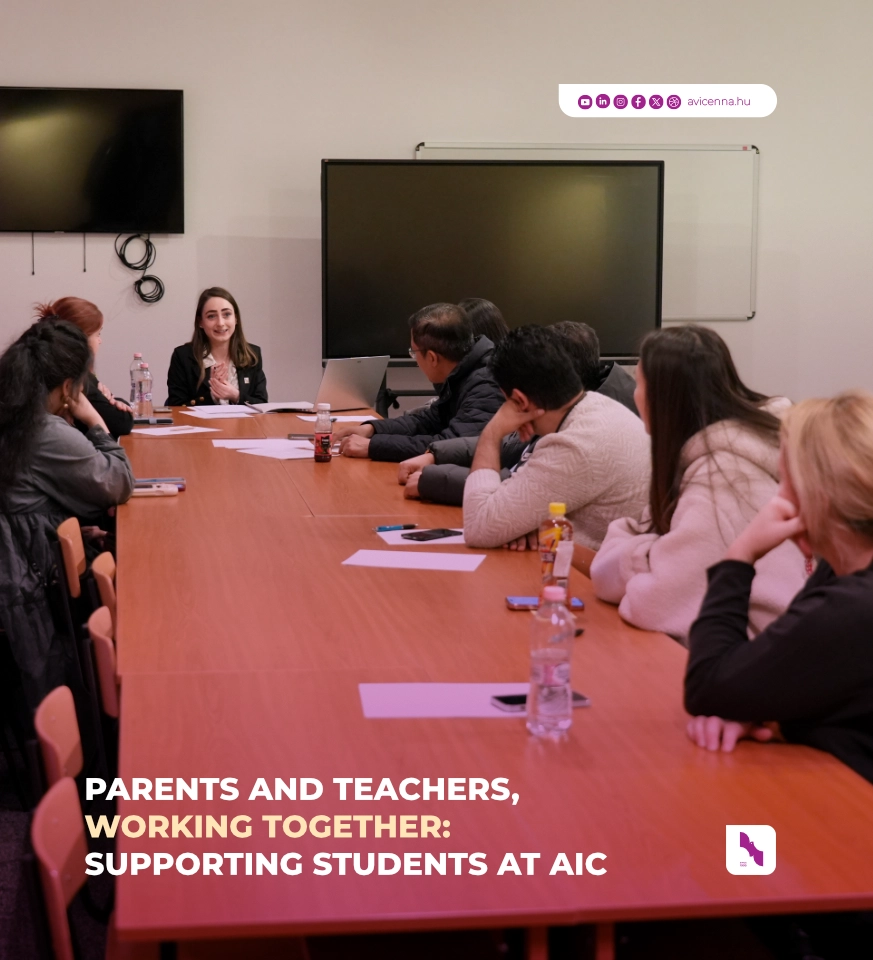
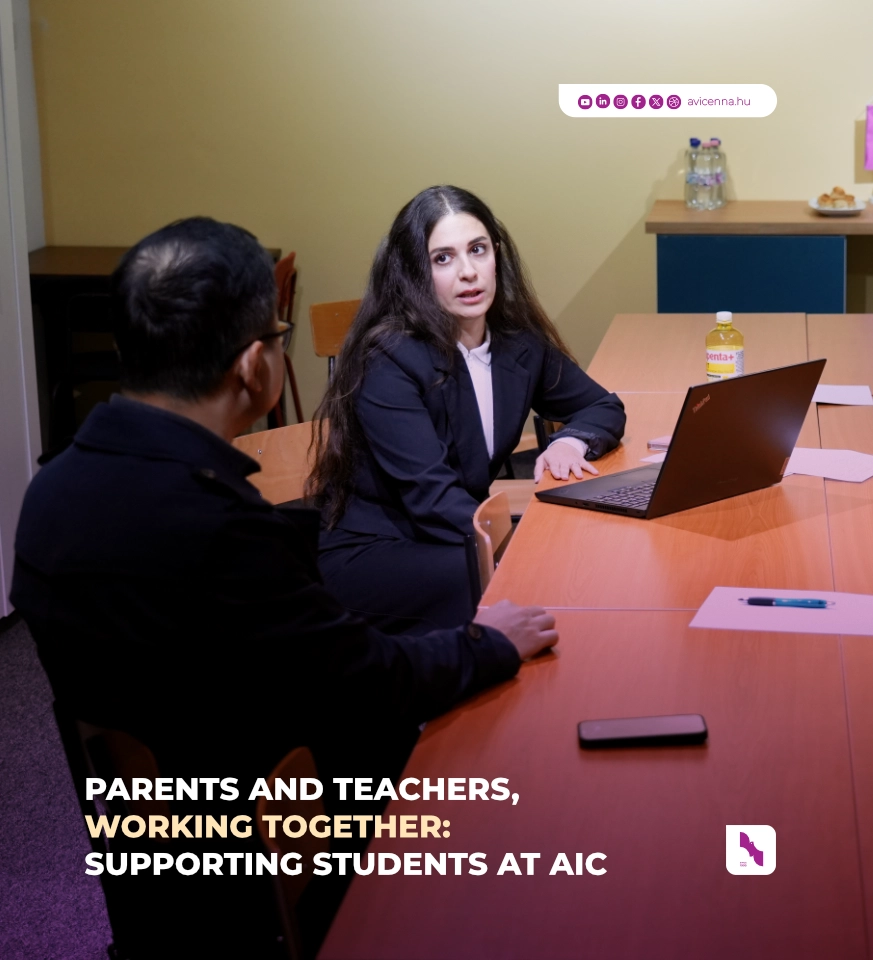
On 5 November 2026, Avicenna International College welcomed parents for a Parents’ Evening at its Budapest campus. The photographs capture small groups around tables, conversations with colleagues and a warm welcome. They offer a starting point for a wider question: how can communication between parents and teachers support students as they become more independent?
Why communication between parents and teachers matters
A teacher sees how a student approaches a task, contributes to a discussion or responds when something is difficult. A parent may notice what happens later: enthusiasm about a new subject, uncertainty before an assessment or frustration with a piece of work. Neither perspective tells the whole story. Bringing them together creates a better starting point for understanding the student.
The Australian Education Research Organisation’s guidance for secondary schools recommends positive communication that works in both directions and draws on the knowledge of families and teachers. Its guidance also makes an important distinction: attending school events alone should not be expected to improve learning outcomes. The value lies in connecting that contact to the student’s learning.
For a family, this can begin with a small observation rather than a major concern. A student might be spending a long time on assignments without knowing whether they are approaching them well. Sharing that observation gives a teacher something specific to respond to.
Looking beyond a single grade
A grade can tell us how a piece of work was assessed. It rarely explains everything about the effort, understanding or circumstances behind it. Useful conversations leave room to ask what is going well, where the difficulty begins and what the student thinks would help.
Consider a student who understands a topic in discussion but struggles to organise a written answer. More time spent repeating the same task may not address the difficulty. Asking the teacher which part needs attention can make the next step clearer. This is an example of the kind of practical discussion a family might have, rather than a reason to make assumptions from a result alone.
The Education Endowment Foundation highlights positive, personalised communication about learning in its review of parental engagement. It also notes that there is less research at secondary level than with younger children. That calls for thoughtful support suited to the teenager, rather than promises that a particular approach will work for everyone.
Keeping the student in the conversation
As young people grow, support needs to leave space for their own decisions. A conversation about a student should make room for their perspective, whether they attend the meeting or share their thoughts before and afterwards.
Before speaking with a teacher, a parent could ask: “What would you like me to understand about college at the moment?” Afterwards, it may help to talk through one manageable next step together. The student might decide to ask for clarification on an assignment, try a different revision routine or bring a question to their next lesson.
The aim is to help them practise asking for help, reflecting on feedback and taking responsibility. A parent does not need to become an expert in every subject to be a useful partner in that process.
Parents’ Evening at AIC on 5 November
The November gathering brought families and colleagues together in person at Avicenna International College. One of the photographed sessions was the Grade 10 parent and teacher meeting. Across the collection, the setting is conversational: people sitting around tables, listening and speaking directly with one another.
These are modest moments, but they matter to the kind of college community we want to build. In AIC’s Student and Parent Welcome Handbook, education is described as a responsibility shared by the college, the student and the family. Making time to meet gives that principle a practical place in college life.
We are grateful to the parents who joined us and to the colleagues who welcomed them. The photographs are a reminder of the people behind that shared responsibility, each bringing a different understanding of the young person at its centre.
Useful questions to take into a school conversation
Parents do not need a long checklist. A few open questions can help make the time useful. Choose the ones that fit your child’s situation, and leave space to hear the answer.
- Where do you see my child’s strengths at the moment?
- What is one area where a small change could help?
- How does my child respond when they need help or receive feedback?
- What could we support at home while leaving responsibility with them?
- What should my child try next, and when would it be useful to review it?
It is also worth sharing something the teacher may not see. A new interest, a change in routine or a question your child keeps returning to can provide useful context. Keep the conversation specific and respectful, with the student’s needs as the focus.
Staying connected when home is further away
For families considering an international high school in Budapest, being involved may look different when home is in another country. Before enrolment, ask how communication is organised, whom to contact and how your child will be included. Clarify which arrangements are available rather than assuming every school uses the same approach.
At AIC, families can explore our information for parents and contact our team with questions about college life and communication. A clear conversation at the beginning helps families understand what to expect and gives students an opportunity to express what matters to them too.
The spirit of Parents’ Evening can continue in these everyday exchanges: noticing, listening and agreeing on a useful next step. For us, working together means keeping the student at the centre of the conversation.