

Written and organised by Steve Szabó
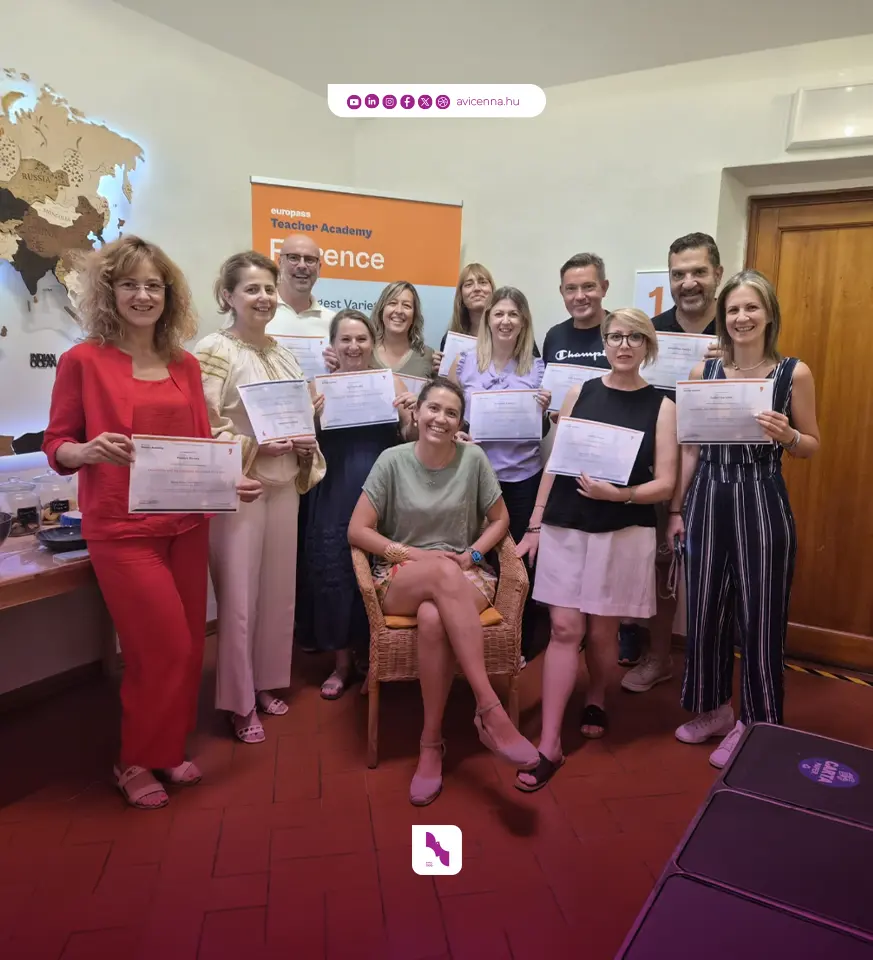
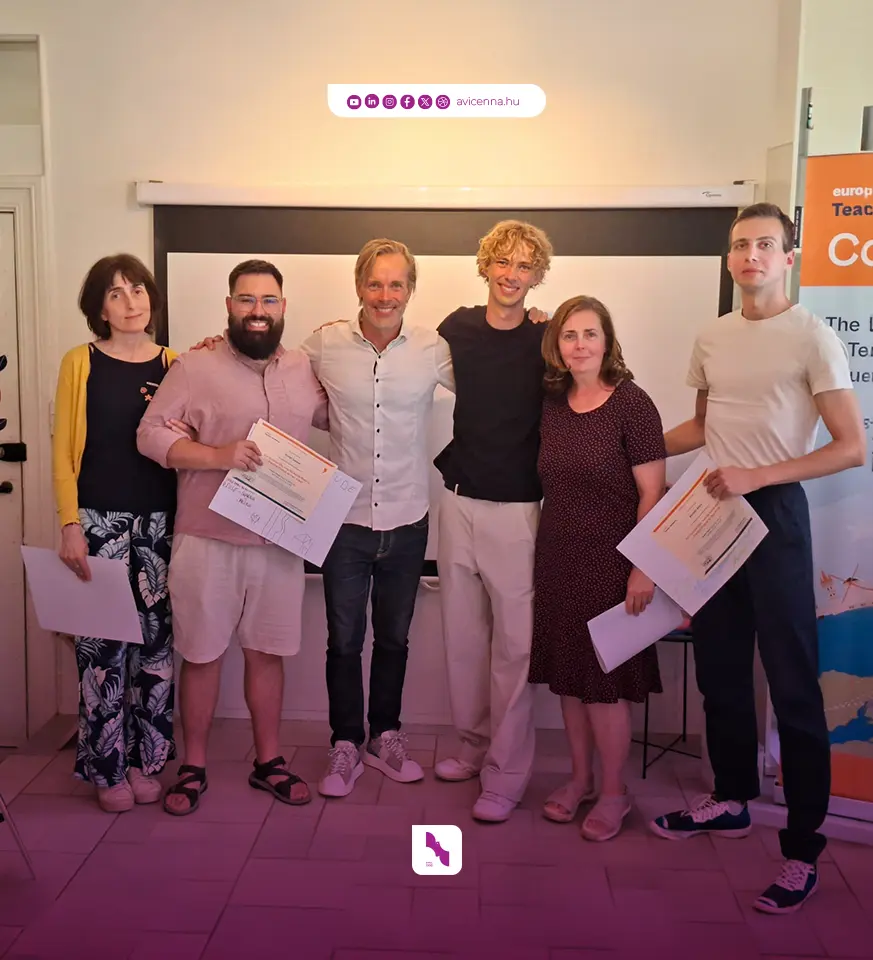
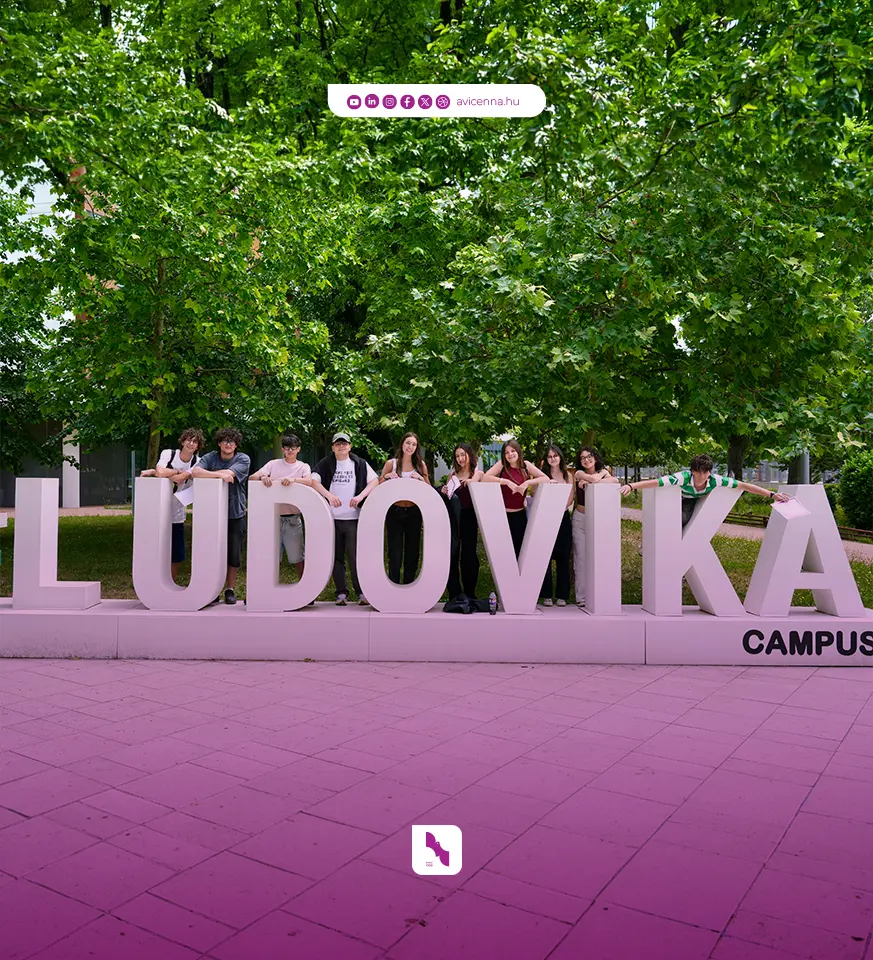
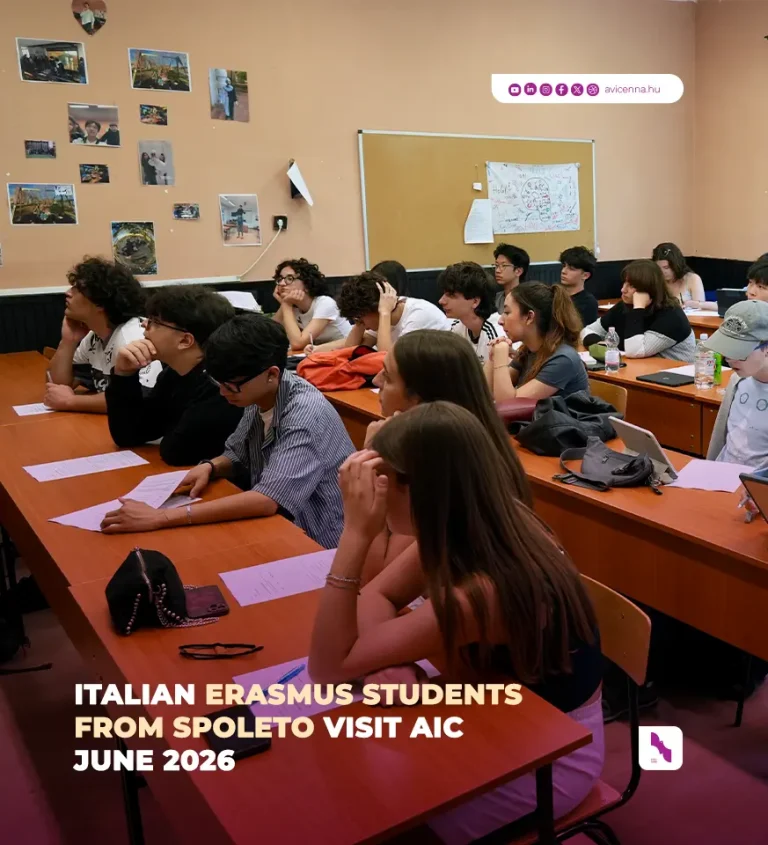
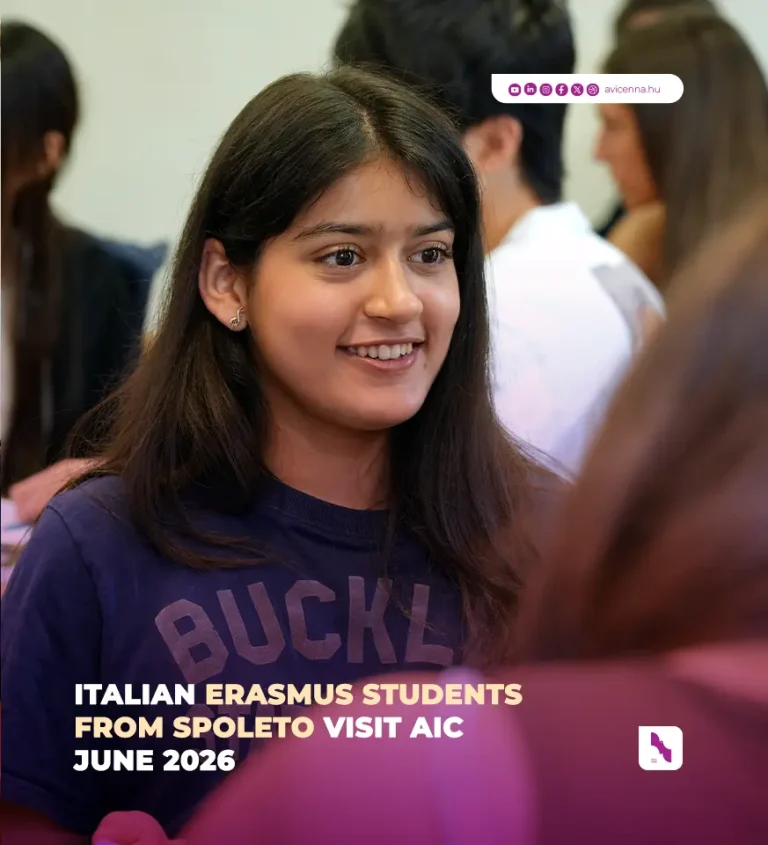
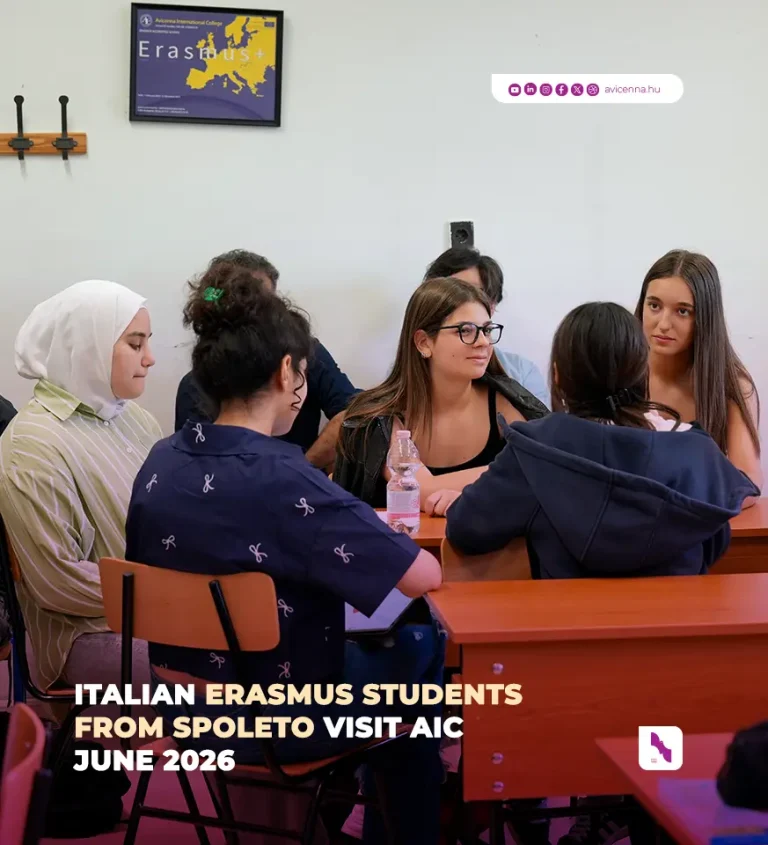
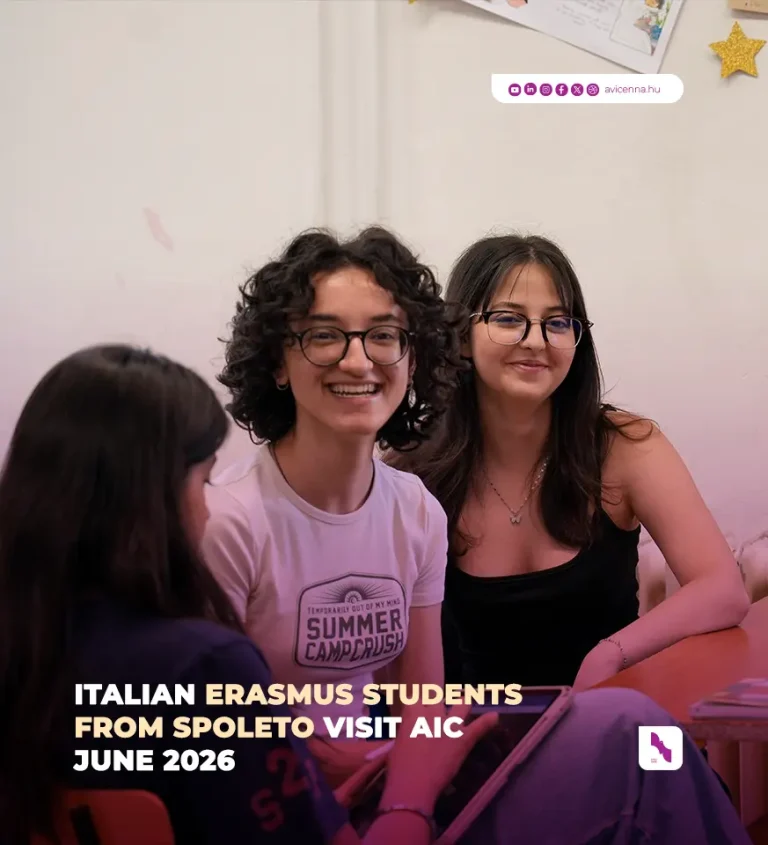
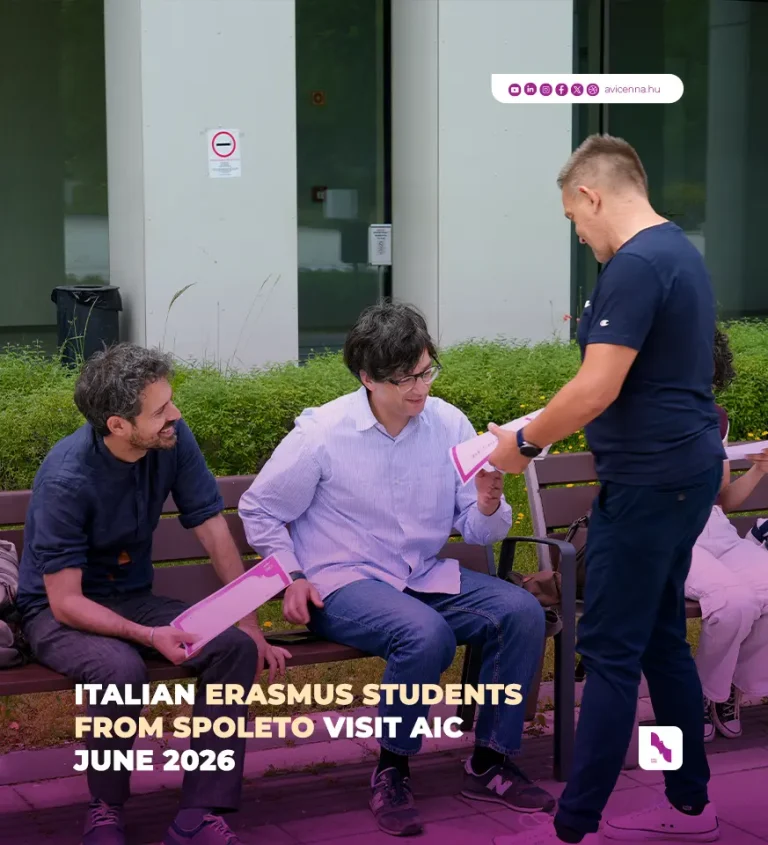
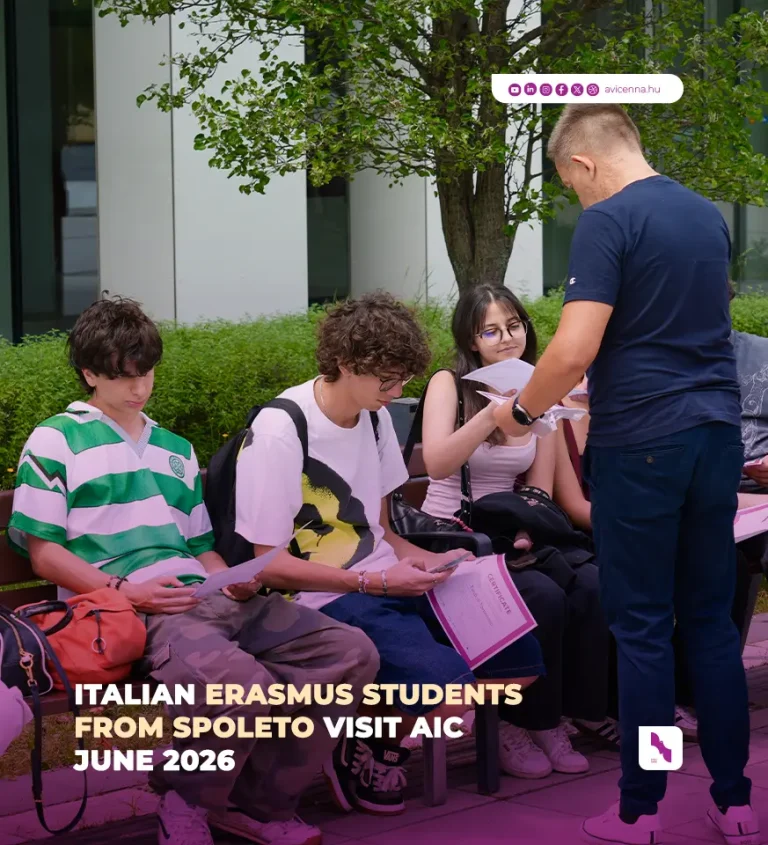
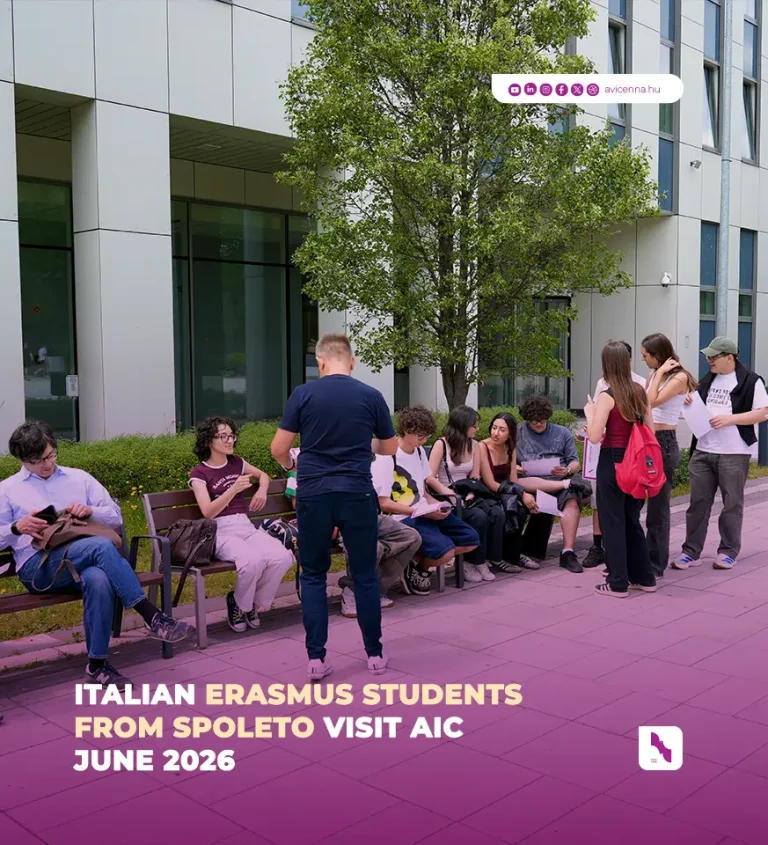
At the end of the spring term, Avicenna International College had the pleasure of welcoming a group of ten Erasmus students from the historic Italian town of Spoleto, accompanied by their 3 teachers. The visit, organised and coordinated by Mr Steve, AIC’s Erasmus coordinator, provided an excellent opportunity for cultural exchange, shared learning, and lasting friendships between students from AIC and Italy.
Discovering the Rich Cultural Heritage of Spoleto and Umbria
The visiting students came from Spoleto, a picturesque town in the heart of Umbria, often referred to as the “green heart of Italy.” Unlike the better-known tourist regions of Tuscany or Lazio, Umbria is characterised by rolling hills, medieval hilltop towns, olive groves, and a rich cultural heritage. Spoleto itself is one of the region’s most remarkable towns, famous for its Roman theatre, medieval fortress, and centuries-old traditions. Walking through its narrow streets, visitors encounter layers of history stretching from ancient Rome to the Renaissance.
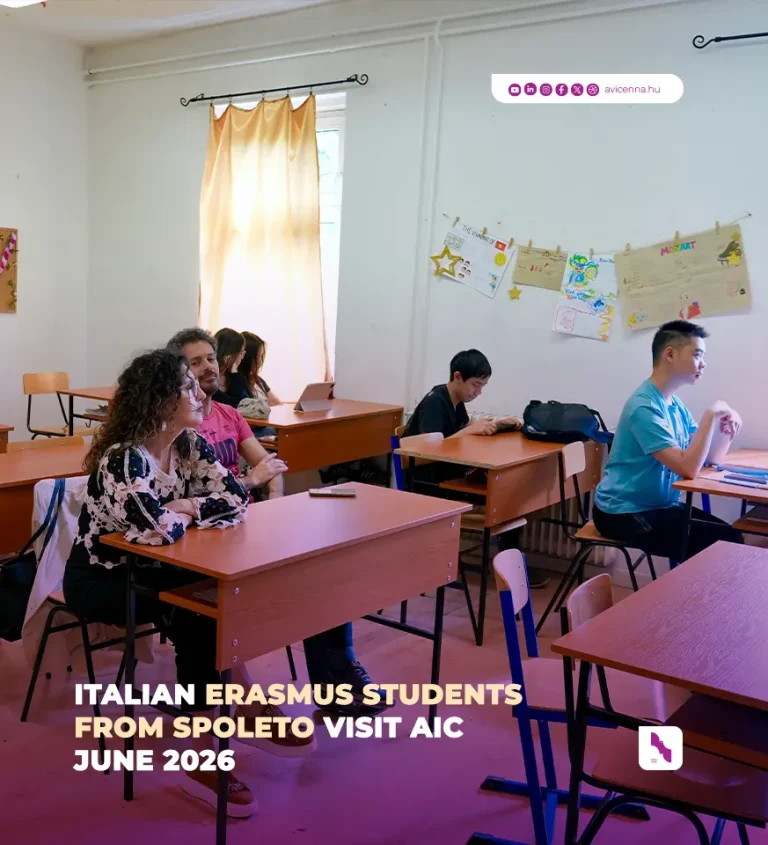
Welcoming Erasmus Students to Avicenna International College
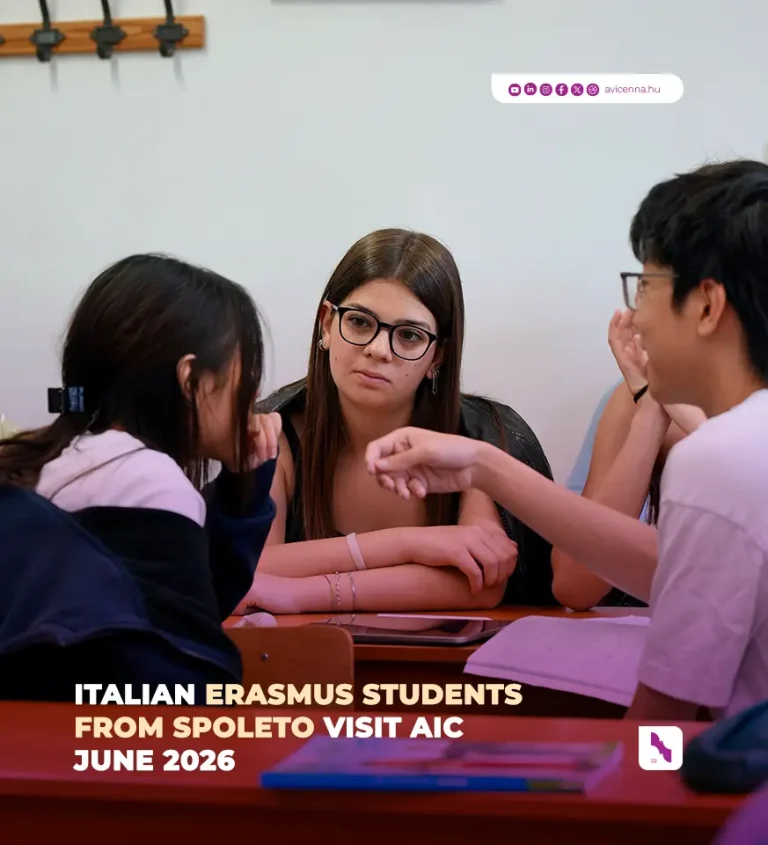
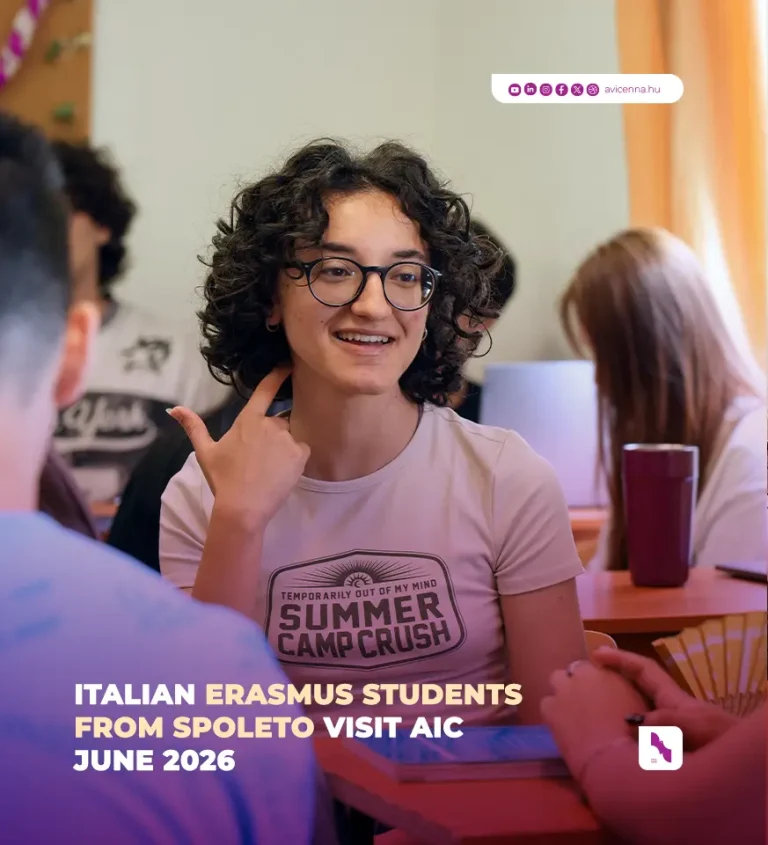
During their stay in Budapest, the Italian students were hosted by grade 10 students at Avicenna International College. The hosting arrangement allowed both groups to spend meaningful time together not only during organised activities but also in everyday school life. Throughout the mornings, the visiting students joined their Avicenna hosts in lessons and workshops until the lunch break. This immersion into the daily routine of AIC gave them a genuine experience of life in an international secondary school and allowed them to interact naturally with students from different cultural backgrounds.
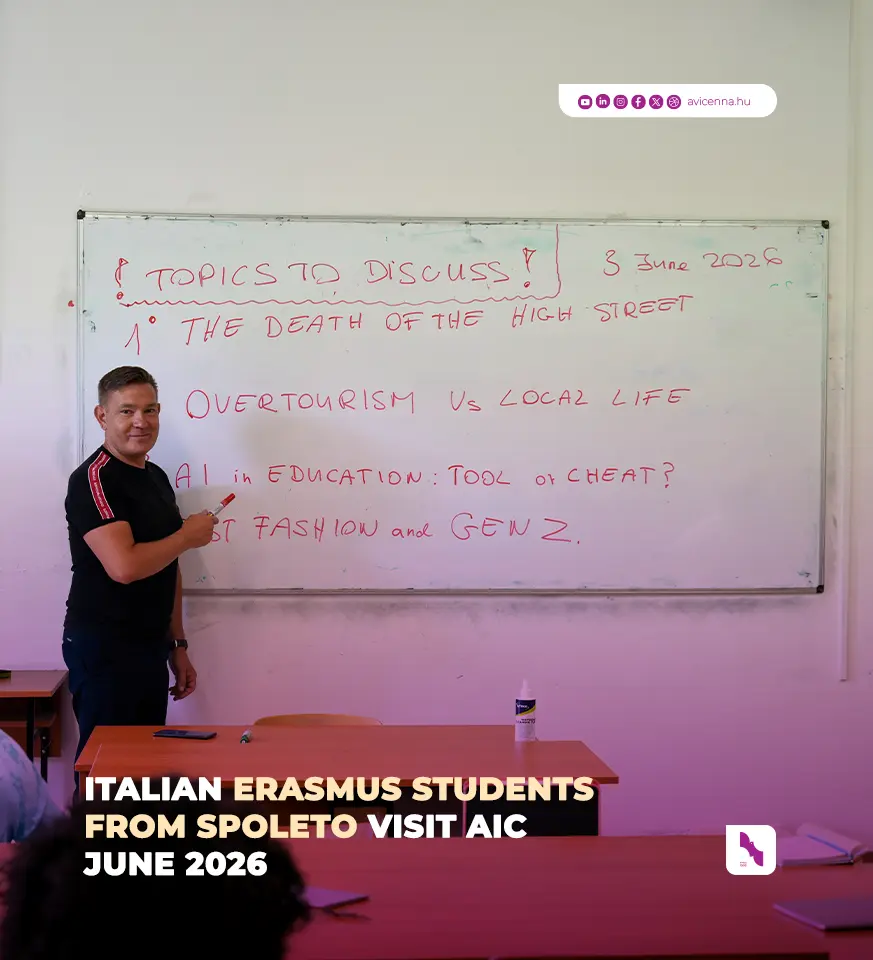
Educational Workshops and International Learning Experiences
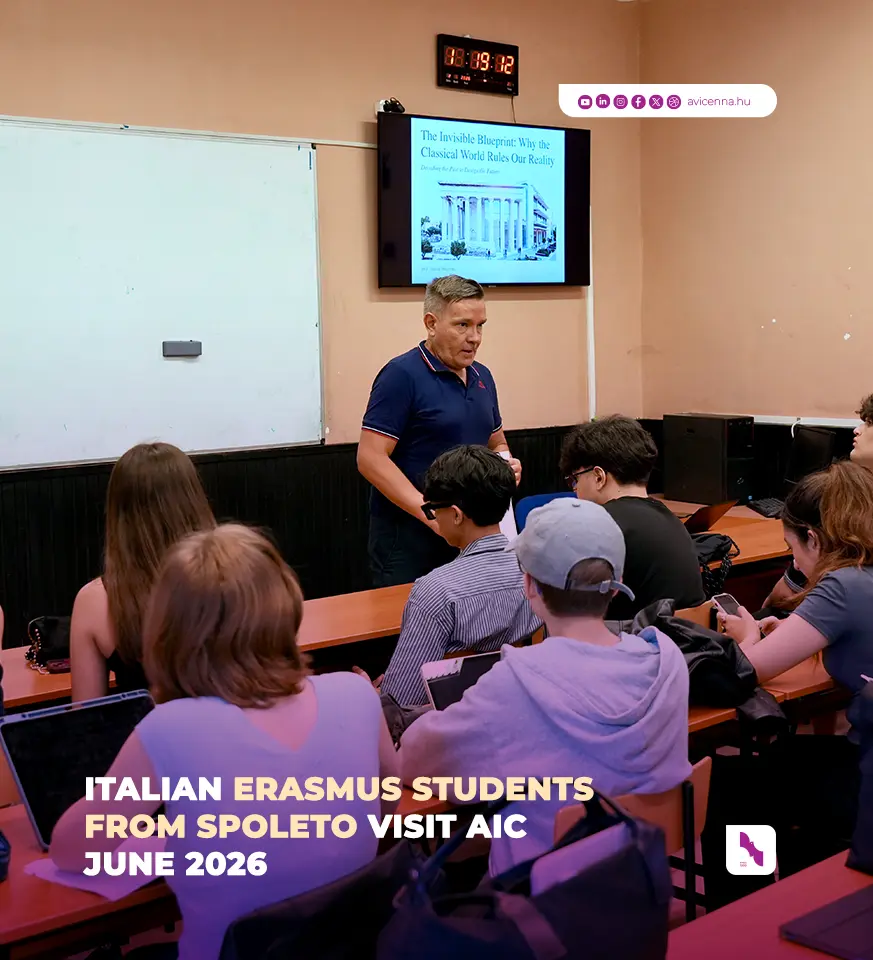
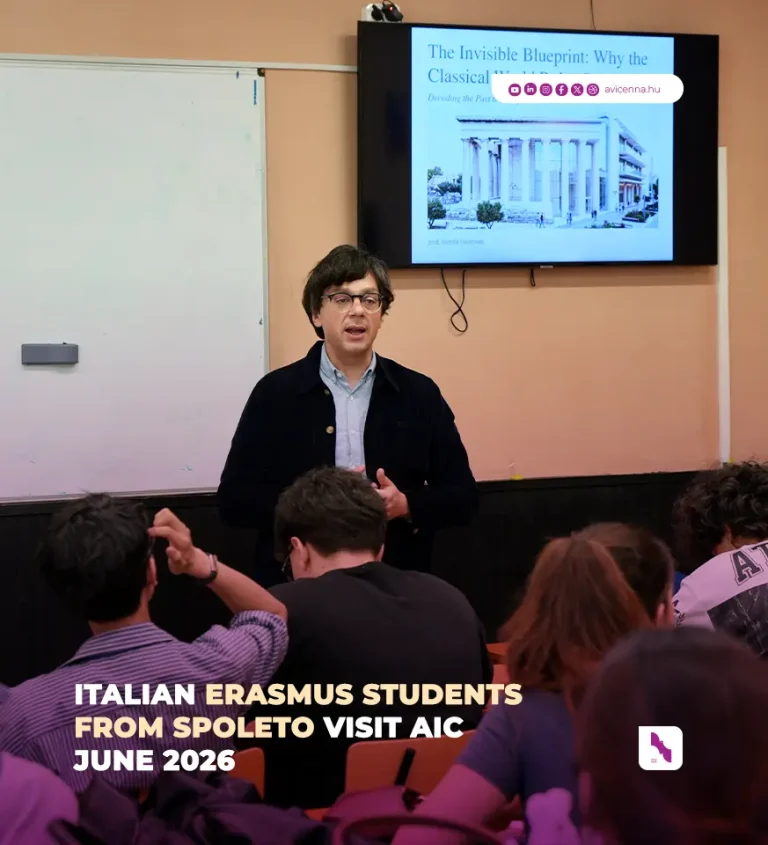
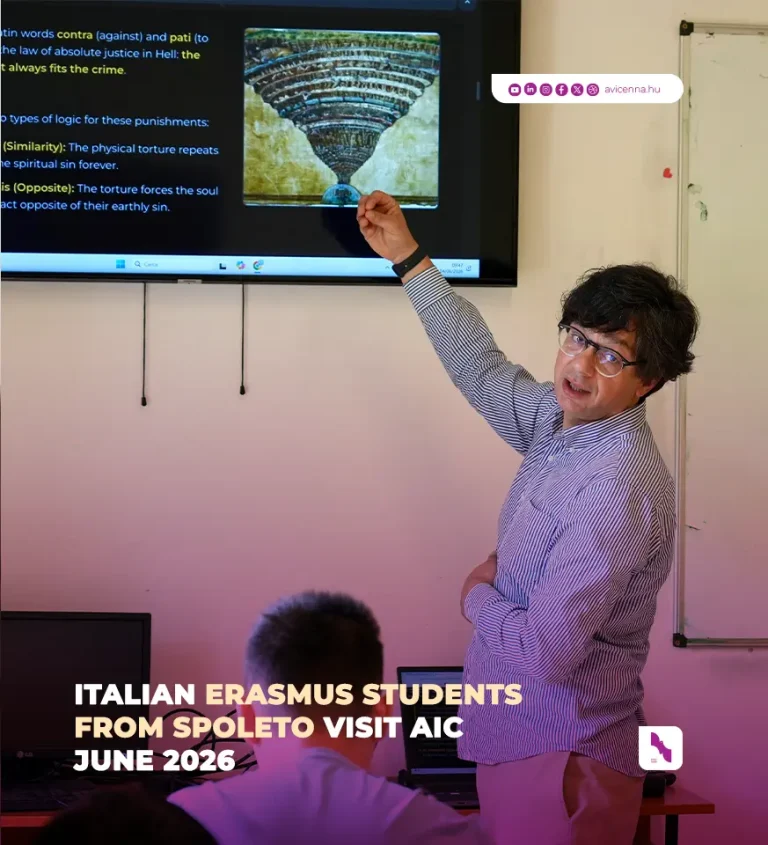
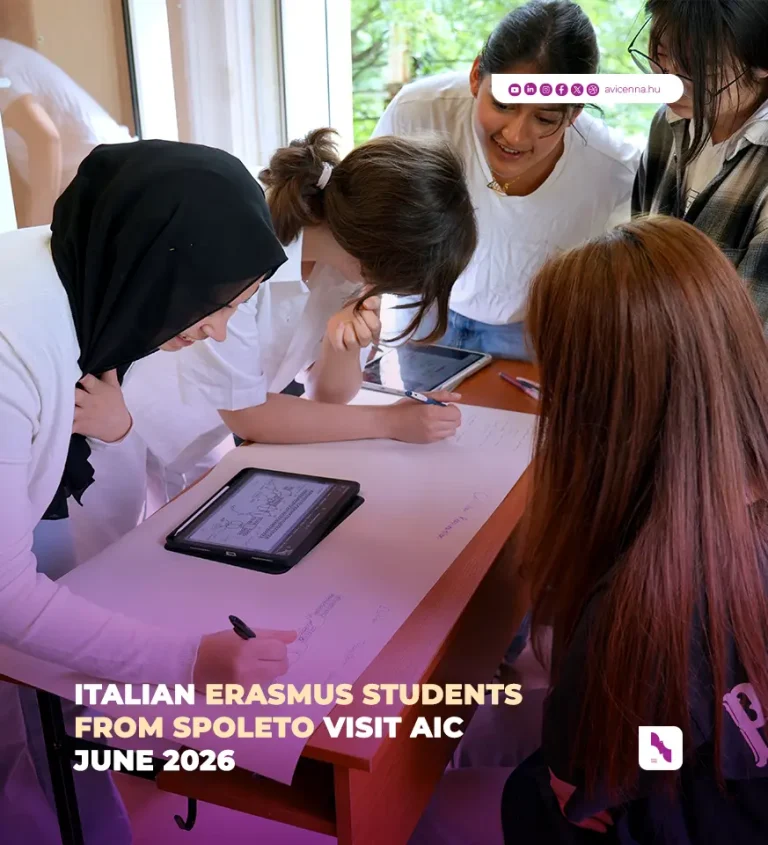
The academic component of the visit was greatly enriched by the contribution of Nicola Vedovati, one of the accompanying teachers, whose lessons were among the highlights of the week. For grade 10 students, he delivered a thoughtfully designed workshop exploring the Greco-Roman heritage that continues to shape European cultures today. Rather than presenting the topic as distant history, he demonstrated how elements of ancient Greece and Rome remain visible in our languages, political institutions, architecture, and everyday expressions. Students were particularly engaged by the section introducing aspects of the Greek language, gaining insight into the origins of many words and concepts they encounter in modern European languages.
Nicola also led a separate workshop for grade 9 students focusing on Dante Alighieri and his enduring literary legacy. The session offered students a deeper understanding of one of Europe’s most influential writers while connecting Dante’s work to themes that regularly appear in Hungarian secondary education. For many students preparing for their future Érettségi examinations, the workshop provided valuable context and analytical perspectives that complemented their classroom studies.
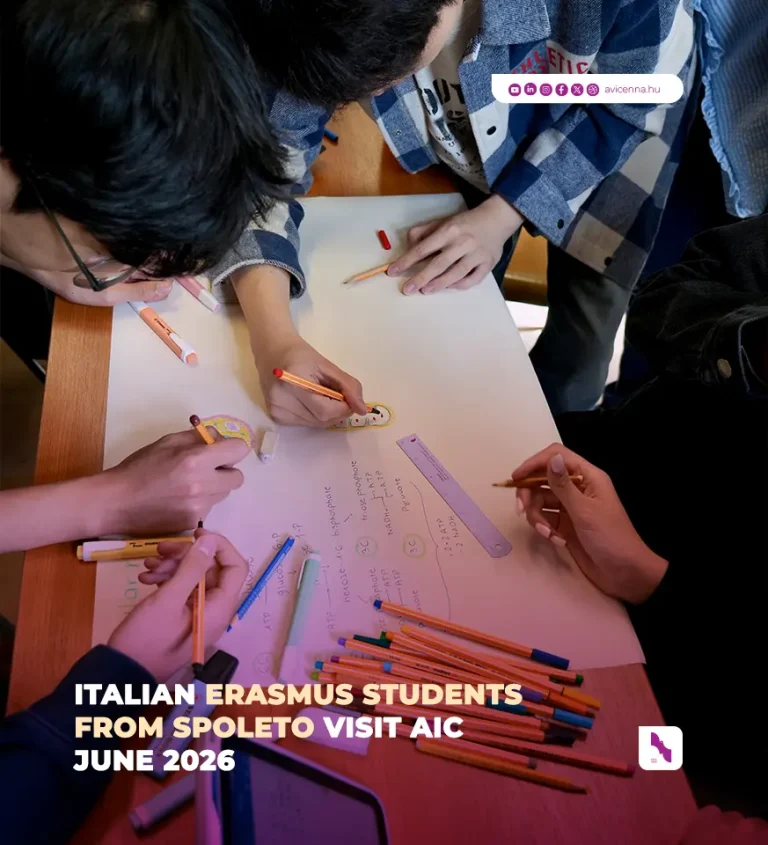
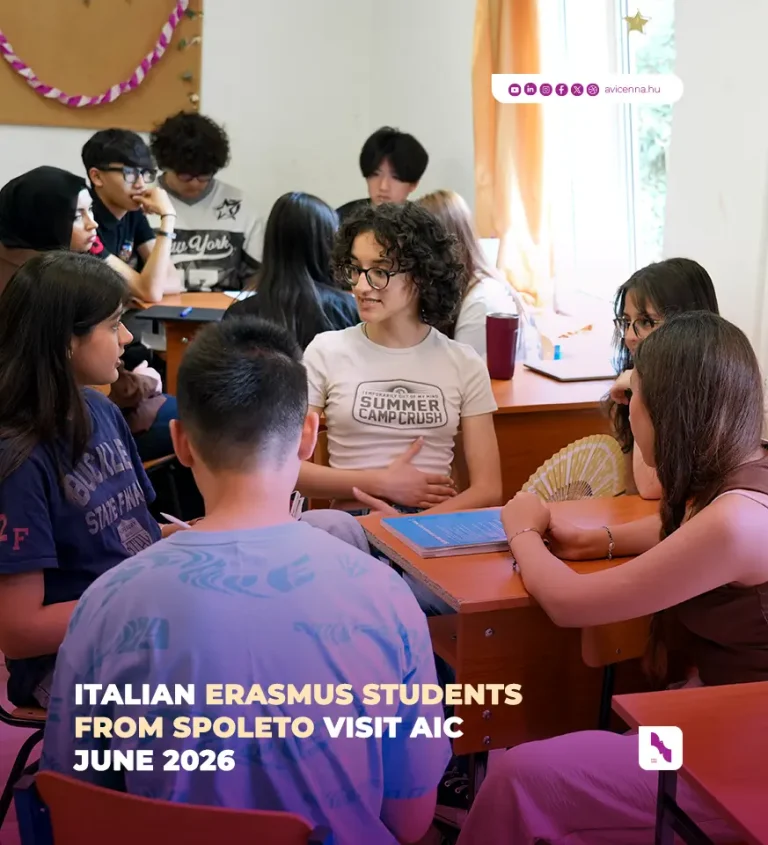
Exploring Budapest’s Most Iconic Historical and Cultural Landmarks
Beyond the classroom, the Erasmus programme offered numerous opportunities for the visitors to discover Budapest. Mr Steve accompanied the Italian students every afternoon, carefully selecting destinations that showcased the city’s history, culture, and architectural beauty.
Visiting the Hungarian Parliament Building
One of the group’s first visits was to the Hungarian Parliament Building, one of the most recognisable landmarks in the country. Situated on the banks of the Danube, the neo-Gothic building impressed the students with its grand scale, ornate façade, and striking riverside location. As they learned about Hungary’s political history and democratic institutions, they also had the opportunity to admire one of Europe’s most remarkable parliamentary buildings.
Discovering Heroes’ Square and Hungarian History
The group also spent time at Heroes’ Square, a site deeply connected to Hungary’s national identity. Standing before the Millennium Monument, the students learned about key figures from Hungarian history represented by the statues surrounding the square. The broad open space and monumental architecture provided an ideal setting for discussions about nation-building, historical memory, and cultural heritage.
Exploring Budapest’s Castle District and UNESCO Heritage
Another memorable excursion took the visitors to Budapest’s Castle District. Walking through the cobbled streets of Buda, the students experienced one of the city’s oldest and most atmospheric neighbourhoods. From the district’s elevated position, they enjoyed spectacular views across the Danube towards Pest. The combination of medieval streets, historic buildings, and panoramic vistas helped them understand why the area is recognised as a UNESCO World Heritage Site.
Experiencing Local Life at the Grand Market Hall
The Grand Market Hall at Fővám tér offered a completely different experience. Here, the visitors encountered the vibrant everyday life of Budapest. Exploring the colourful stalls filled with paprika, local produce, traditional foods, and handicrafts, they gained insight into Hungarian culinary traditions and local commerce. Many students took the opportunity to purchase souvenirs and sample Hungarian specialities while observing the lively interactions between vendors and customers.
Independent Activities and Memorable Experiences in Budapest
The Italian students also undertook several activities independently. They enjoyed a Danube river cruise, which allowed them to see Budapest’s most famous landmarks from the water. Viewing the Parliament, Buda Castle, and the city’s historic bridges from the river offered a perspective that is difficult to appreciate from street level. They also visited the famous Széchenyi Thermal Bath, where they experienced one of Budapest’s most distinctive traditions. The combination of historic architecture and thermal waters made the visit a memorable introduction to Hungarian spa culture.
Building International Friendships Through Erasmus
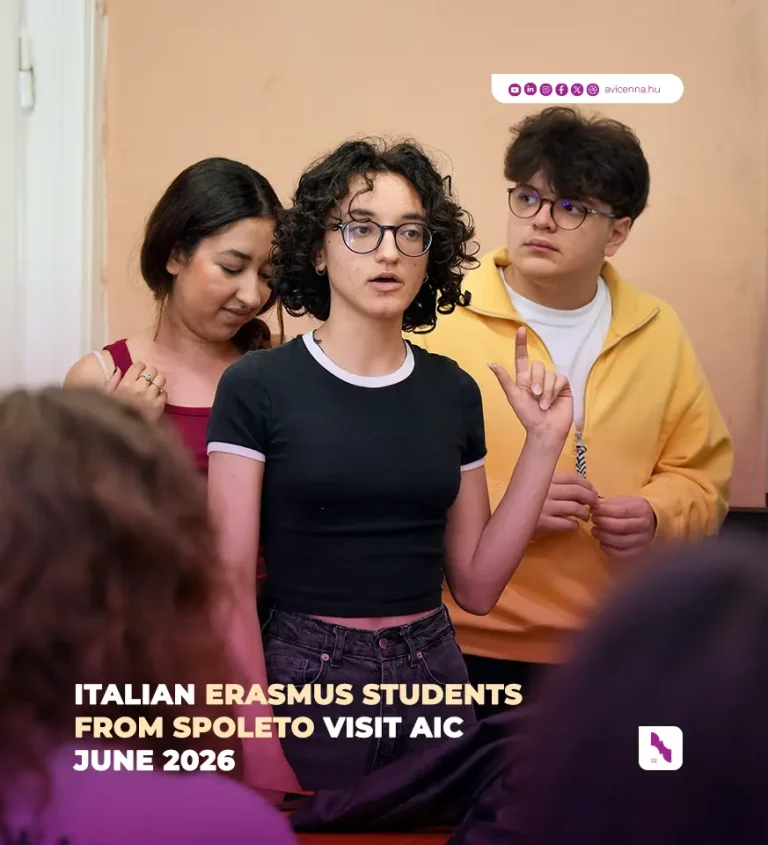
Perhaps the most valuable aspect of the Erasmus visit was the human connection that developed throughout the week. Shared lessons, workshops, city walks, meals, and informal conversations created an atmosphere in which students could learn from one another naturally. Friendships formed quickly, and both Avicenna and Italian students gained a deeper understanding of each other’s cultures, educational systems, and daily lives.
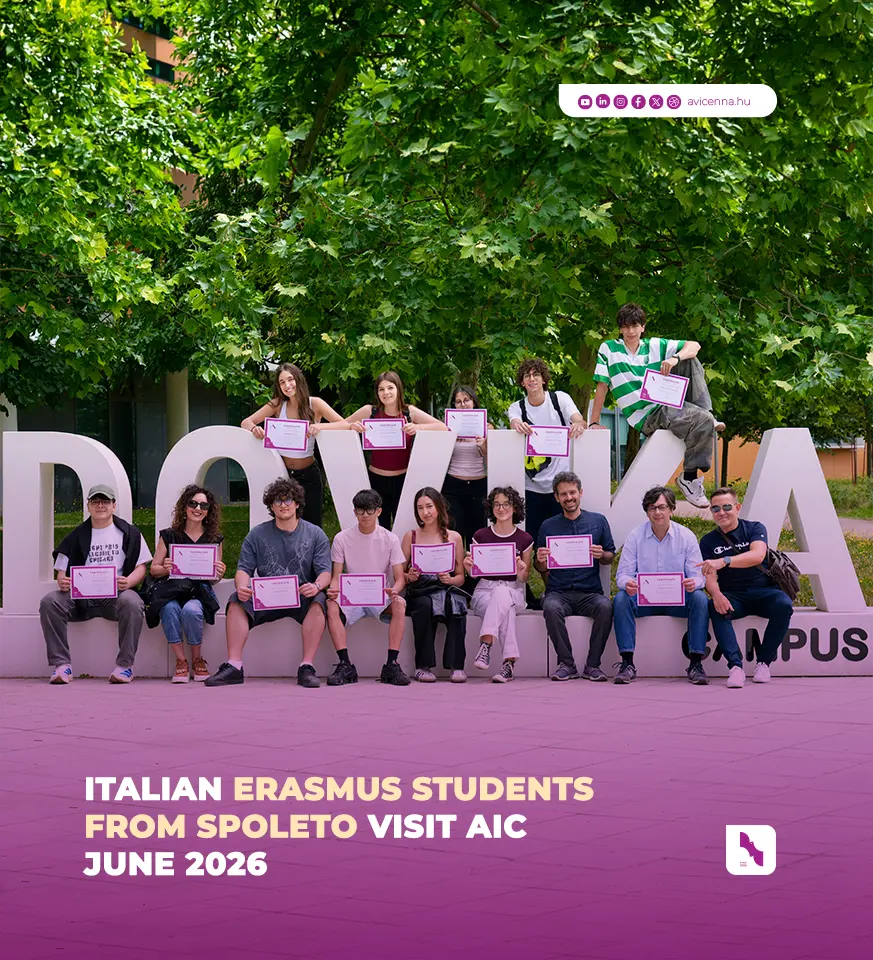
Experiences such as this Erasmus+ visit reflect Avicenna International College’s commitment to active learning, international collaboration, intercultural understanding, and preparing students to thrive in a connected global society
A Successful Erasmus Programme Strengthening European Connections
The visit from Spoleto was a successful example of what Erasmus programmes can achieve when cultural exploration is combined with meaningful educational activities. Thanks to the careful organisation of Mr Steve, the enthusiastic participation of the host students, and the academic contributions of Nicola, the week provided memorable experiences for everyone involved. As the Italian students returned to Umbria, they took with them not only photographs of Budapest’s landmarks but also new friendships and a stronger sense of belonging to a wider European community.