

Written by Steve Szabó
The Erasmus+ Job Shadowing mobility in Spoleto, Italy, provided an exceptional opportunity to explore innovative teaching practices, school leadership, and international educational cooperation. Throughout an intensive week at IIS Leonardo Sansi Volta, valuable professional experiences, intercultural exchanges, and new European partnerships strengthened both pedagogical knowledge and institutional collaboration.
Introduction to the Erasmus+ Job Shadowing Experience
My second Erasmus+ Job Shadowing activity took place between 23–27 March in Spoleto, in the Umbria region of Italy, at IIS Leonardo Sansi Volta secondary school.
Having already participated in one job shadowing experience before, I arrived with clear expectations, yet this week exceeded all of them and became the most intensive and professionally rewarding mobility I have completed so far.
I participated both as a Sciences and Biology teacher and as a high school principal, observing the institution simultaneously from pedagogical and leadership perspectives.
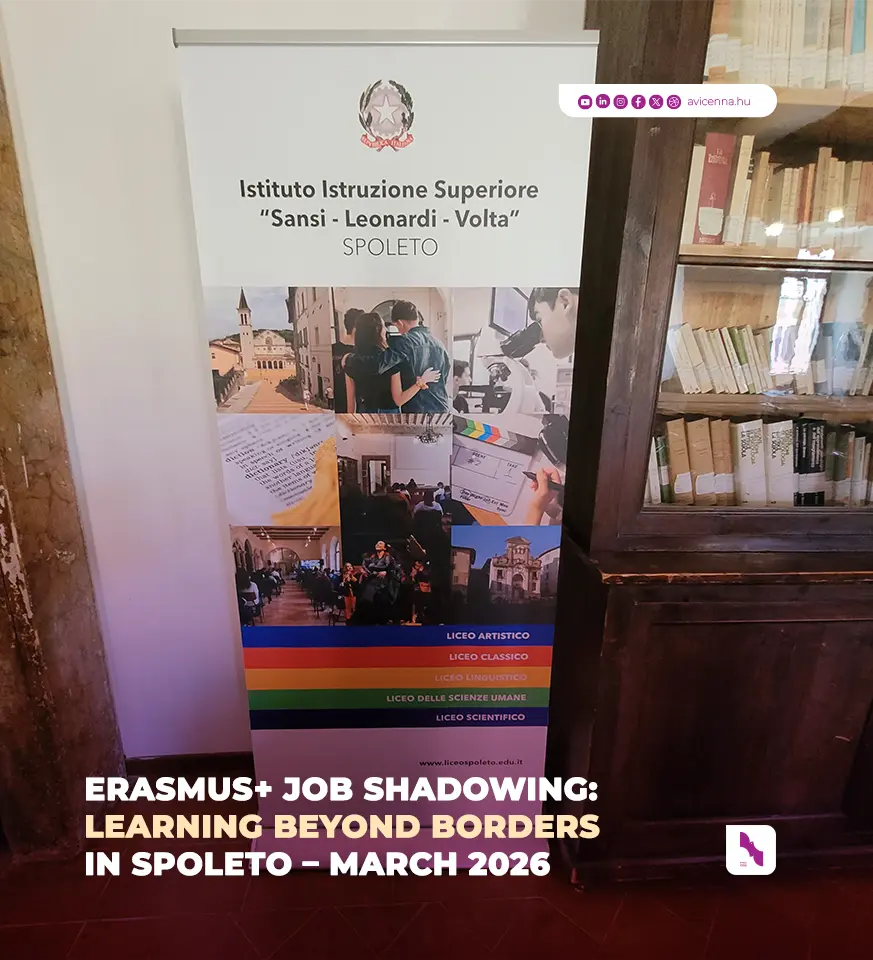
Discovering IIS Leonardo Sansi Volta in Spoleto
IIS Leonardo Sansi Volta is the largest secondary school in Spoleto, operating across four different campuses corresponding to four specialisations: Liceo Classico, Liceo Artistico, Scienze Umane, and Liceo delle Scienze Naturali.
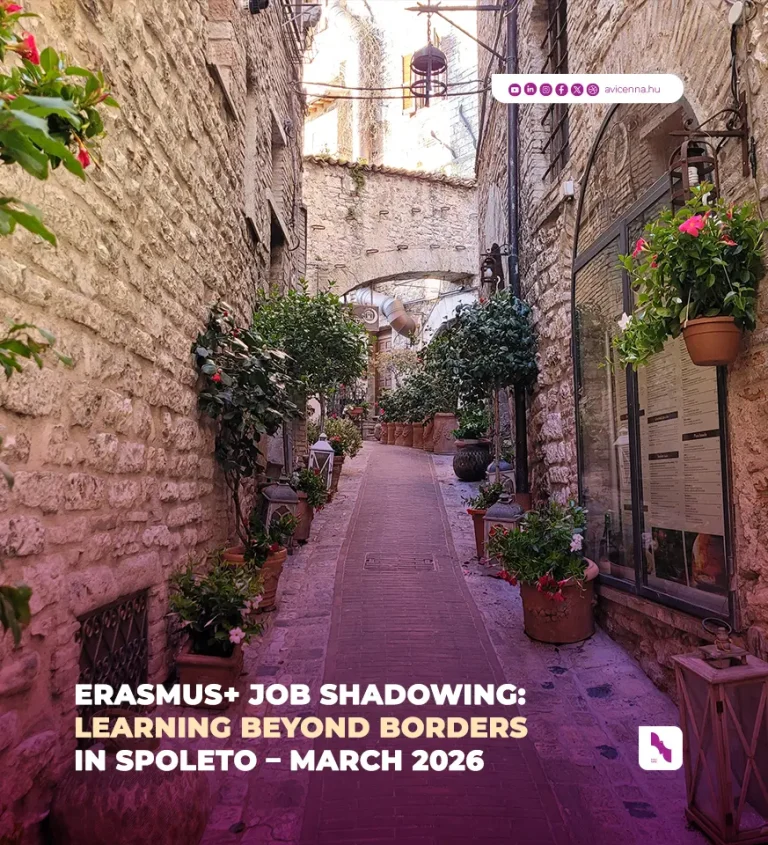
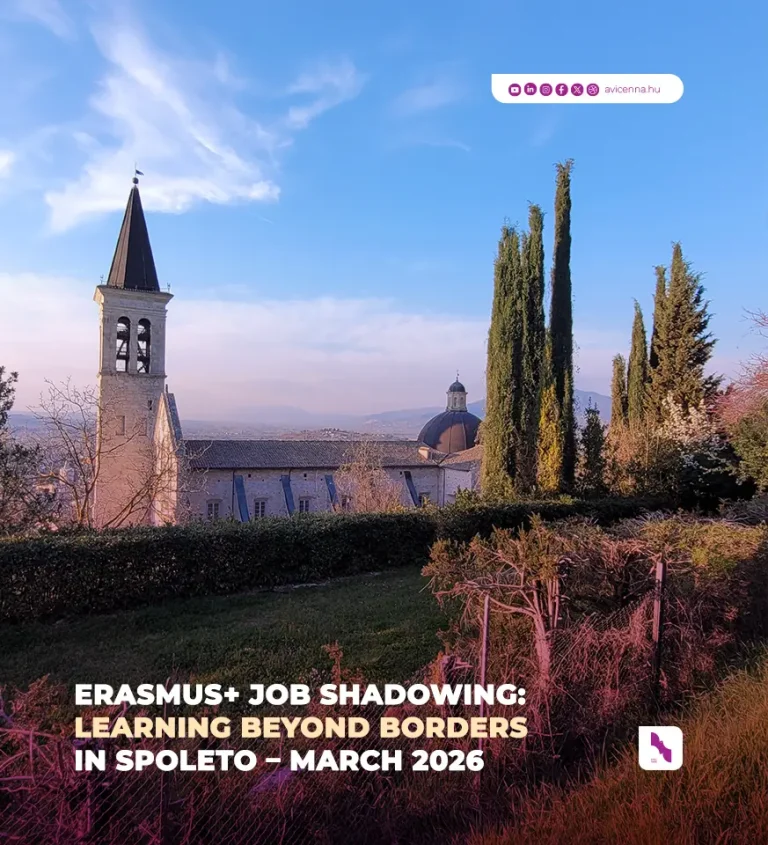
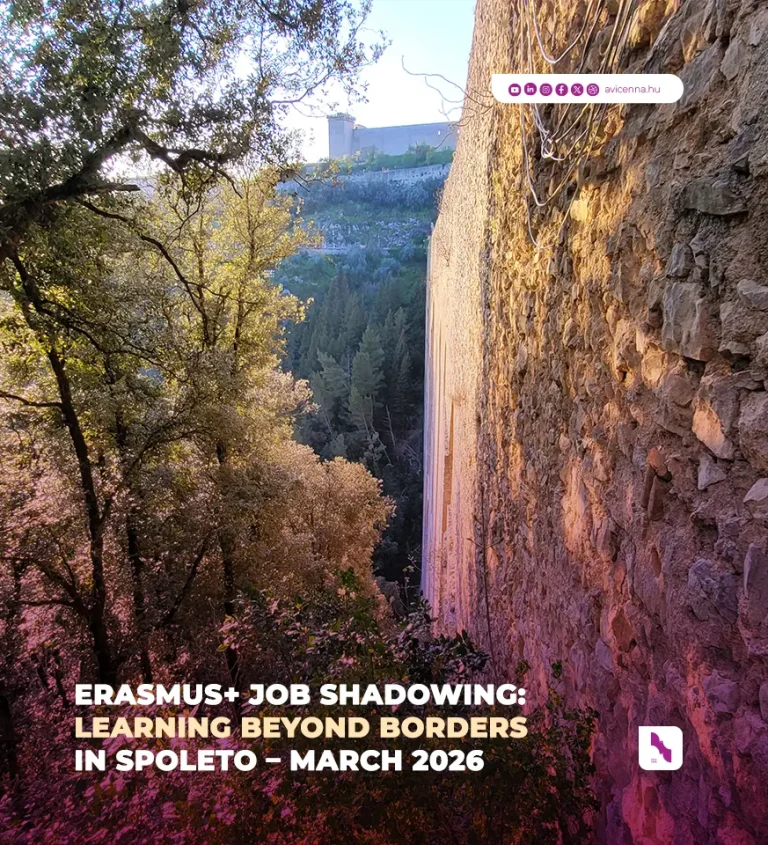
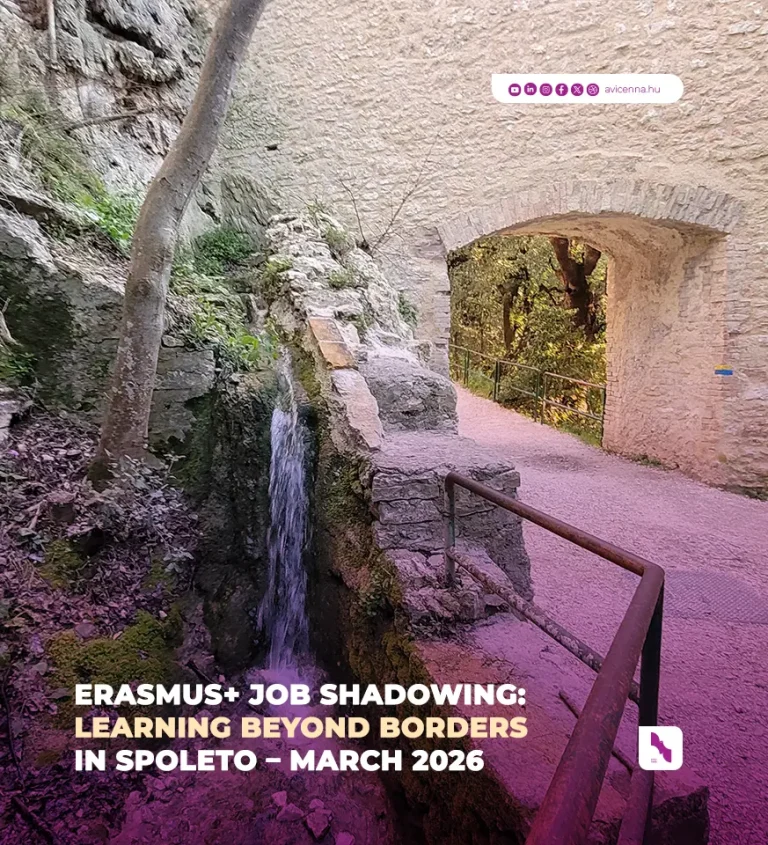
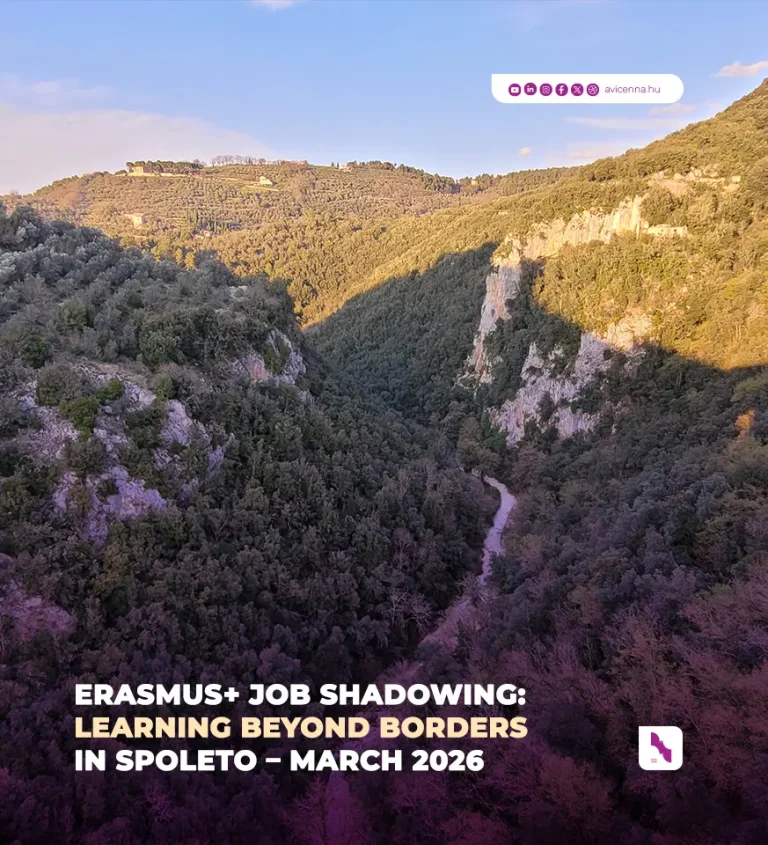
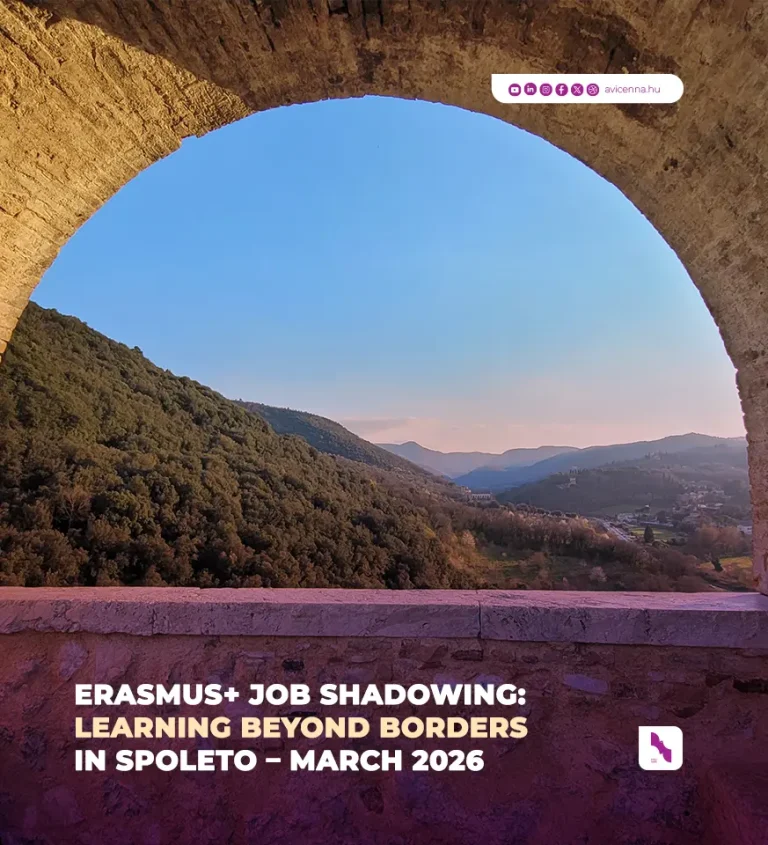
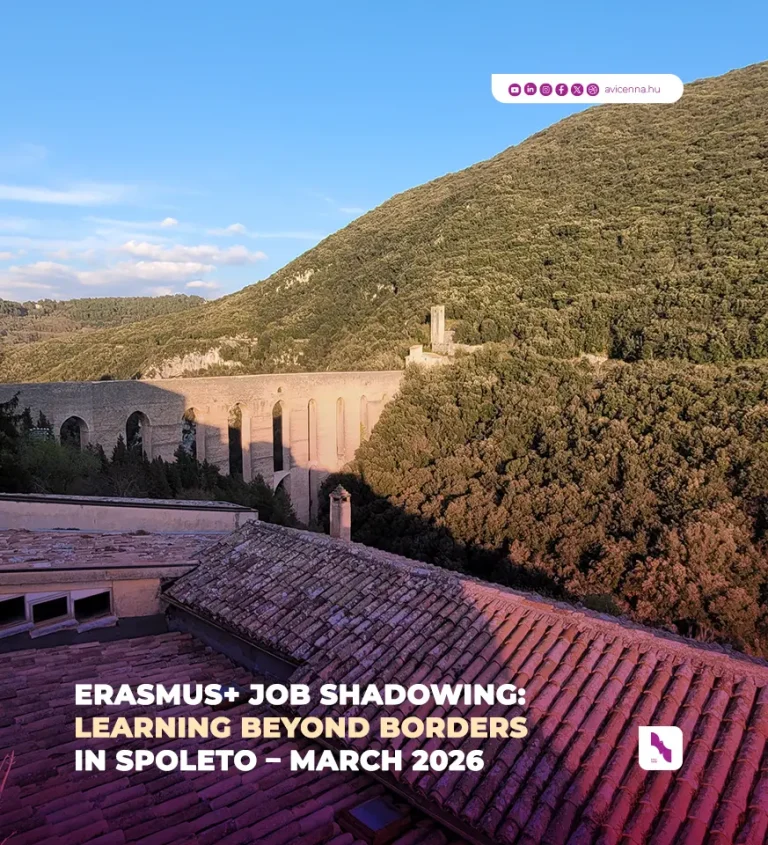
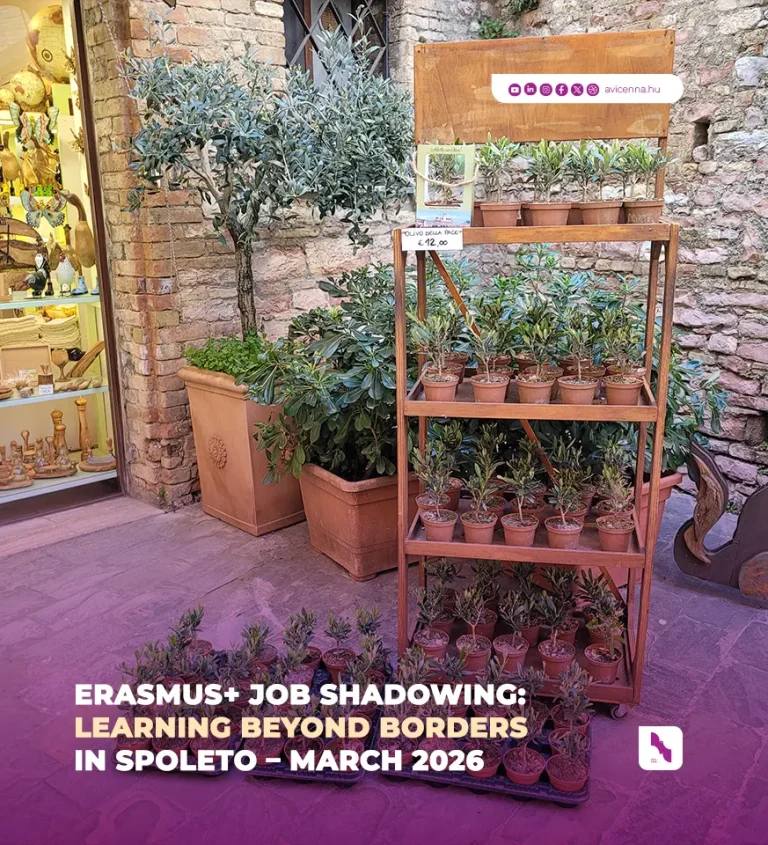
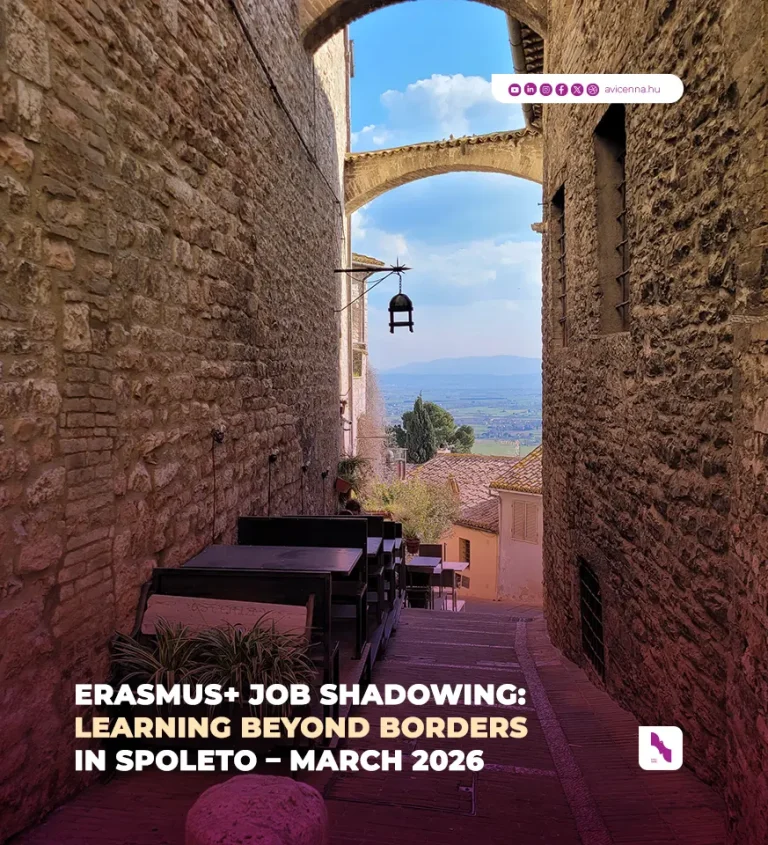
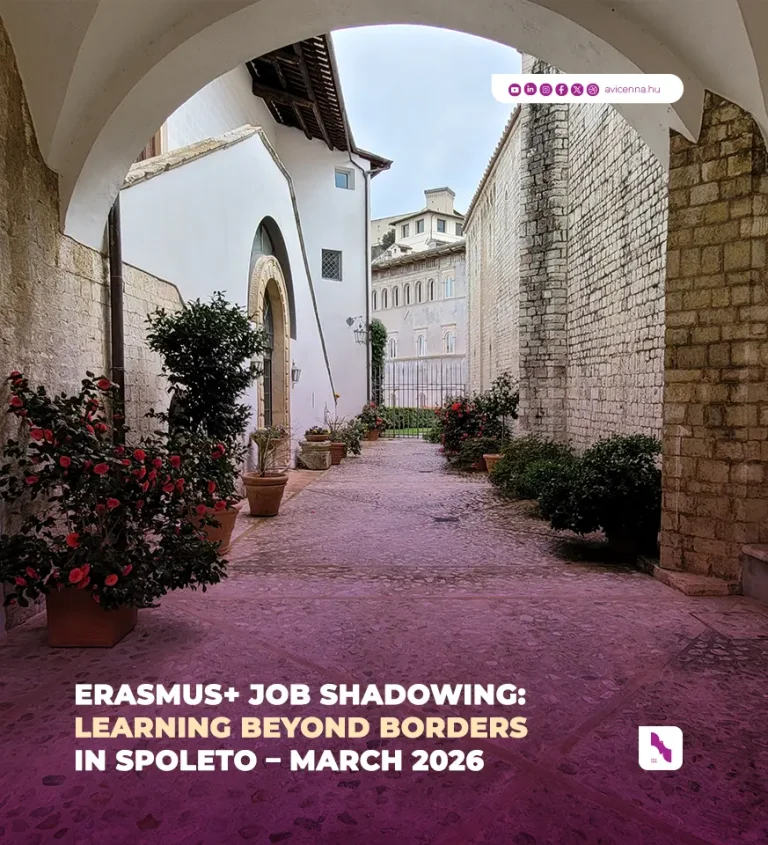
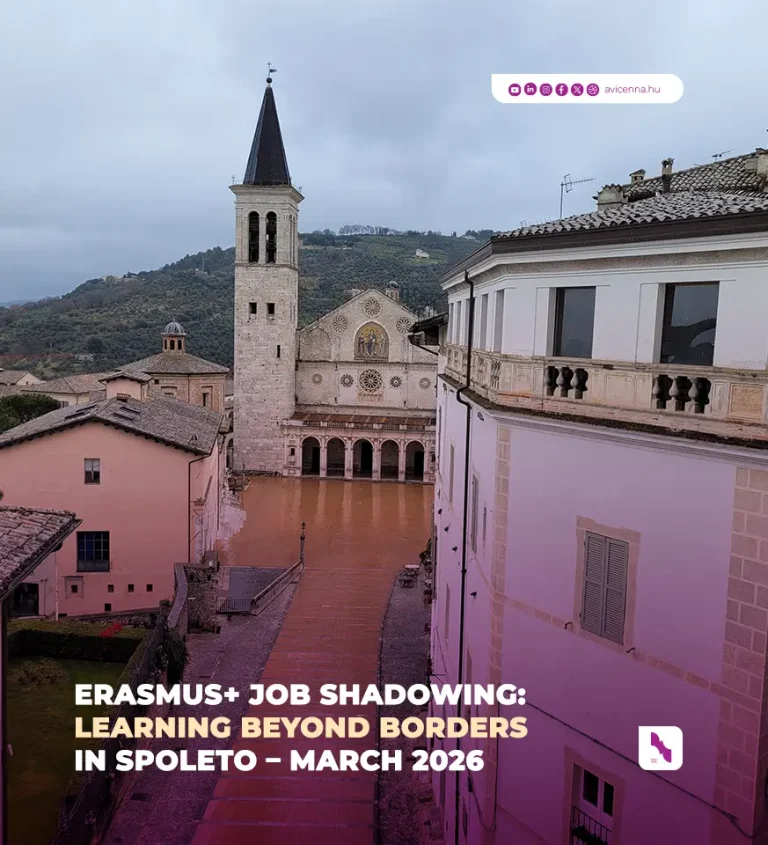
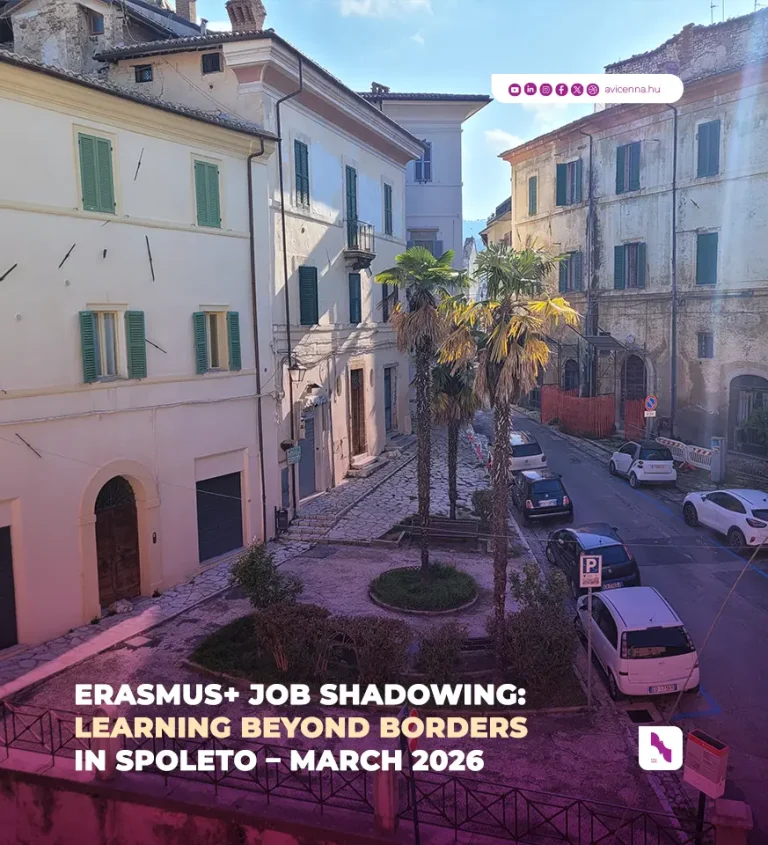
Three campuses are located in the historical hilltop centre of the town, dispersed among medieval streets, while the science campus lies outside the town.
Every morning I walked about twenty minutes uphill to reach the schools, as no public transport serves the historic centre. This daily walk quickly became symbolic of the week itself: demanding, energising, and immersive.
Classroom Observations Across Four School Campuses
Each day began with lesson observations lasting until approximately 1:00–1:30 pm.
The timetable was dense, with 50-minute lessons and only two short breaks during the entire morning.
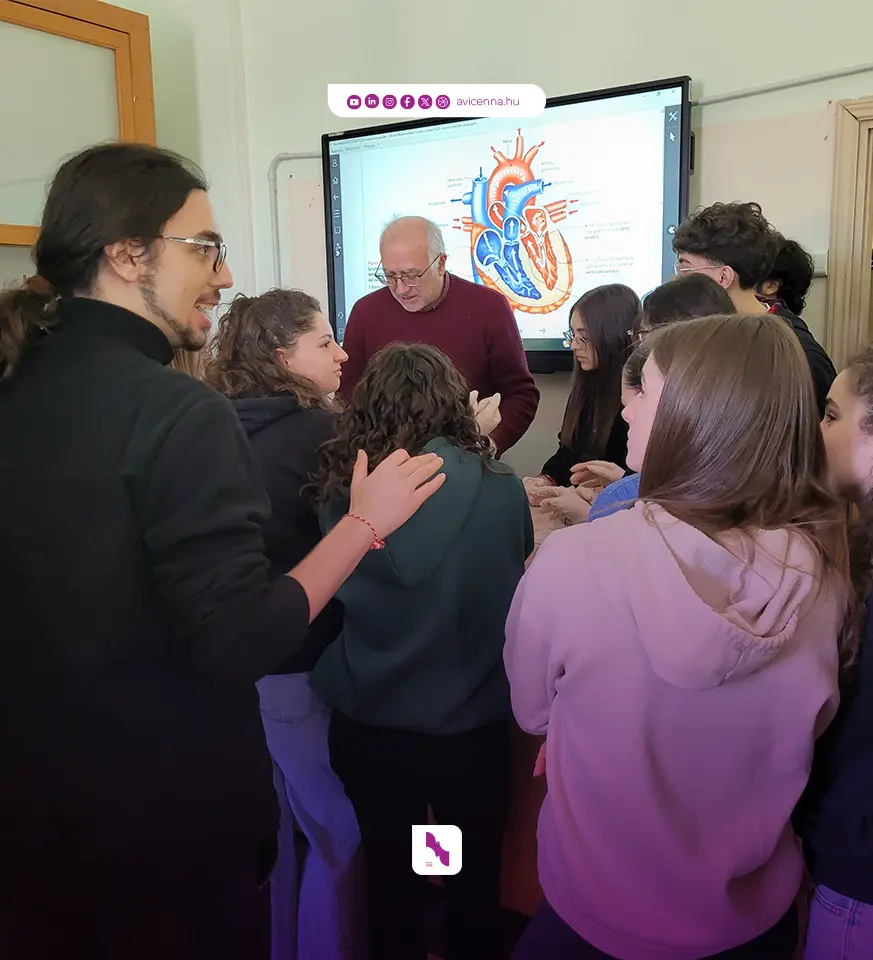
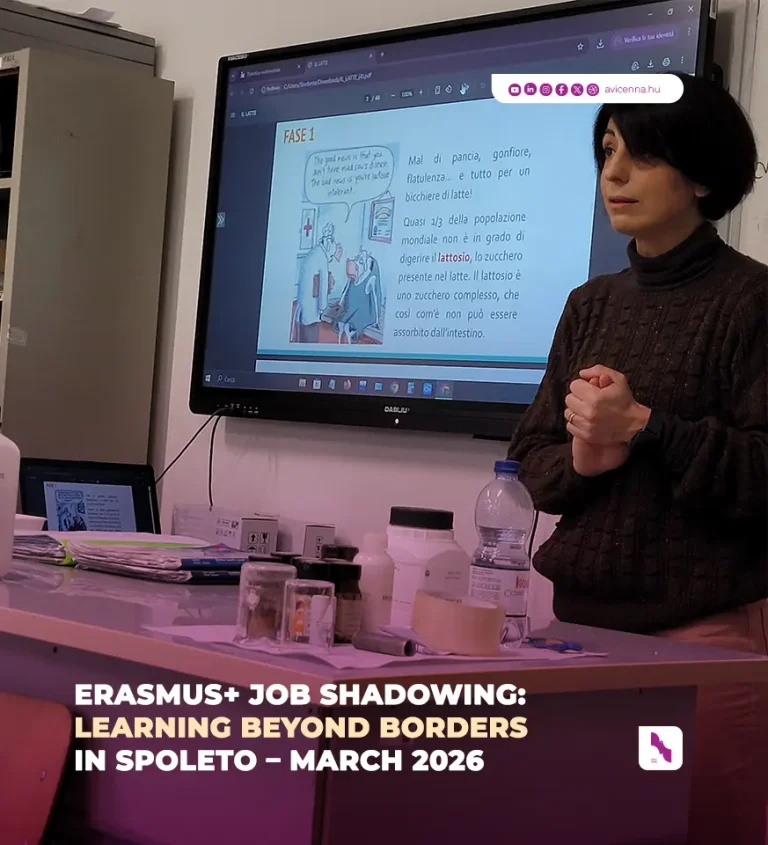
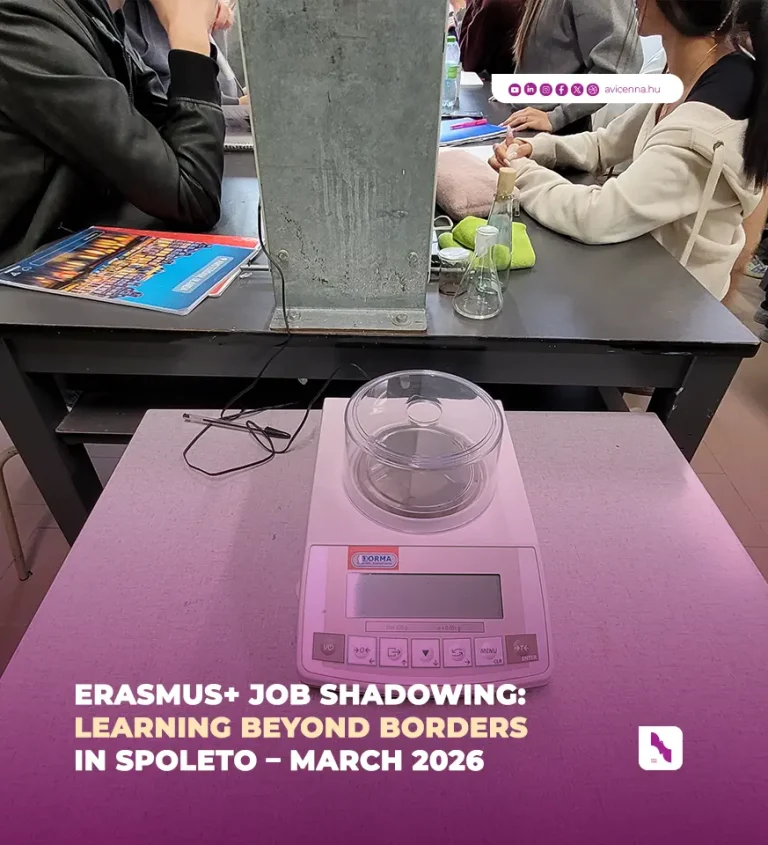
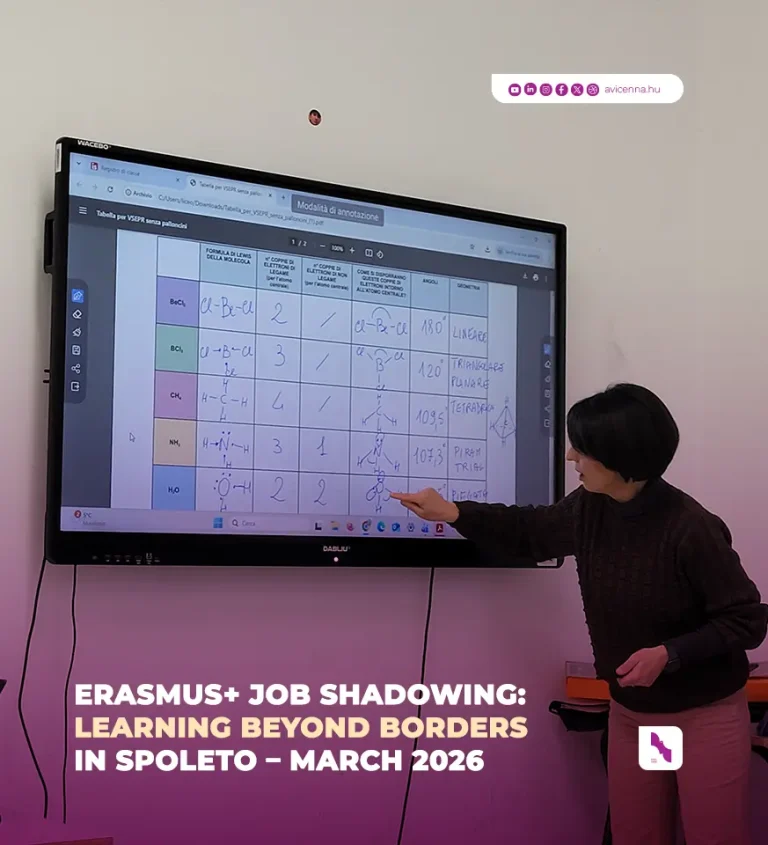
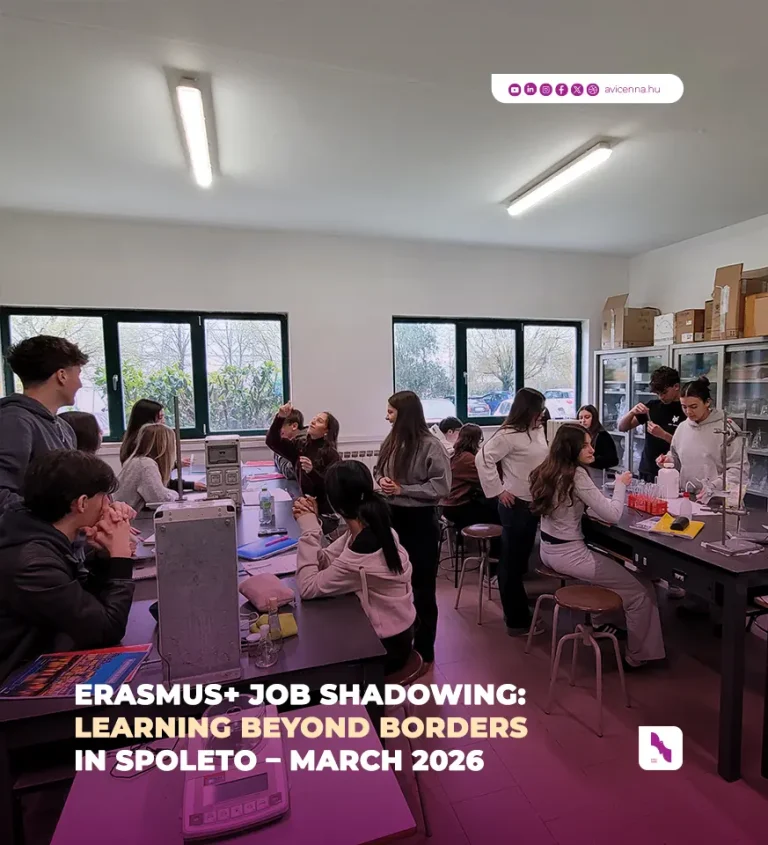
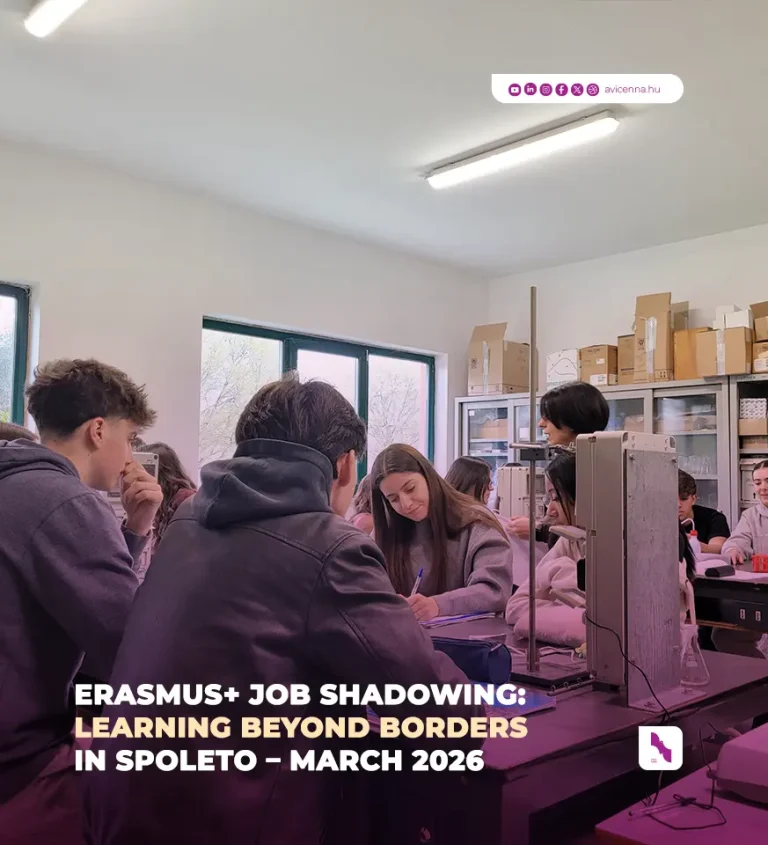
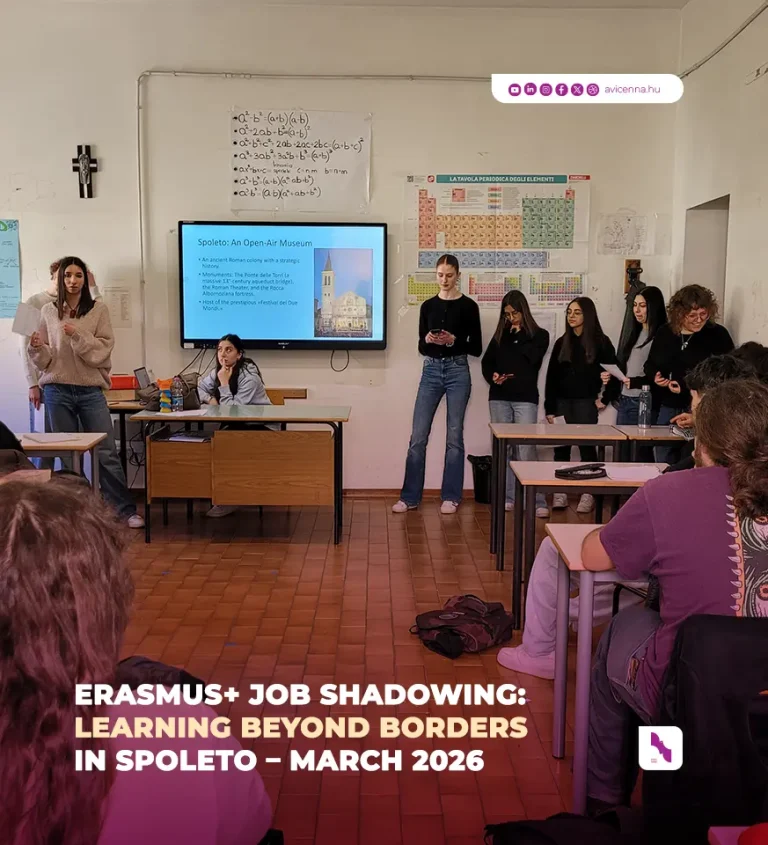
I observed classes in all four campuses, covering a remarkably wide spectrum of subjects: natural sciences, biology, foreign languages, history, Greek and Latin, as well as filmmaking.
I deliberately approached observations as I would at my own school when visiting colleagues’ lessons, focusing on methodology, classroom management, student engagement, and teacher–student interaction rather than only content delivery.
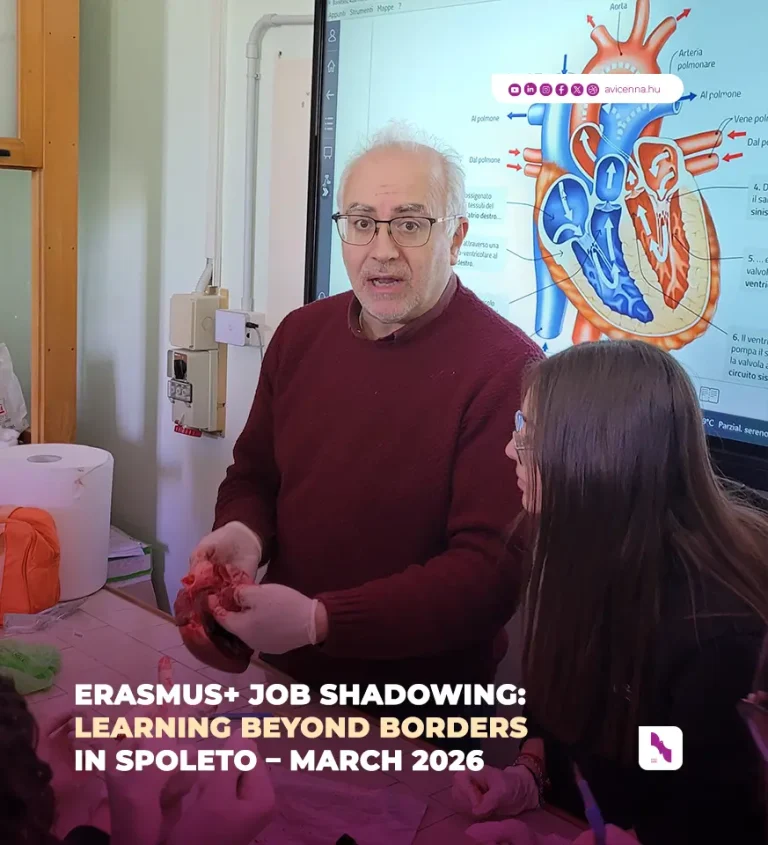
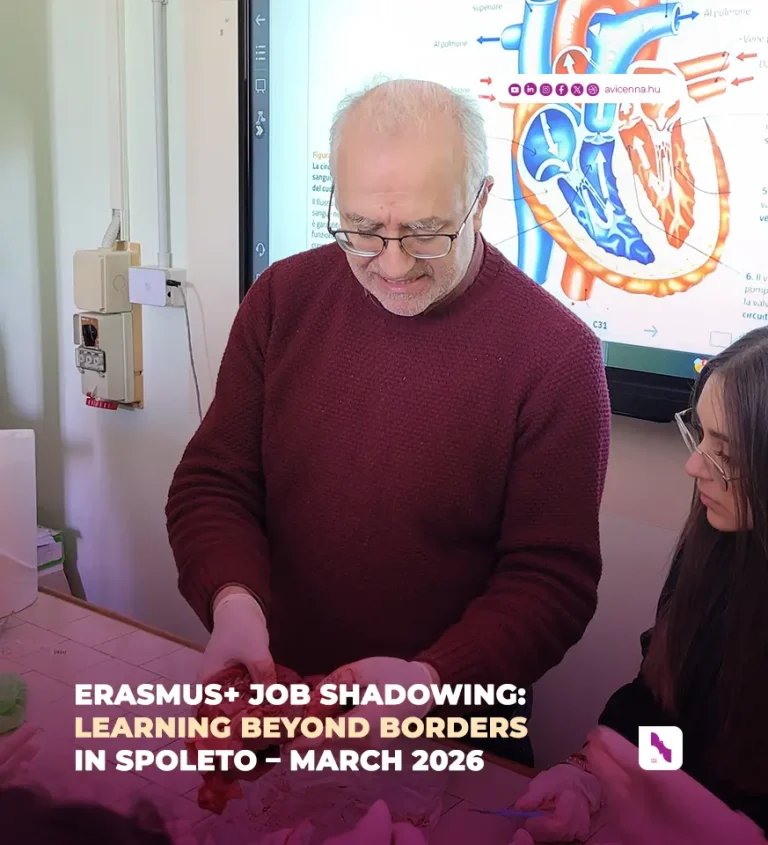
Effective Teaching Methods and Student Engagement
Teachers demonstrated strong subject preparation and clear lesson structuring.
Practical work and homework played an important role in maintaining continuity between lessons.
One practice that particularly impressed me was the consistent use of students’ names during lessons. Teachers actively called on individuals, which created immediate engagement and accountability.
Classroom authority appeared calm and natural rather than imposed.
Mobile phone use was strictly prohibited and respected by students
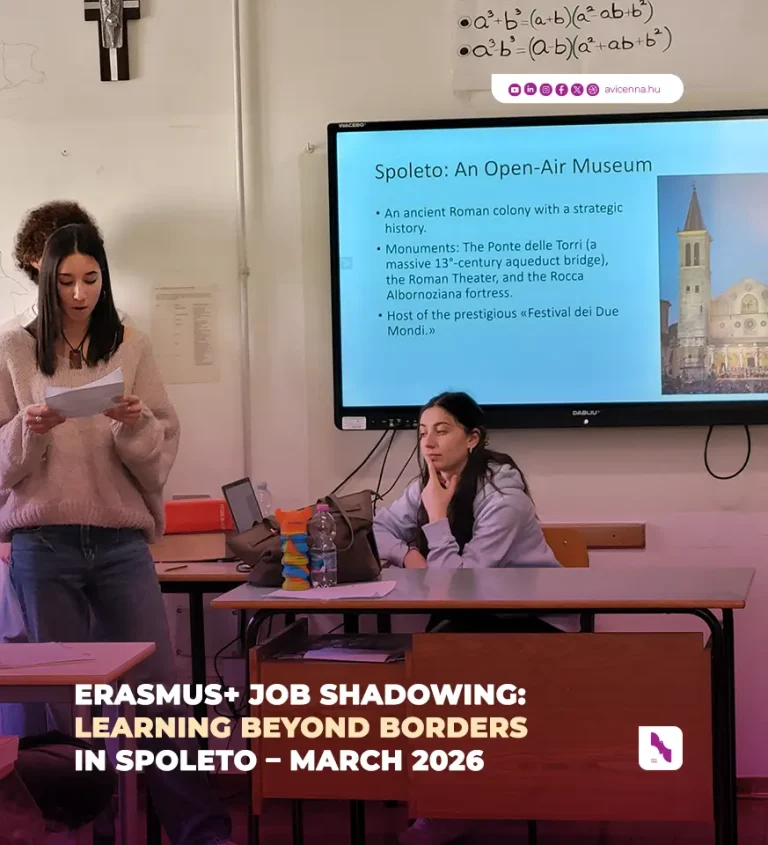
Comparing Italian and Hungarian School Practices
An interesting cultural difference emerged regarding punctuality.
Students frequently arrived late without formal warning or registration.
This contrasted sharply with Hungarian practice and sparked several professional discussions among staff about discipline, responsibility, and institutional expectations.
Observing these differences helped me reflect critically on which rules genuinely support learning and which primarily serve administrative control.
International Cooperation Through Erasmus+ Mobility
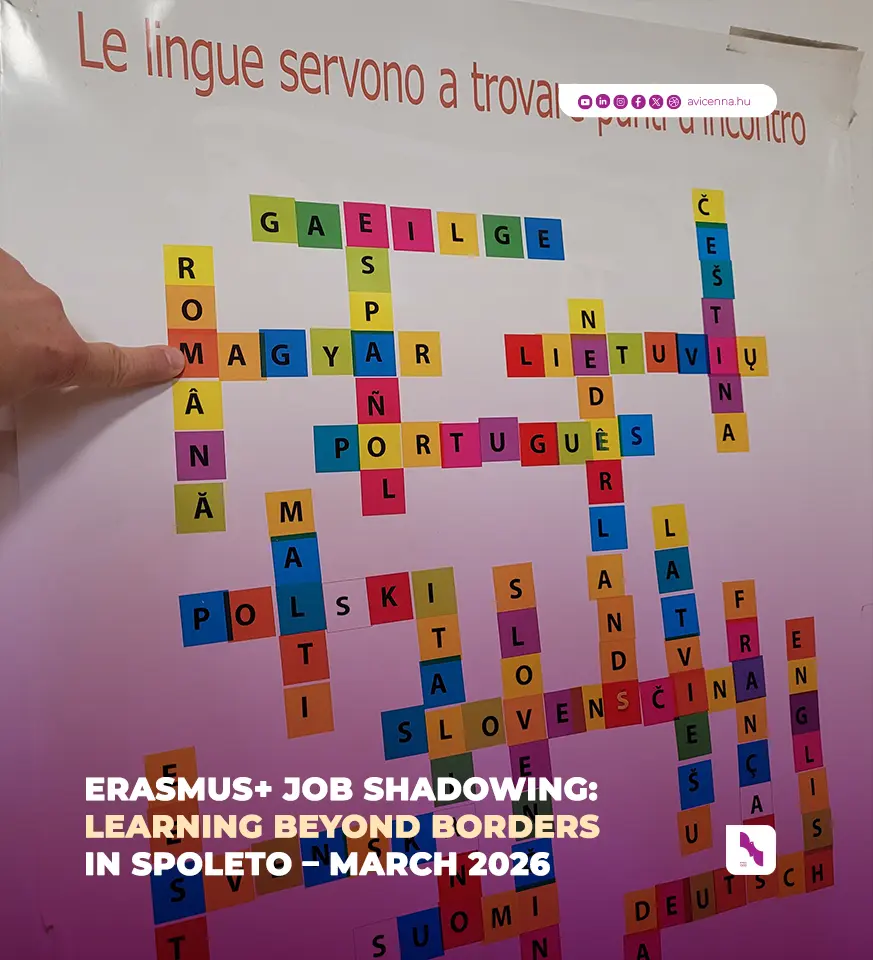
During the week I also followed a Slovakian–Hungarian minority high school group participating in mobility activities at the same institution.
This allowed me to observe intercultural learning situations from another angle.
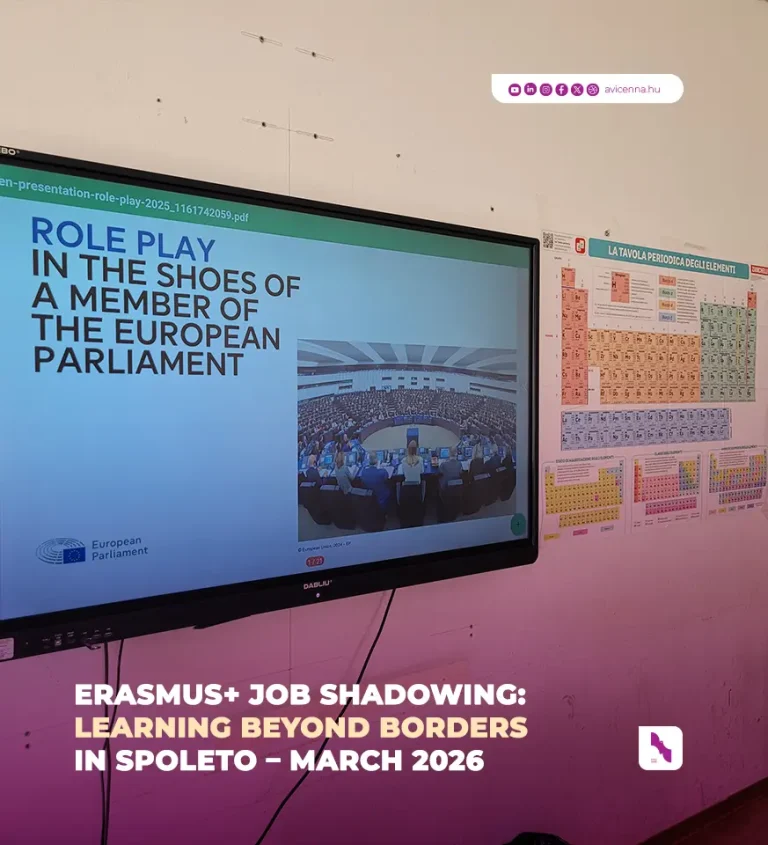
Their principal delivered an invited expert workshop simulating decision-making processes in the European Parliament.
Local Italian students worked in groups to formulate policy proposals and prepare them for voting procedures.
The activity revealed unexpected challenges: many students struggled to justify their decisions coherently and often voted “yes” simply because it seemed the easiest option.
Afterwards, together with teachers, we analysed the exercise and discussed student maturity, civic responsibility, and the difficulty young people face when confronted with complex societal questions requiring critical thinking.
School Leadership and Educational System Comparisons
Parallel to classroom observations, I participated in several professional meetings with both the Slovak-Hungarian school principal and the local Italian principal.
These discussions provided valuable comparative insight into educational systems.
I learned that Italian teachers have 18 contact teaching hours weekly compared to 24 in Hungary, and once appointed, teachers cannot lose their employment; in difficult situations the state reallocates them to another school.
School leadership structures also differ significantly: Italian principals serve a maximum of nine years at one institution, organised as three consecutive three-year terms, after which relocation is mandatory.
Principals do not teach and focus entirely on administration and strategic leadership.
Interestingly, the Slovakian system proved almost identical to the Hungarian one, reinforcing shared regional educational realities.
Cultural Visits and Professional Networking
Afternoons were devoted to cultural and institutional visits.
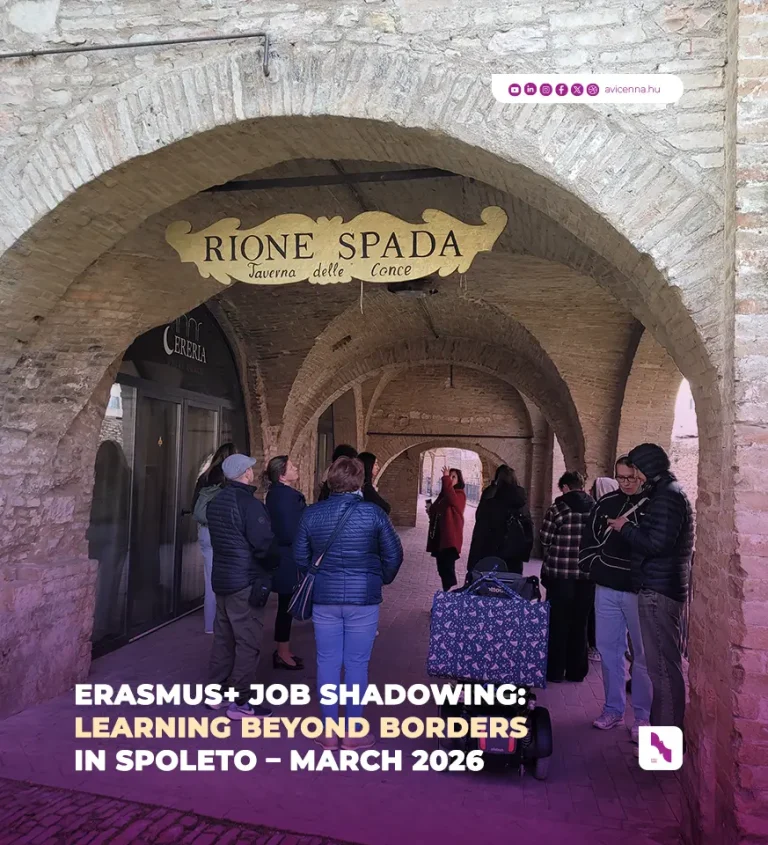
I joined excursions organised for the visiting Slovakian-Hungarian group, which created additional opportunities for informal professional exchange.
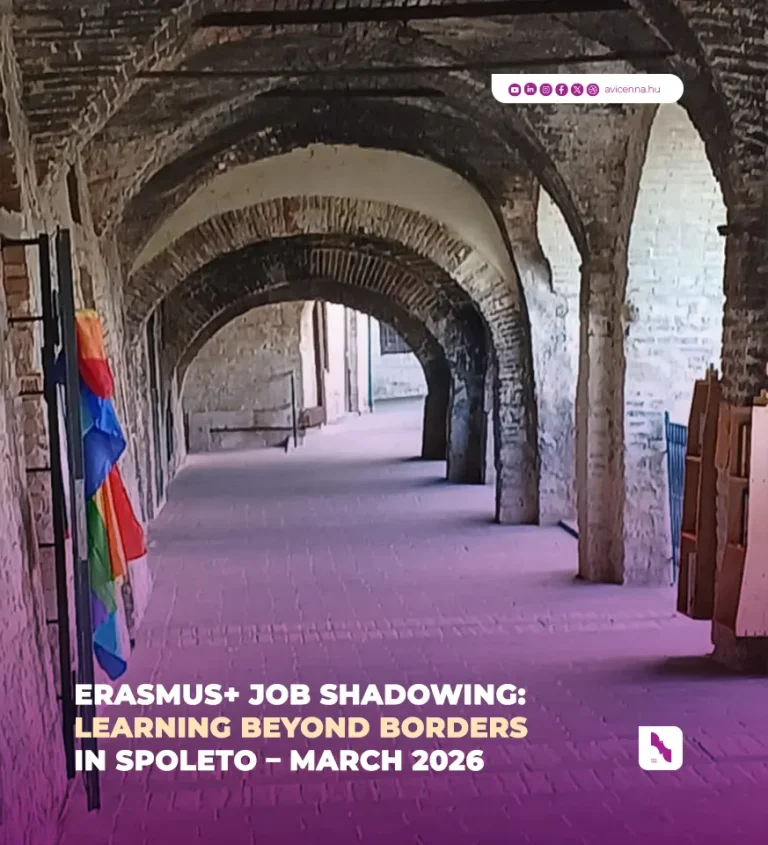
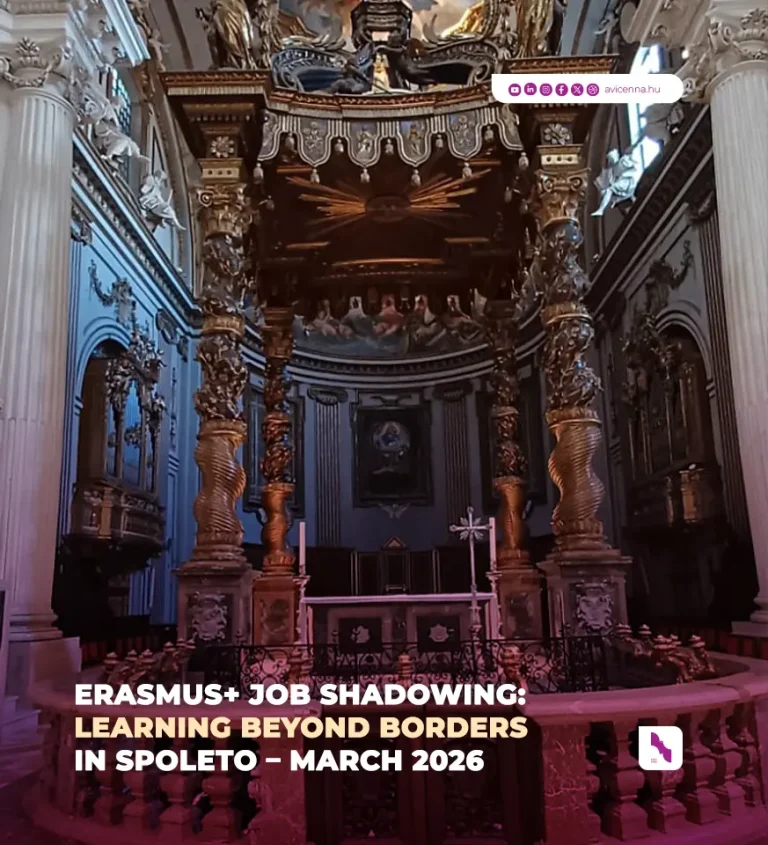
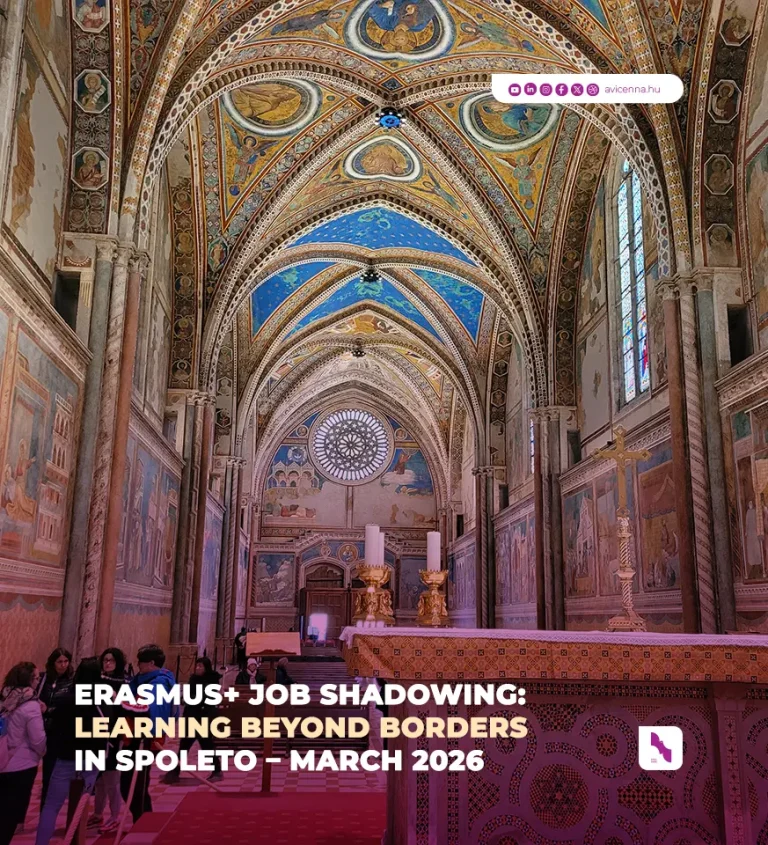
Because I know Umbria well and speak Italian, I guided parts of the visits myself in Assisi and Foligno, turning the experience into a genuine intercultural collaboration rather than passive participation.
Cooperation with the Spoleto City Council
One particularly meaningful afternoon was spent at the Spoleto City Council, where I met a councillor who is also a teacher.
Through discussions with the mayor and the entire municipal committee, I gained insight into how local political decisions are prepared and implemented.
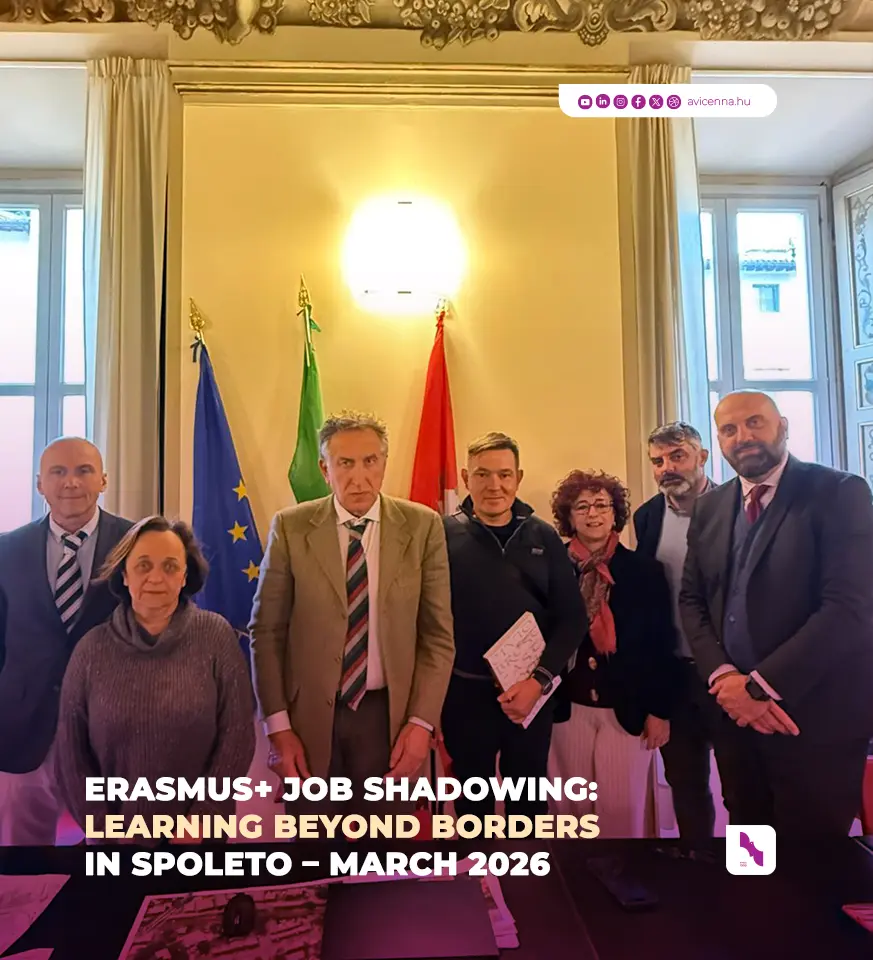
A small press conference was recorded, photographs were taken, and possibilities for future cooperation emerged.
As Spoleto City Council has recently obtained Erasmus accreditation, potential collaboration in art restoration projects and cultural exchange between Budapest and Spoleto became a realistic perspective.
Building European Partnerships Beyond the Classroom
Evenings were equally intense.
Colleagues regularly gathered after work to continue professional conversations while discovering Umbrian gastronomy, including local pasta varieties and truffle dishes.
These informal moments strengthened professional relationships and created genuine European collegiality.
On the final evening students and teachers shared a farewell dinner. Although it was already late March, the weather suddenly turned wintery and snow began falling around 11 pm, giving an unexpectedly memorable closure to the week.
Reflections on an Inspiring Erasmus+ Mobility
Throughout the entire mobility I returned to my B&B late every evening simply to sleep, with no time for anything else.
The programme was exceptionally full, combining pedagogical observation, leadership exchange, cultural immersion, and international cooperation.
This Job Shadowing experience provided concrete methodological ideas, deeper understanding of European school governance models, and renewed motivation both as a teacher and as a principal.
It was an intense, demanding, and extraordinarily rich professional experience that will have lasting impact on my school community and future Erasmus collaborations.