

Erasmus+ Group Mobility Project in Illescas: An International Learning Experience for AIC Students
Written and organized by Steve Szabó | 14 May 2026
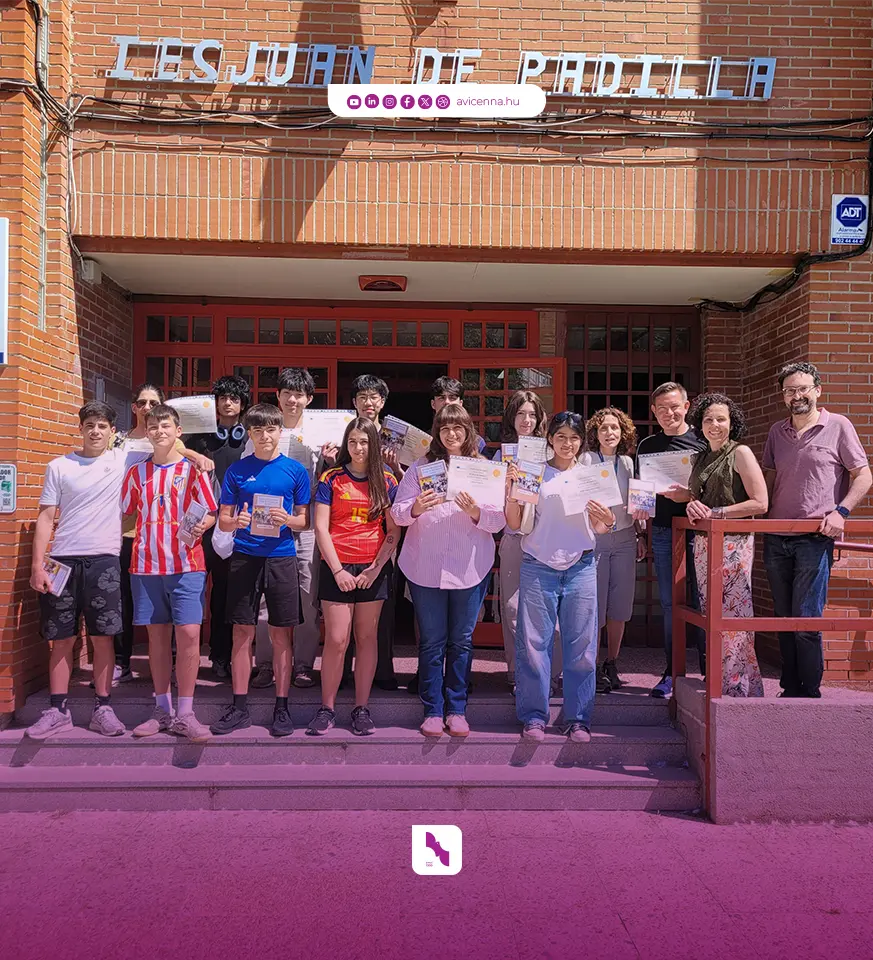
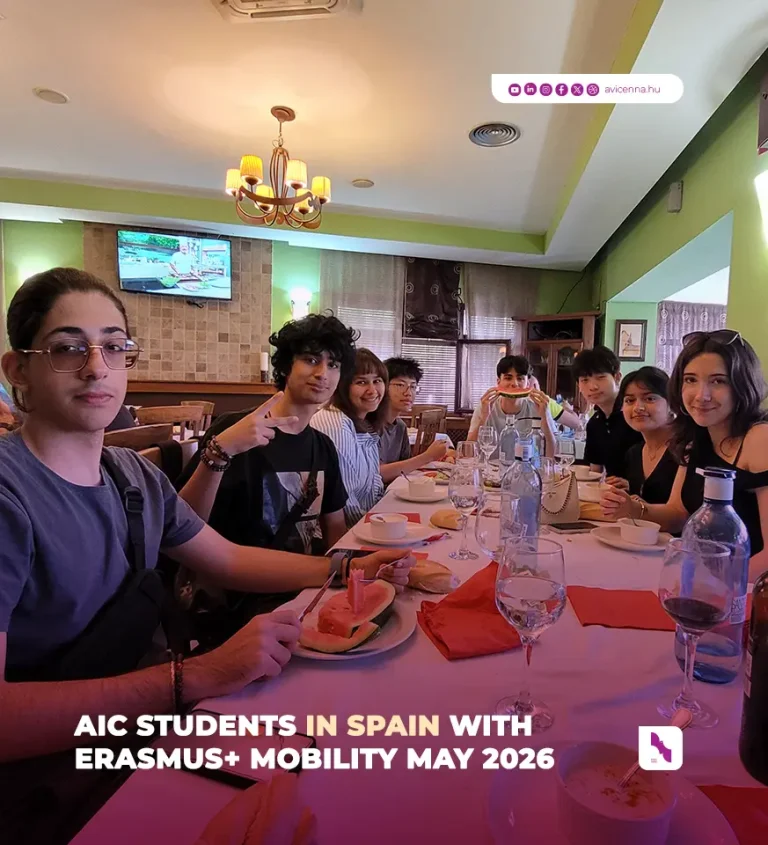
The Erasmus+ group mobility project in Illescas, Spain, provided eight students from the Avicenna International College (AIC) high school in Budapest with an exceptionally well-structured and academically meaningful international learning experience. The mobility took place immediately after the Spanish partner students had visited Budapest, creating a strong sense of continuity, mutual trust, and genuine cultural exchange between the two school communities.
Throughout the six active working days of the programme, all activities were professionally organised by the host institution, IES Juan de Padilla, and carefully supervised by local teachers. The programme successfully combined academic learning, sustainability education, intercultural competence development, language immersion, and European citizenship education.
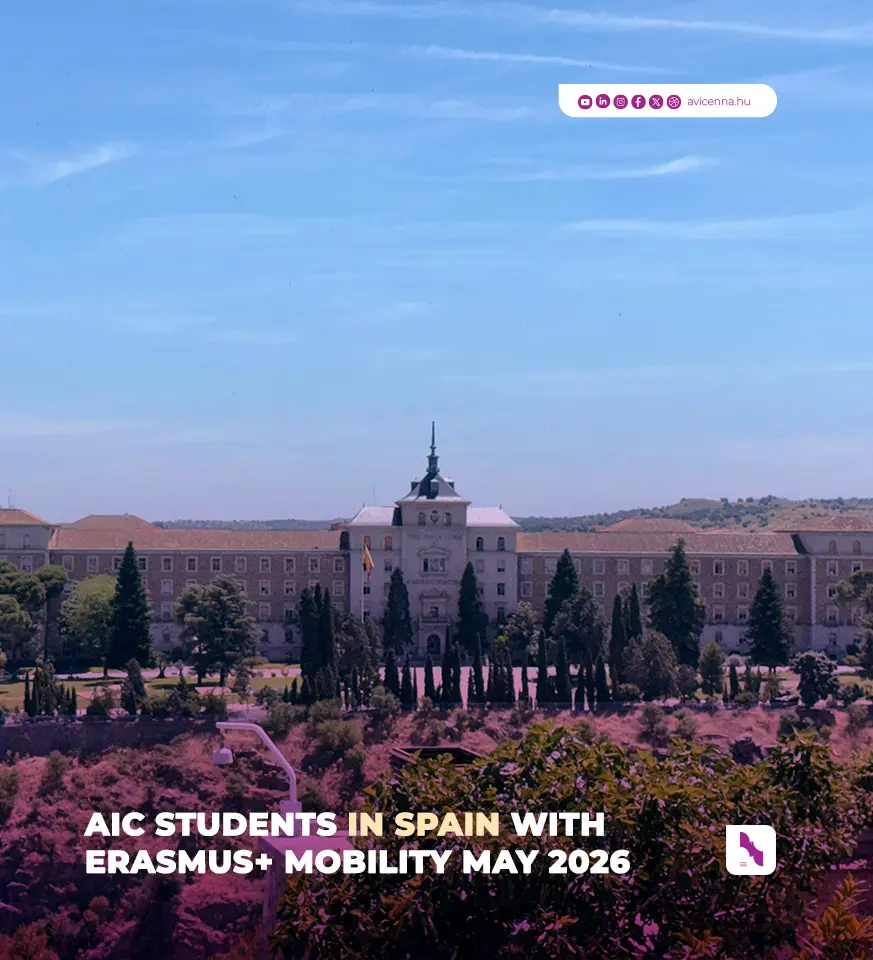
Day 1: Intercultural Learning Workshop and Cultural Heritage Exploration in Illescas
The project began on Saturday afternoon with an intercultural learning workshop following the group’s arrival in Illescas. The host school immediately introduced the students to the educational goals of the mobility programme.
During the session, students discussed cultural differences, teacher communication styles, and the importance of openness and adaptability in international cooperation. This introductory programme helped participants prepare for the week ahead both socially and academically.
Discovering the Historical Heritage of Illescas
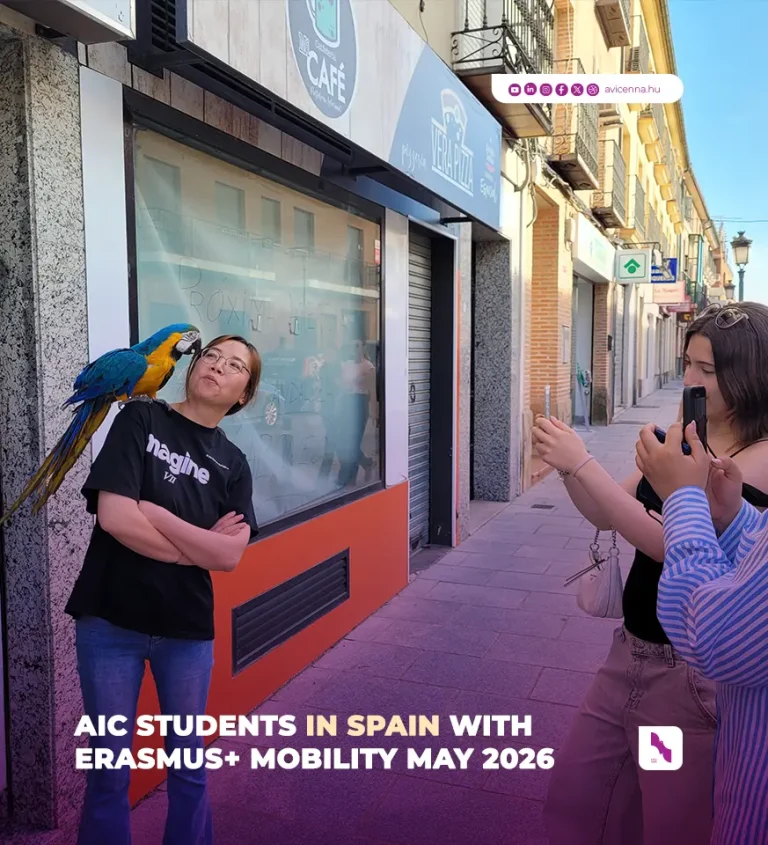
In the afternoon, the group explored Illescas together with local students and teachers. The guided walk introduced participants to the town’s historical and artistic heritage, including the Sanctuary of the Hospital de la Caridad, where several paintings by El Greco are preserved.
Students also visited the Franciscan Monastery and the Parish Church of La Asunción, where they observed the coexistence of several architectural styles reflecting different historical periods. These visits allowed students to connect cultural heritage with historical context while practising communication in English and Spanish in authentic situations.
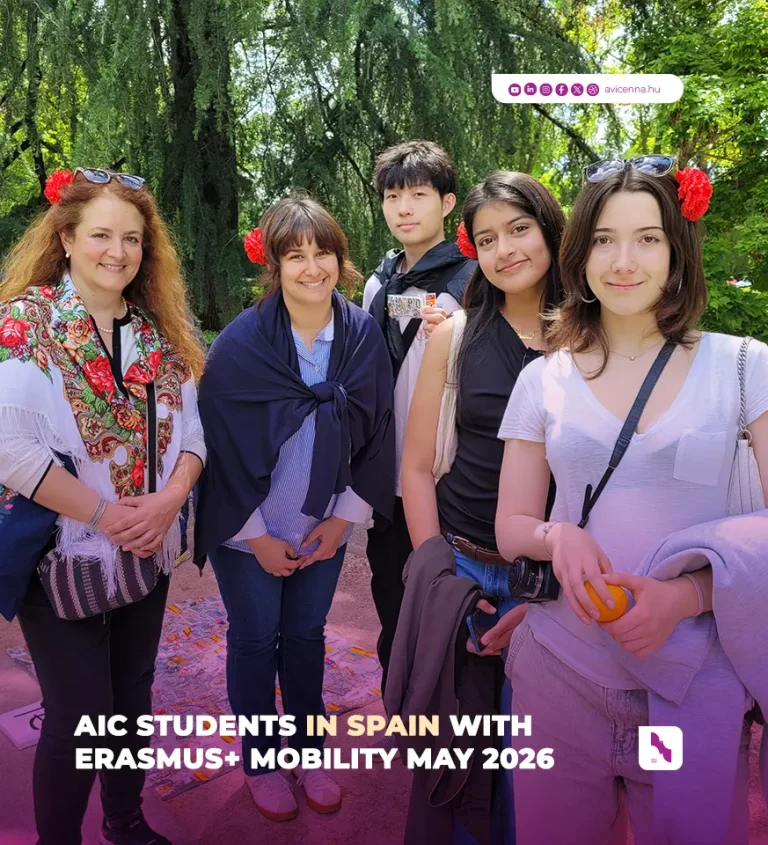
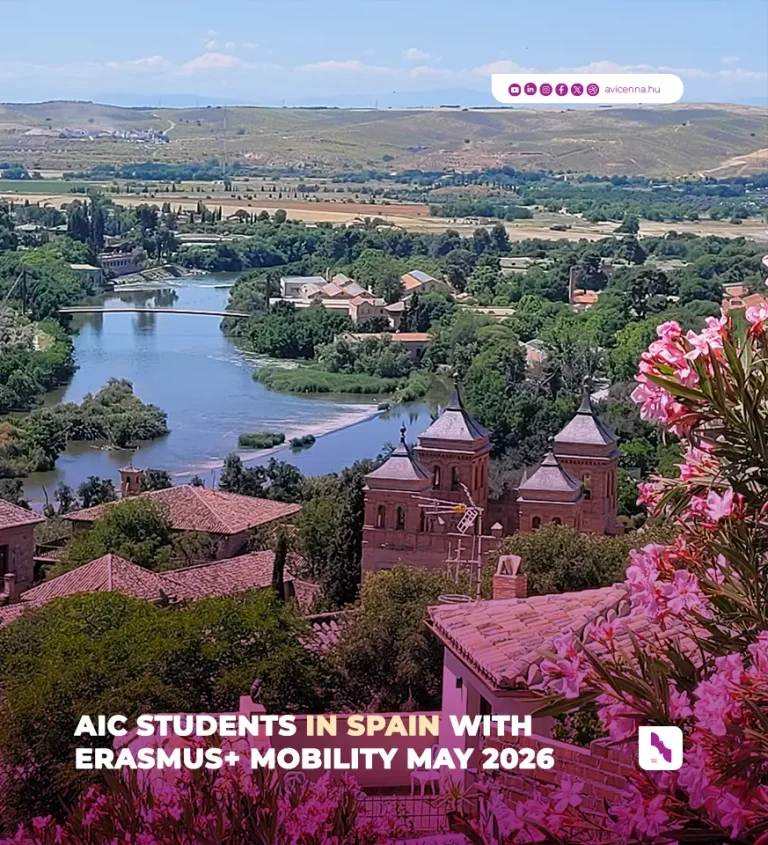
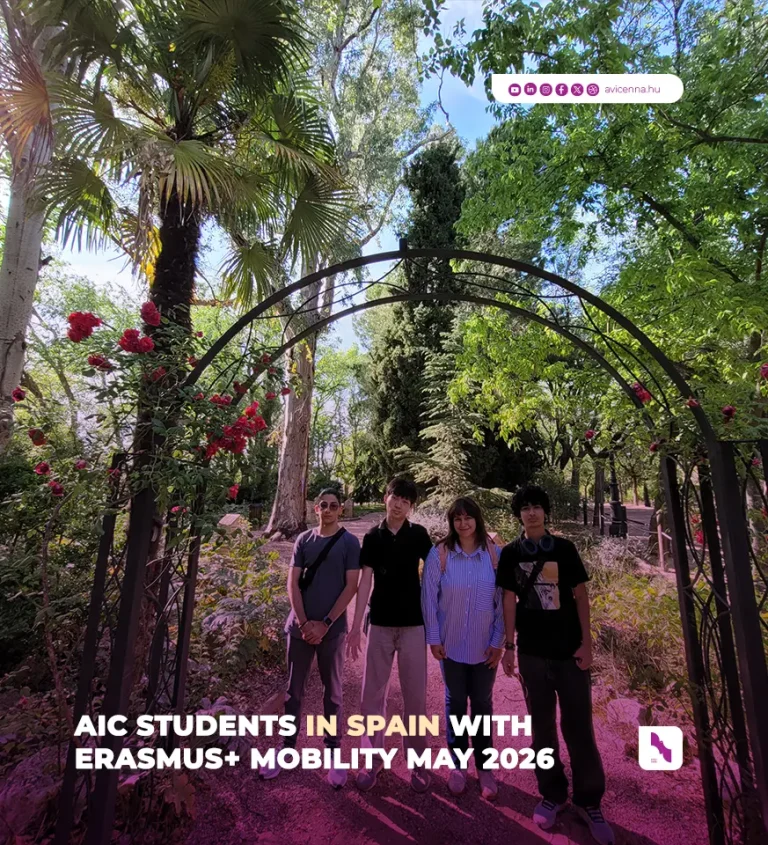
Day 2: Educational Visit to Madrid and European Cultural Heritage
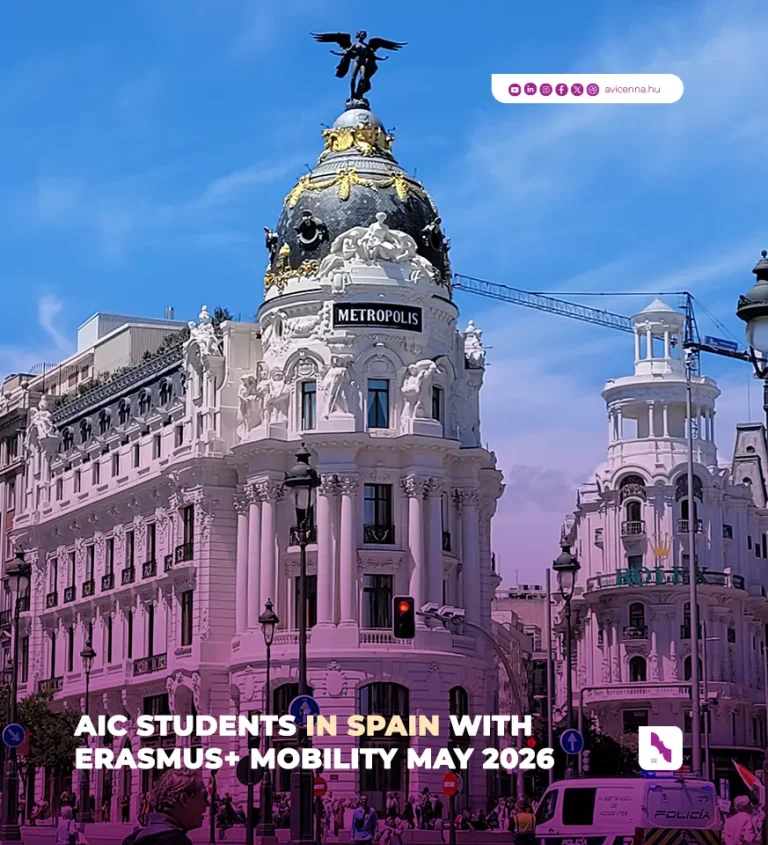
Sunday was organised as an outdoor educational day in Madrid. Accompanied by Spanish teachers and students, the AIC group travelled by train to the capital, where host teachers provided detailed historical and cultural explanations entirely in English.
Key Educational Highlights in Madrid
The visit included several major landmarks:
- Prado Museum
- Royal Palace
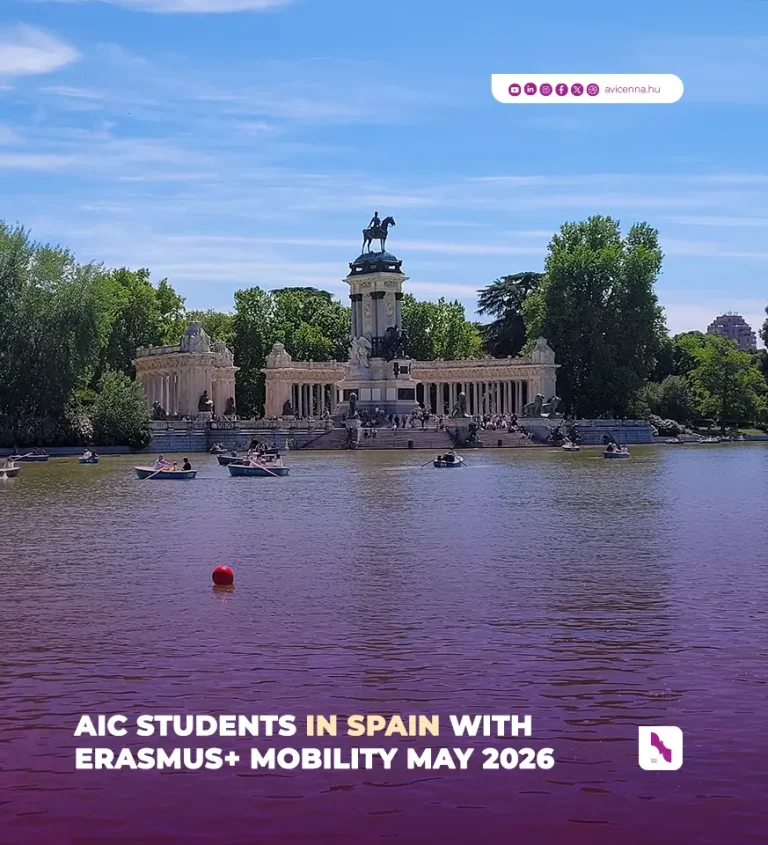
- Retiro Park
The programme focused not only on sightseeing but also on historical interpretation and critical observation. Students learned about the Moorish origins of Madrid, the city’s development under the Kingdom of Castile, and its transformation into the capital of Spain.
Guided discussions connected art, politics, architecture, and European history, encouraging students to think comparatively about national identity and cultural memory. The educational value of the day was particularly high because students continuously interacted with local peers in a multilingual environment.
Day 3: Classroom Integration and Language Immersion at IES Juan de Padilla
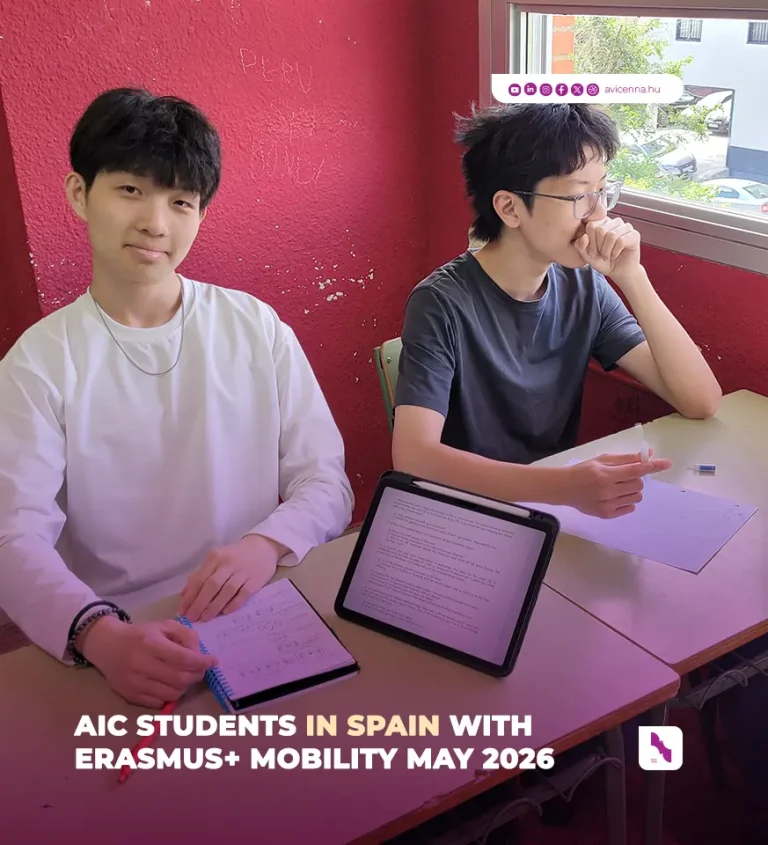
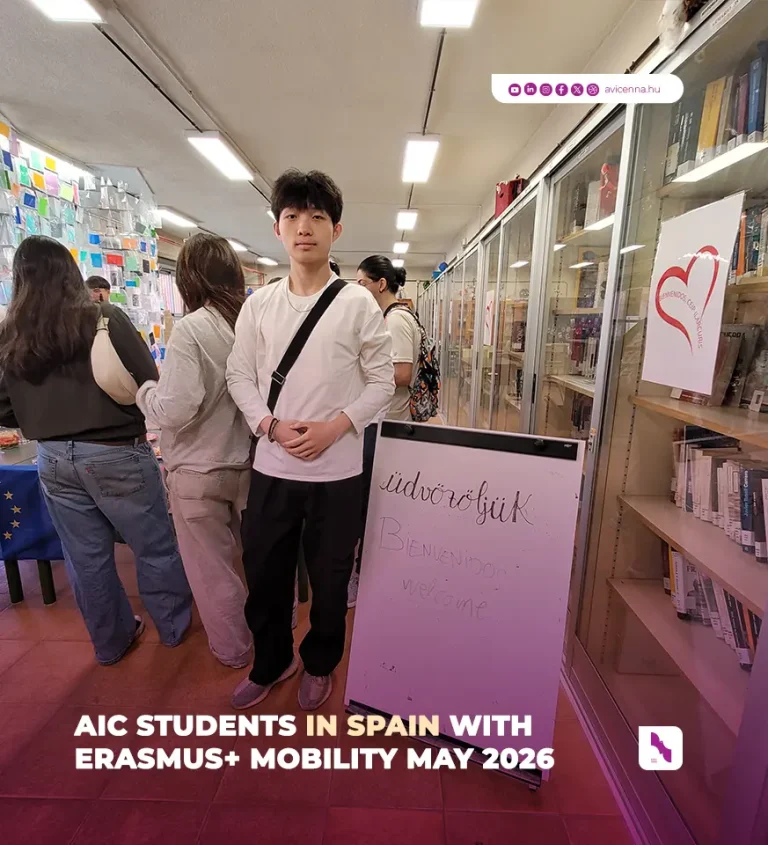
On Monday, students attended classes at the host school, IES Juan de Padilla. The welcoming programme included traditional Spanish refreshments prepared by local students, creating an atmosphere of hospitality and inclusion.
Academic Participation and Language Development
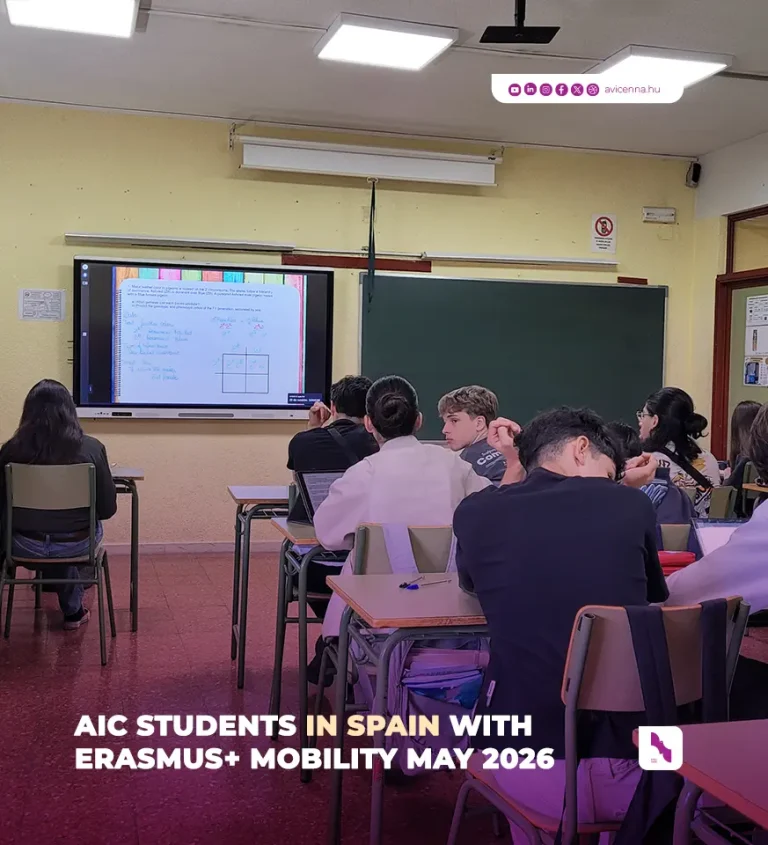
Students were integrated into different classes according to their interests and language abilities. Some attended history and mathematics lessons in English-supported environments, while students with stronger Spanish language competence participated more actively in Spanish-language lessons.
This aspect of the mobility was especially valuable for the two students with advanced Spanish skills, including one native speaker from Argentina and another highly proficient non-native learner. For both students, the immersion experience significantly strengthened their confidence, fluency, and academic vocabulary.
Day 4: Sustainability Education and European Citizenship
Tuesday focused strongly on sustainability and European citizenship education.
Discussions on the European Union and Democratic Values
During the first lesson, students discussed the European Union, democratic change, and social developments in Hungary and Spain together with teachers and school leadership. The open dialogue encouraged participants to compare perspectives and reflect critically on contemporary European issues.
Sustainability and Environmental Awareness in Science Education
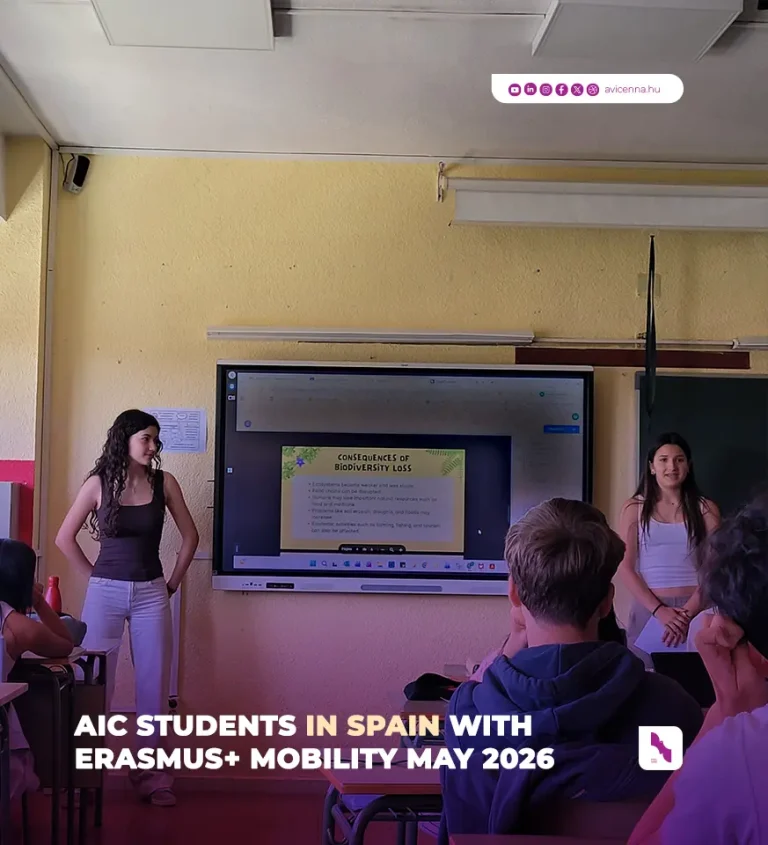
The following chemistry lesson addressed environmental sustainability in a highly practical way. Topics included:
- The importance of bees in ecosystems
- Natural methods of pest control
- Oil pollution
- Overfishing and overhunting
- Depletion of natural resources
Students worked collaboratively to identify realistic solutions such as reducing water and electricity consumption and increasing the use of renewable energy sources, including solar and wind power.
Later in the day, literary discussions about Romanticism, Goethe, and Rousseau further strengthened interdisciplinary learning and foreign-language communication skills.
Day 5: Toledo – A UNESCO World Heritage Learning Experience
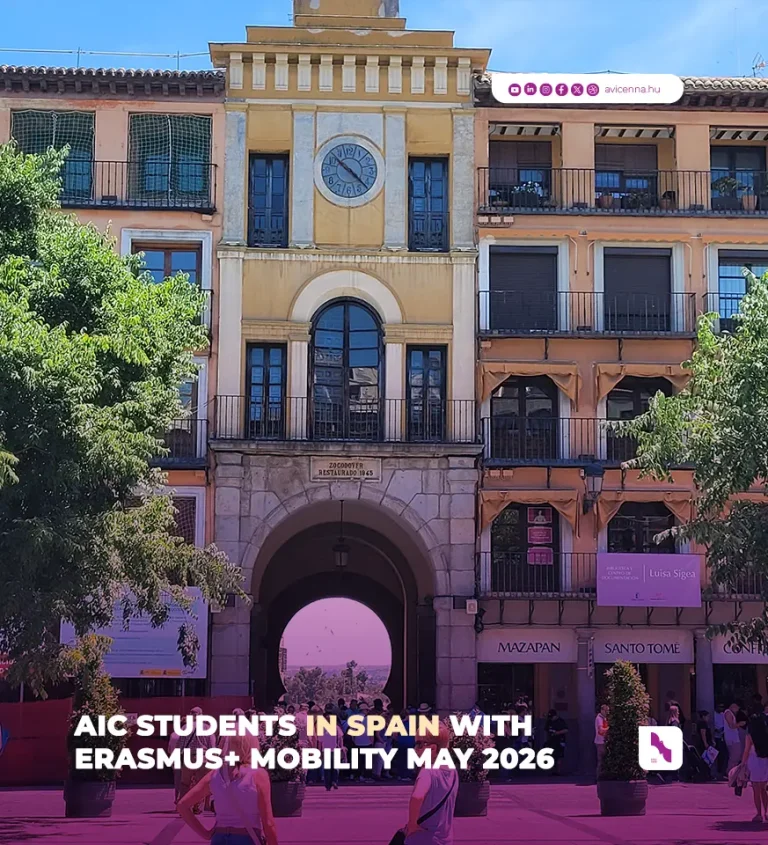
Wednesday’s study visit to Toledo provided one of the strongest intercultural learning experiences of the programme.
Understanding Cultural and Religious Coexistence
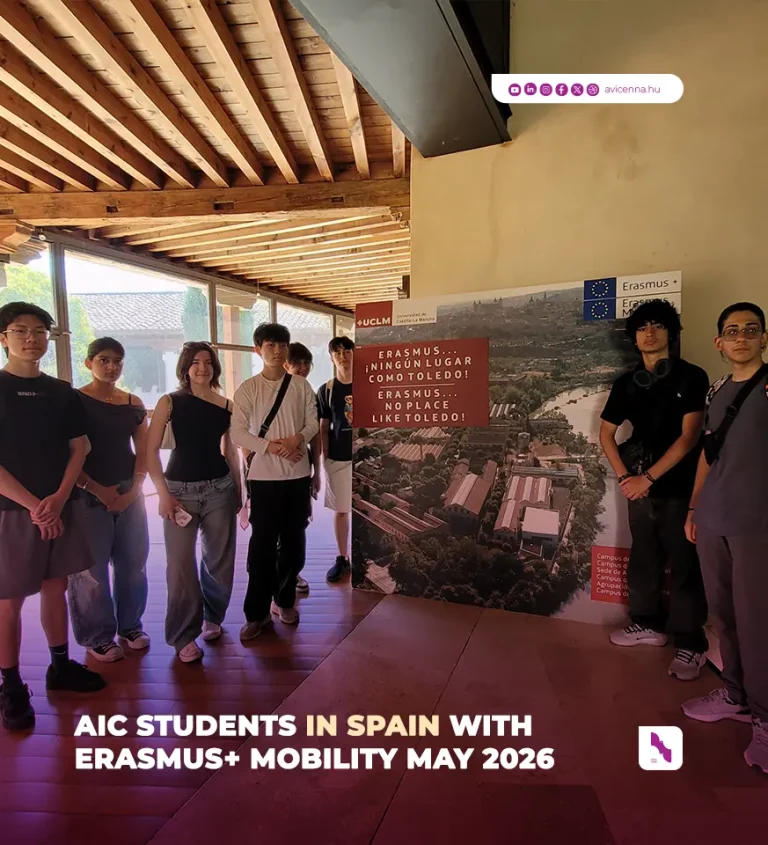
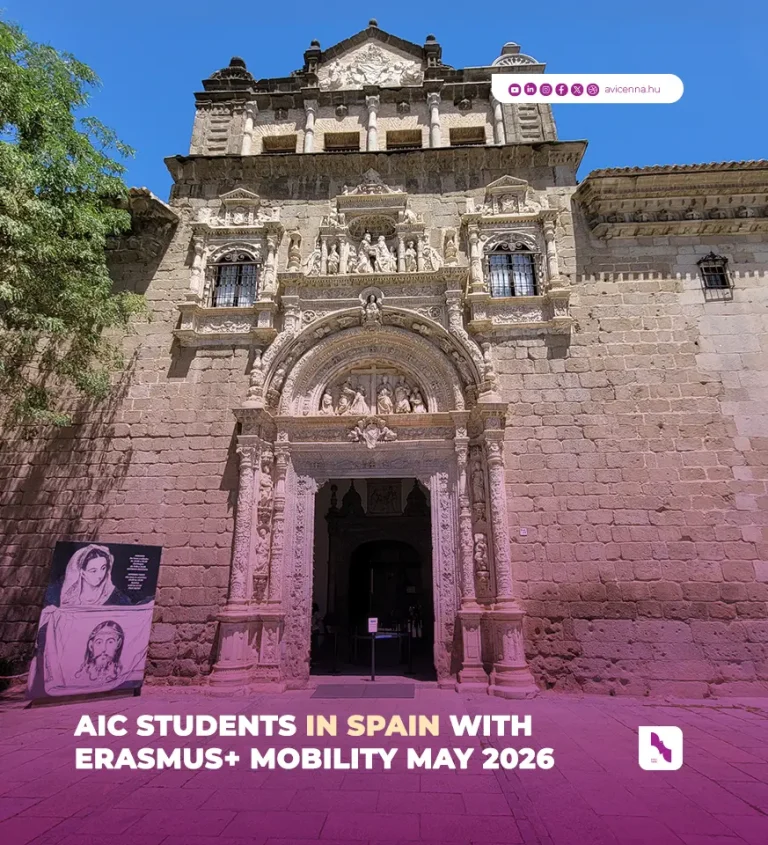
Together with local teachers and students, participants explored the city’s unique coexistence of Christian, Jewish, and Islamic heritage. Visits to the Alcázar, the Cathedral, the Synagogue, and the Mosque helped students understand how cultural and religious diversity shaped Spanish and European history.
As a UNESCO World Heritage Site, Toledo offered exceptional educational value. Students discussed tolerance, coexistence, and cultural heritage preservation within an international learning environment.
Day 6: Segovia and Sustainable Historical Infrastructure
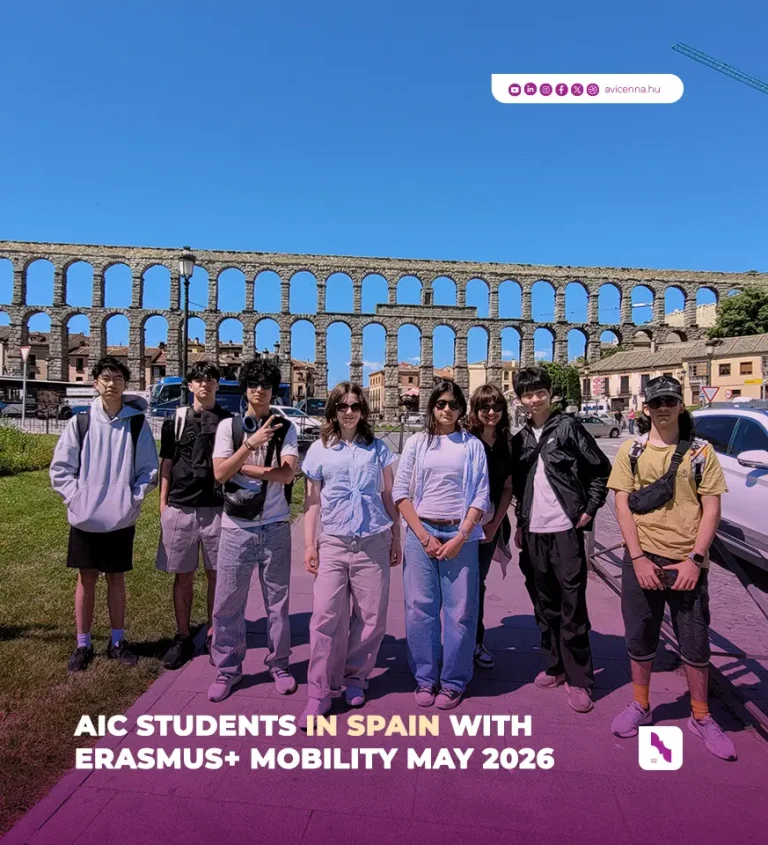
Thursday’s excursion to Segovia continued the programme’s emphasis on experiential and place-based learning.
Learning from Ancient Engineering and Urban Sustainability
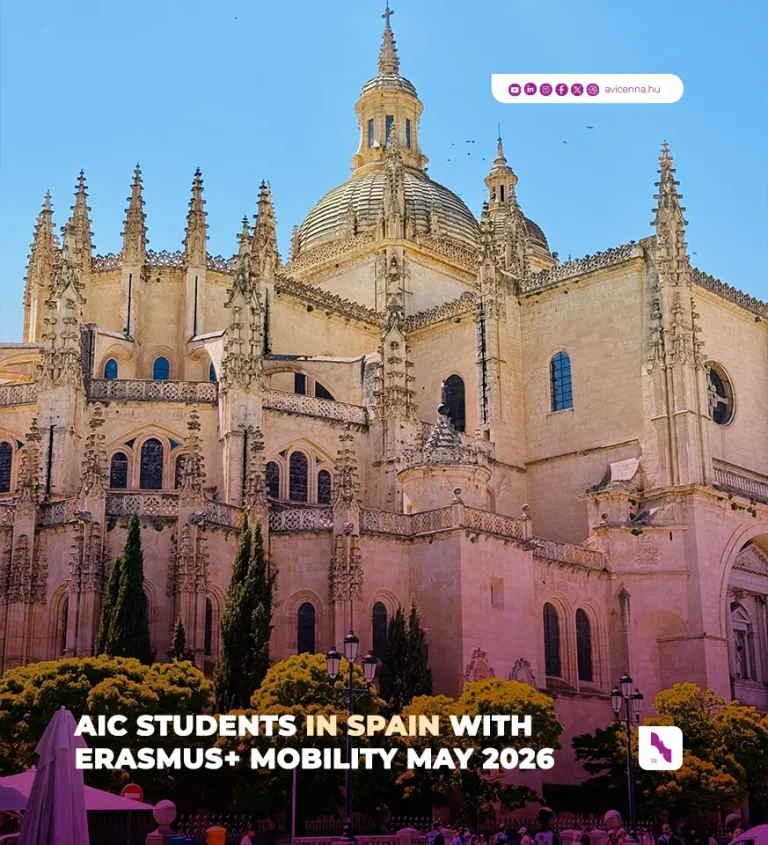
The Roman Aqueduct offered an outstanding example of ancient engineering and sustainable water management, connecting historical knowledge with modern environmental thinking.
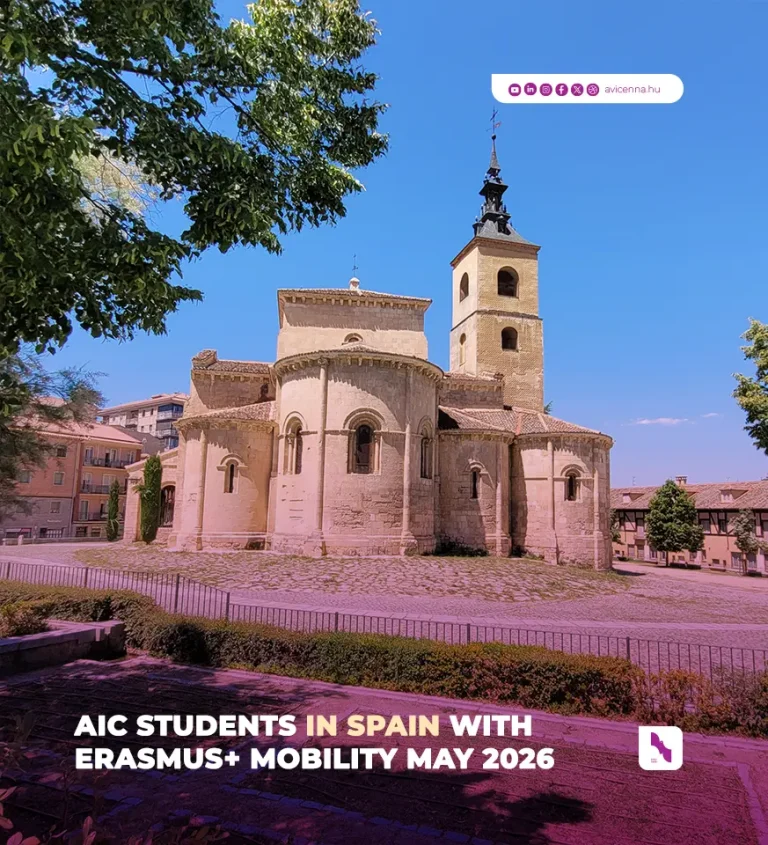
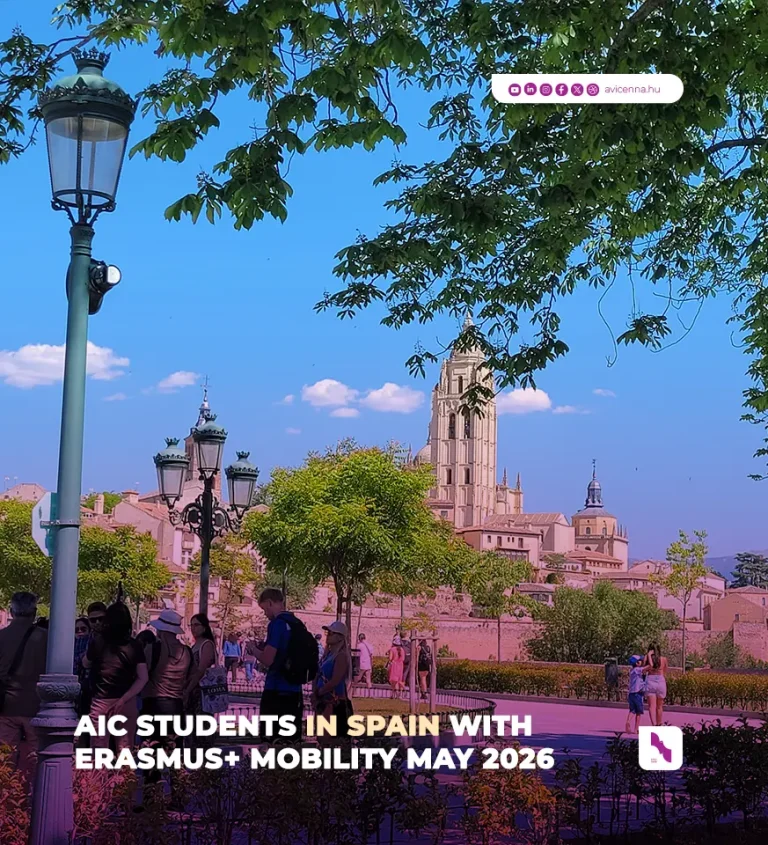
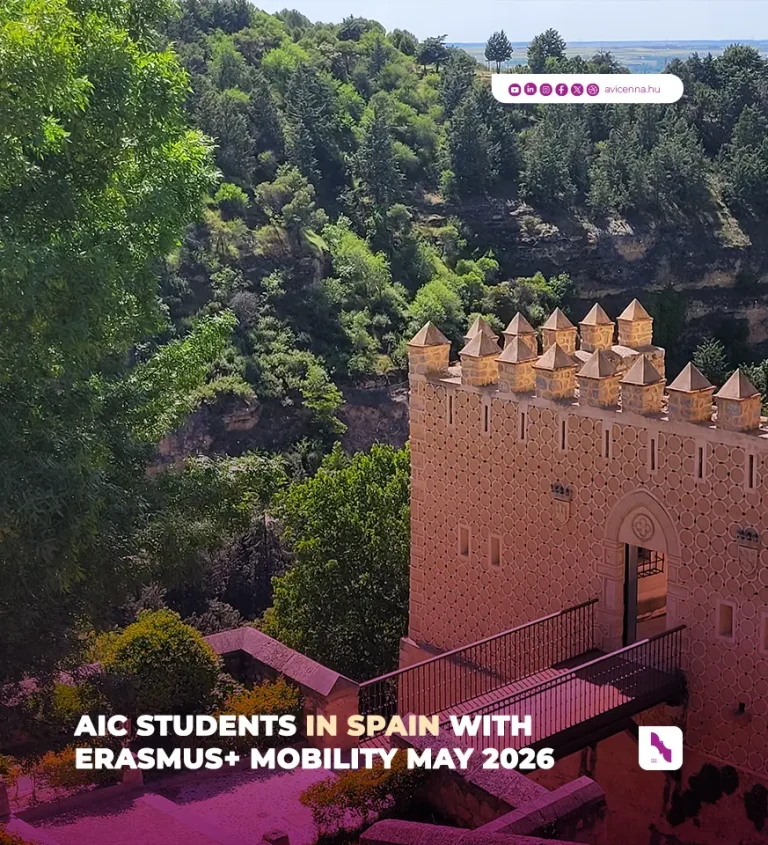
Students also visited the Alcázar and the Cathedral while examining the city’s urban structure and architectural heritage. Guided activities encouraged participants to analyse how historical infrastructure and cultural preservation contribute to contemporary urban identity and tourism sustainability.
Final Day Reflection, Historical Analysis and Cultural Exchange
On Friday, the final school day focused on reflection and synthesis.
Critical Thinking and Historical Understanding
Discussions about the European Union continued alongside history lessons comparing authoritarian political systems through the examples of Hitler and Mussolini. Students completed collaborative analytical tasks that strengthened their critical thinking and comparative historical understanding.
Celebrating Spanish Culture and Project Achievements
In the afternoon, participants experienced another aspect of Spanish culture through a shared paella meal before taking part in a final reflective walk through Illescas.
During the evening evaluation session, students discussed the week’s academic achievements, personal development, intercultural experiences, and future applications of what they had learned.
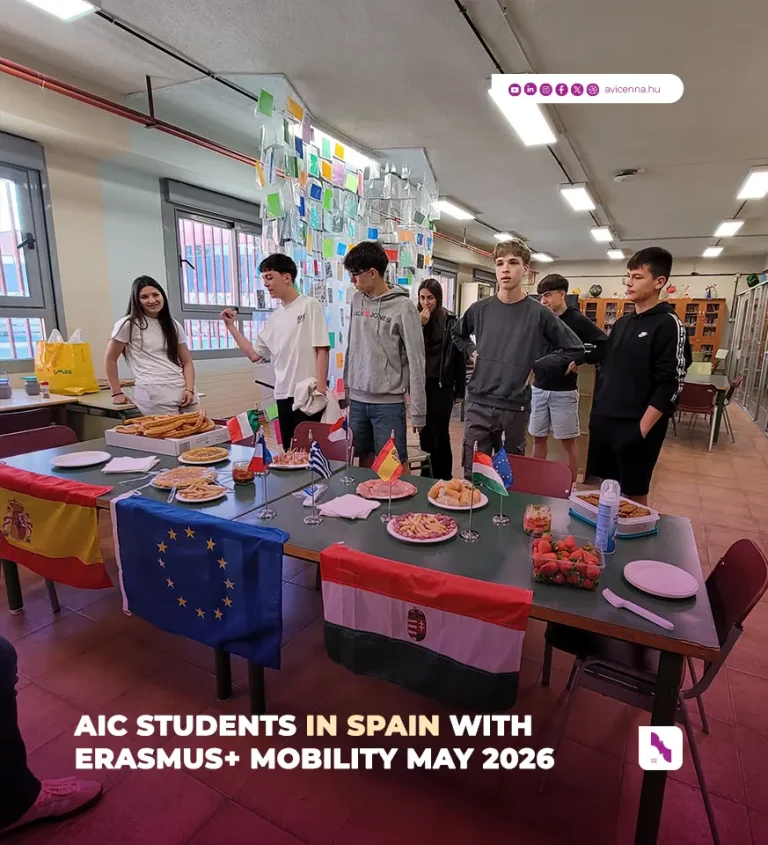
Key Outcomes of the Erasmus+ Mobility Project
Overall, the mobility achieved its objectives at an exceptionally high level. The programme was academically rigorous, professionally organised, and deeply collaborative.
Main Benefits for Participating Students
Students:
- Developed stronger intercultural communication skills
- Improved their confidence in English and Spanish
- Gained practical knowledge about sustainability and European citizenship
- Experienced authentic international cooperation in formal and informal learning environments
- Expanded their academic, linguistic, and personal competences
The exchange strengthened the partnership between the two schools while providing students with valuable academic, linguistic, and personal growth opportunities that will continue to influence their future studies and international outlook.
Written by AIC Editorial Team | 14 May 2026
This mobility was fully supported by Erasmus+ funding. This article reflects the views of the author only and does not necessarily reflect the views of the European Commission.