
Job Shadowing Dissemination Report
Lecce, Italy | 23–27 February 2026
Harout Parseghian
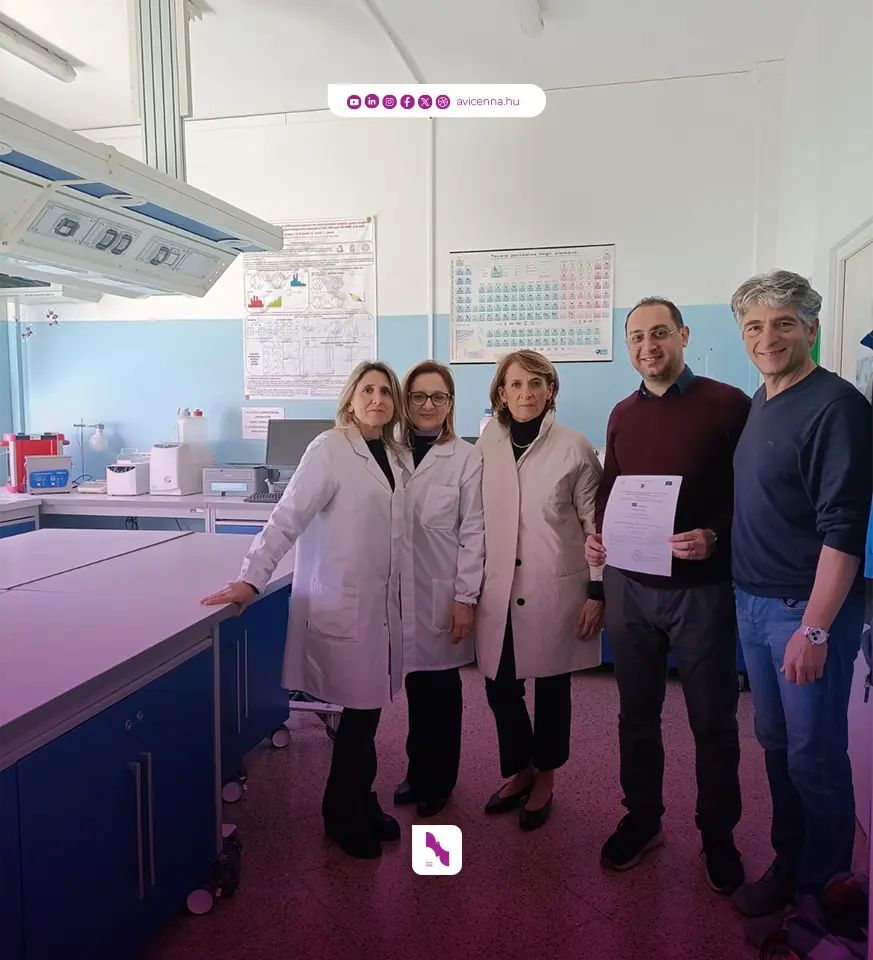
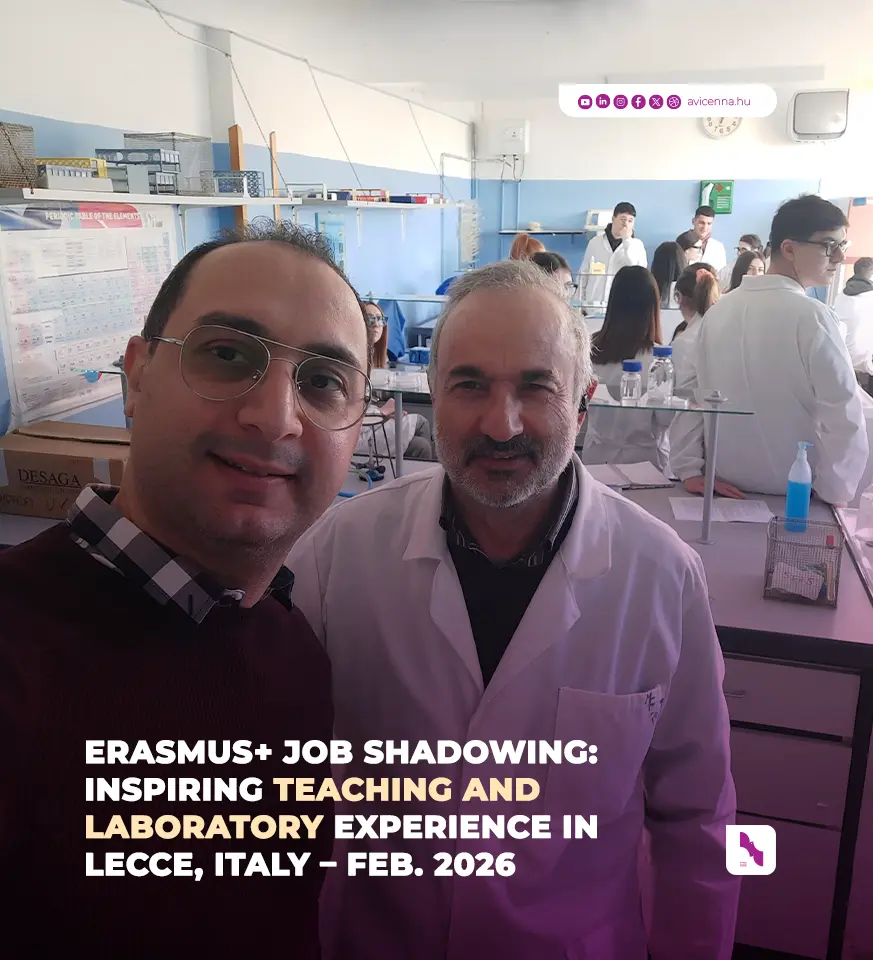
The Erasmus+ Job Shadowing mobility in Lecce, Italy, provided an outstanding opportunity for professional development, international collaboration, and the exchange of innovative teaching practices. During the week-long programme at Istituto Tecnico Grazia Deledda, participants observed science lessons, took part in advanced laboratory activities, explored modern educational approaches, and gained valuable insights into practical, hands-on learning. Beyond the classroom, the mobility also offered a rich cultural experience through visits to some of the most beautiful cities in the Salento region, demonstrating the educational and cultural impact of the Erasmus+ Programme.
Introduction to the Erasmus+ Job Shadowing Experience
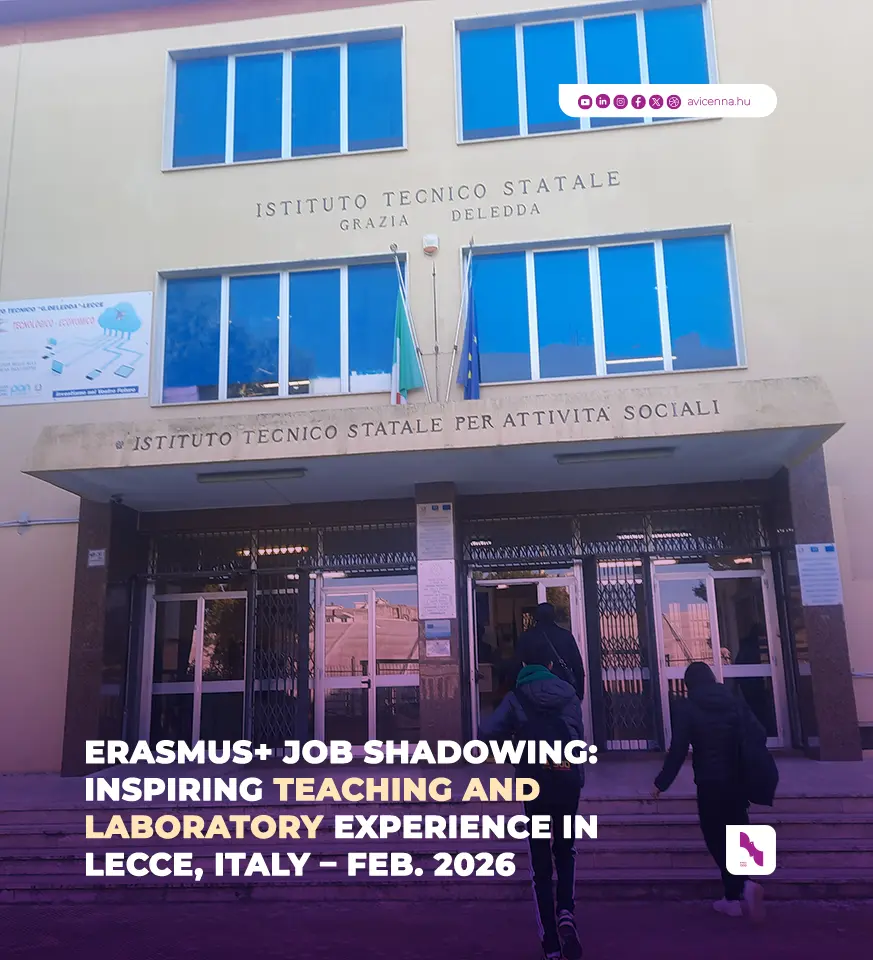
Before my arrival at the host high school, Istituto Tecnico Grazia Deledda, our Erasmus Coordinator shared my full weekly schedule, outlining all the lessons I would attend during the mobility. I was very much looking forward to this professional experience in the beautiful Puglia region of southern Italy.
A Warm Welcome at Istituto Tecnico Grazia Deledda
Upon my arrival at the host school, I was warmly welcomed by Mr Giovanni delle Donne, who first took me to the principal’s office to meet Ms Antonella Cazzato, the School Principal.
After our introduction, we attended Mr Giovanni’s first lesson with second-year high school students. Students at the school complete their studies over a five-year programme. Mr Giovanni explained that after completing their second year, students choose between a medical pathway and an environmental pathway. The environmental programme focuses on sustainability and renewable energy.
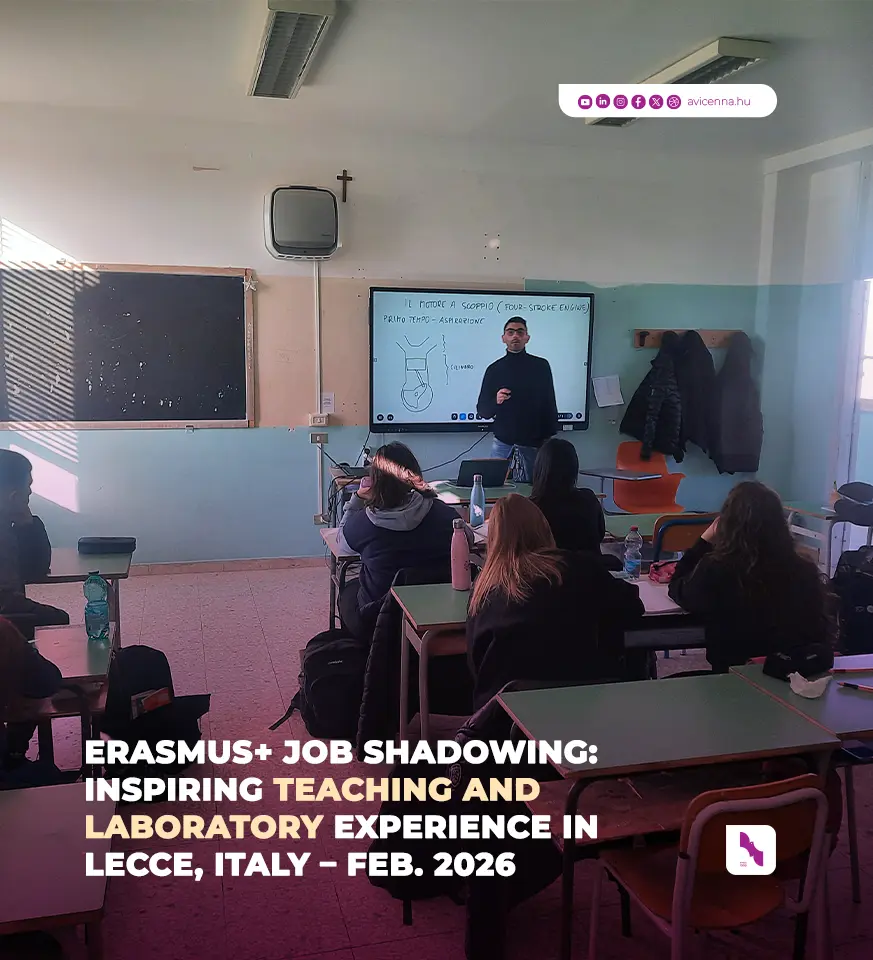
Exploring the Four-Stroke Internal Combustion Engine
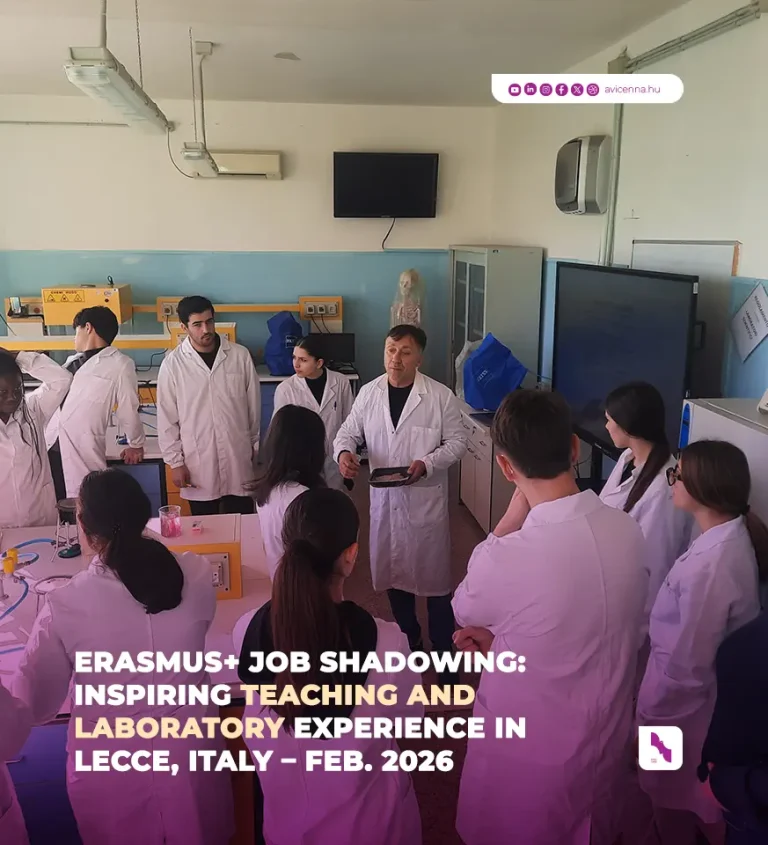
The first lesson was exceptionally interesting and very well planned. Students were fully engaged as they explored how the four-stroke internal combustion engine operates through its four stages:
- Intake
- Compression
- Power
- Exhaust
These stages are collectively known as the Otto Cycle, named after the German engineer Nikolaus August Otto.
The lesson was clearly explained using a smart board, followed by an animation that effectively summarised the entire process. One aspect that particularly impressed me was that teachers always waited for the next teacher before leaving the classroom, ensuring that students were never left unattended.
Physics Laboratory: Understanding Heat Transfer Through Calorimetry
Afterwards, we visited the Physics Laboratory, where students carried out an experiment using calorimetry to determine the final temperature when hot and cold water are mixed.
Using a portable calorimeter, students measured the temperatures of both hot and cold water separately before combining them. The experiment demonstrated that heat flows from the warmer water to the colder water until thermal equilibrium is reached.
This practical approach enabled students to directly observe one of the fundamental principles of thermodynamics.
Anatomy Lesson: CRISPR, Genetic Engineering and Natural Selection
The next lesson was Anatomy with Mr Luigi Potenza, who had prepared an exceptionally thought-provoking documentary on unnatural selection.
The documentary explored how modern genetic editing technologies, particularly CRISPR, make it possible to modify organisms both in highly controlled biotechnology laboratories and even in private settings such as home laboratories.
The lesson demonstrated how humanity is increasingly influencing the natural selection process, opening remarkable possibilities for curing genetic diseases while simultaneously raising important ethical questions about the unknown consequences of genetic modification.
Environmental Laboratory: Soil Bacteria, Cellulose Digestion and Hydroponics
The final lesson of the day took place in the Environmental Laboratory, where the teacher kindly demonstrated many of the practical laboratory sessions regularly carried out with students.
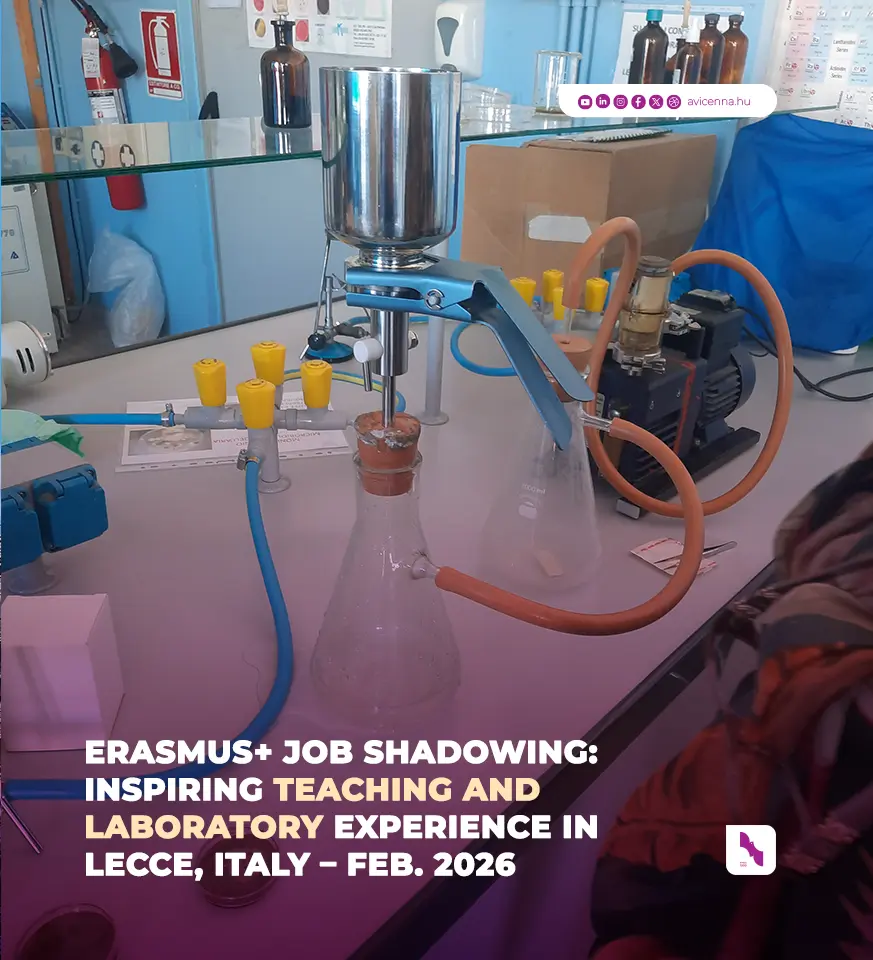
Among the activities presented were bacterial cultures collected from air, water and soil samples. The teacher explained how different soil layers are separated in order to isolate bacteria capable of digesting cellulose. These bacteria are then cultivated into colonies and tested to determine their ability to break down cellulose, an important indicator of healthy soil.
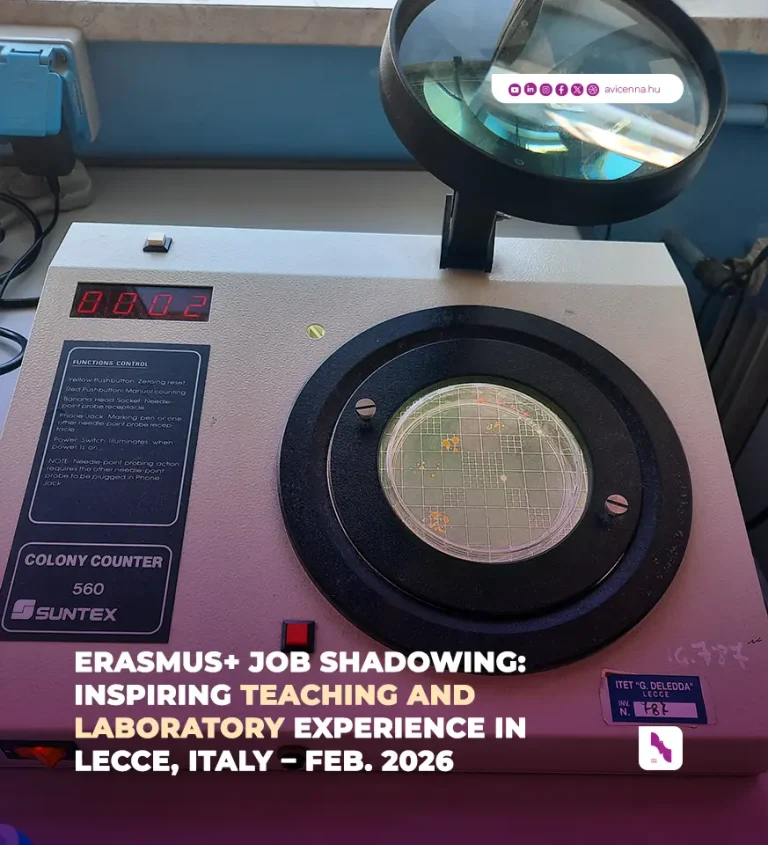
She also demonstrated the use of a colony counter, an instrument capable of estimating the number of bacteria present within a colony.
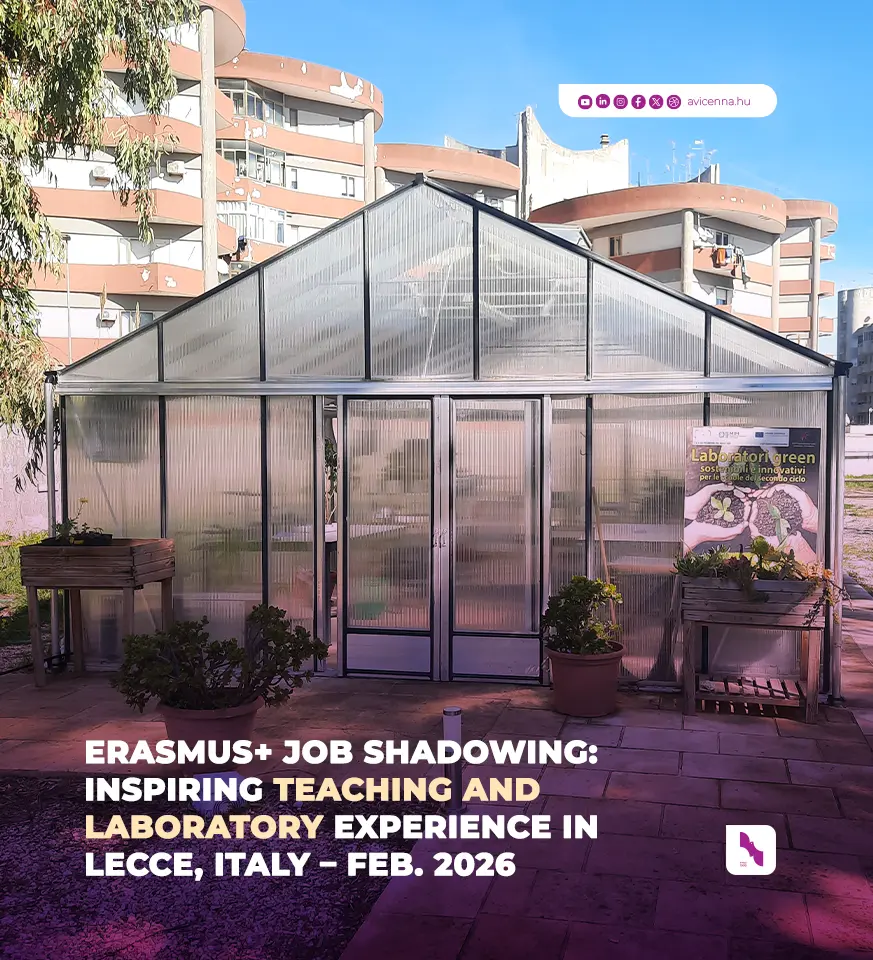
Before concluding the visit, she invited me outside to observe two impressive student projects. The first was a naturally established pond ecosystem, thriving with a variety of living organisms. The second was the school’s greenhouse, where hydroponic growing systems allowed plants to develop using only water rather than traditional soil.
Full-Day Biotechnology Laboratory: Bacterial Transformation Using pGLO Plasmids
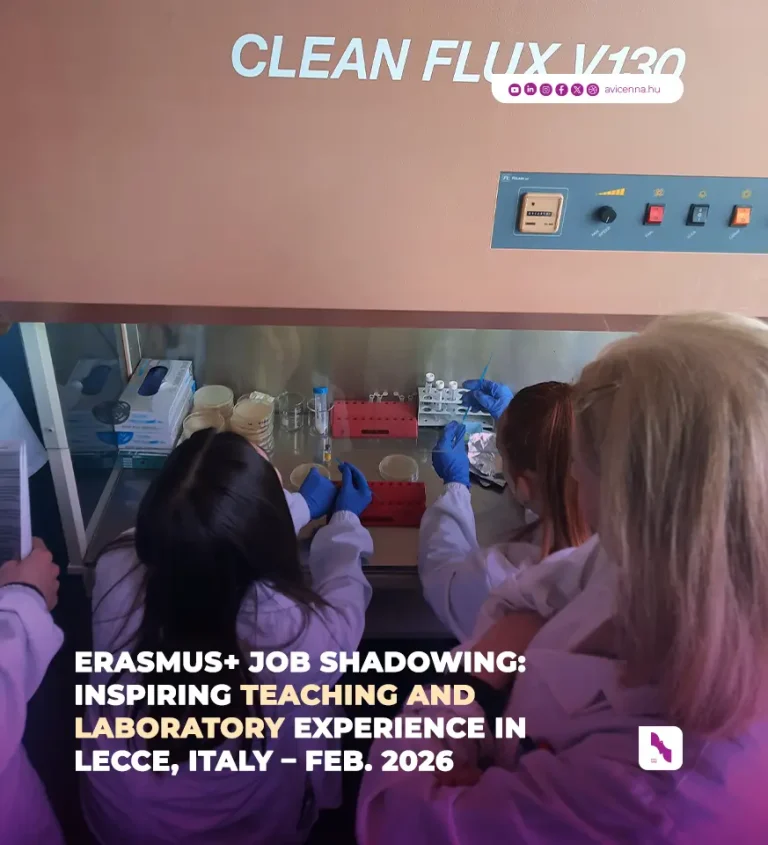
The second day consisted entirely of a five-hour laboratory session focusing on bacterial transformation using the pGLO plasmid.
Students worked in groups of three and used six Petri dishes per group while varying several experimental conditions. The transformation solution used throughout the experiment was Calcium Chloride.
The bacterial colonies consisted of Escherichia coli (E. coli), which the students had cultured one week earlier. The nutrient medium contained LB agar supplemented with Ampicillin as the antibiotic and Arabinose for gene induction.
Throughout the laboratory session, students used micropipettes, Eppendorf tubes, heat-shock and cold-shock techniques, followed by incubation. The results of the transformation experiment were prepared for observation on the following day.
Chemistry Discussion Lessons and Student Assessment
The following day, Chemistry discussion lessons were observed, during which students presented reports they had prepared in pairs. Two teachers, led by Mr Andrea Farfalla, evaluated their work by asking questions designed to assess both their understanding and analytical thinking.
Each group presented its findings before engaging in a discussion with the teachers. A third teacher was also present in the classroom to support students with special educational needs, ensuring that all learners received appropriate assistance throughout the lesson.
While the presentations were taking place, the remaining students completed an independent research task using the internet to investigate the total hardness of water, with particular attention to the concentration of calcium and magnesium cations.
Observing Successful Bacterial Transformation Results
Following the Chemistry lesson, we returned to the Biology Laboratory to examine the results of the bacterial transformation experiment conducted the previous day.
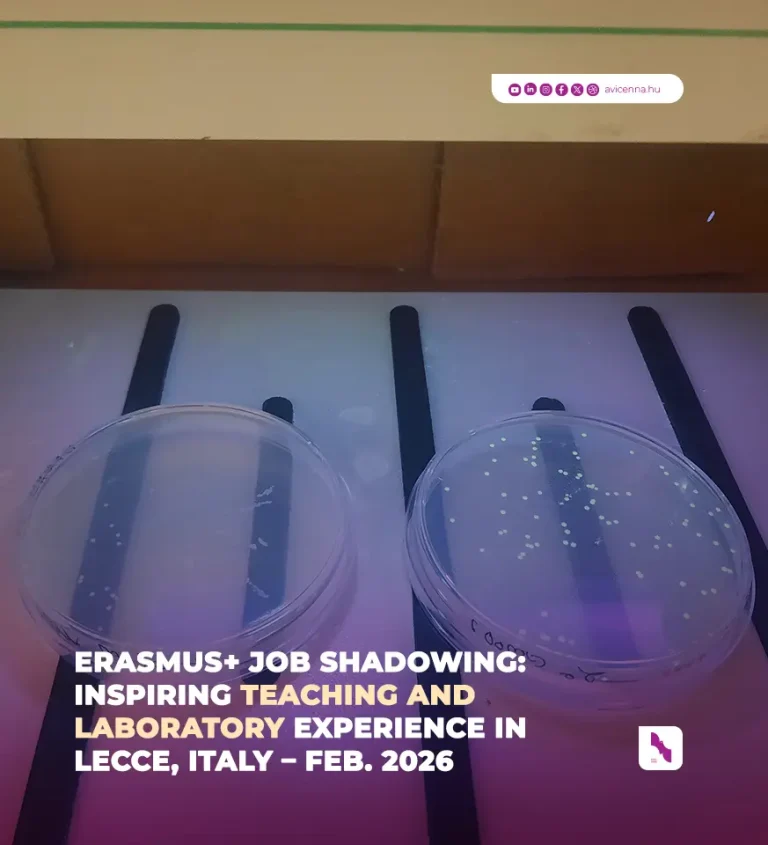
Two of the three student groups successfully transformed their E. coli colonies using the pGLO plasmid. Under ultraviolet light, these bacterial colonies emitted a bright green fluorescence, demonstrating that the bacteria had successfully incorporated the plasmid and were producing Green Fluorescent Protein (GFP).
Students then counted the bacterial colonies under the different experimental conditions and calculated the transformation efficiency of each group, providing valuable practical experience in molecular biology techniques.
Chemistry Laboratory: Measuring Electrical Conductivity
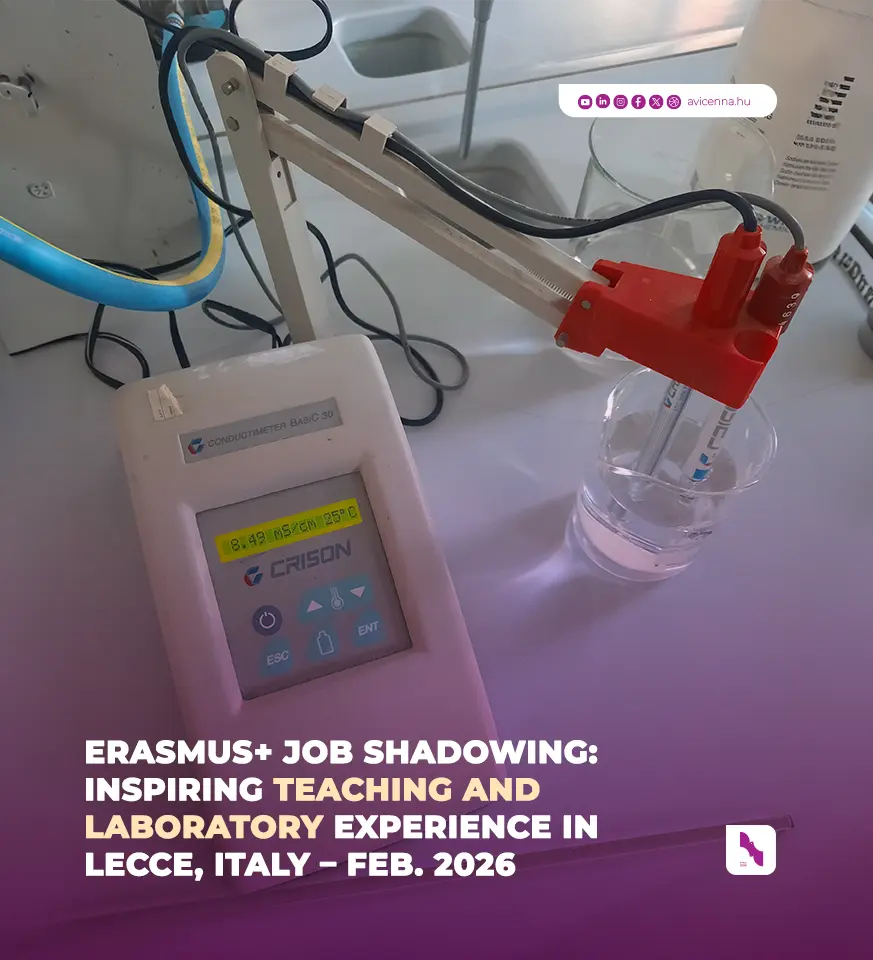
Another Chemistry laboratory activity focused on measuring the electrical conductivity of various chemical solutions, including Sodium Chloride, Potassium Chloride, and Zinc Chloride.
Students used a conductimeter to obtain highly accurate measurements expressed in millisiemens. Since Sodium Chloride and Potassium Chloride have similar ionic properties, their conductivity values were also relatively similar. As the concentration of each solution increased by half a gram during successive measurements, students observed the expected increase in electrical conductivity.
This practical investigation successfully reinforced theoretical concepts related to ions, electrolytes, and solution chemistry.
Microscopy Practical: Preparing and Observing Skeletal Muscle Tissue
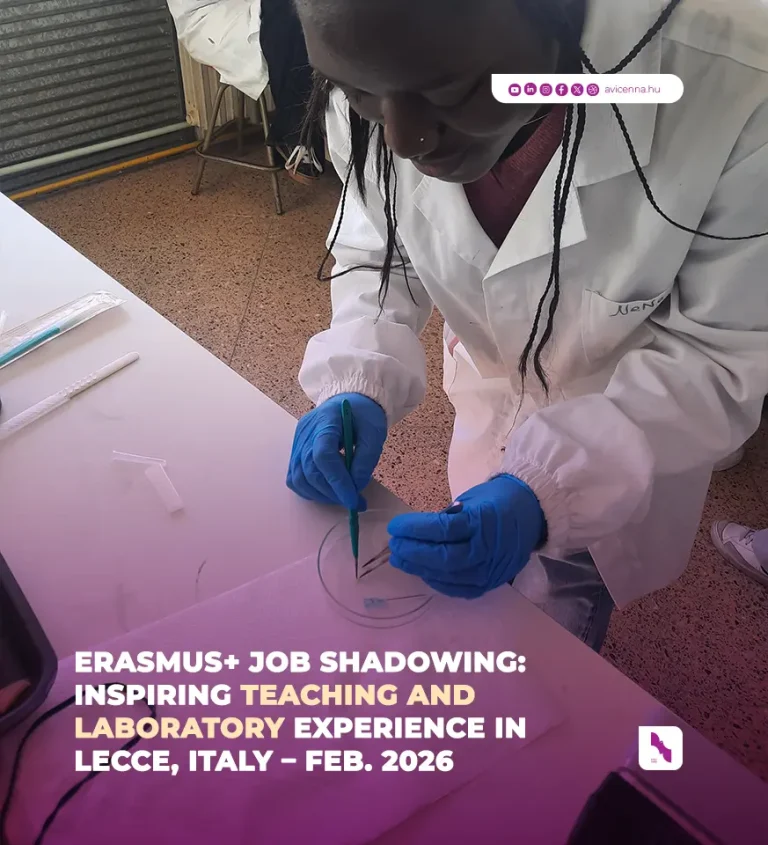
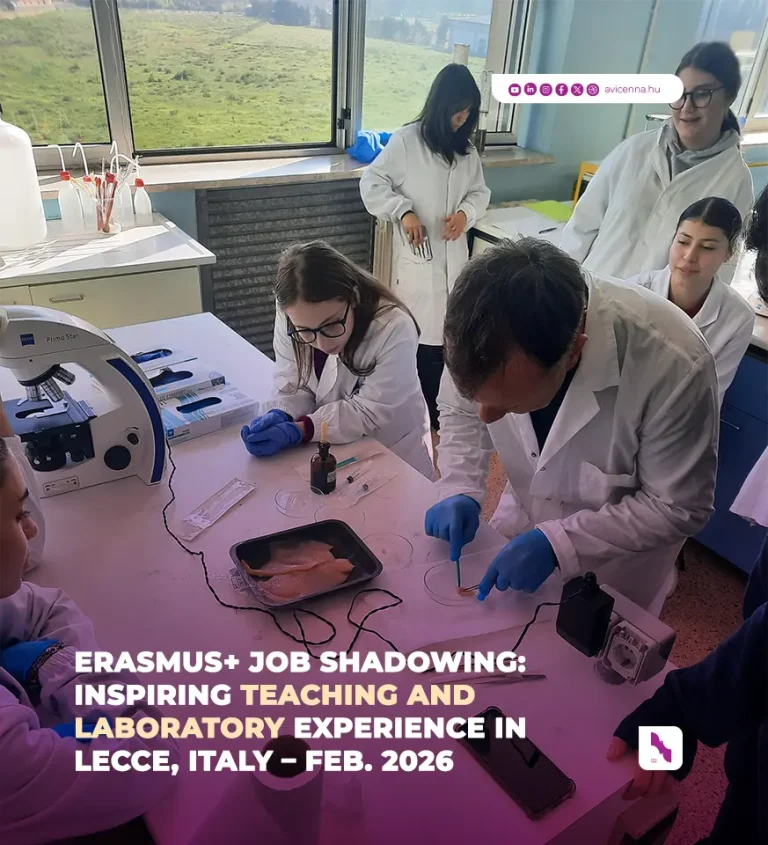
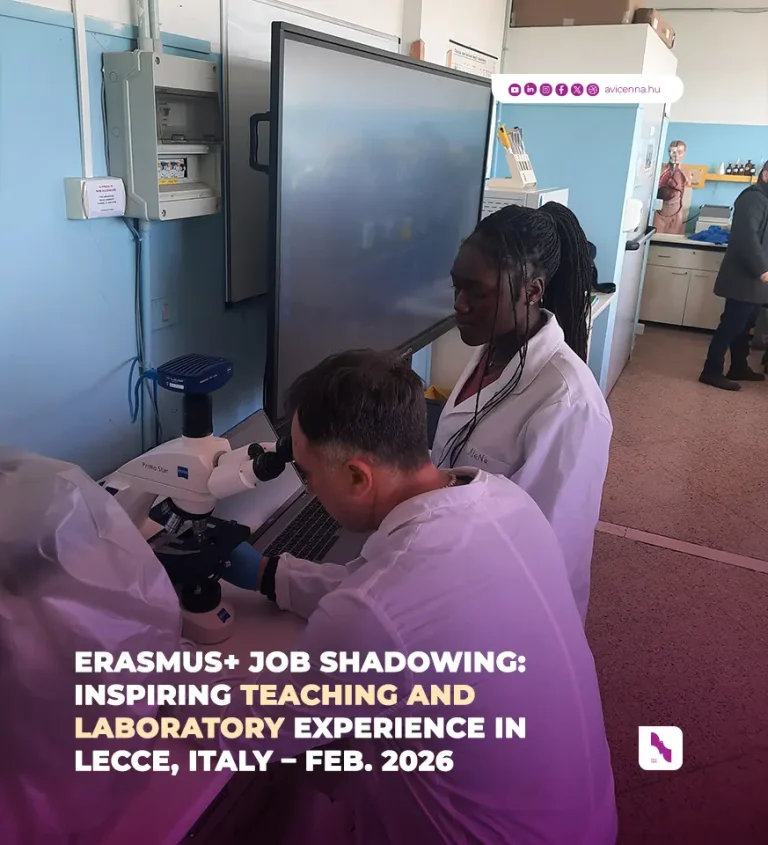
On my final day, students participated in a laboratory session focusing on skeletal muscle tissue.
They prepared their own microscope slides using thin sections of chicken breast tissue, which they stained with methylene blue before microscopic observation.
The laboratory was supervised by Mr Nunzio, who provided continuous guidance and assisted students in preparing high-quality microscope slides. Another teacher first introduced the theoretical background before students proceeded with the practical work.
Although not every preparation produced perfectly clear images, students thoroughly enjoyed observing their own samples under the microscope. The objective was to identify the characteristic striated appearance of skeletal muscle by distinguishing the dark A bands from the lighter I bands within the sarcomeres.
Discovering the Cultural Heritage of the Salento Region
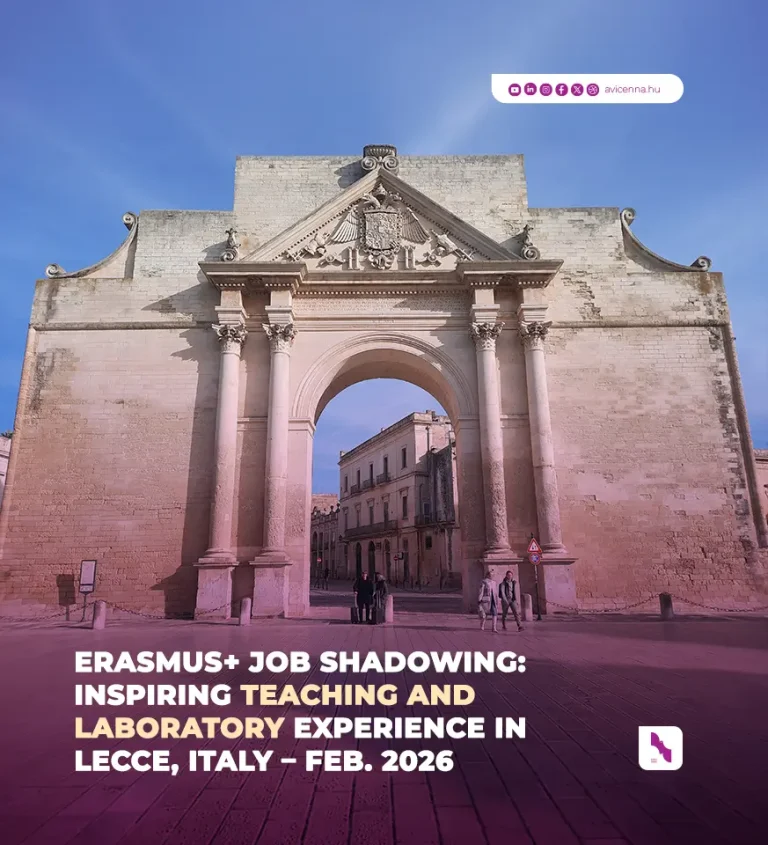
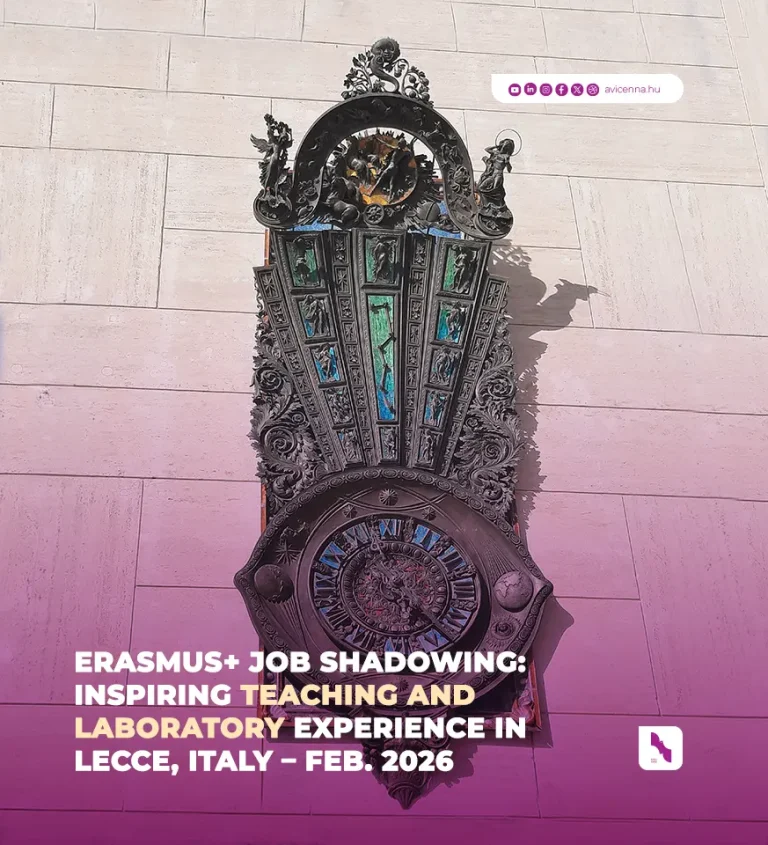
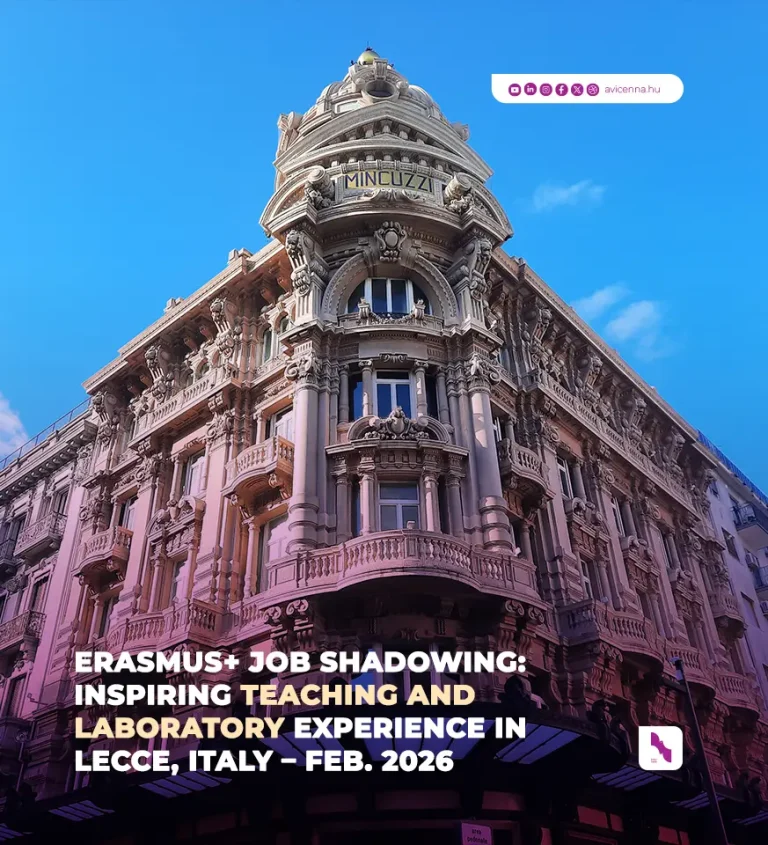
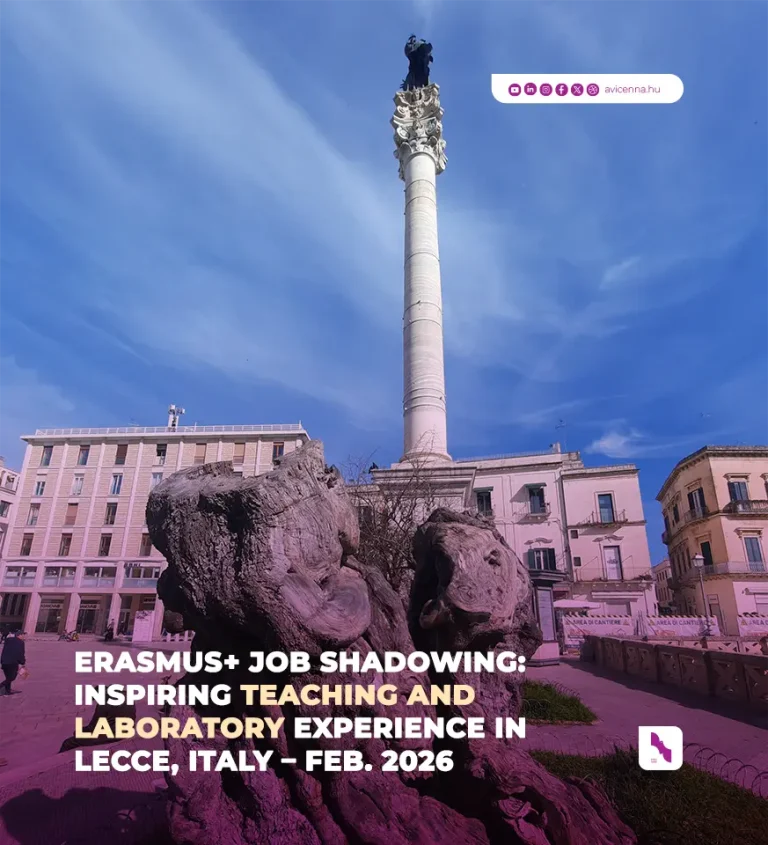
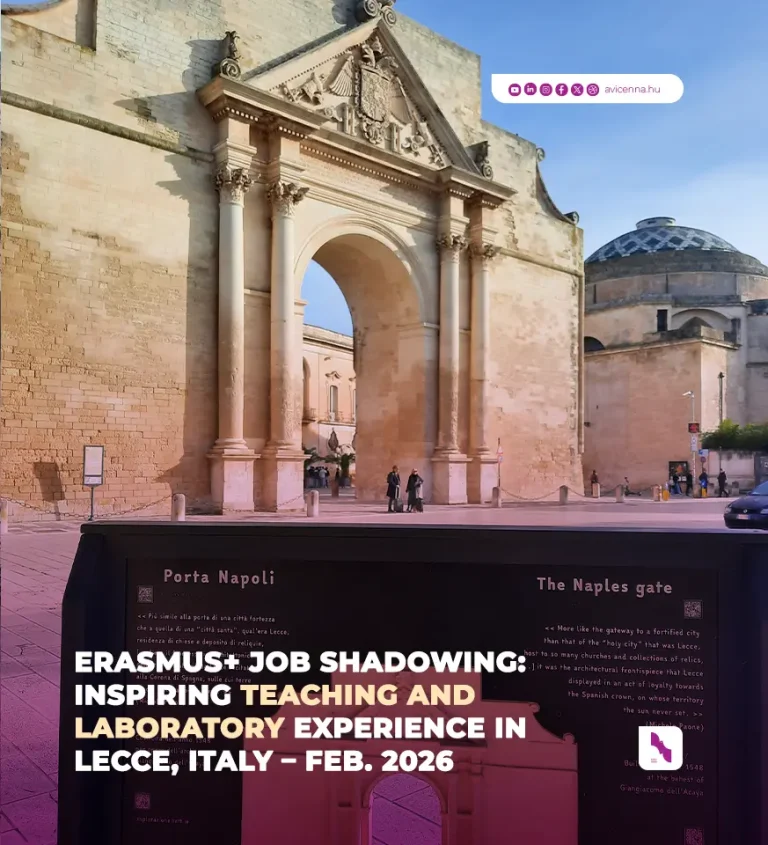
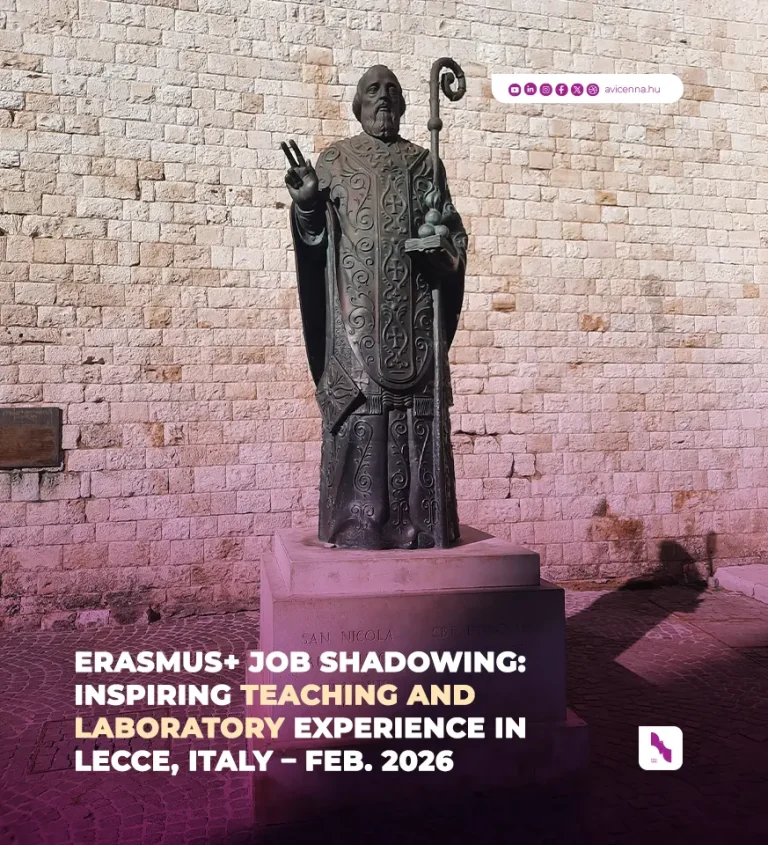
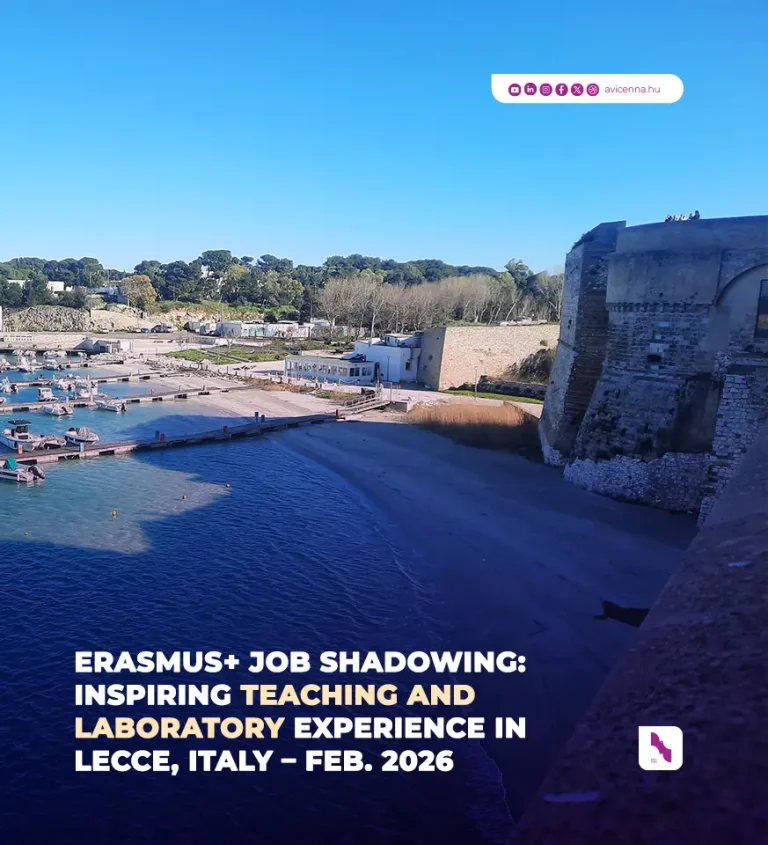
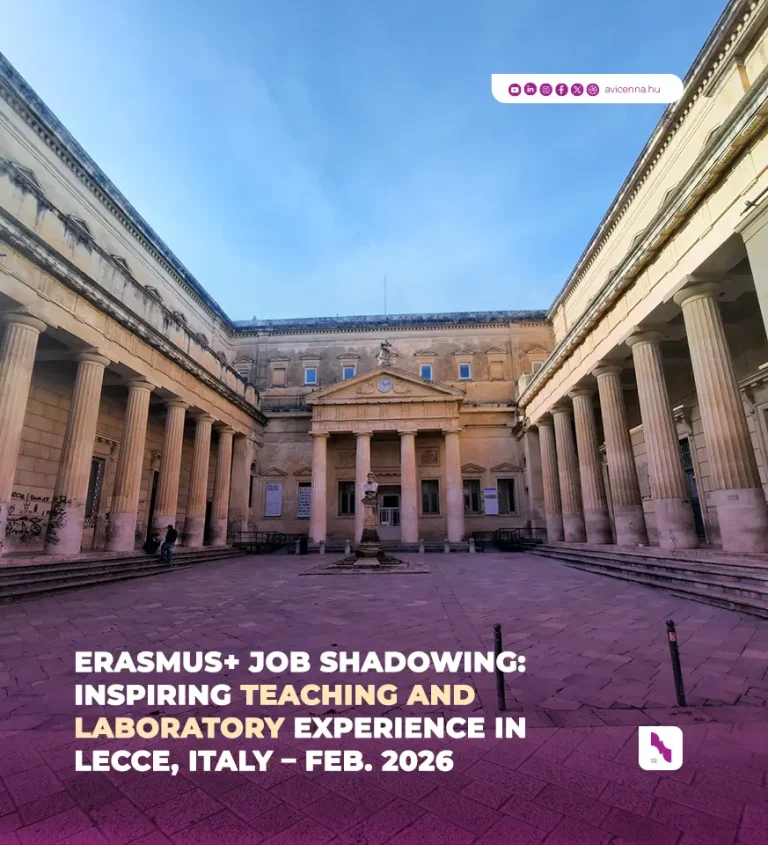
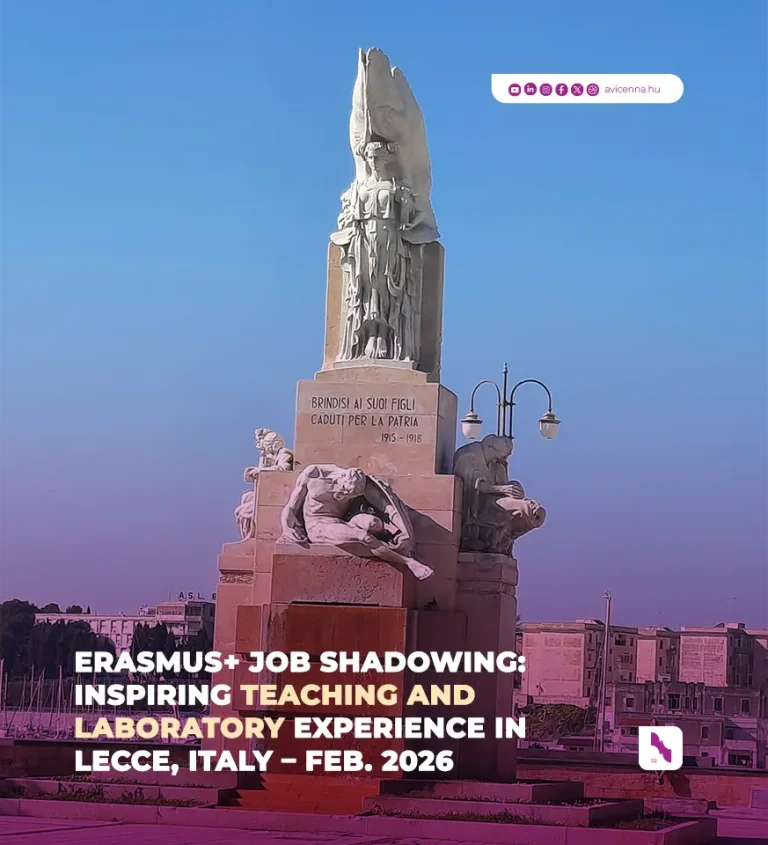
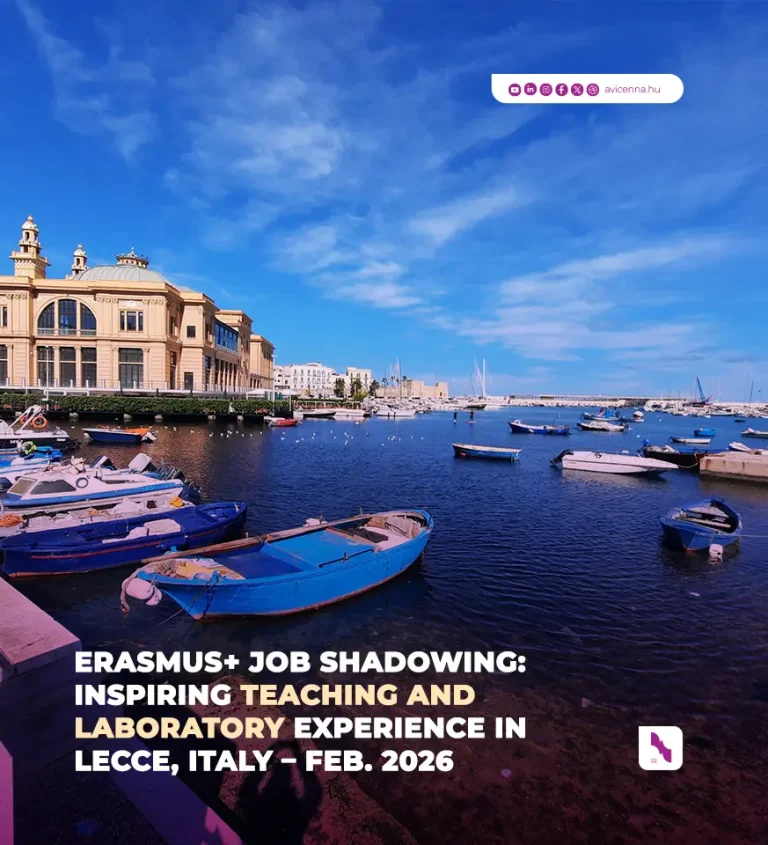
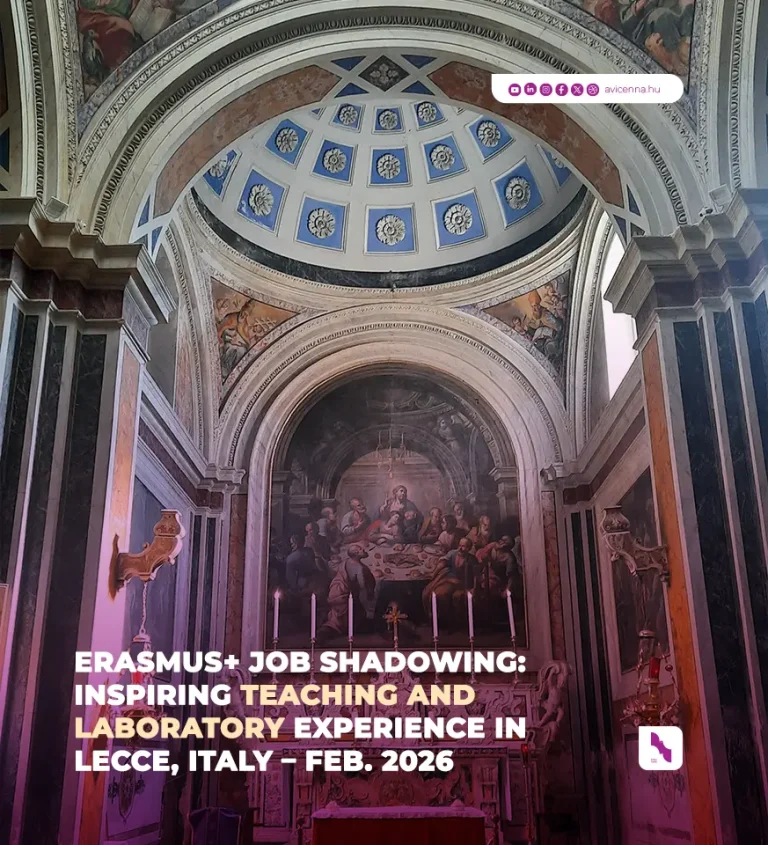
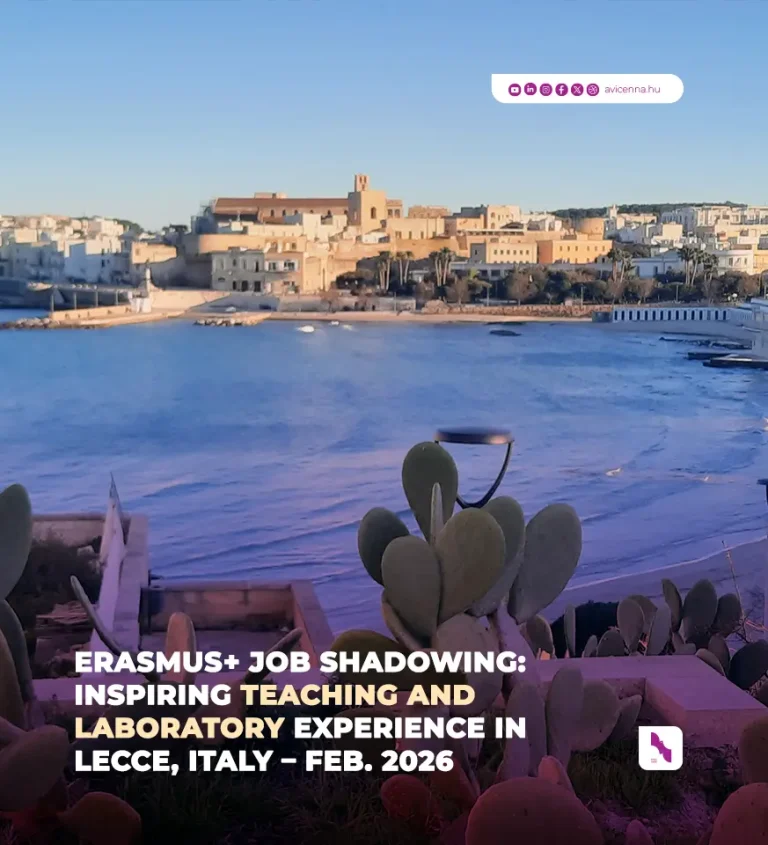
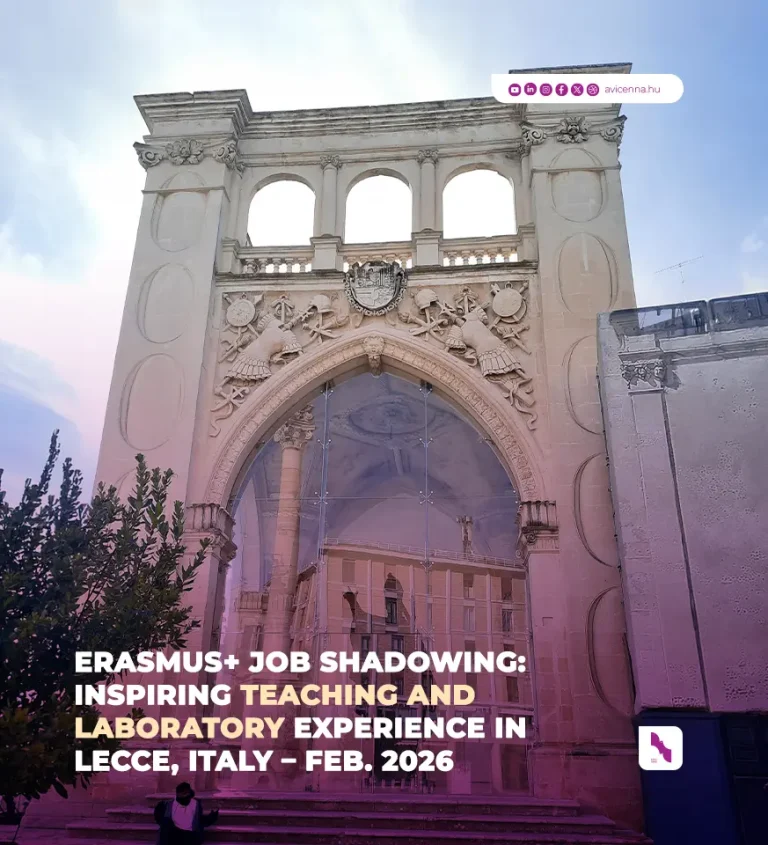
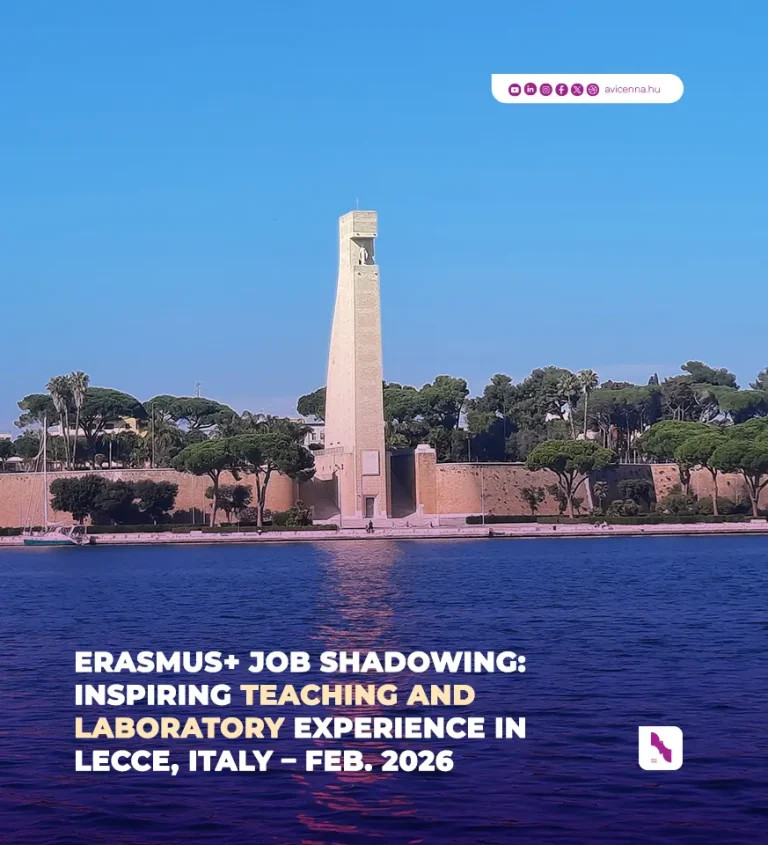
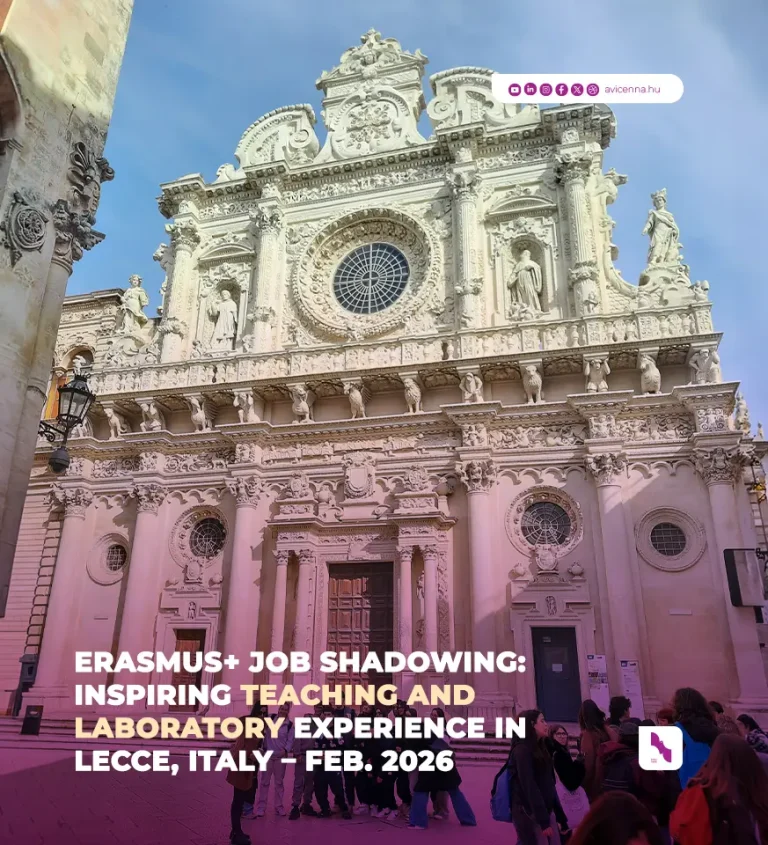
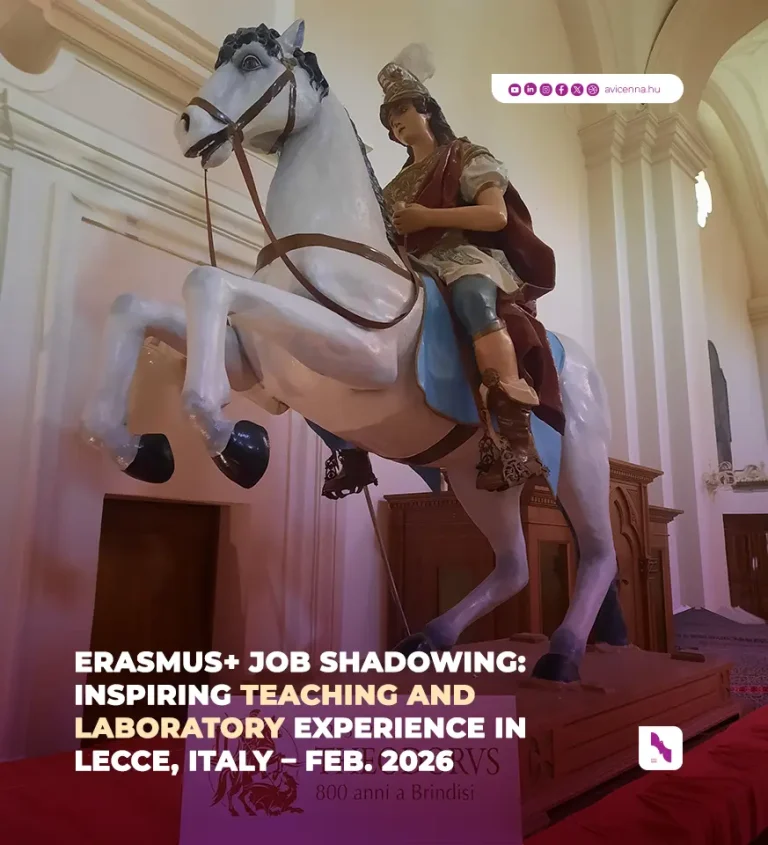
During the afternoons, I had the opportunity to discover several beautiful cities throughout the Salento region, gaining valuable cultural experiences along the way.
Among the places visited were:
- Bari
- Gallipoli
- Otranto
- San Cataldo
- Lecce
- Brindisi
- Monopoli
Each destination offered its own unique history, architecture, local traditions, and atmosphere, making the mobility experience even more enriching beyond the classroom.
Environmental Challenges in Southern Italy: The Xylella Epidemic
An important environmental issue affecting this region of Italy is the Xylella bacterial epidemic, which has devastated millions of olive trees by attacking their xylem vessels.
To combat this serious agricultural challenge, growers have increasingly introduced the Leccina olive variety, a species that has demonstrated resistance to the bacteria and offers hope for the future of olive cultivation throughout the region.
Professional Reflections on Practical Science Education
Overall, this Erasmus+ mobility proved to be an exceptionally valuable professional experience.
The host school, with approximately 1,000 students, is remarkably well equipped with a wide range of modern laboratory facilities. This allows teachers to incorporate practical experiments into their everyday lessons, enabling students not only to observe scientific demonstrations but also to perform experiments themselves.
This strong emphasis on hands-on learning further strengthened my belief in the educational value of practical science teaching. Witnessing students actively engaged in laboratory investigations has inspired me to place even greater emphasis on experimental work within my own classroom practice.
Acknowledgements
I would like to express my sincere gratitude to all members of the host school’s staff, as well as to the Erasmus Coordinators at both institutions, for making this outstanding professional experience possible.
Their kindness, professionalism, and willingness to share their expertise made this mobility both educationally rewarding and personally memorable.
This mobility was fully funded by the European Commission’s Erasmus+ Programme.